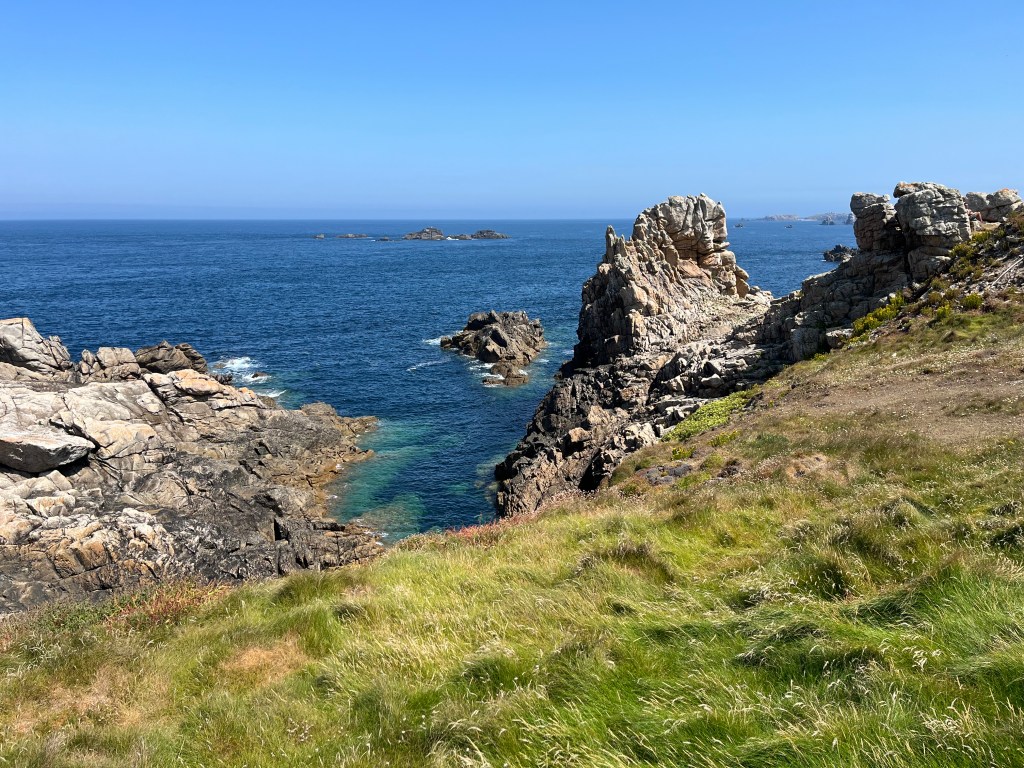
In mid May France had its first heat wave, with temperatures in the upper 90s and since then, here in the Dijon area, as in most of France, temperatures have stayed between the mid eighties to 100, with almost no measurable precipitation. At the end of July, we were on the fourth heat wave of the season and the parched vegetation started to look more like September. Several wildfires in Spain, especially close to Madrid, and in France, close to Bordeaux, were partially burning out of control, with a total of 320,000 Spaniards and French having been evacuated from their homes. All totally unprecedented. If someone would have told me a couple of years ago that in 2026 we would have a summer like this in Europe, I would have shrugged it off with a “no way, not in my lifetime”, yet here we are!
The prolonged high heat, in a country where few homes are equipped with air conditioning, is hard to bear, especially for the elderly. Longterm, the implications of a prolonged drought like this year’s is even worse. The Europe we’ve known up to this year simply did not get high heat spells lasting more than a week, or dry spells lasting more than 3 or maybe 4 weeks. By that time, usually a high pressure system gave way to a low pressure system from the SW providing rain and lower temperatures, or it ended in a thunderstorm event. The European ecosystem is not used to, nor set up to cope with this year’s high heat and prolonged drought climate. Europe is not, for example, like the western US, where openly stocked Ponderosa Pine forests are adapted to growing under high heat with prolonged drought climate conditions, and we see the results here in Europe right now. Early wilting of the vegetation, crop failures, and the vegetation from brush to forests turning into easily ignitable fuels, have resulted in the current wildfire situations. Additionally, we see water shortages with unavoidable water usage restrictions, dry creek beds, and rapidly shrinking lakes and reservoirs. The prospect that this might be the new normal or might even get worse, is very unsettling!
When we received notice in February that we needed to move out of our beloved apartment, we first were very disappointed. In hindsight, it turned out to be a blessing! Our new third floor apartment in a nice, five story building is not only in the same neighborhood of old Dijon that we like, it also has a parking garage and balcony, and most importantly, it is much more manageable during periods of high heat versus being baked under the rooftop in our old apartment, – Hallelujah!
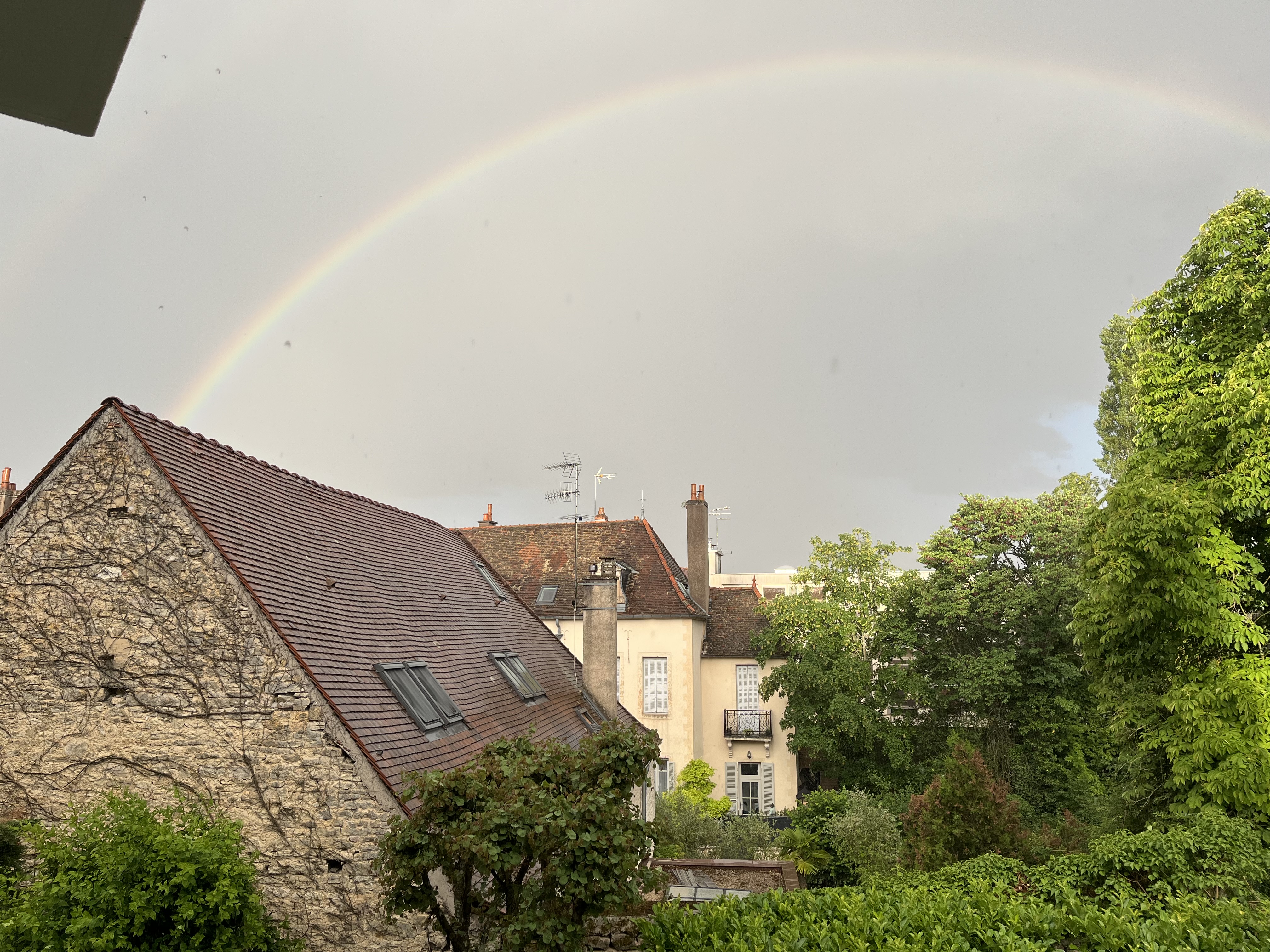
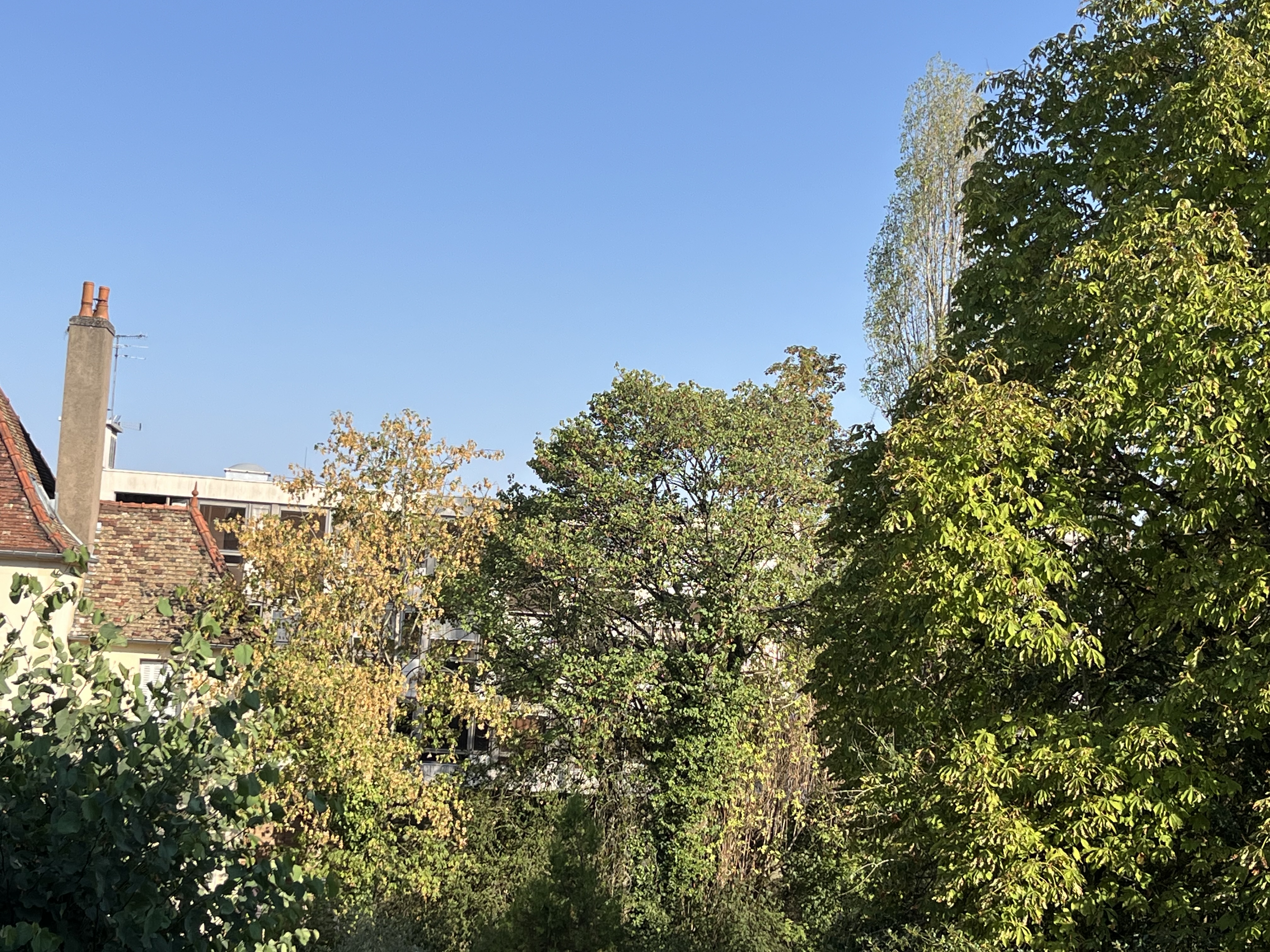
The first picture below is from the balcony of our new apartment in May. The second picture shows the view from our balcony on August 13th, with the trees showing the diminished foliage and the oncoming yellow color of fall:
Unfortunately, Europe is the world’s fastest warming continent, heating at more than twice the global average and it is a subject that is on everybody’s mind here.
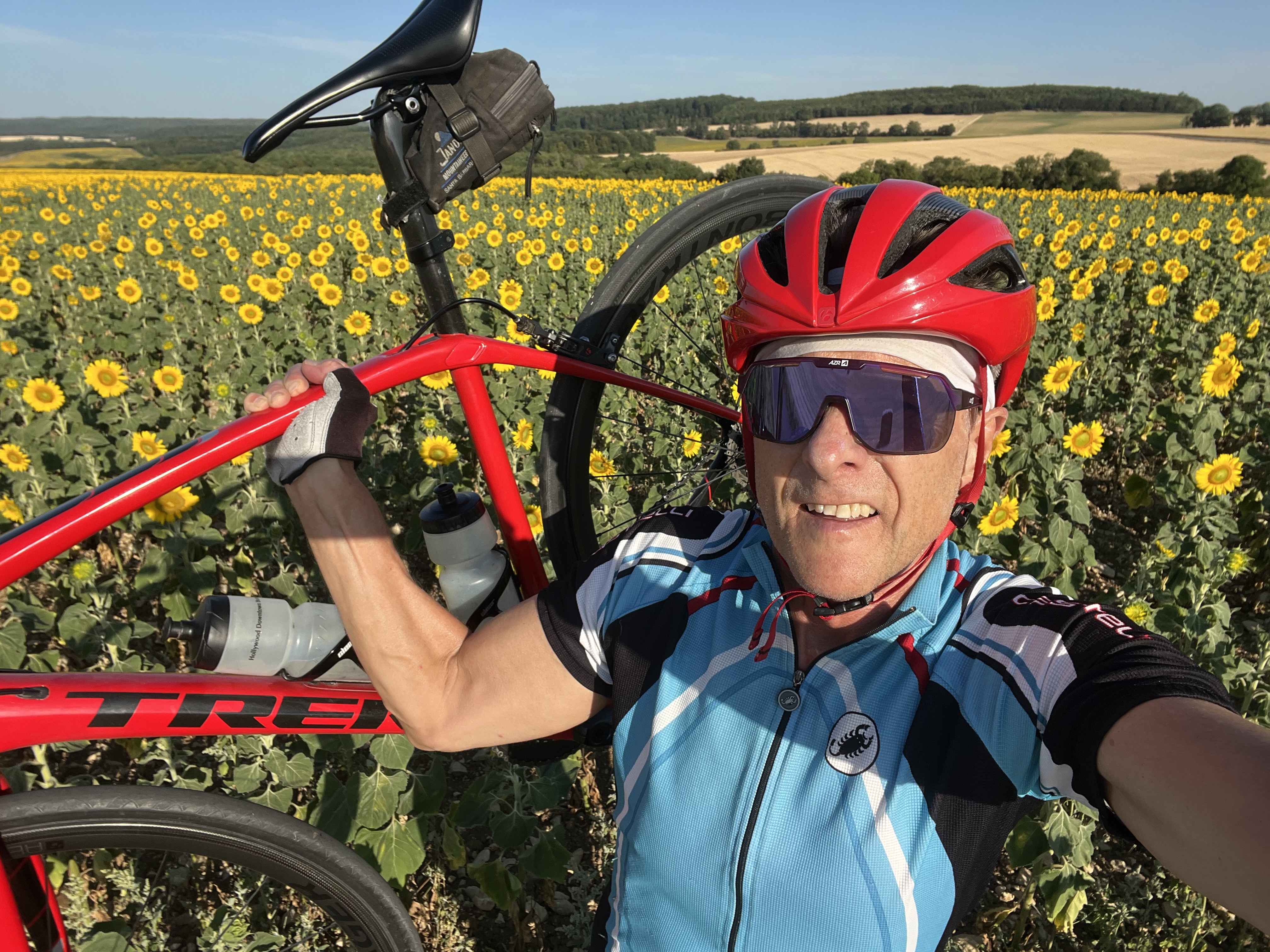
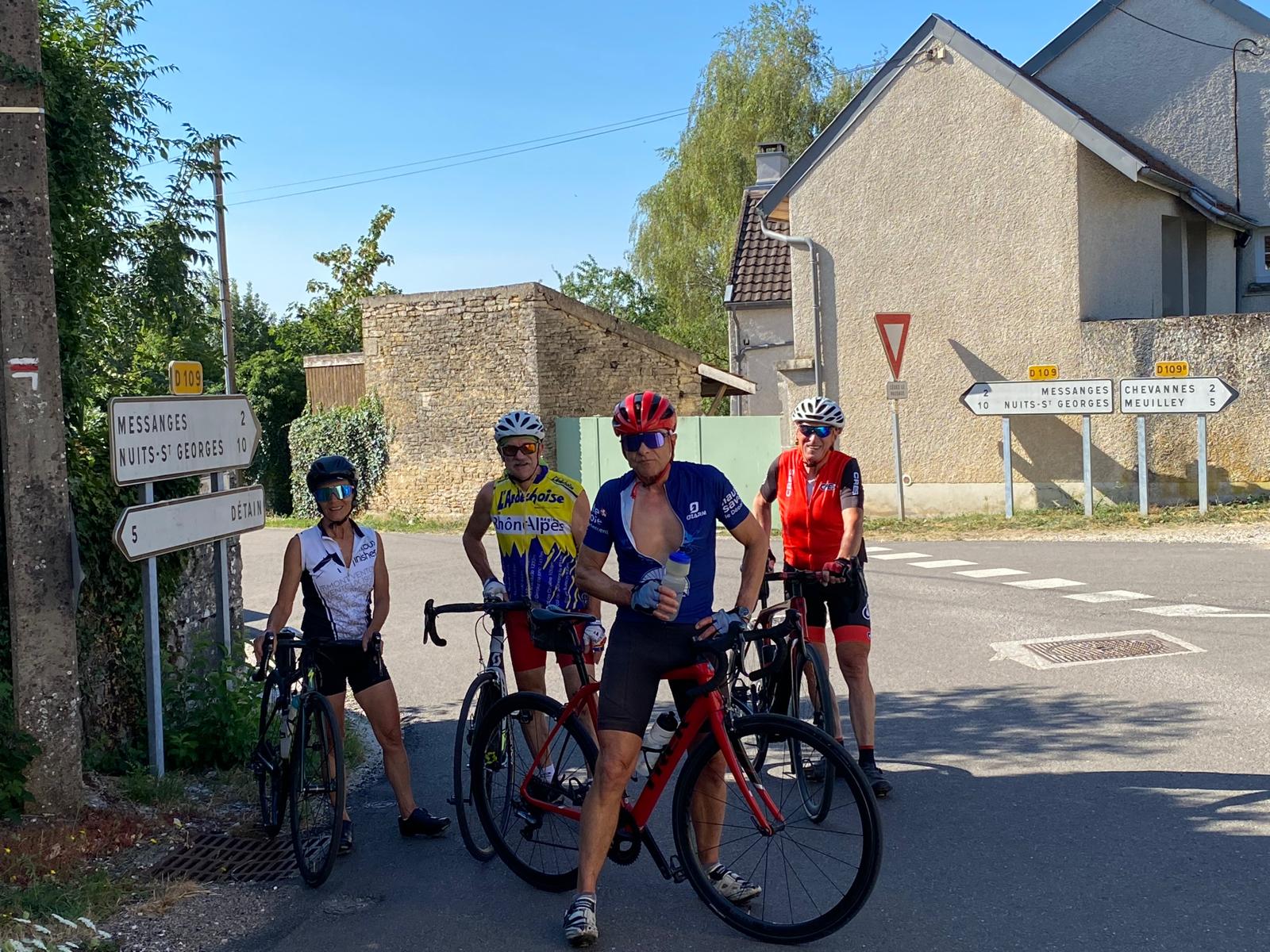
Fortunately, the sunflowers still appear to enjoy the sun, and getting up early, I can still get a decent ride in in the morning before it gets too hot:
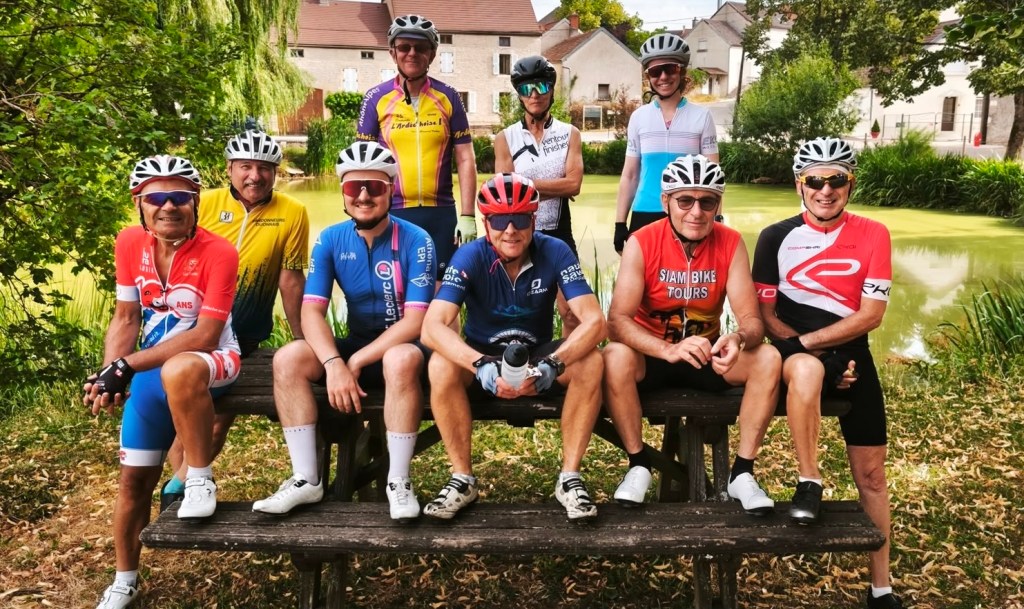
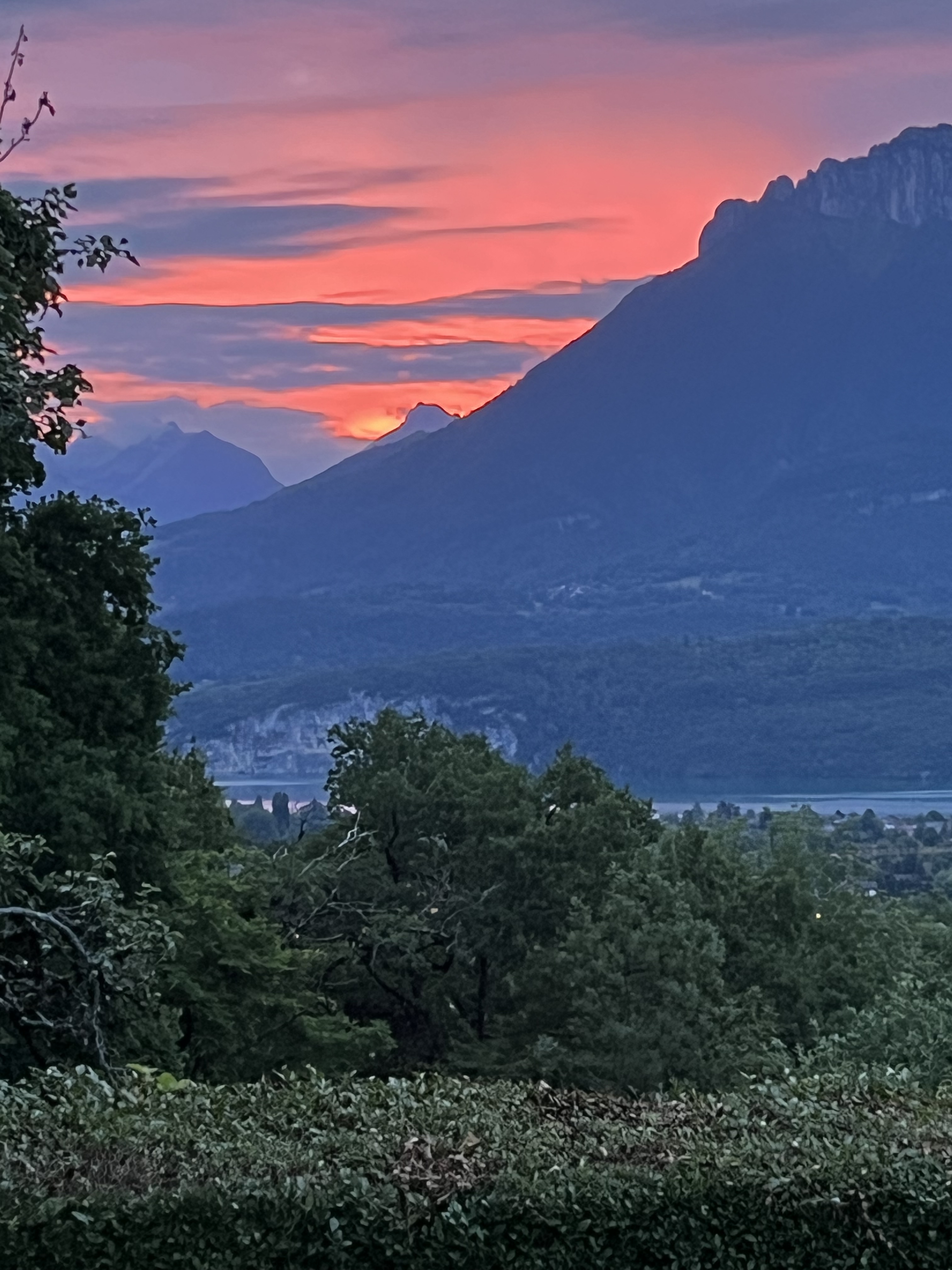
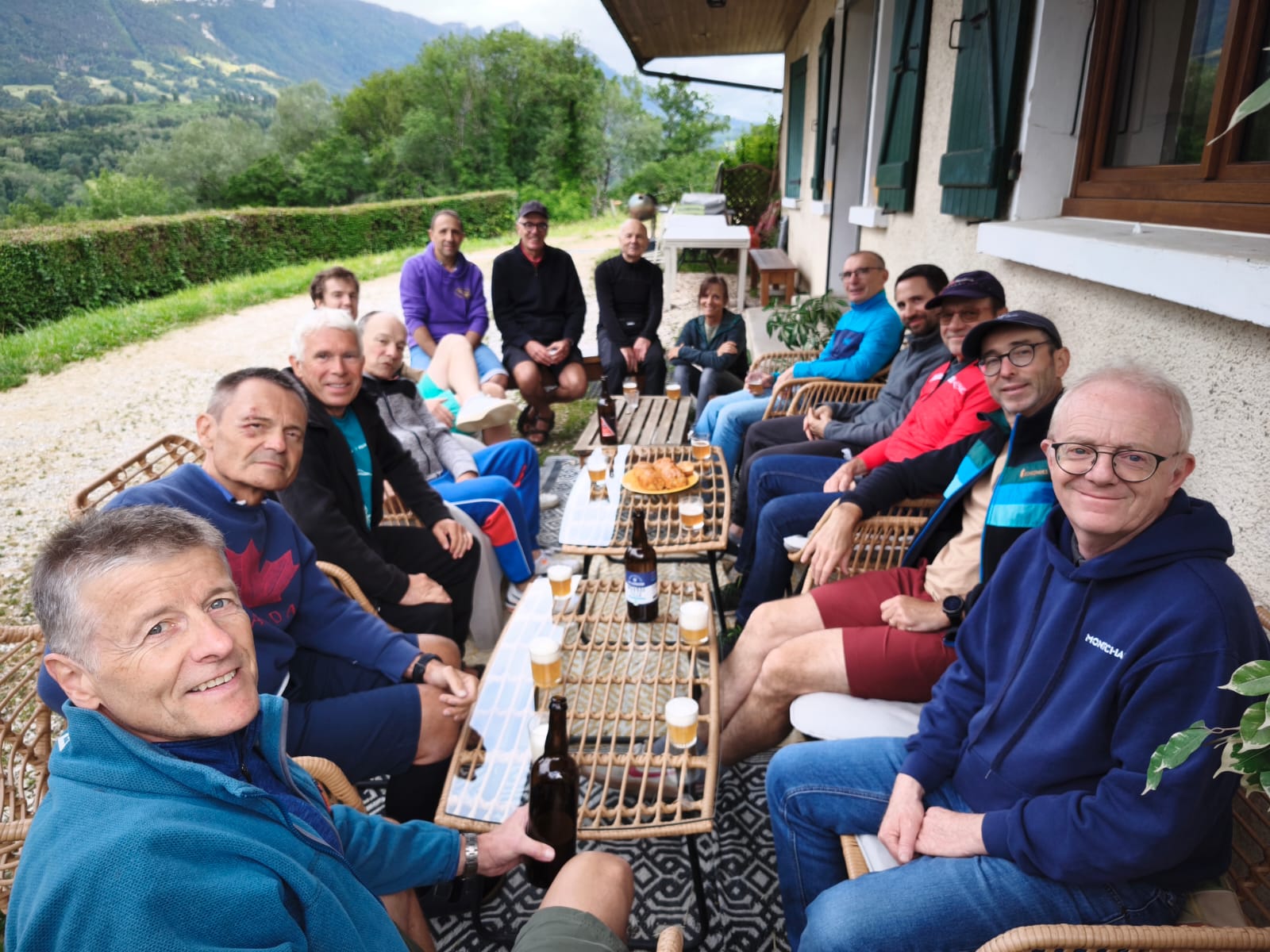
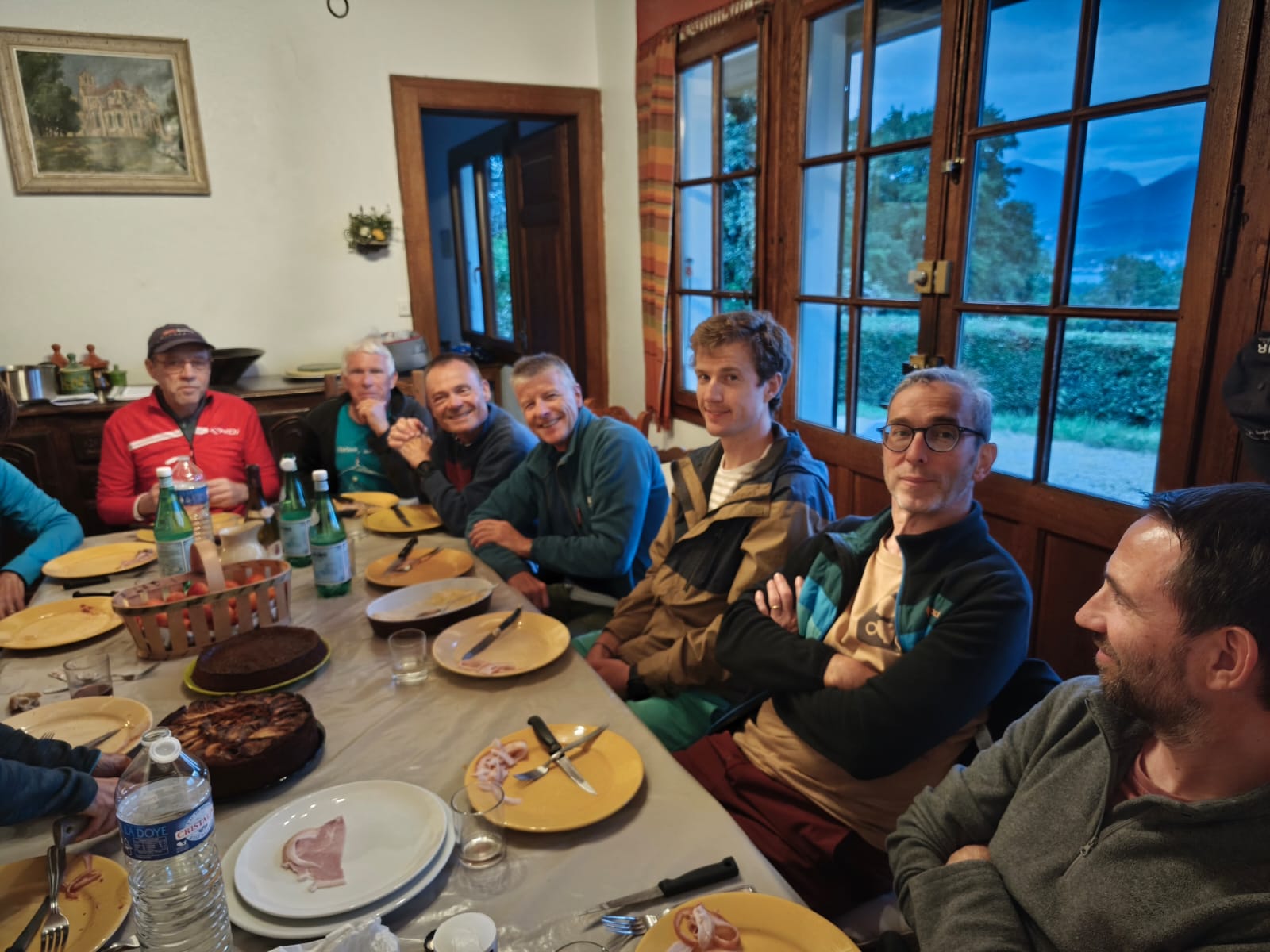
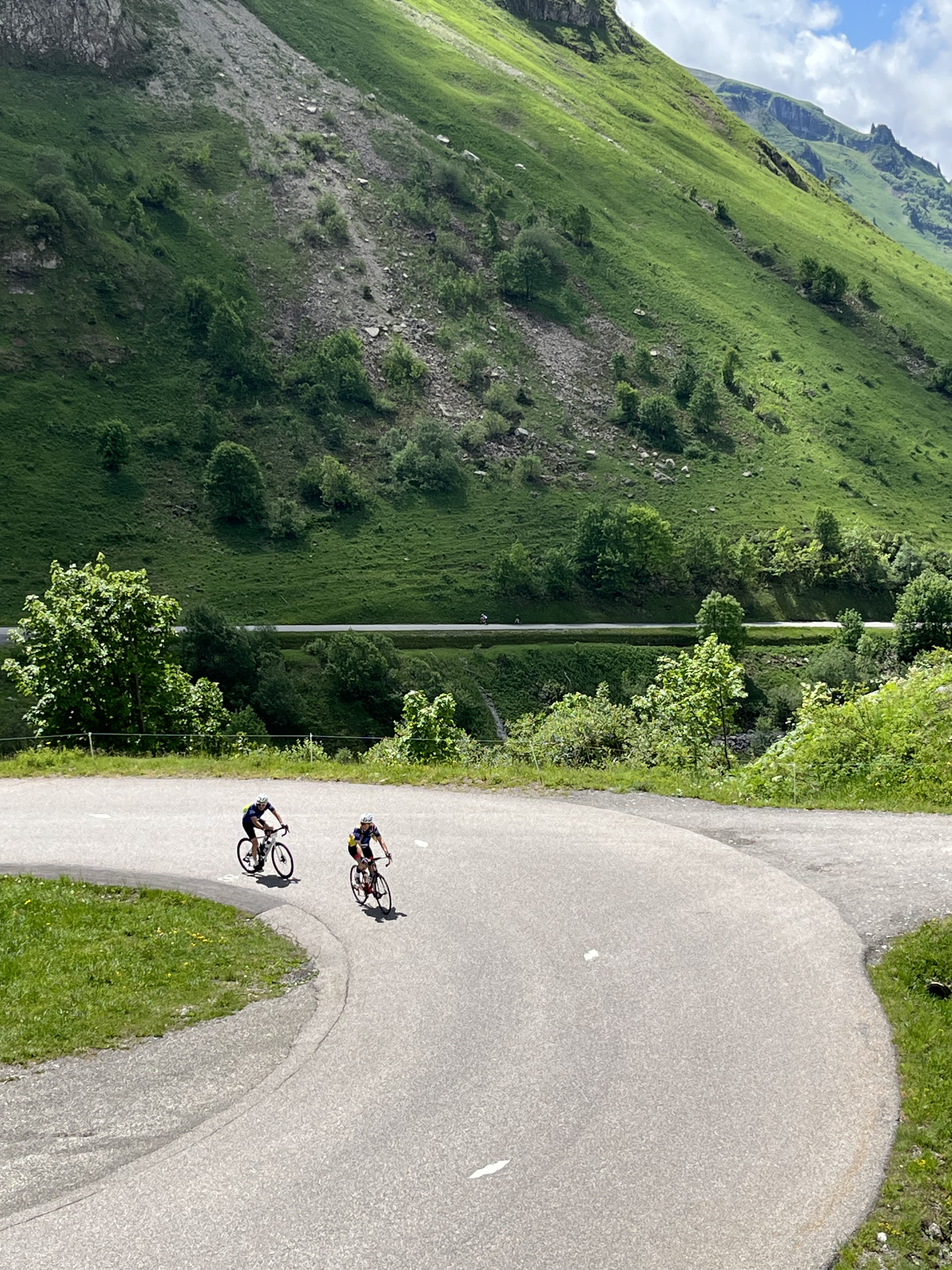
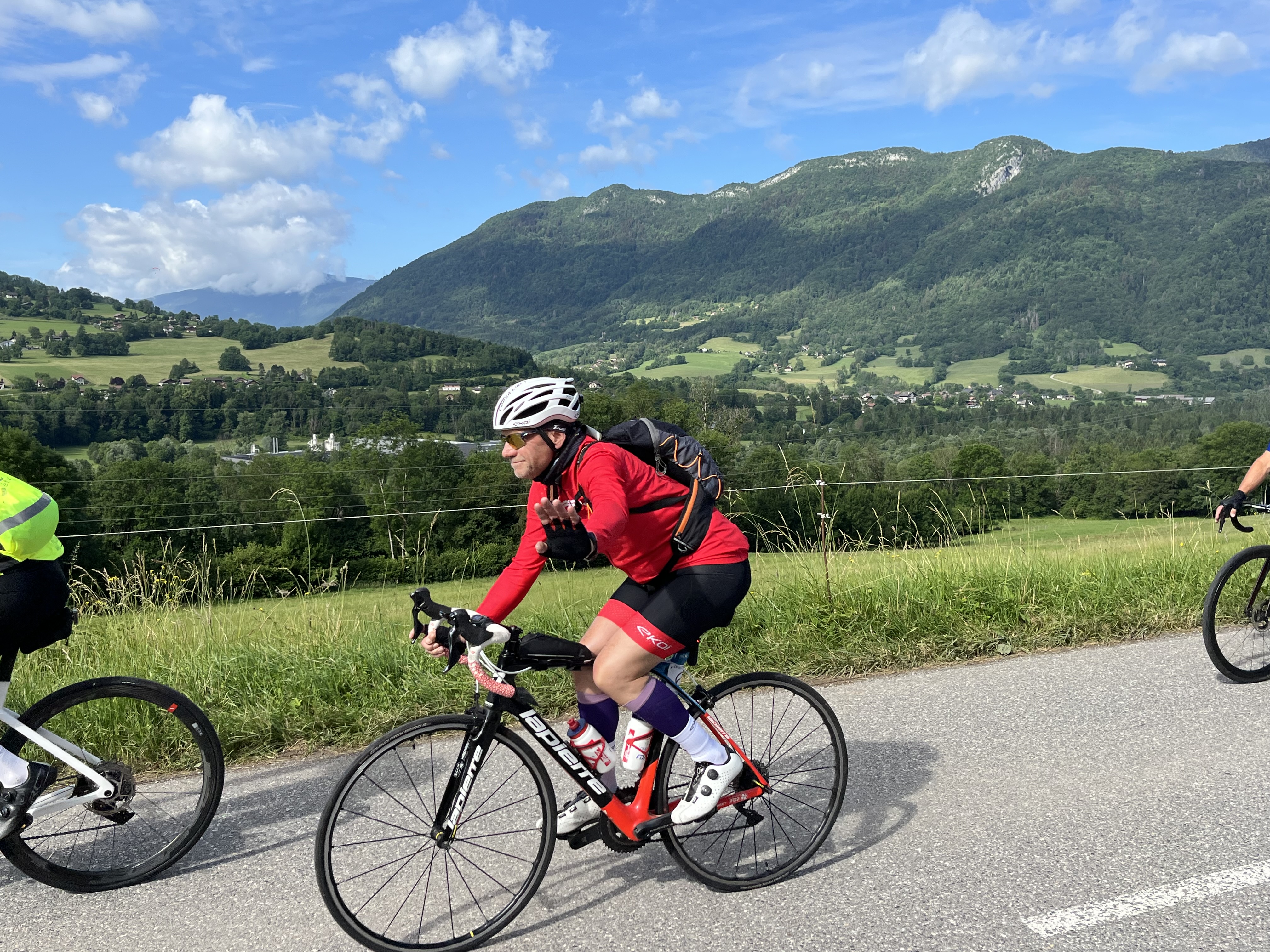
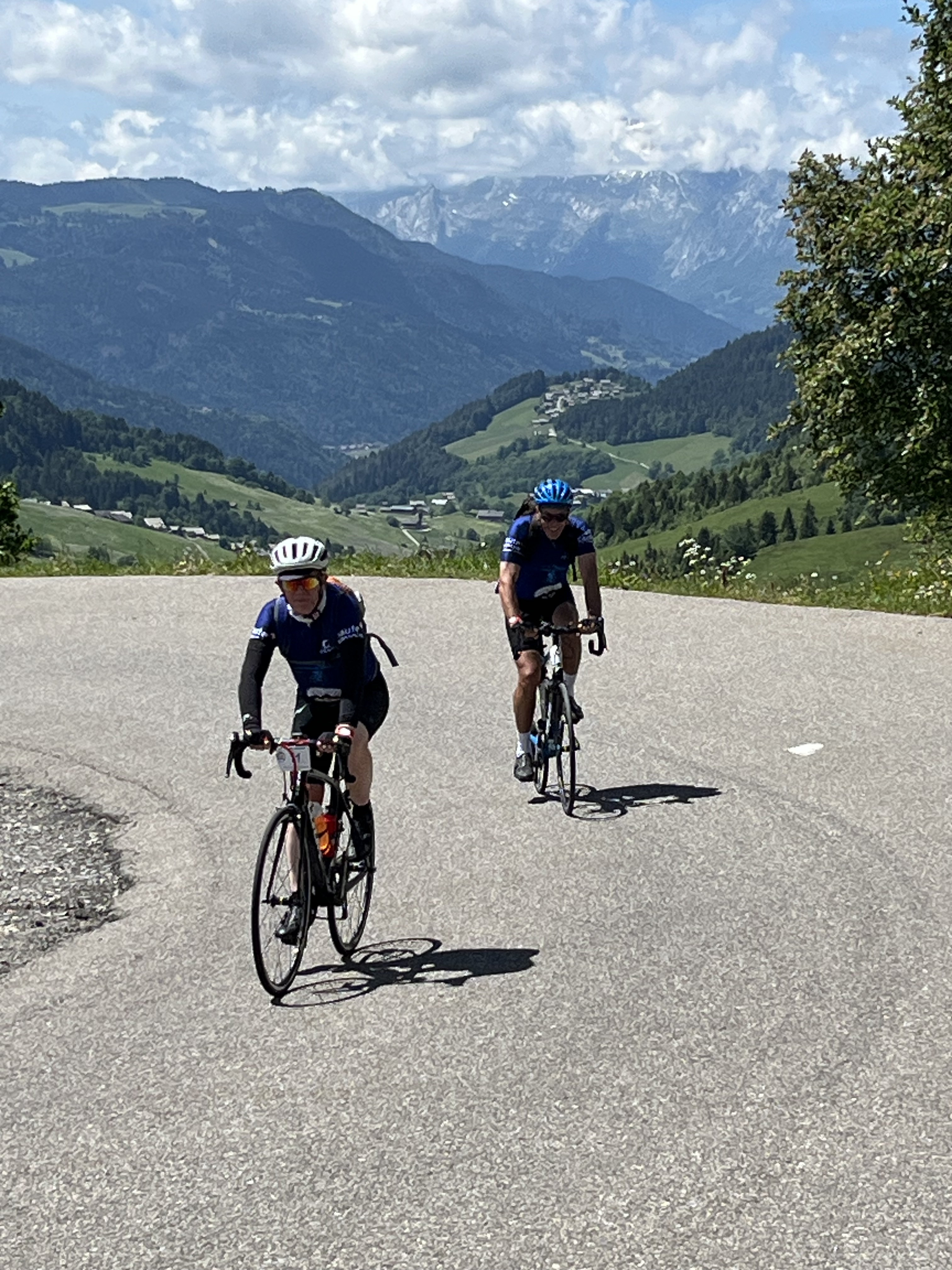
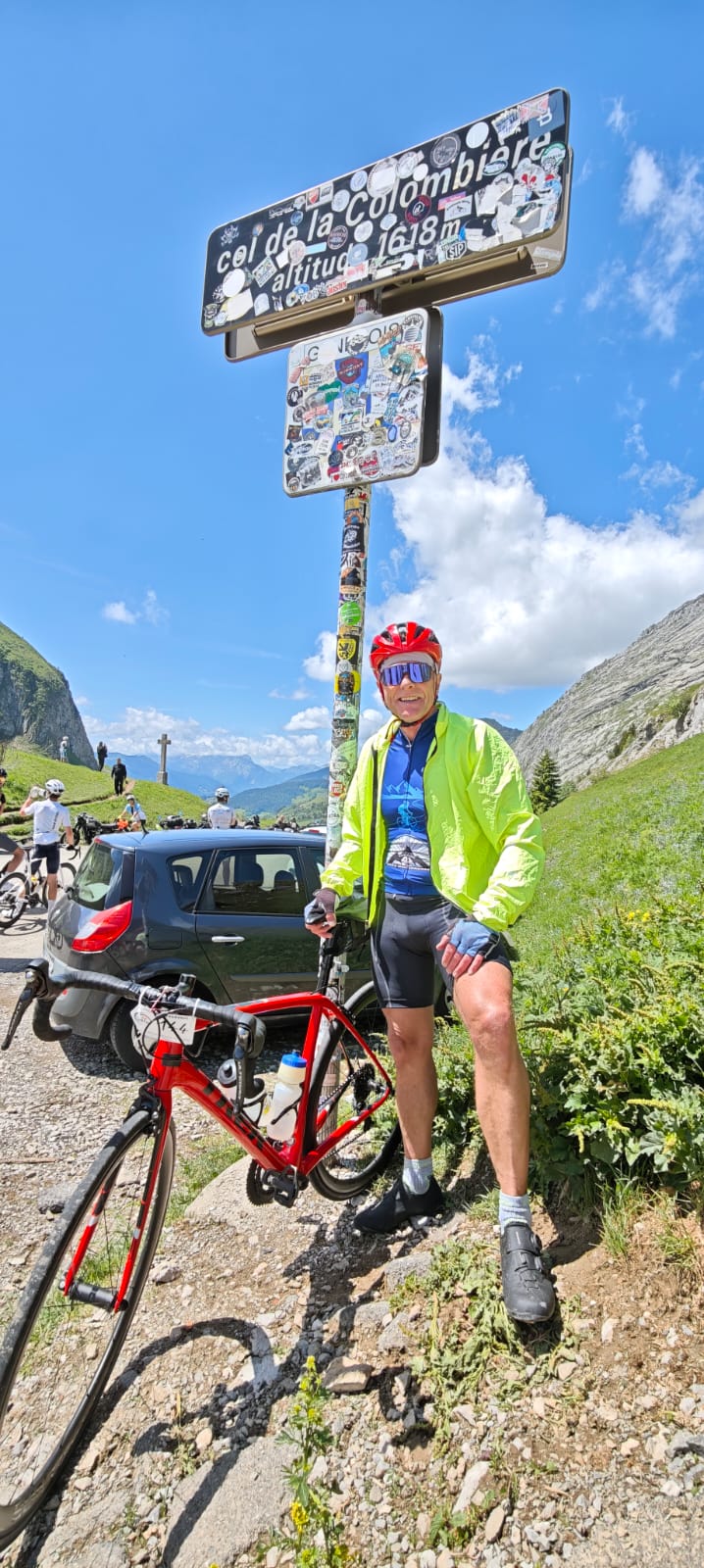
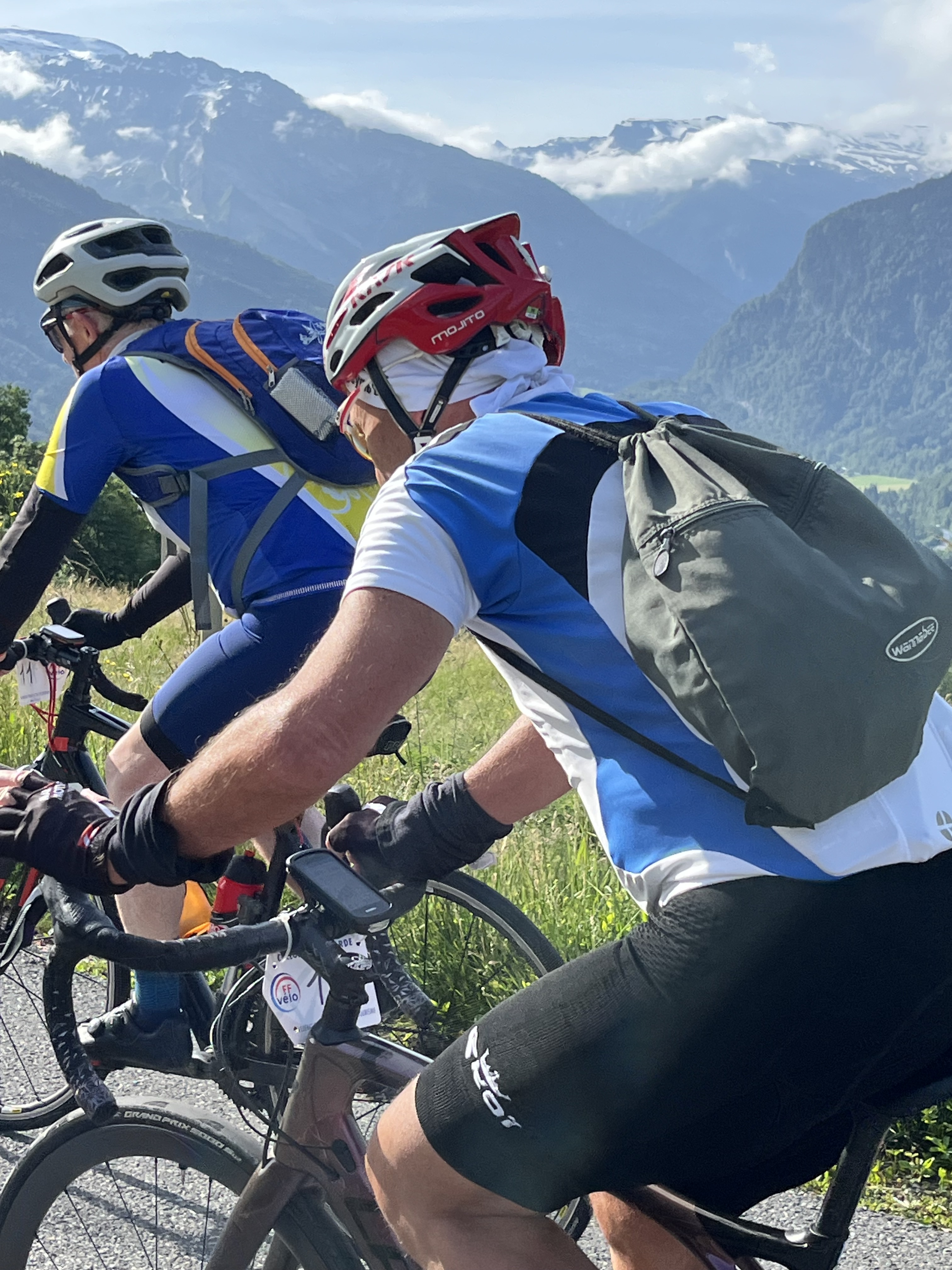
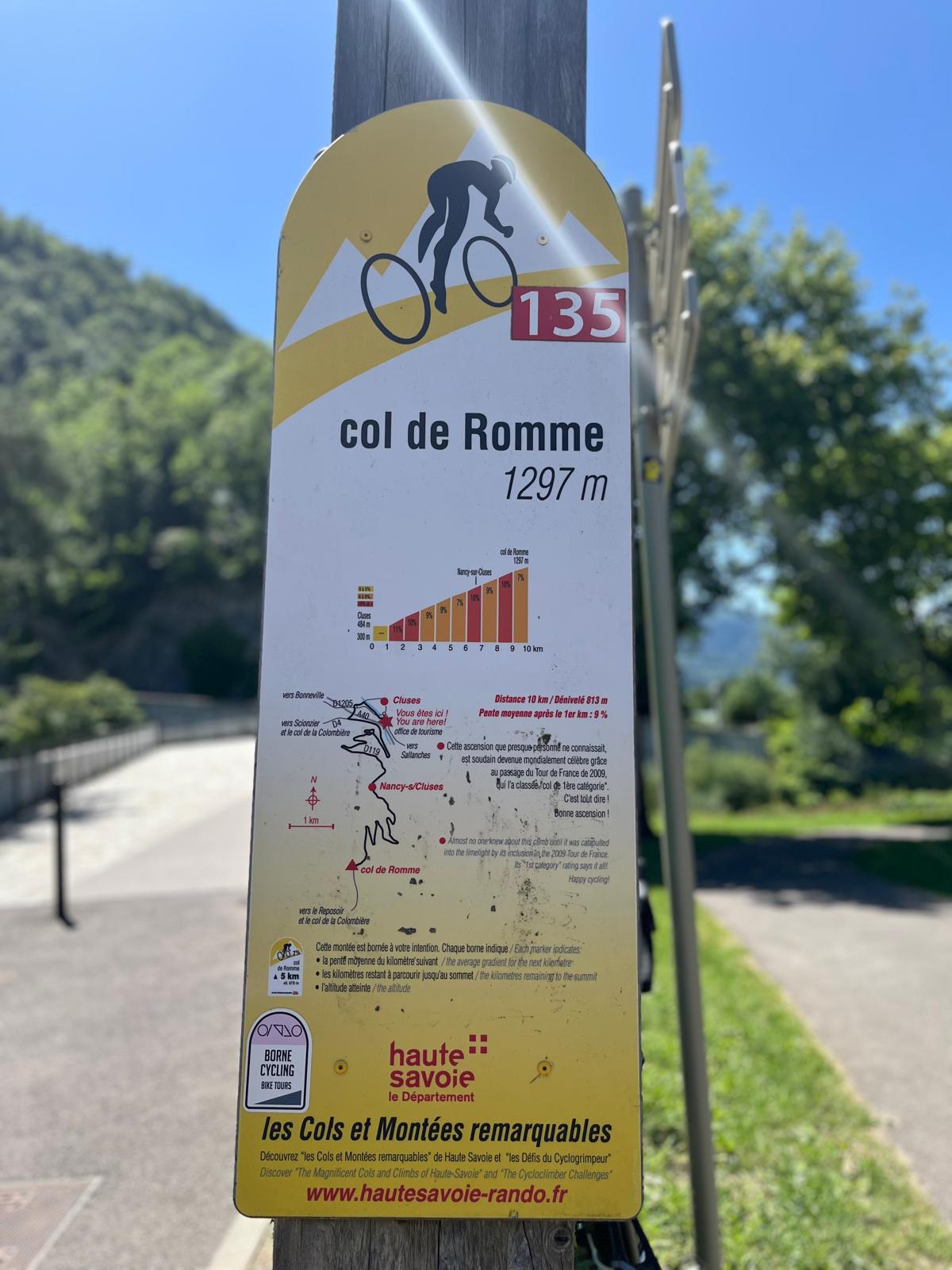
In June I had the chance to participate in a two day bike ride in the French Alps/Haute Savoie, with my local riding group. The ride featured a total of 150 miles and 18,000′ in elevation gain. The event, including lodging, transportation etc was very well organized and we lucked out with picture perfect weather. Here, the sunrise over Lac Annecy:
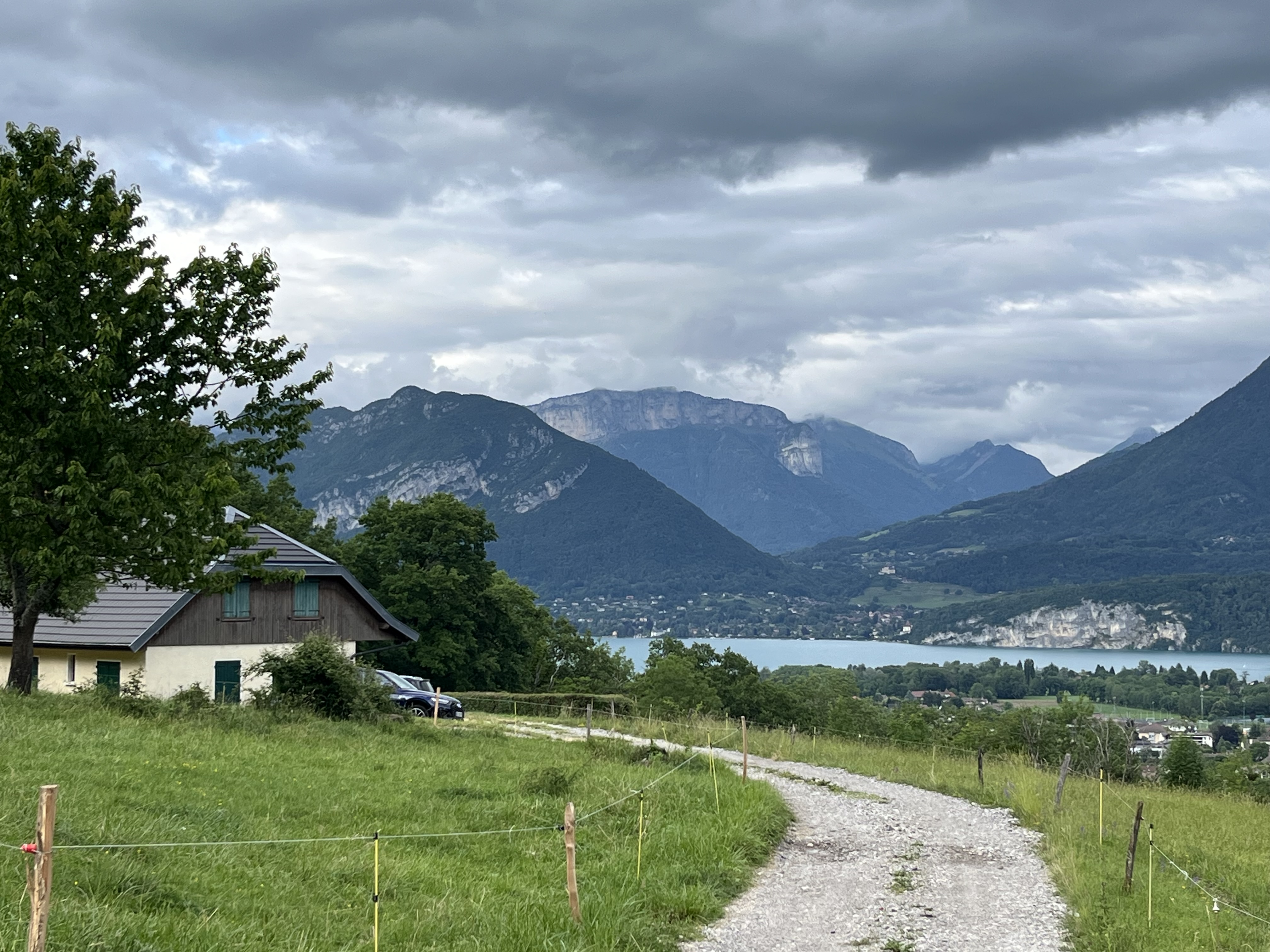
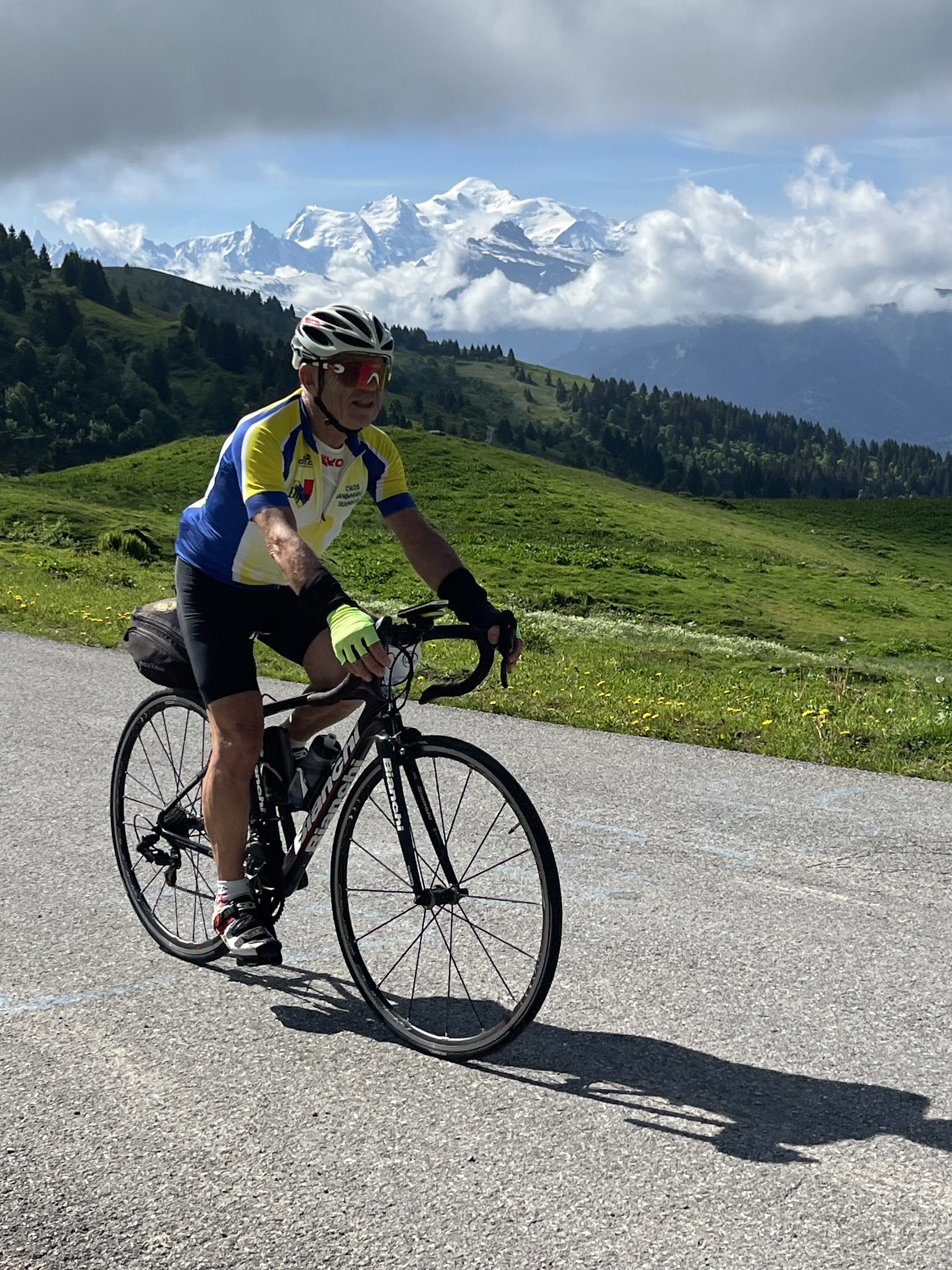
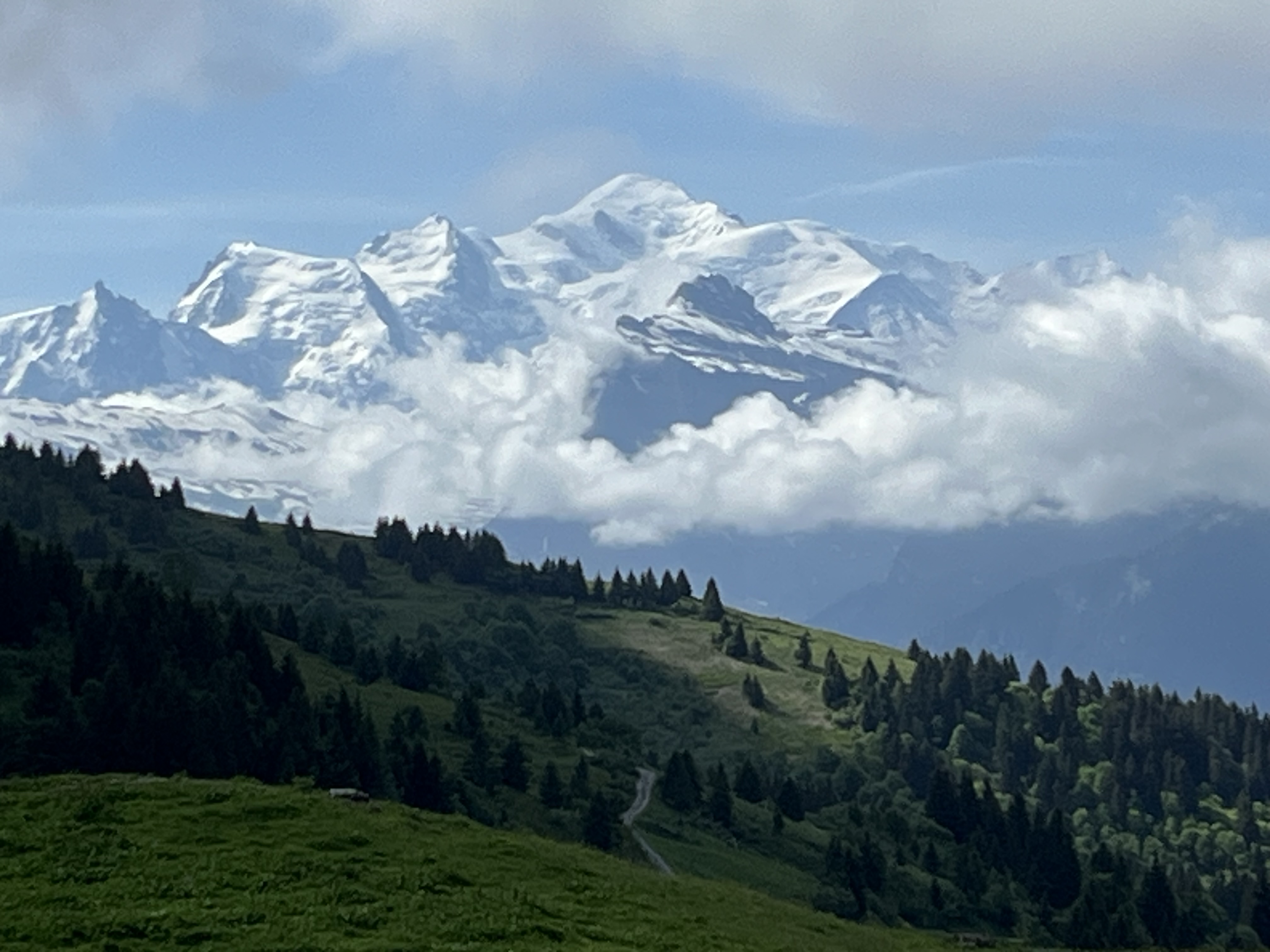
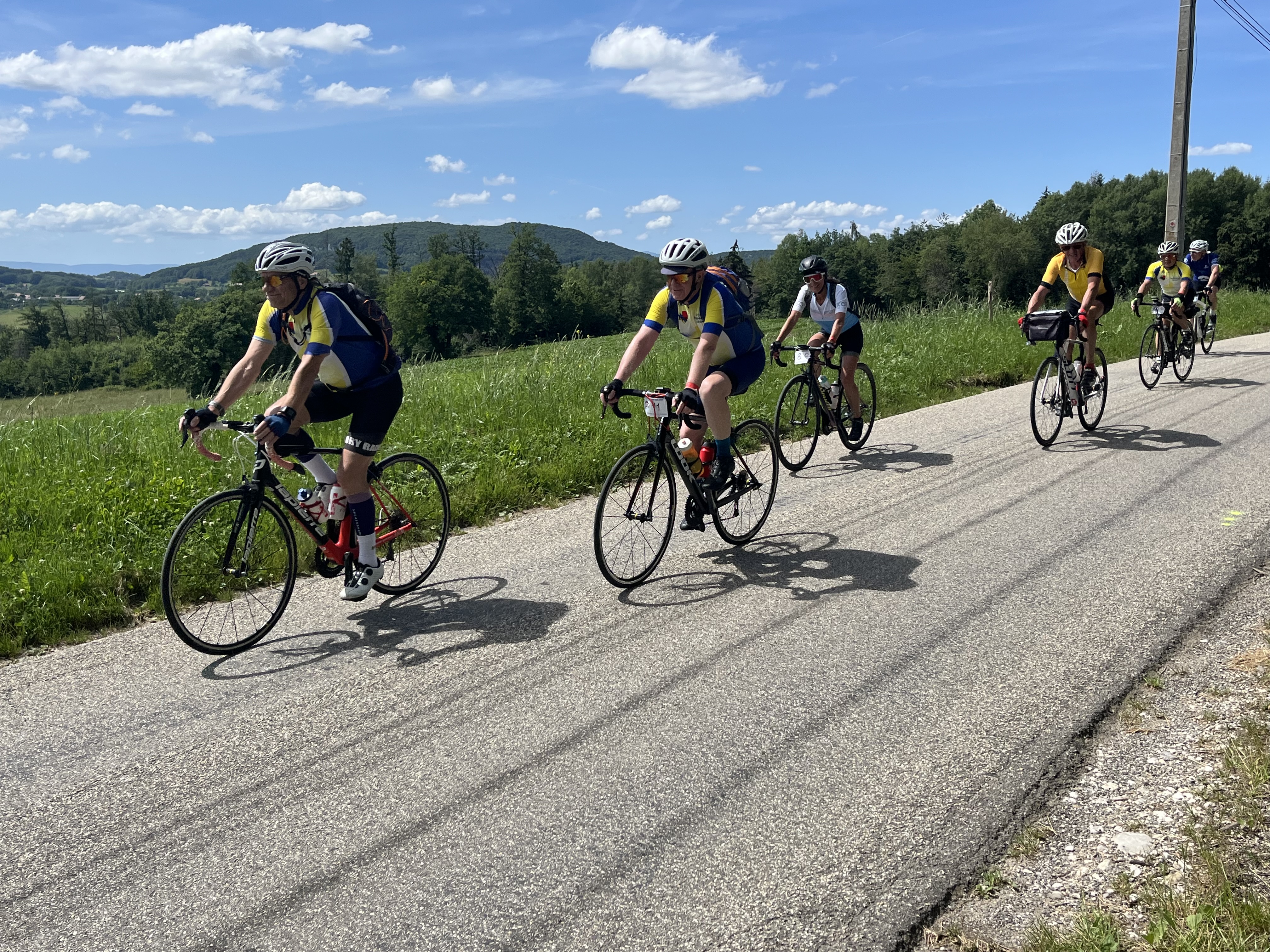
Above, Mount Blanc, the Alps highest peak, in the distance.
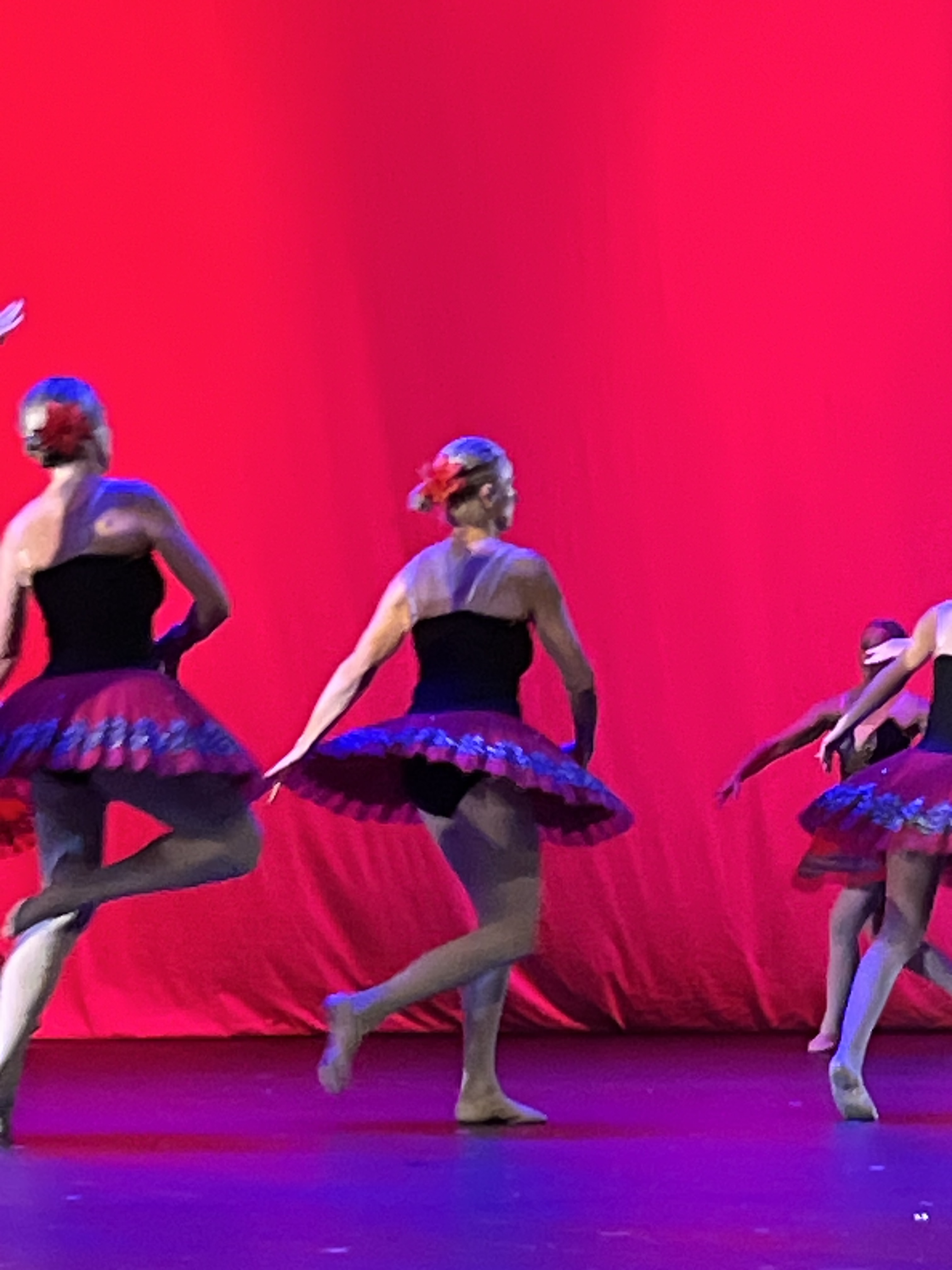
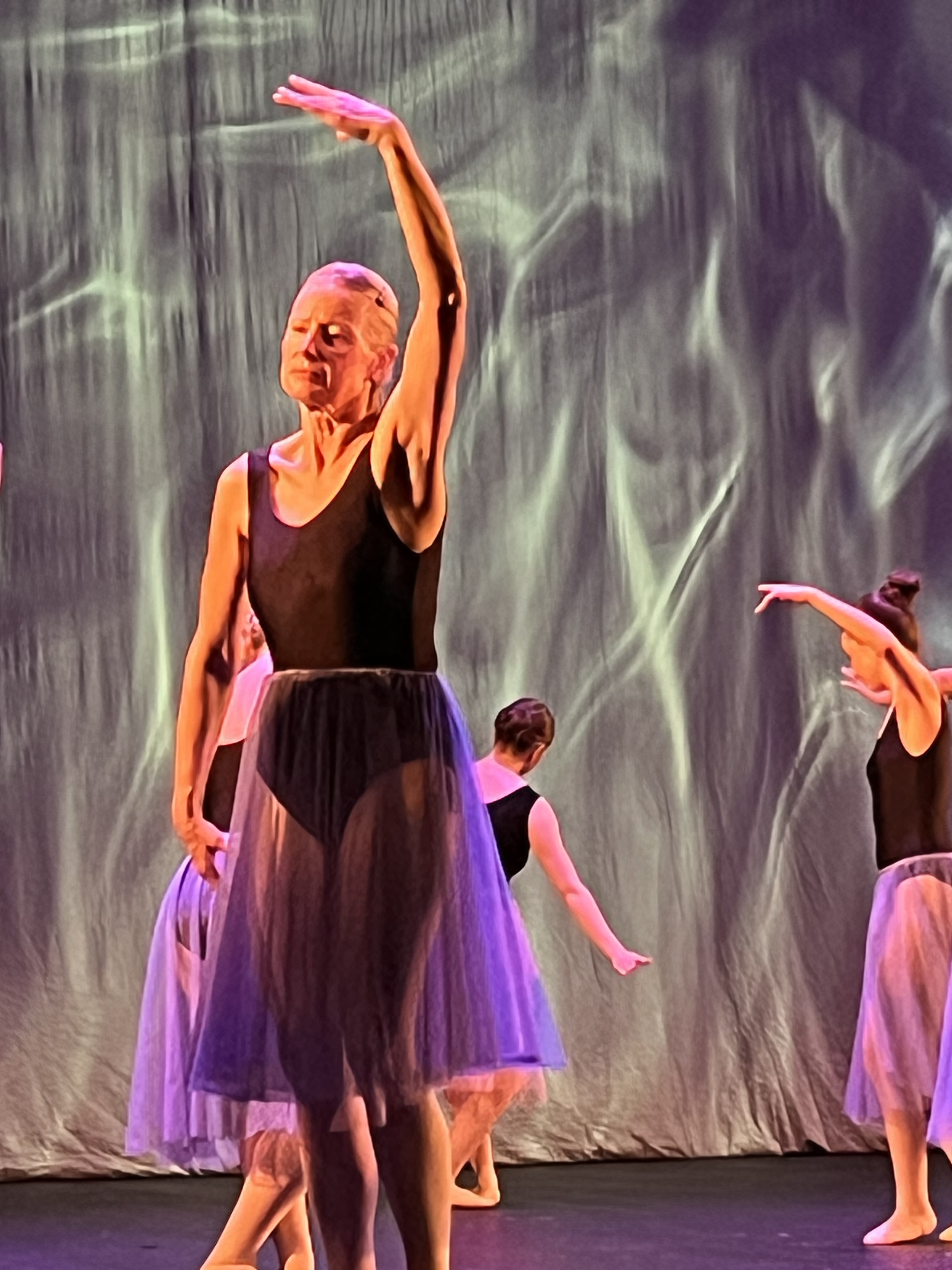
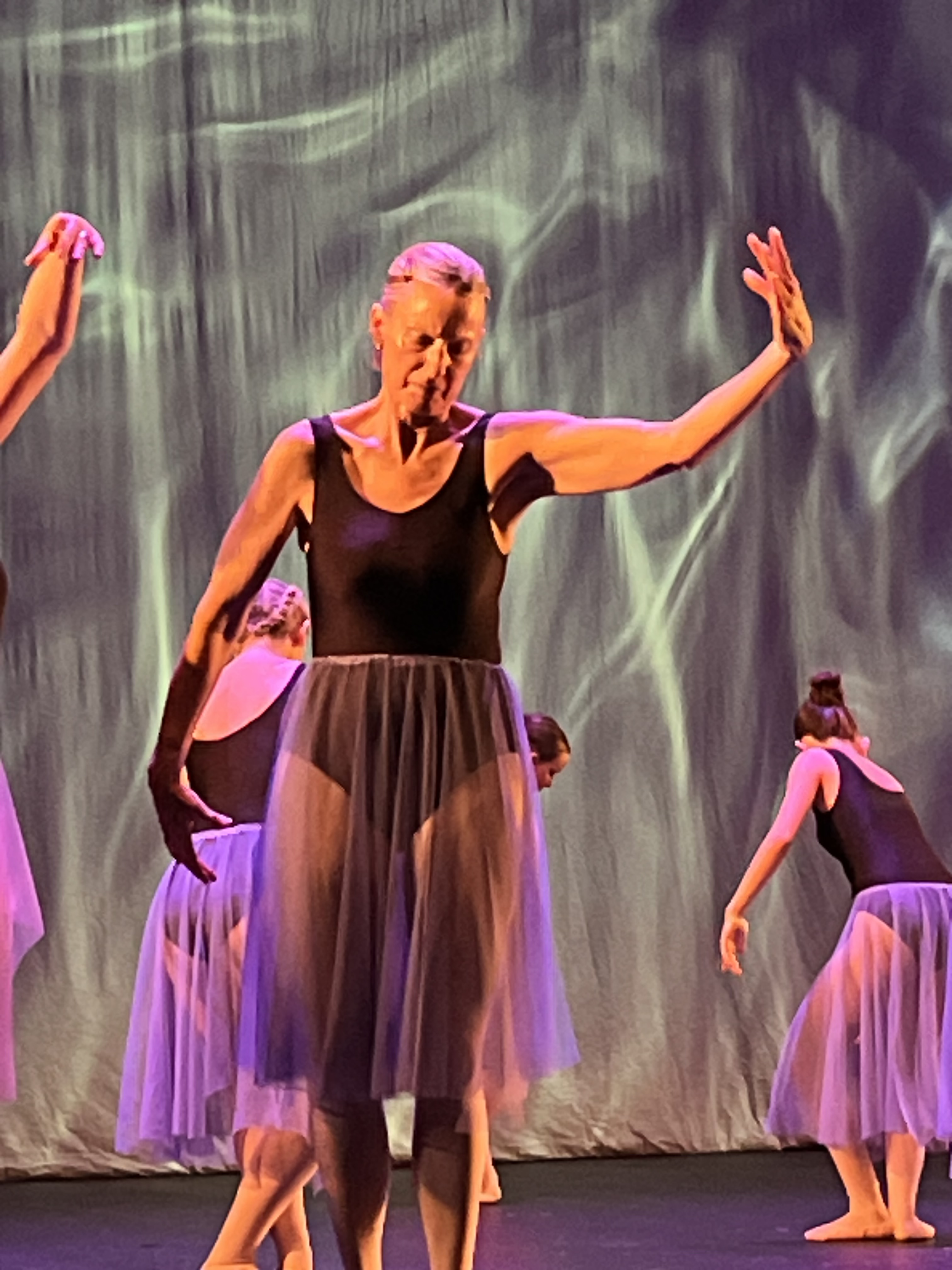
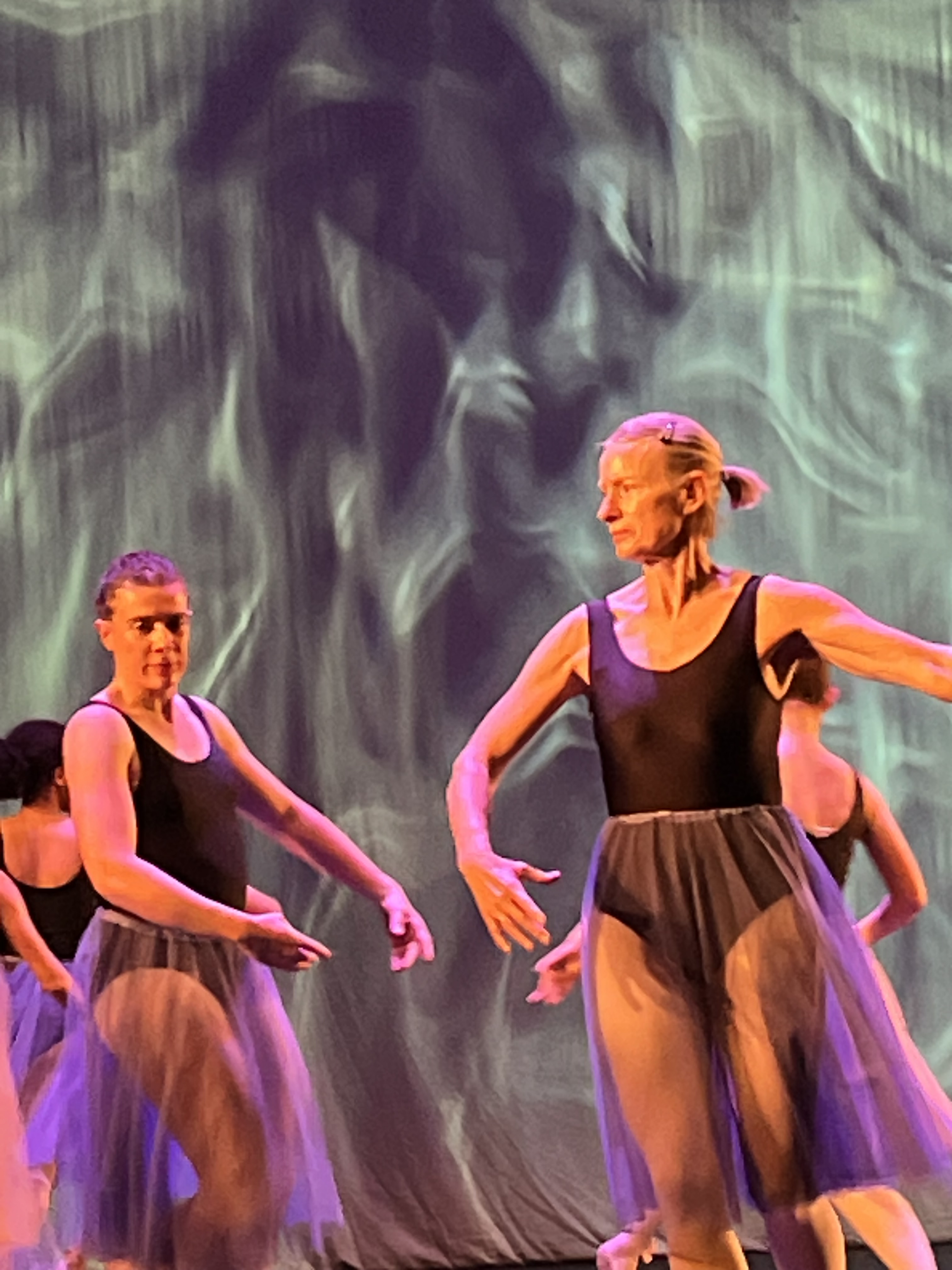
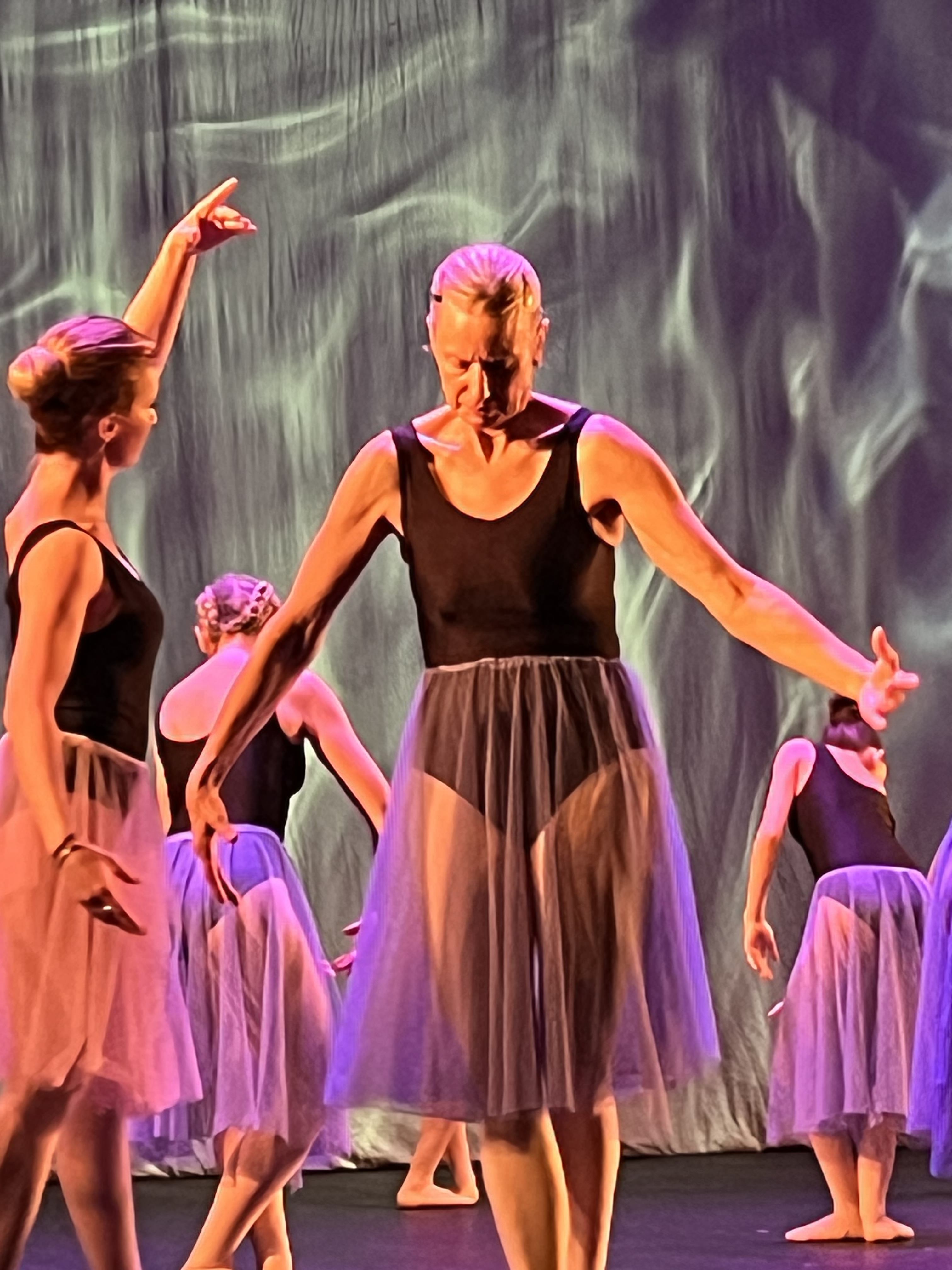
At the end of June Lauri had her big day: Two ballet performances in Dijon’s Palais de Congres in front of over 400 spectators. Like last year, Lauri, the most mature dancer on stage, was very anxious, yet danced gracefully and everything went very well! Fortunately, the hall was air-conditioned, as it was in the upper 90s outside that day.
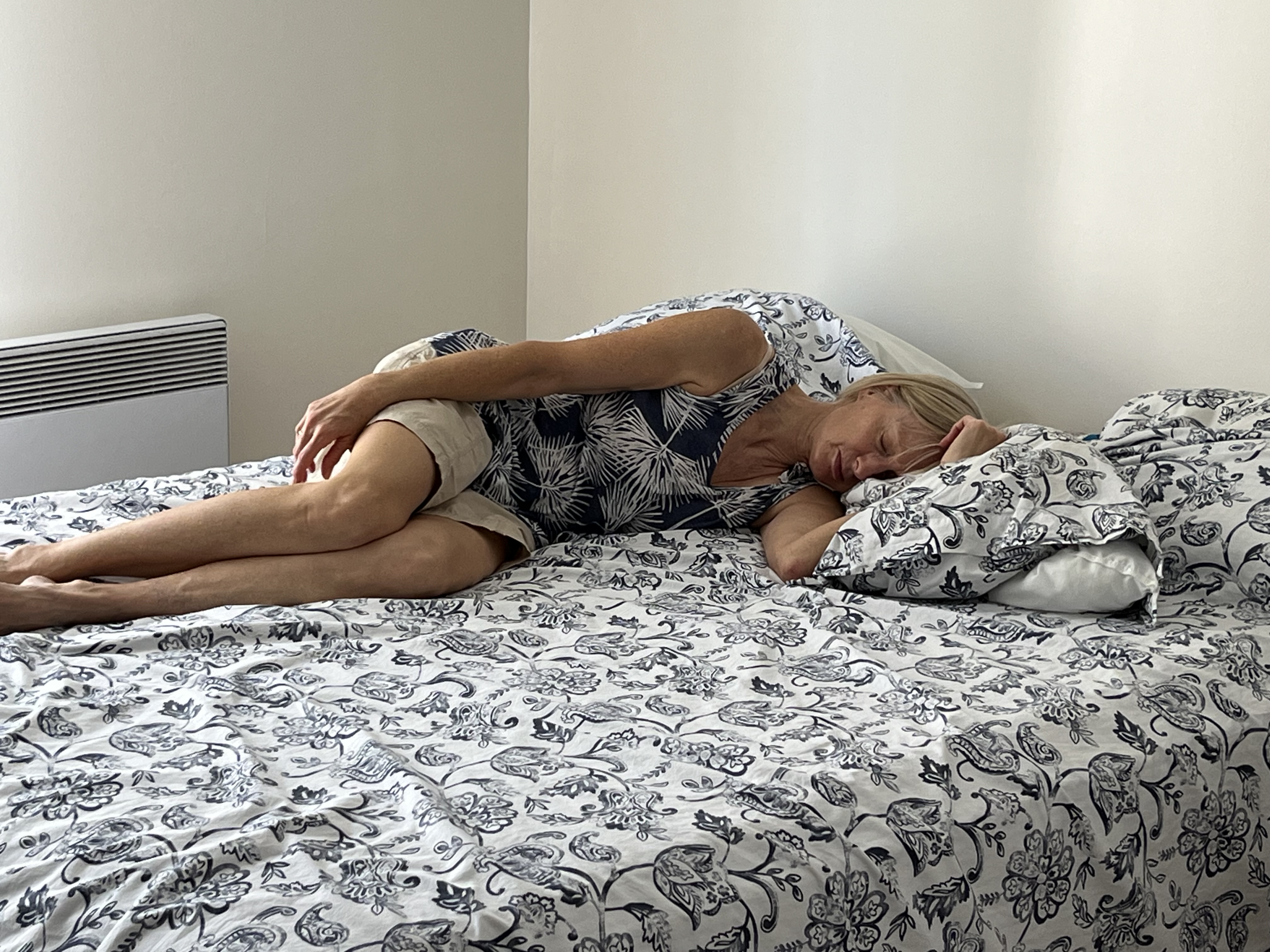
Back home the exhausted ballerina needed some extended rest:
Just a few days later we were off to meet up with our daughter Anna in Brussels, Belgium:
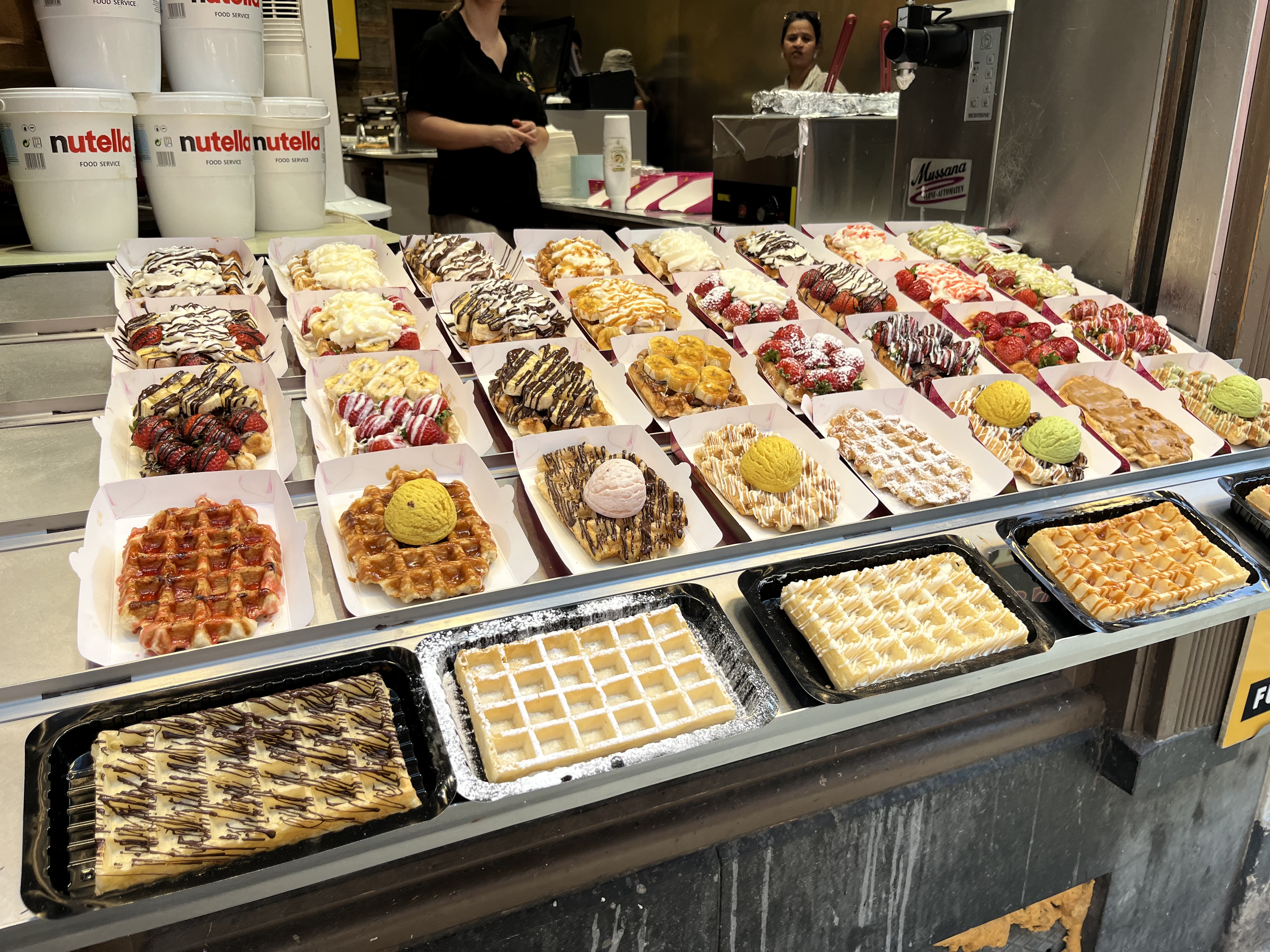
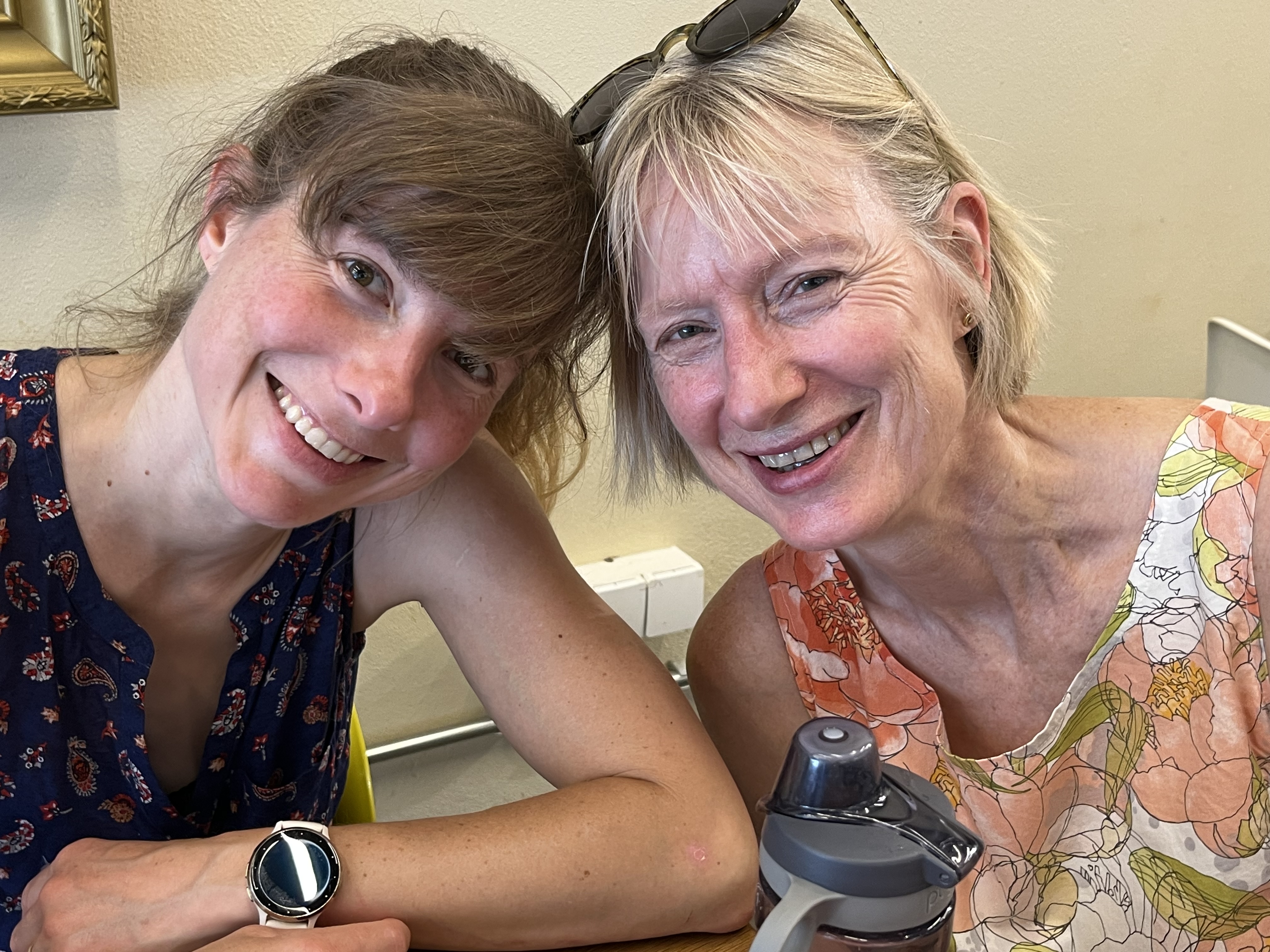
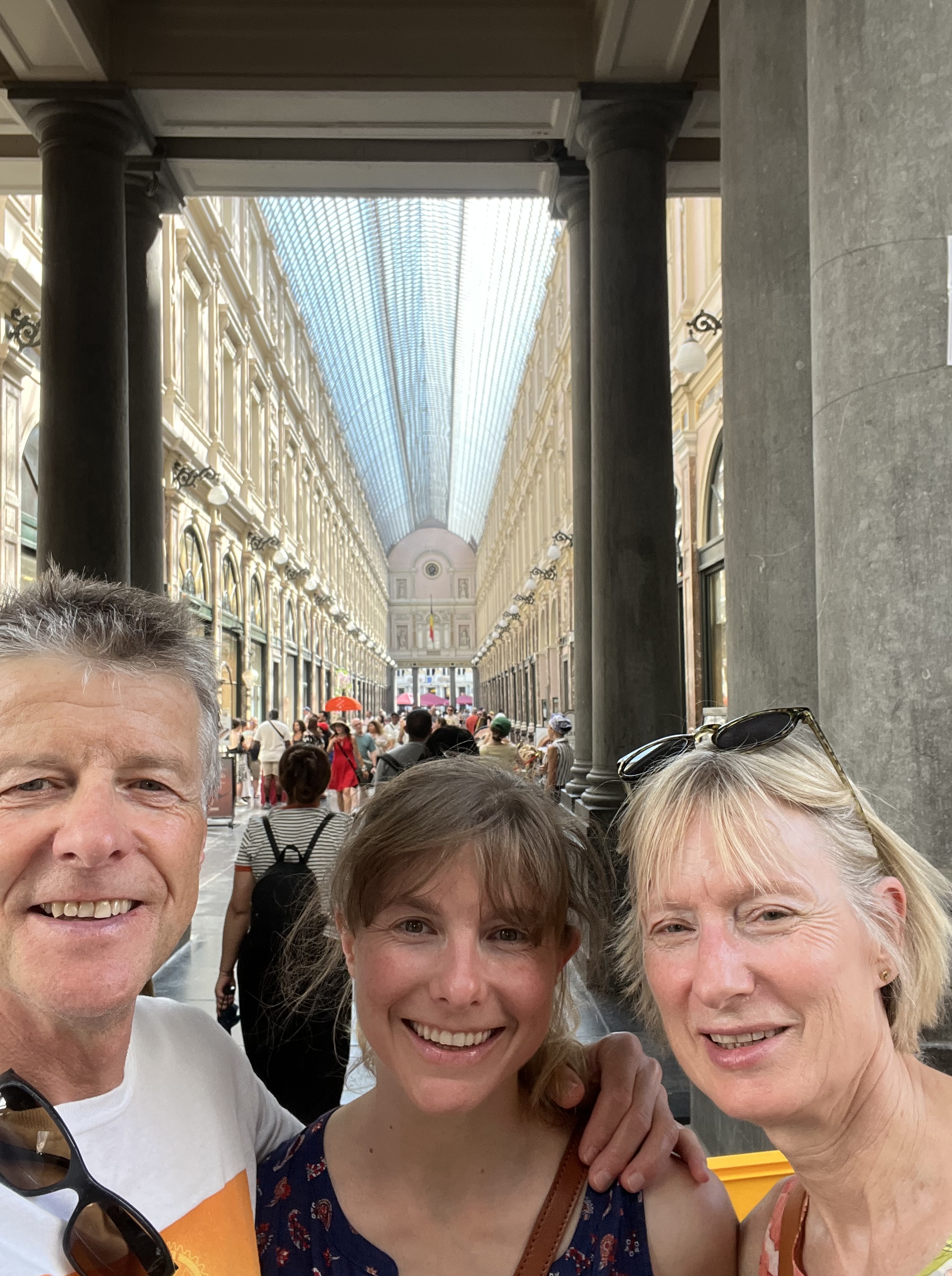
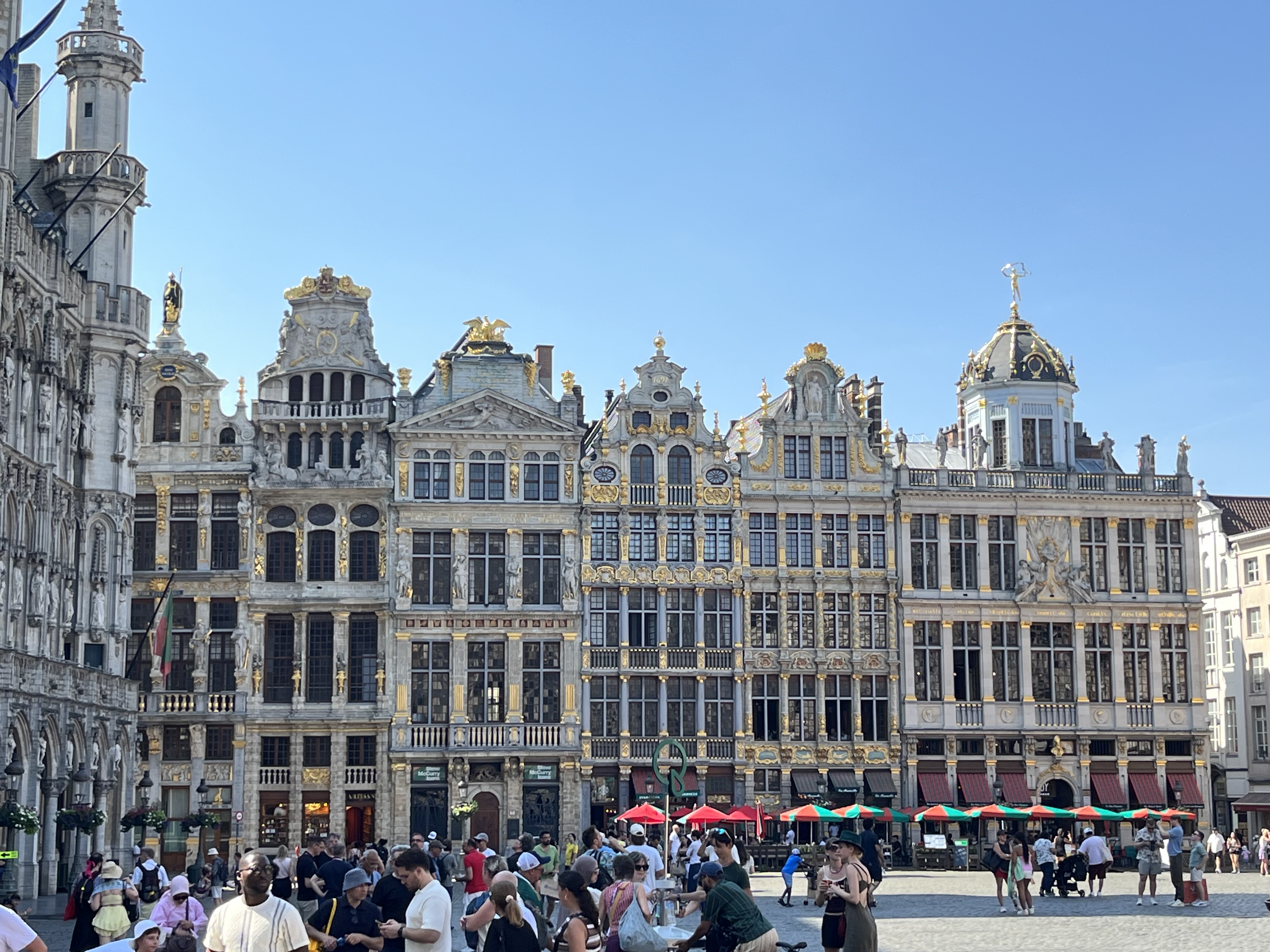
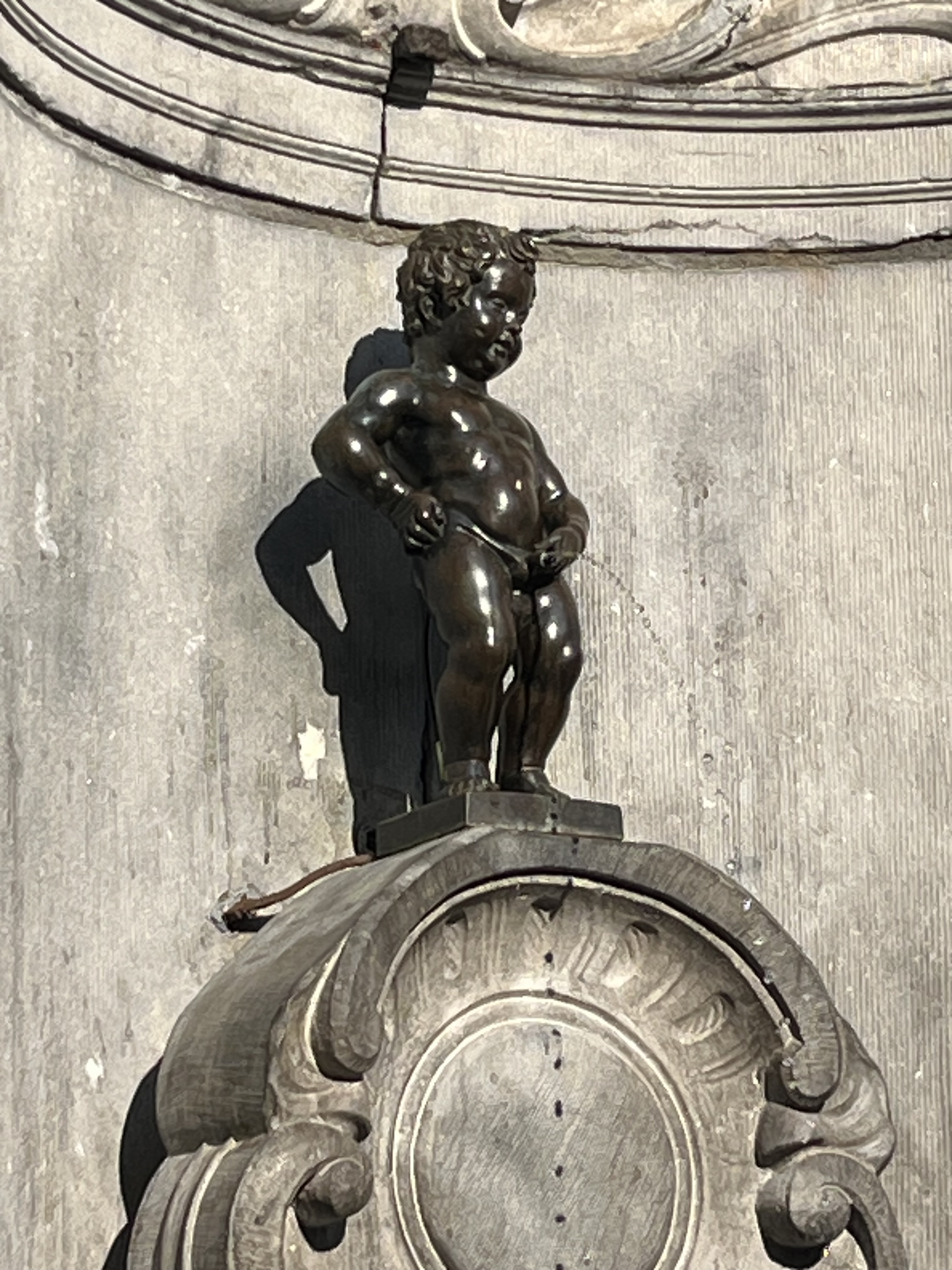
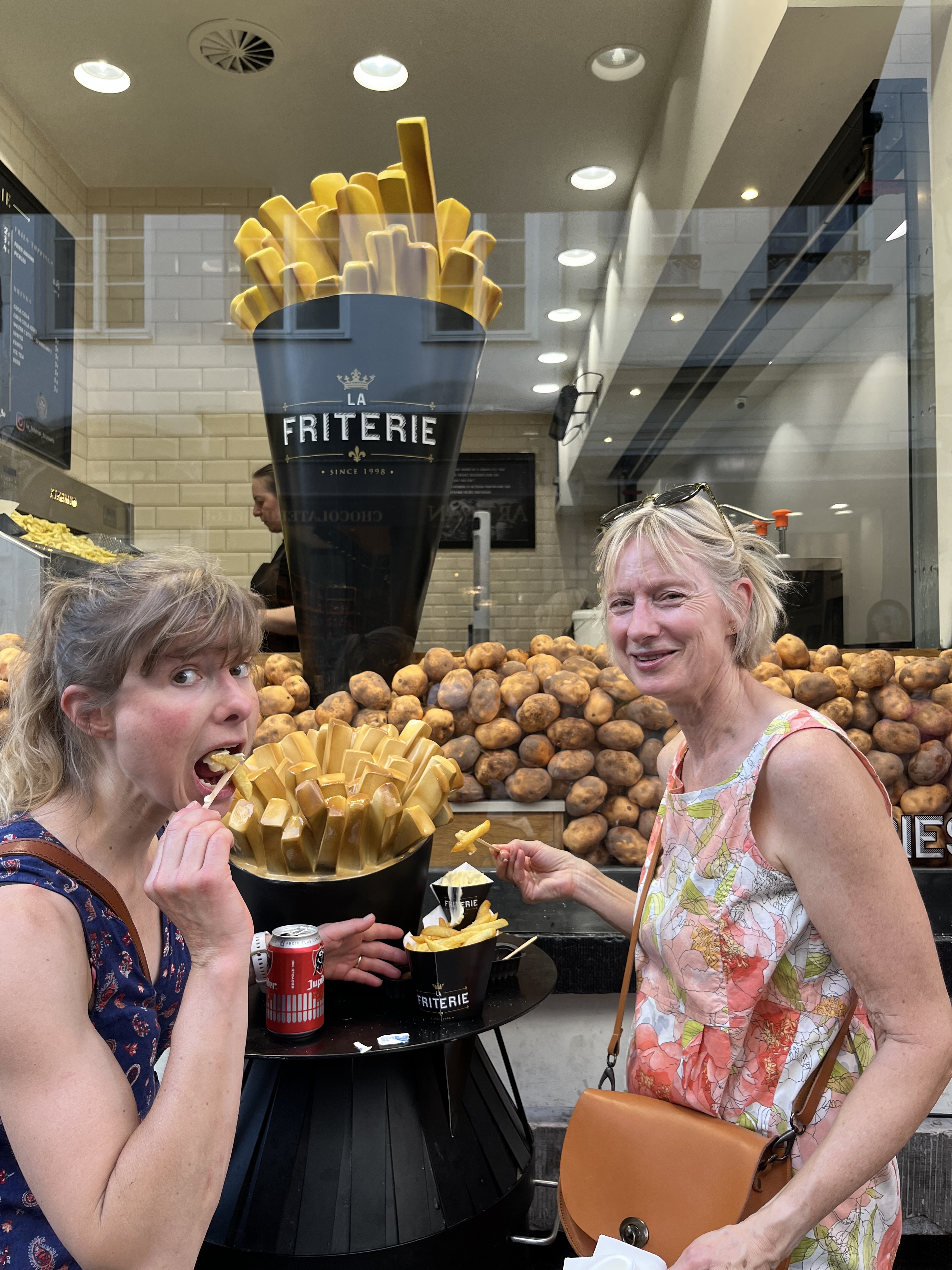
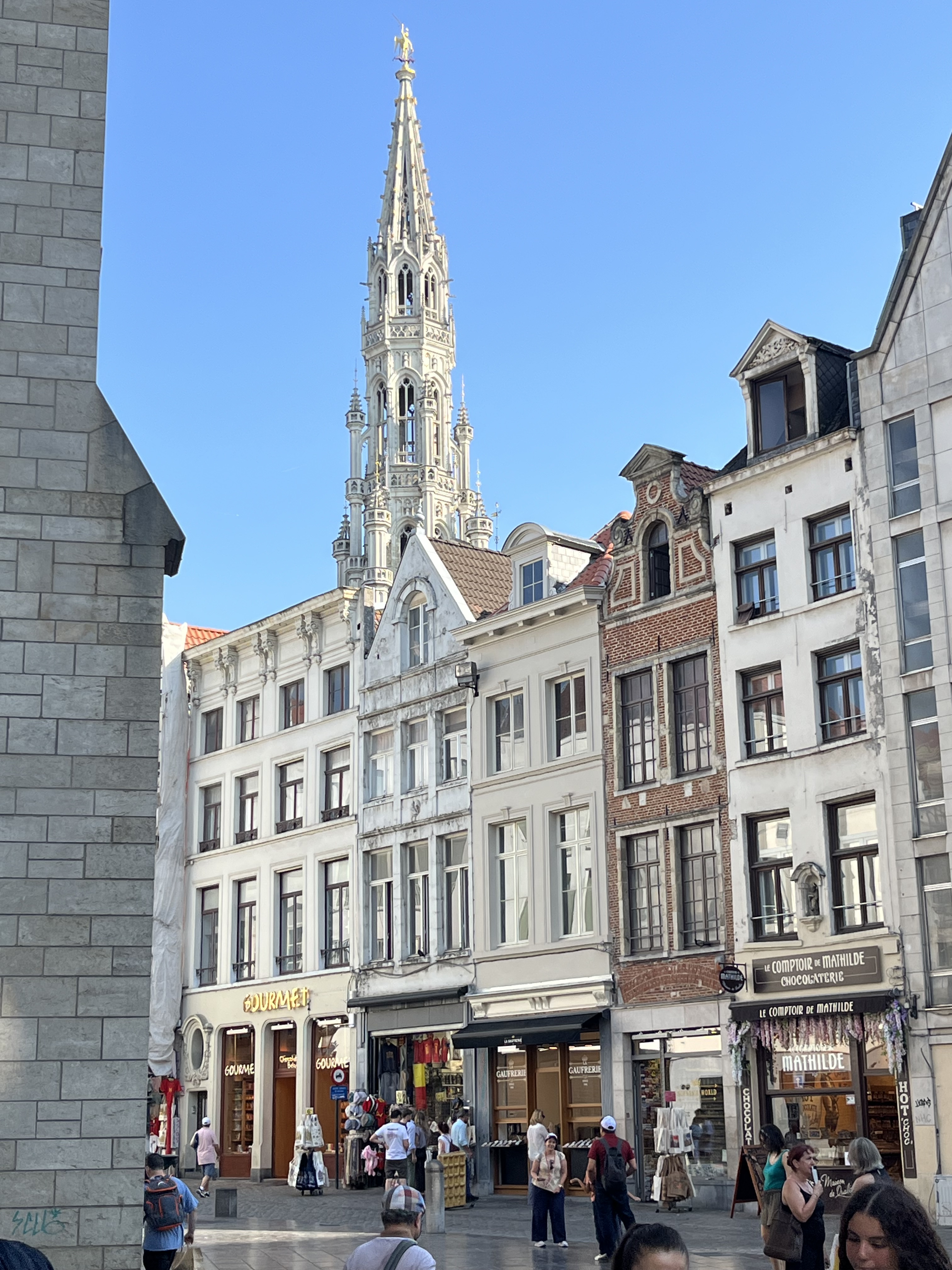
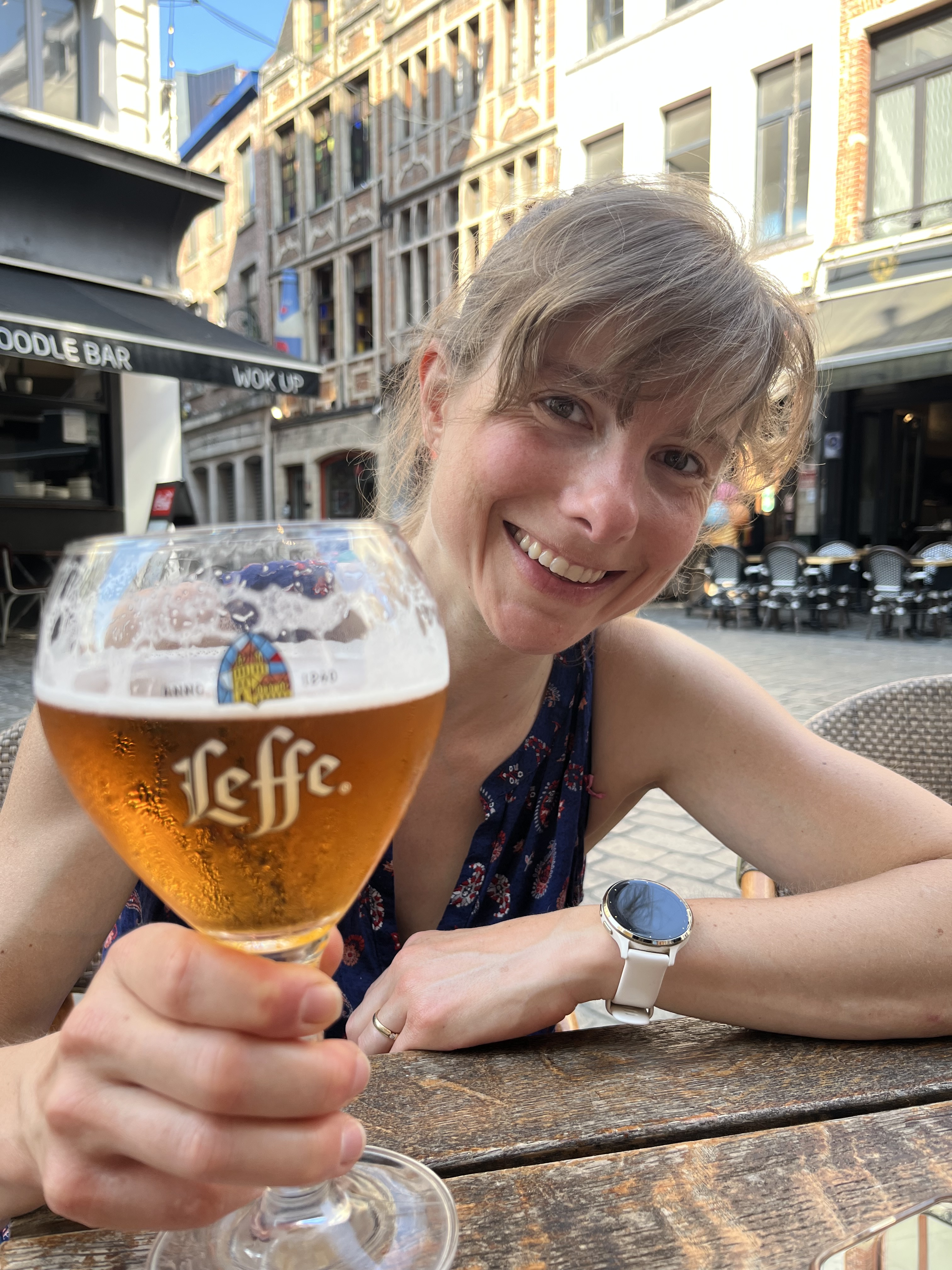
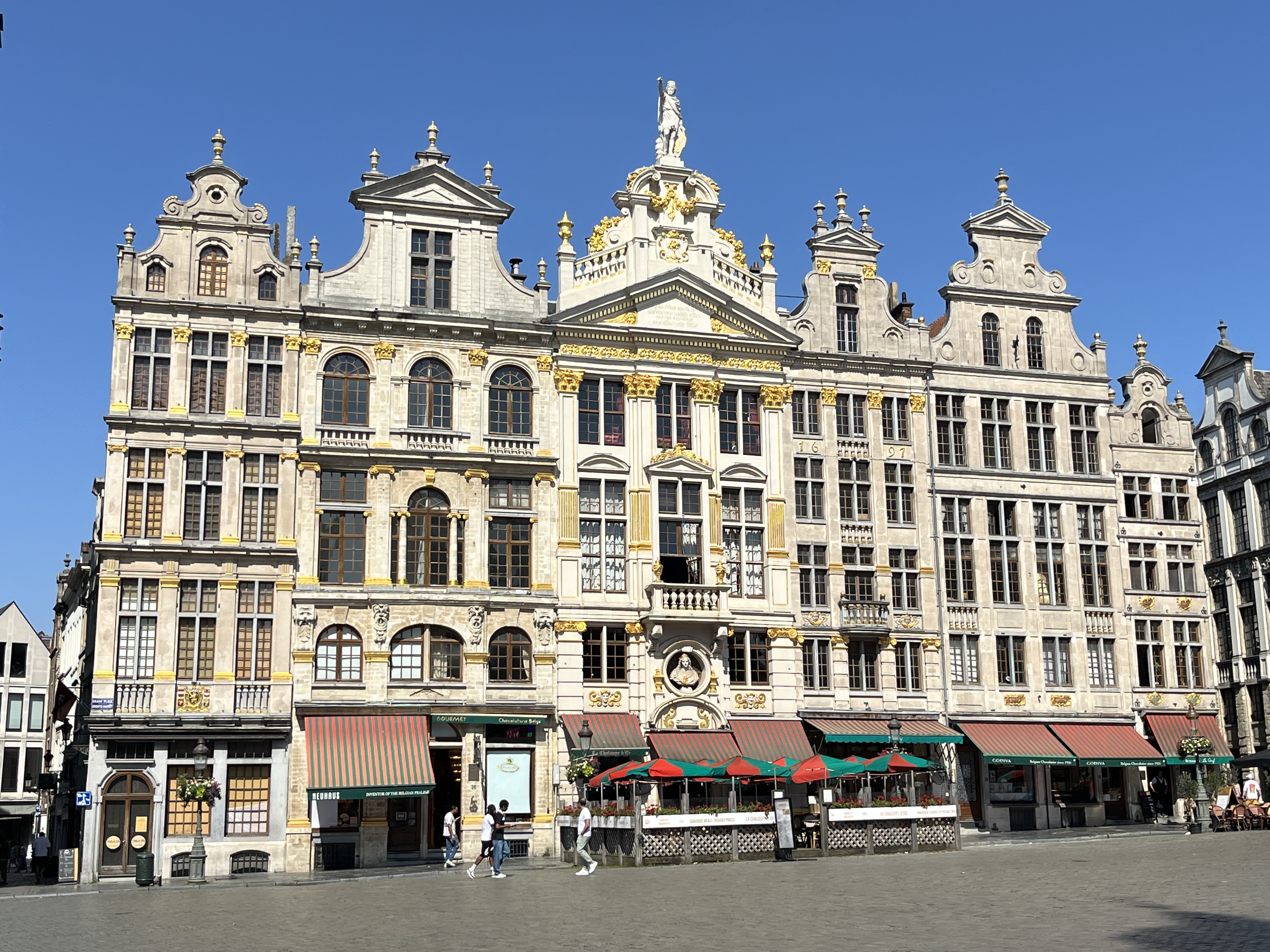
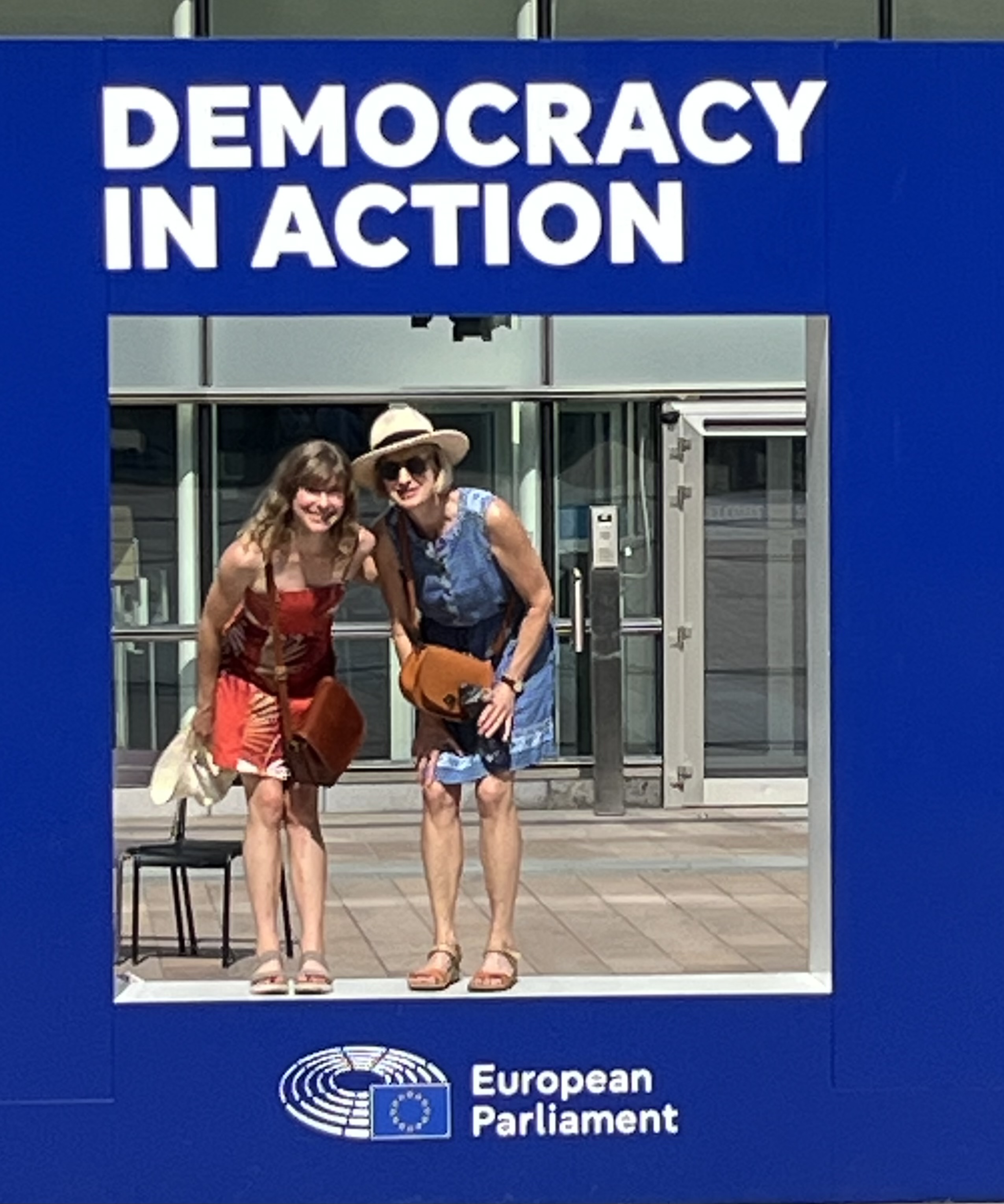
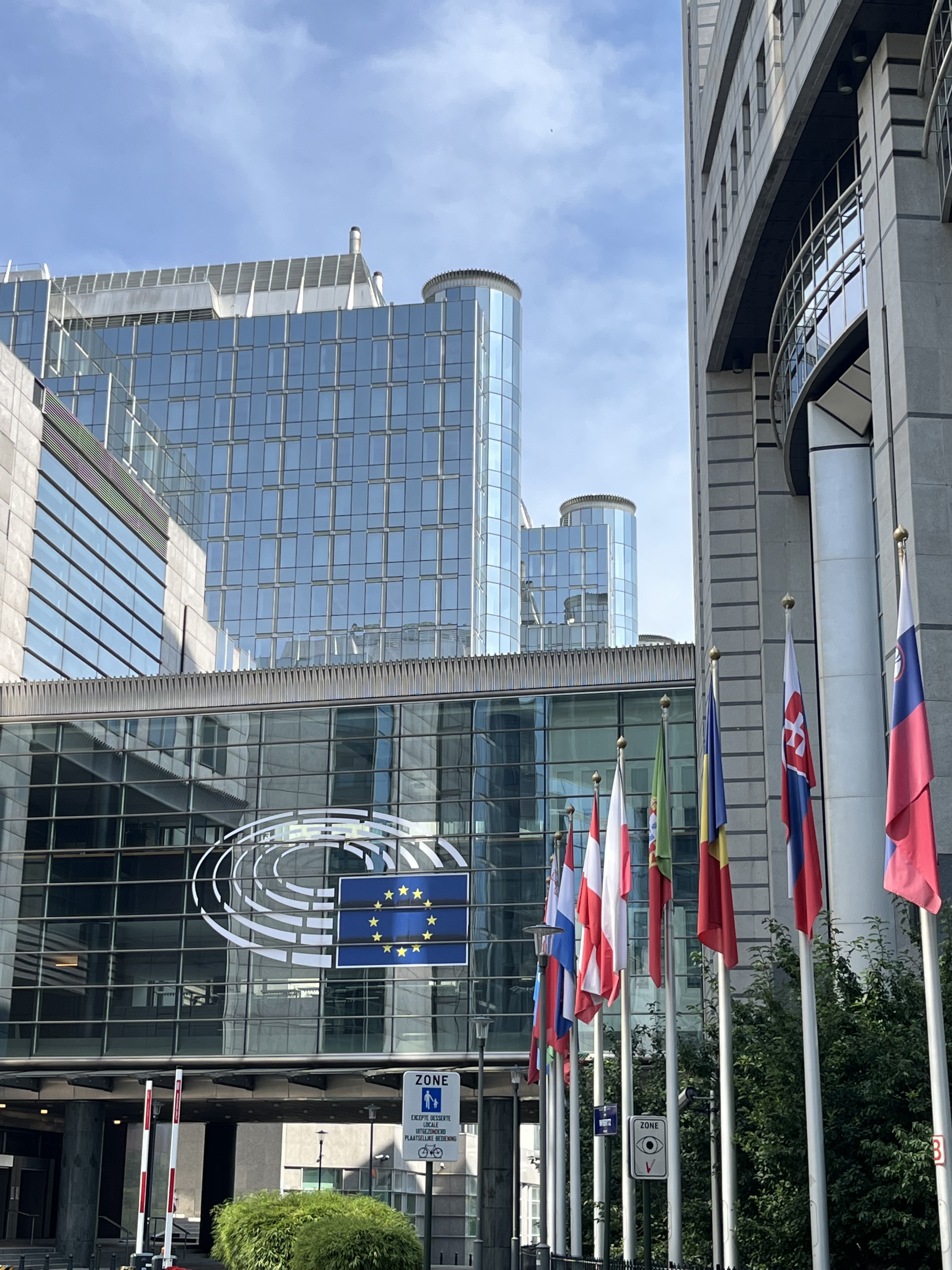
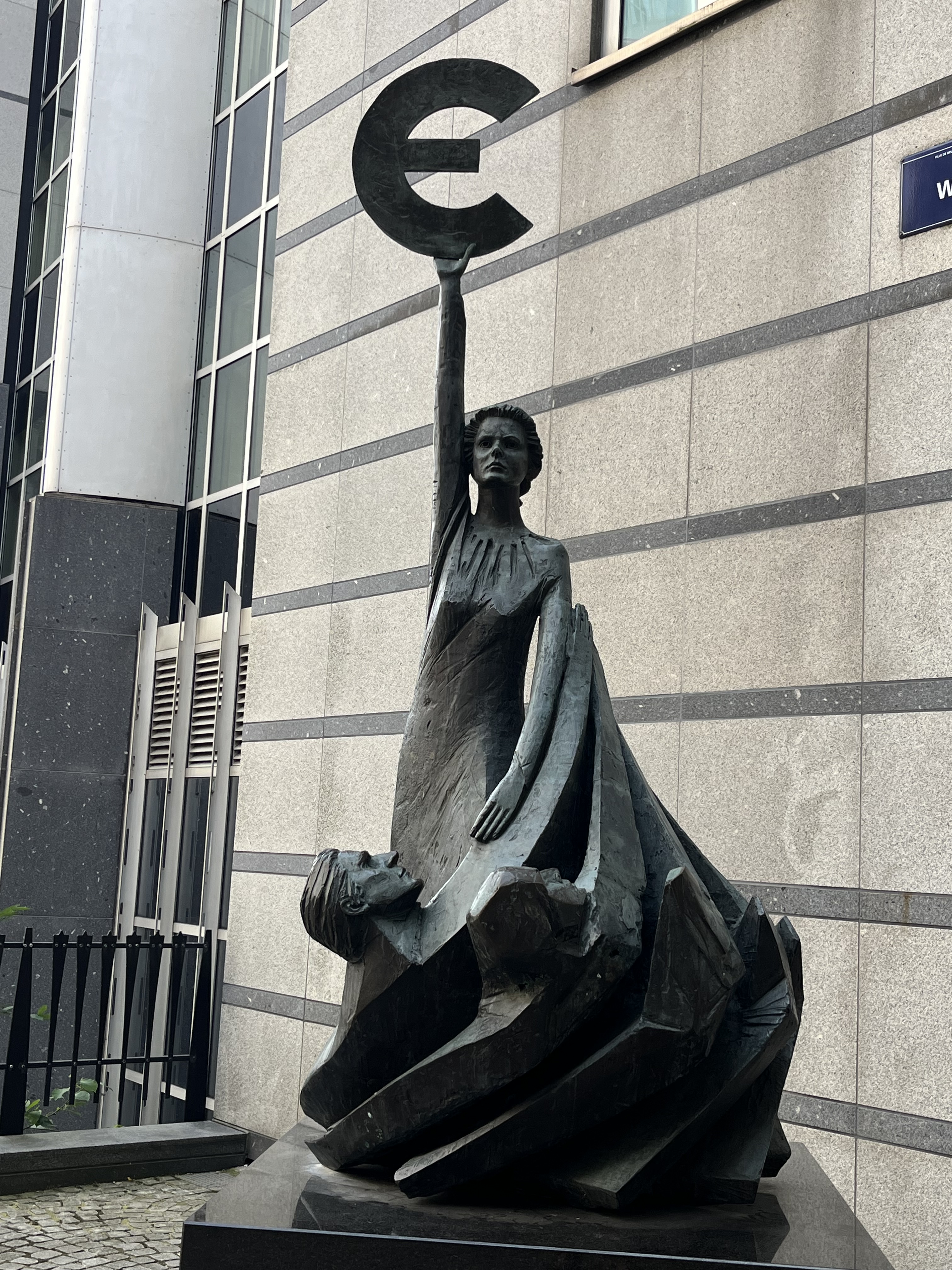
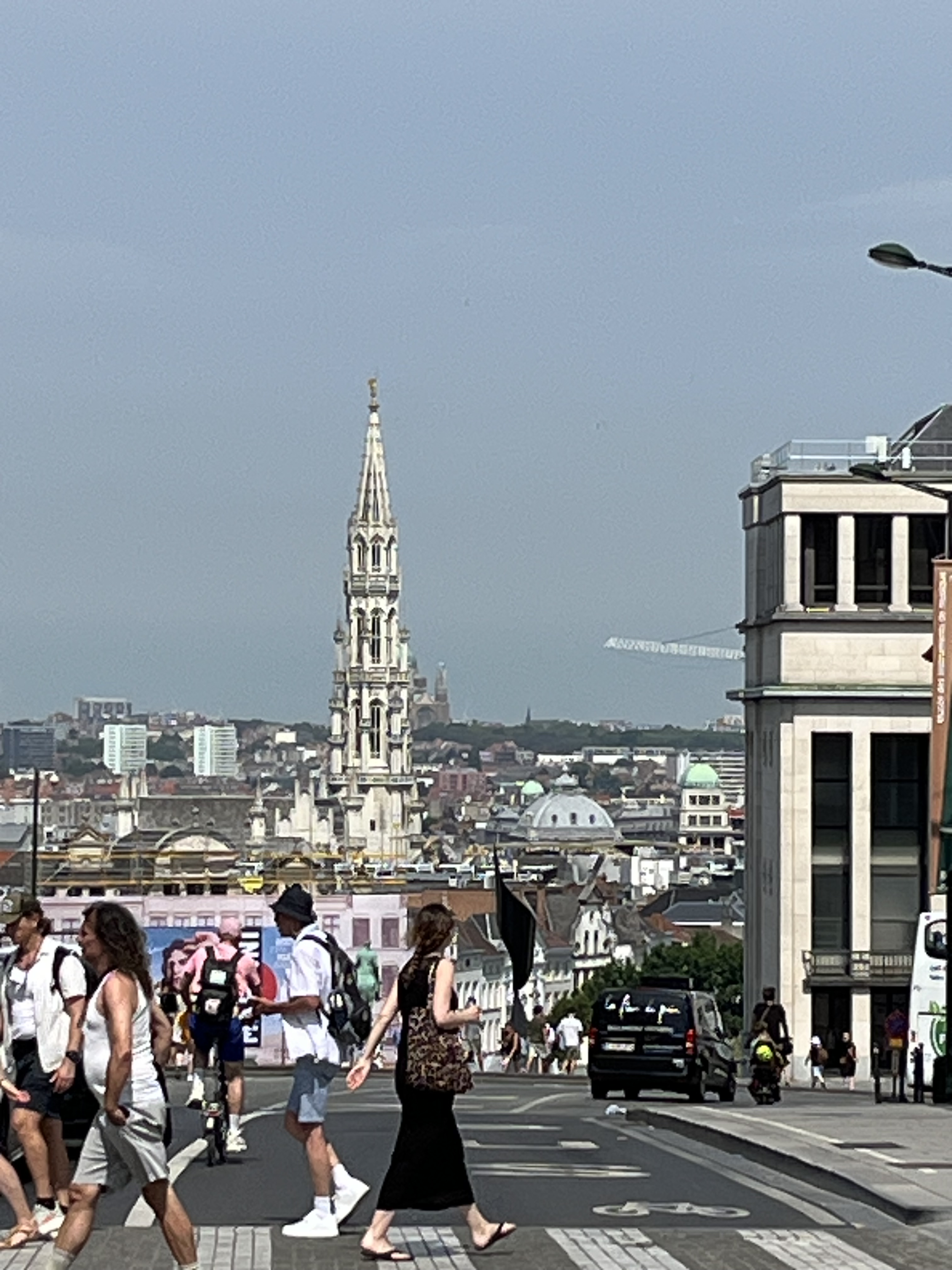
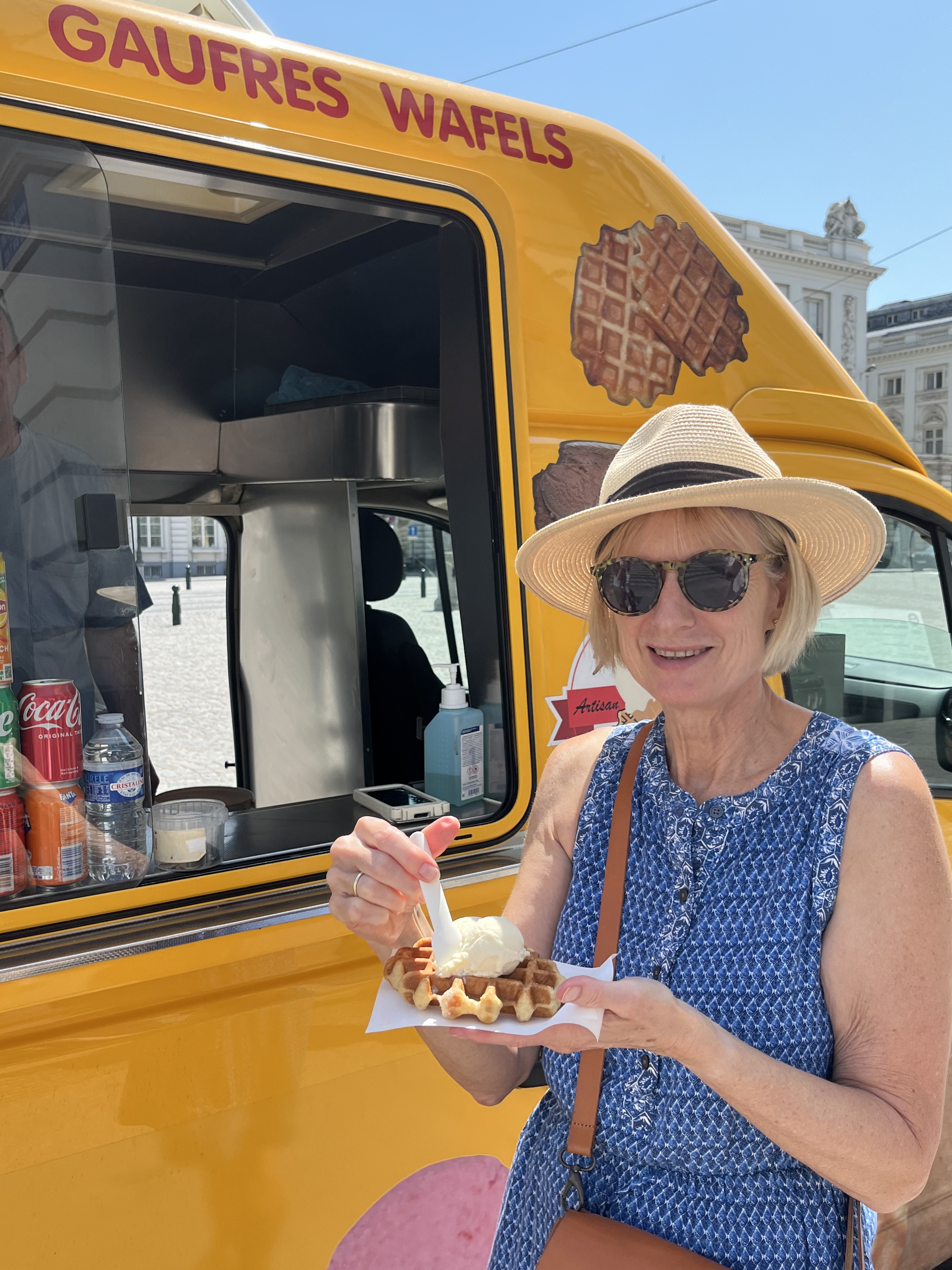
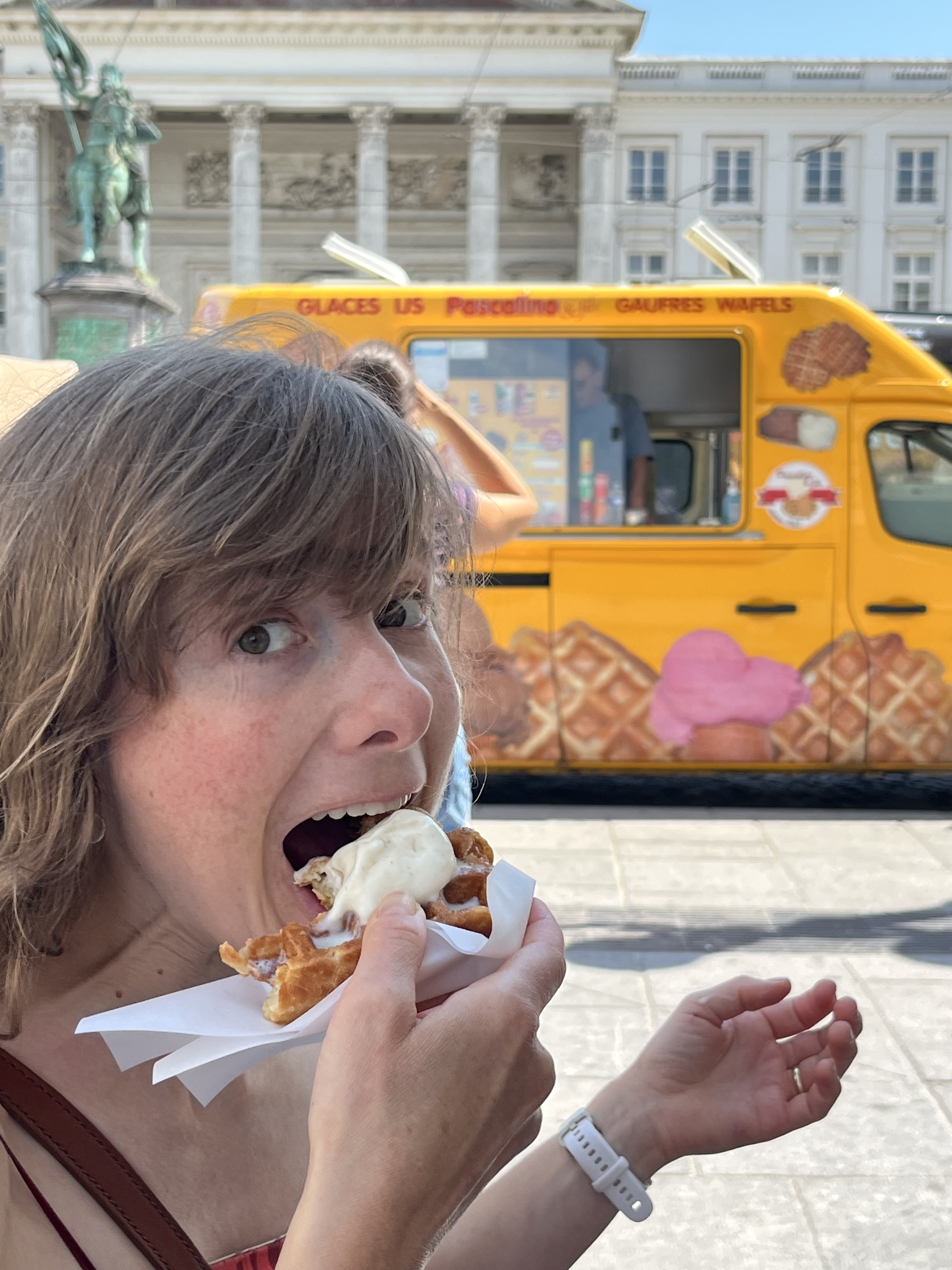


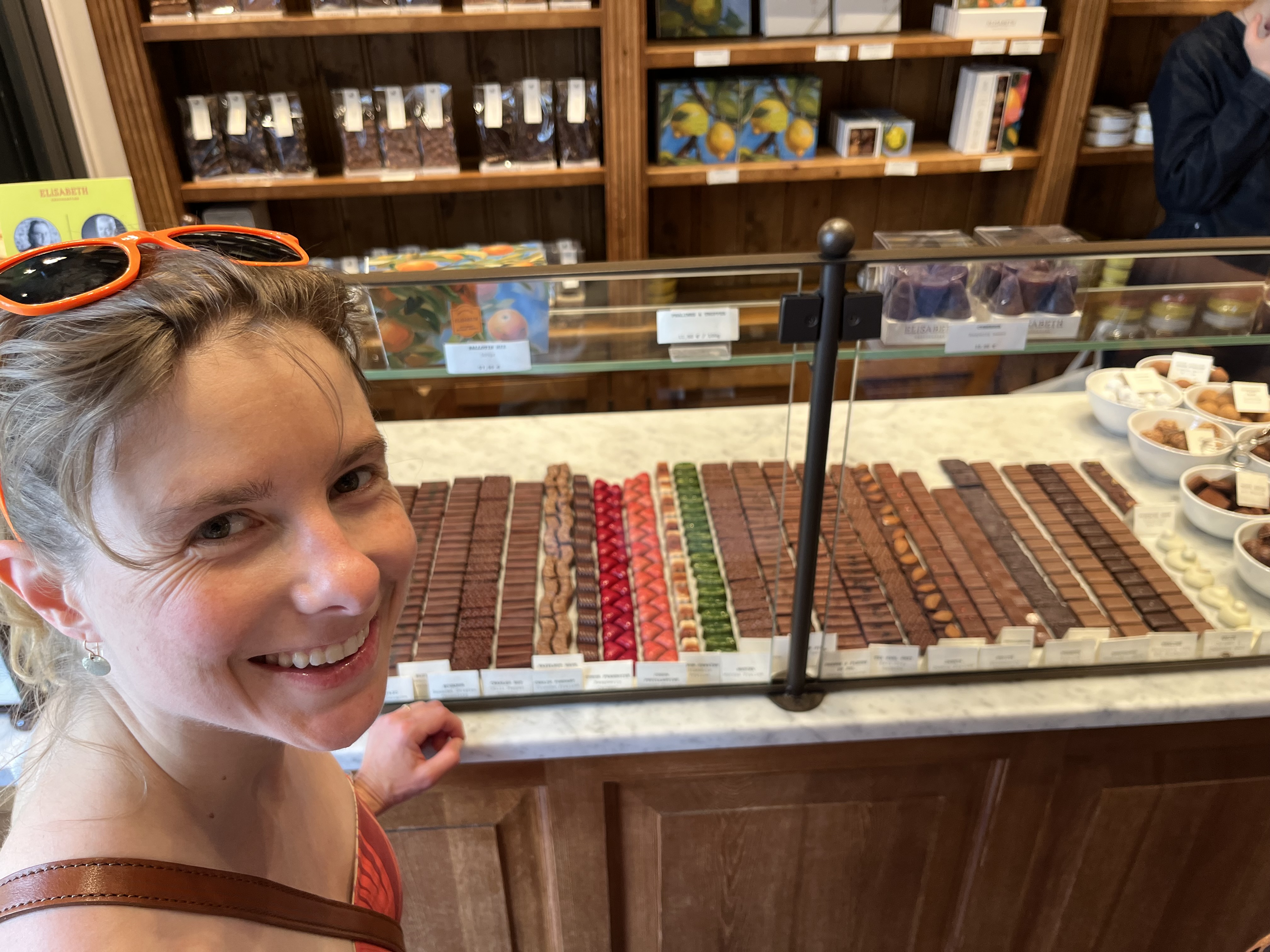
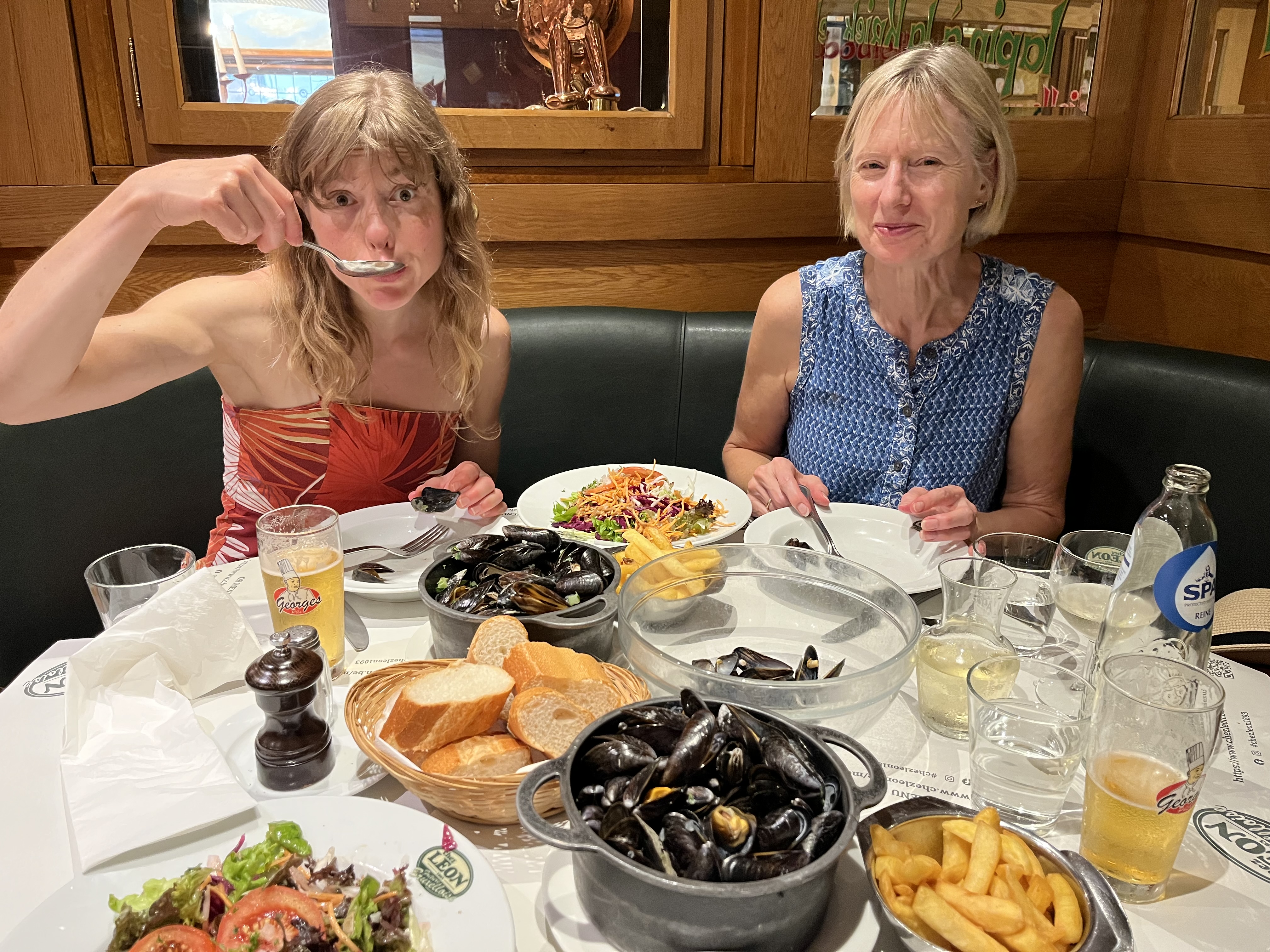
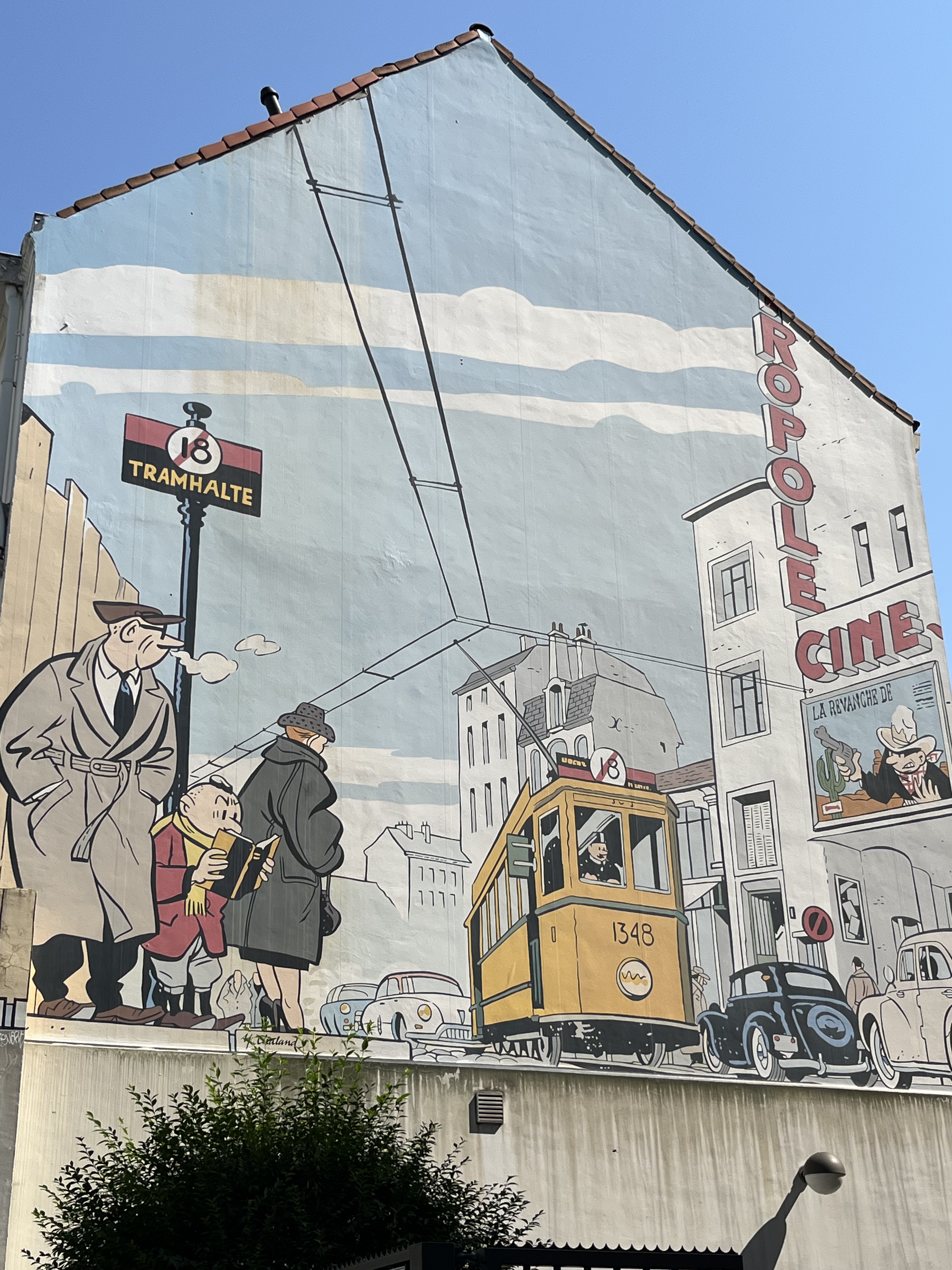
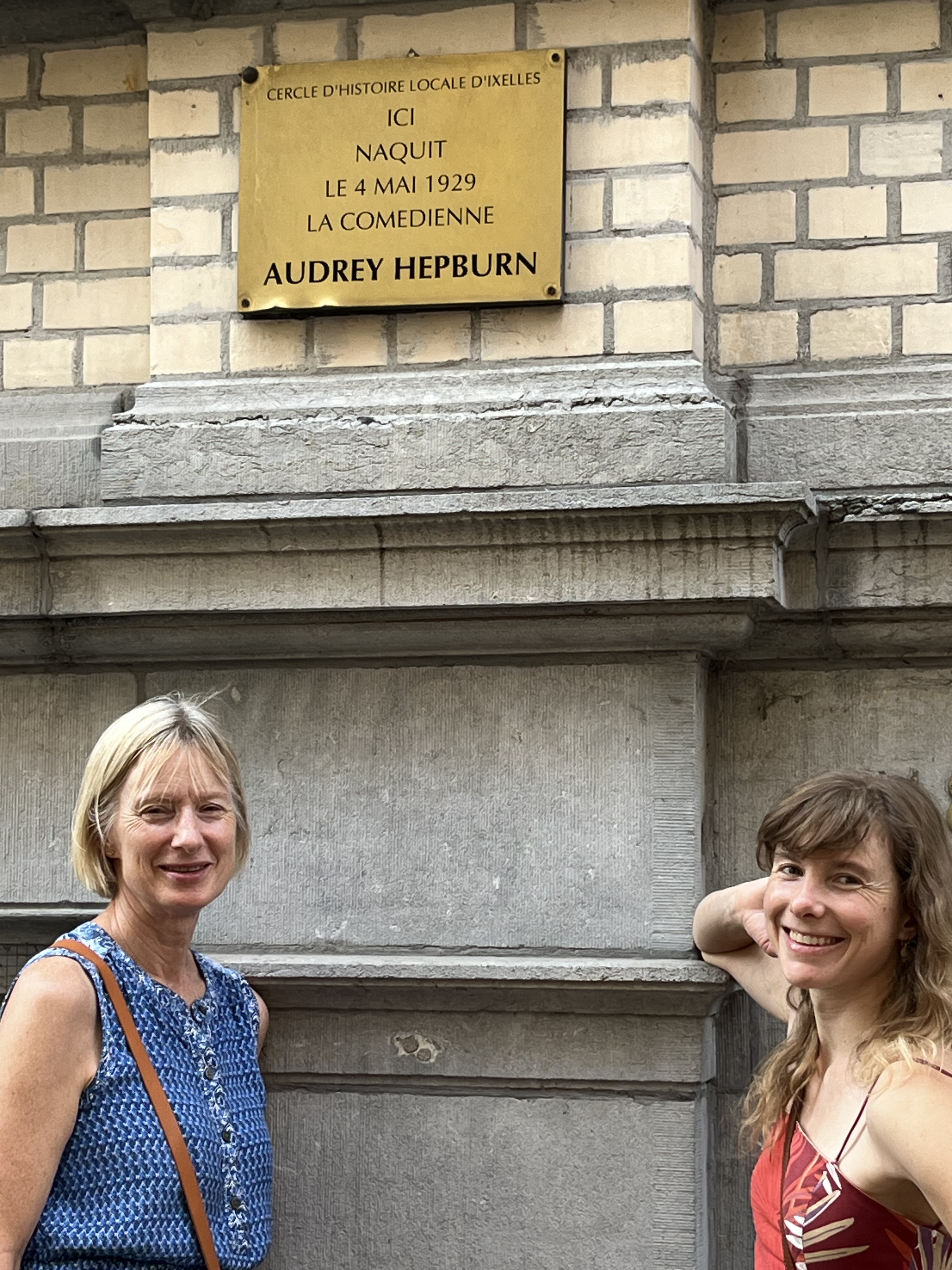
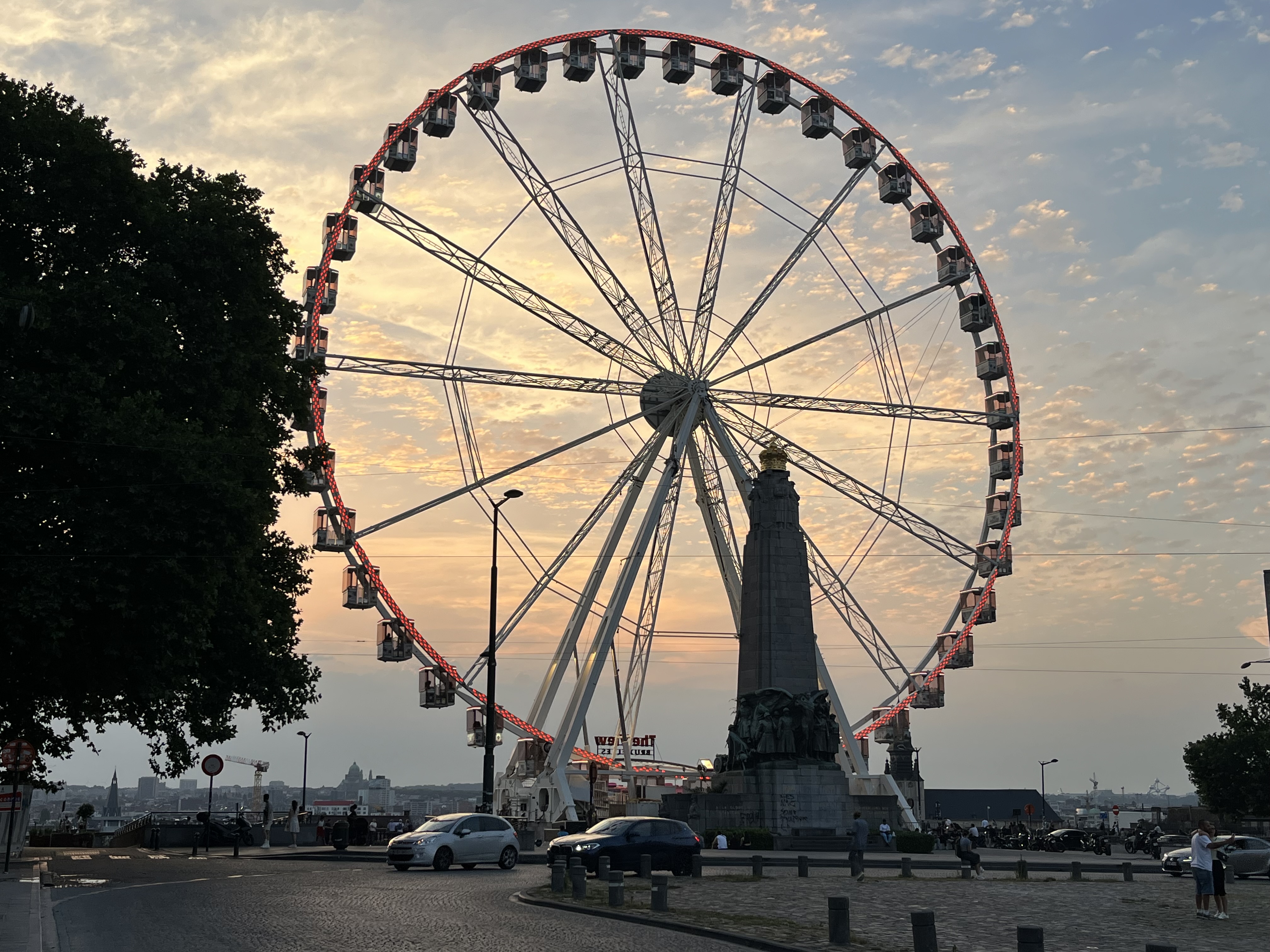
Anna came to Brussels to give a presentation about her work at a conference in Maastricht, Netherlands. We spent two fun days together in Brussels, doing the typical tourist things, from eating waffles to visiting Manneken Pis and more eating, with Mussels and Flemish fries on the menu, to visiting the European Parliament complex. Brussels is also the birthplace of Audrey Hepburn and the TinTin comic series.
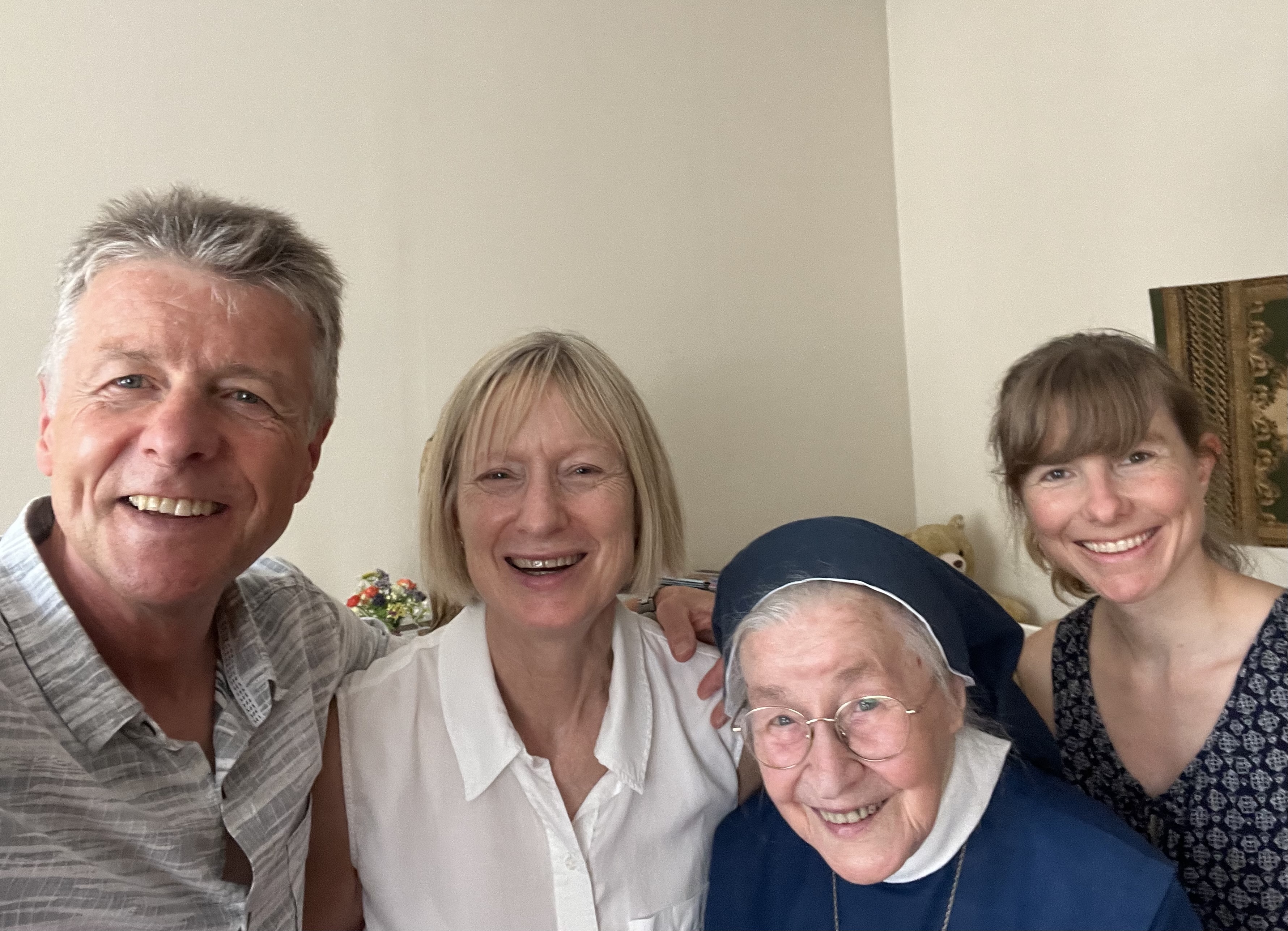
Close to Maastricht we visited Tante Maria, my late father’s youngest sister, who at 96 years old, is a spry, fun, and energetic nun living in a convent. As long as I can recall, our Tante Maria sends pretty much everyone in our large family, – for instance I have 40 cousins and then there are their children etc., a lengthy, meticulously handwritten letter every Easter, Pentecost, and Christmas, plus on birthdays and the Saints day we were named after. As the family joke goes, Opa always said, “Every cow has a birthday, but a name day, that is special!”. When visiting with Tante Maria, one quickly realizes that she still keeps all the family affairs straight in her 96 year old brain, something I was never able to accomplish!!
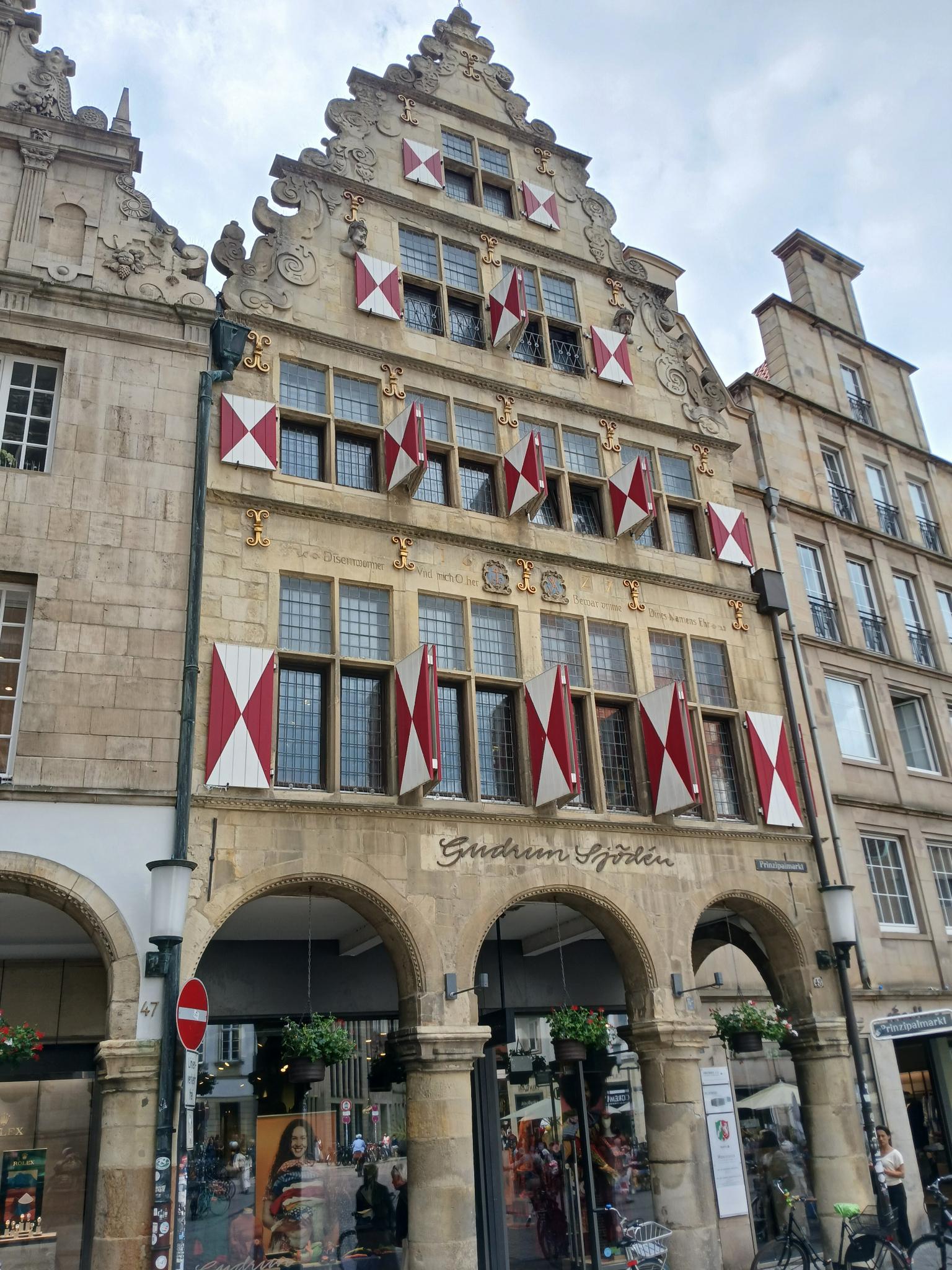
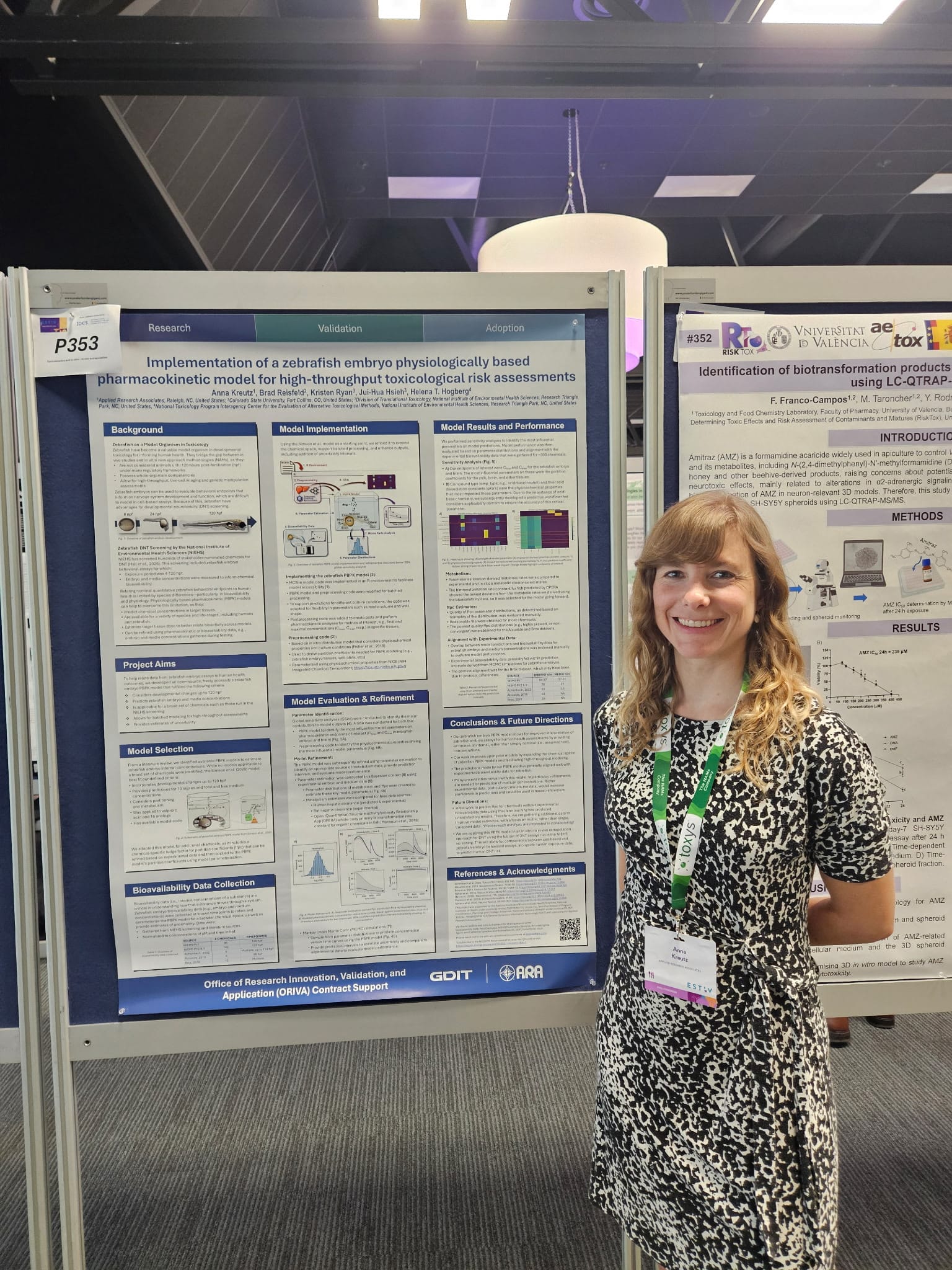
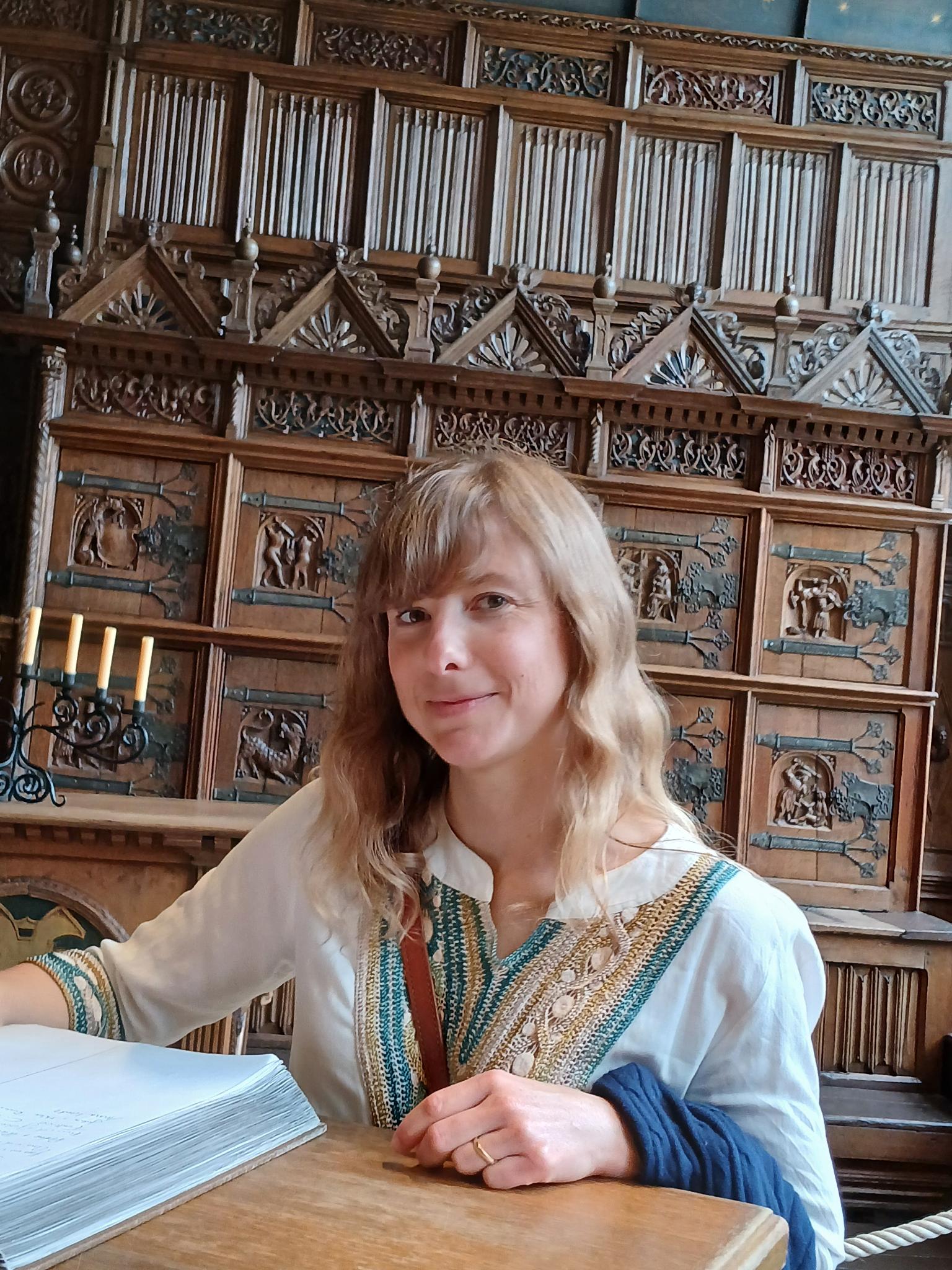
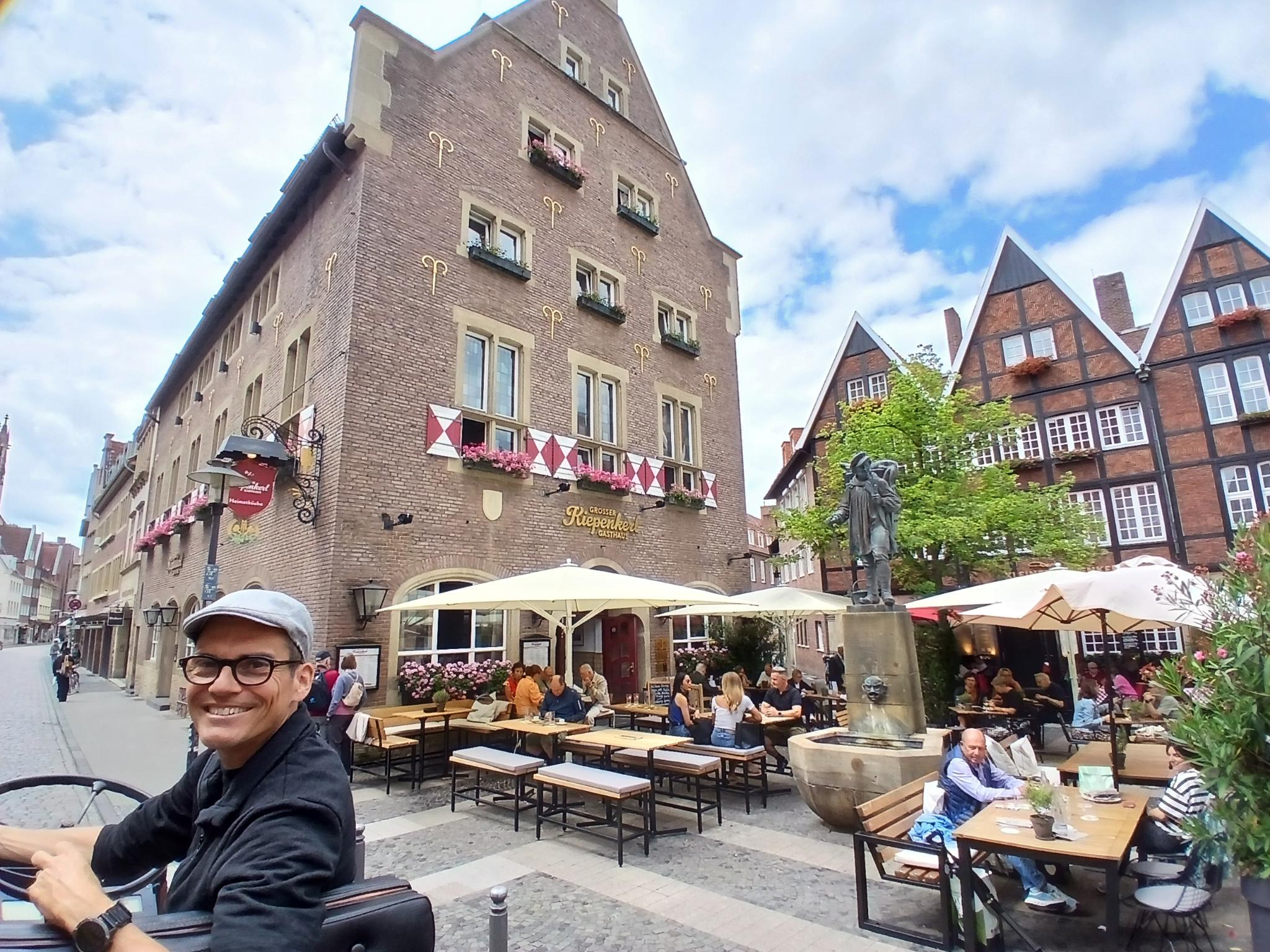
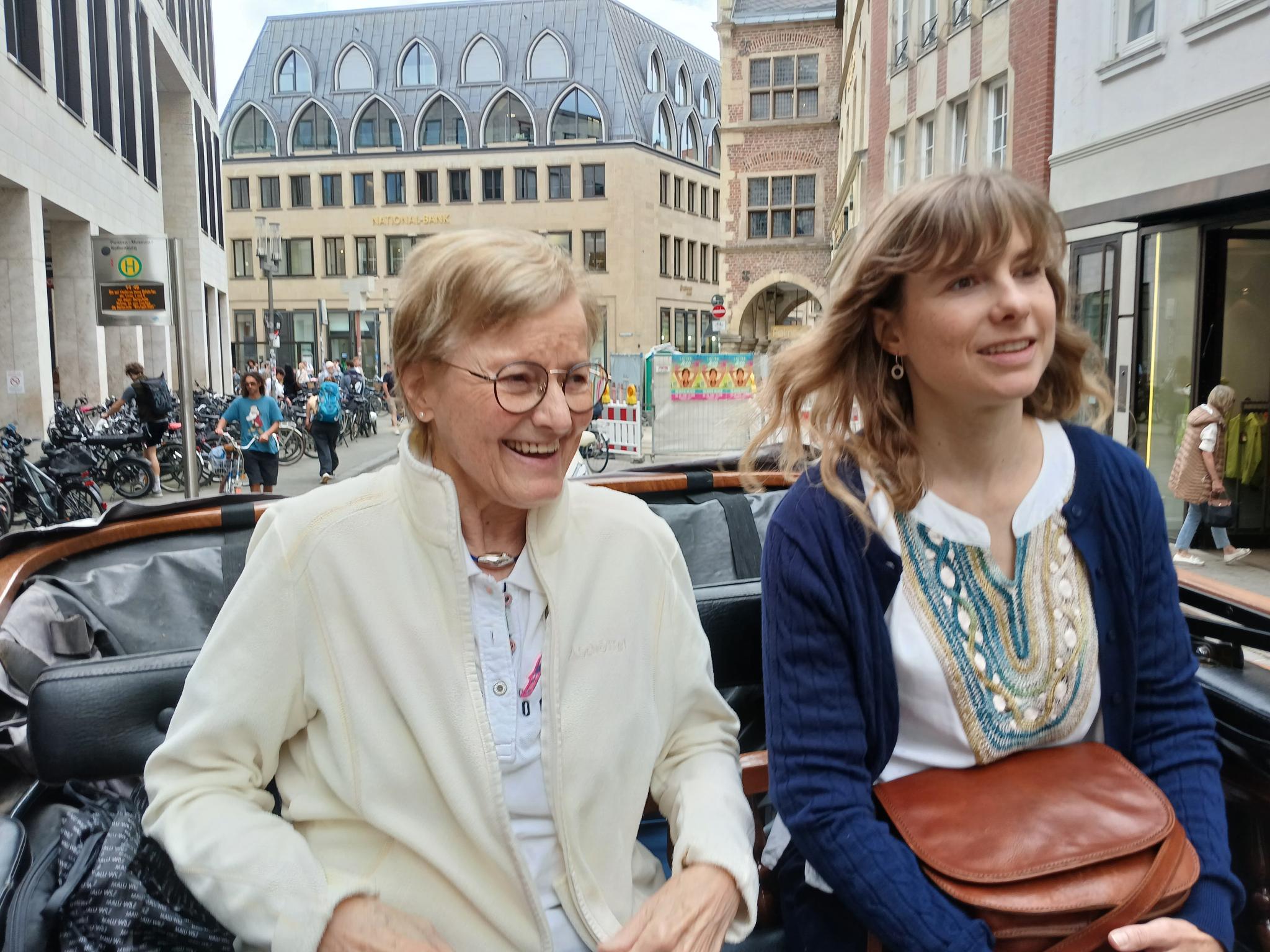
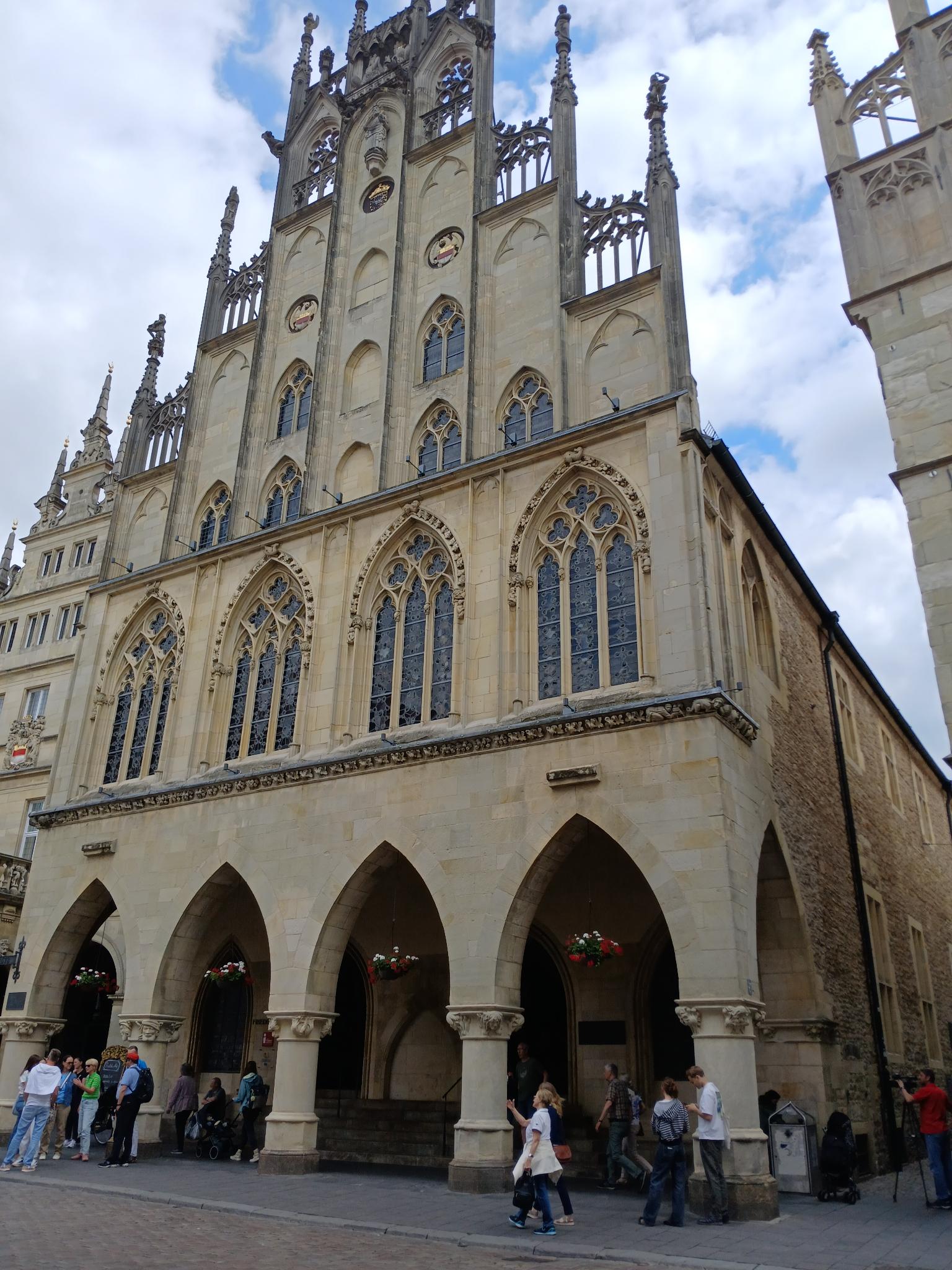
Above, Anna visiting my oldest sister Lucia in Muenster, Germany.
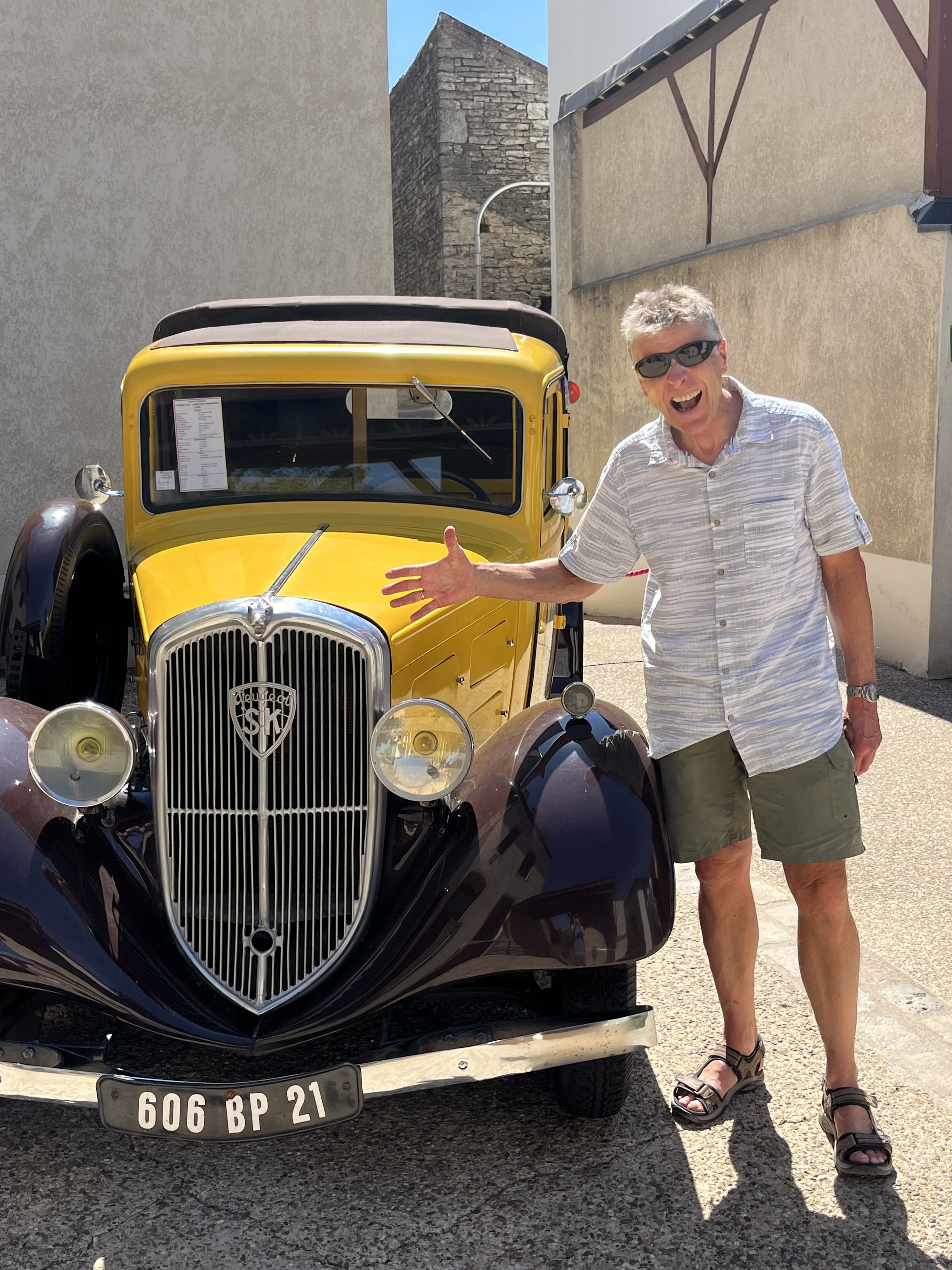
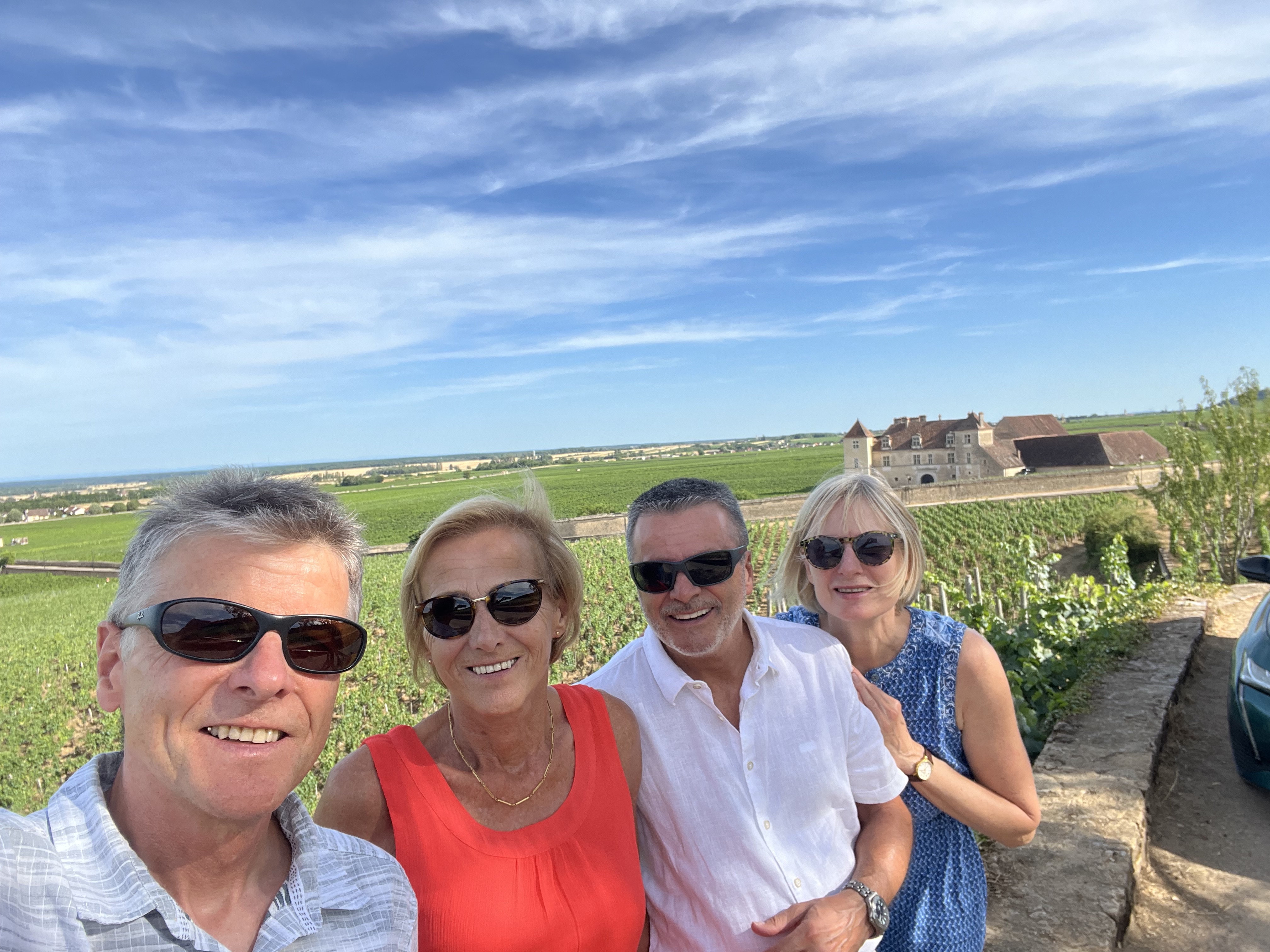
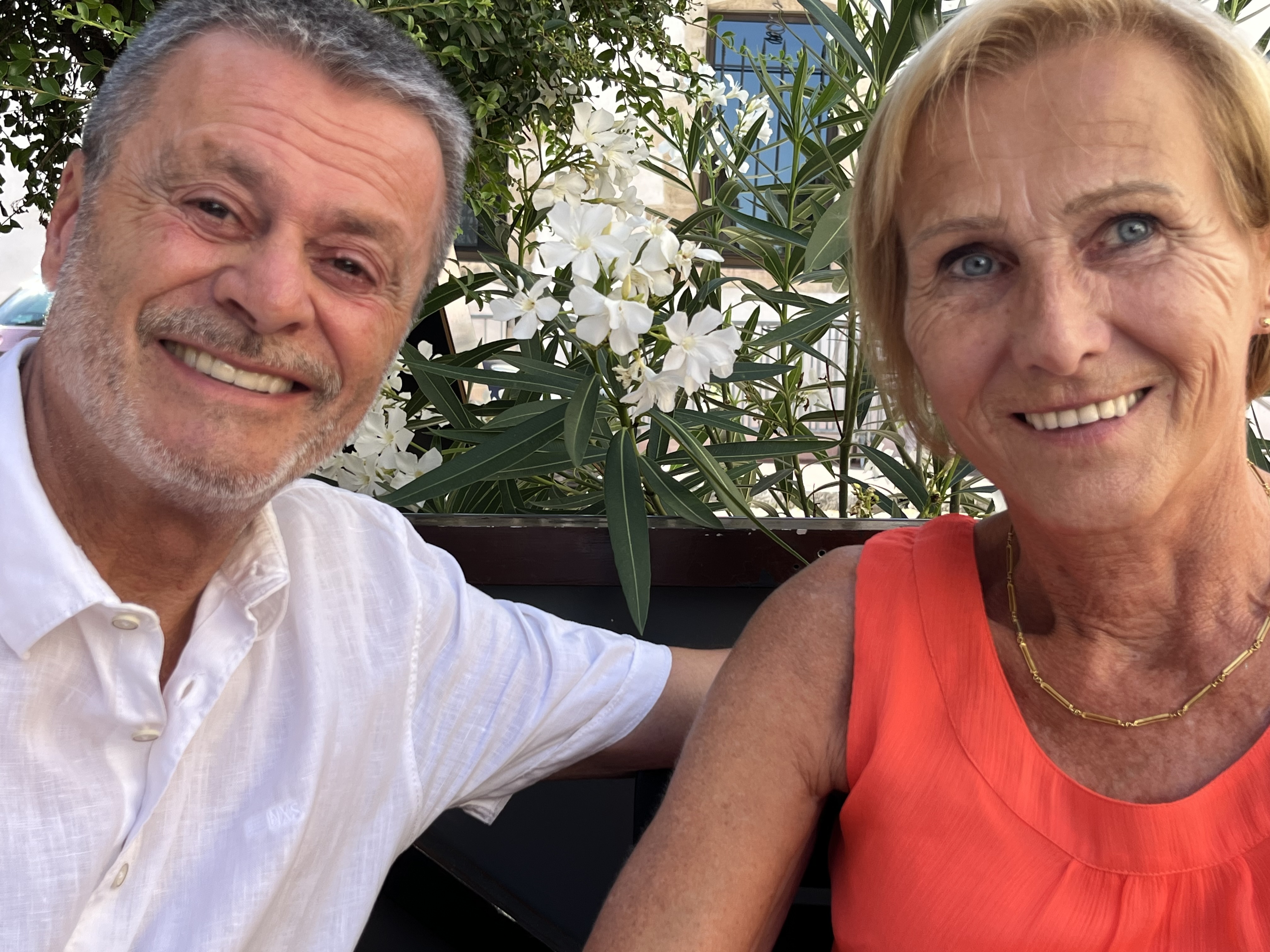
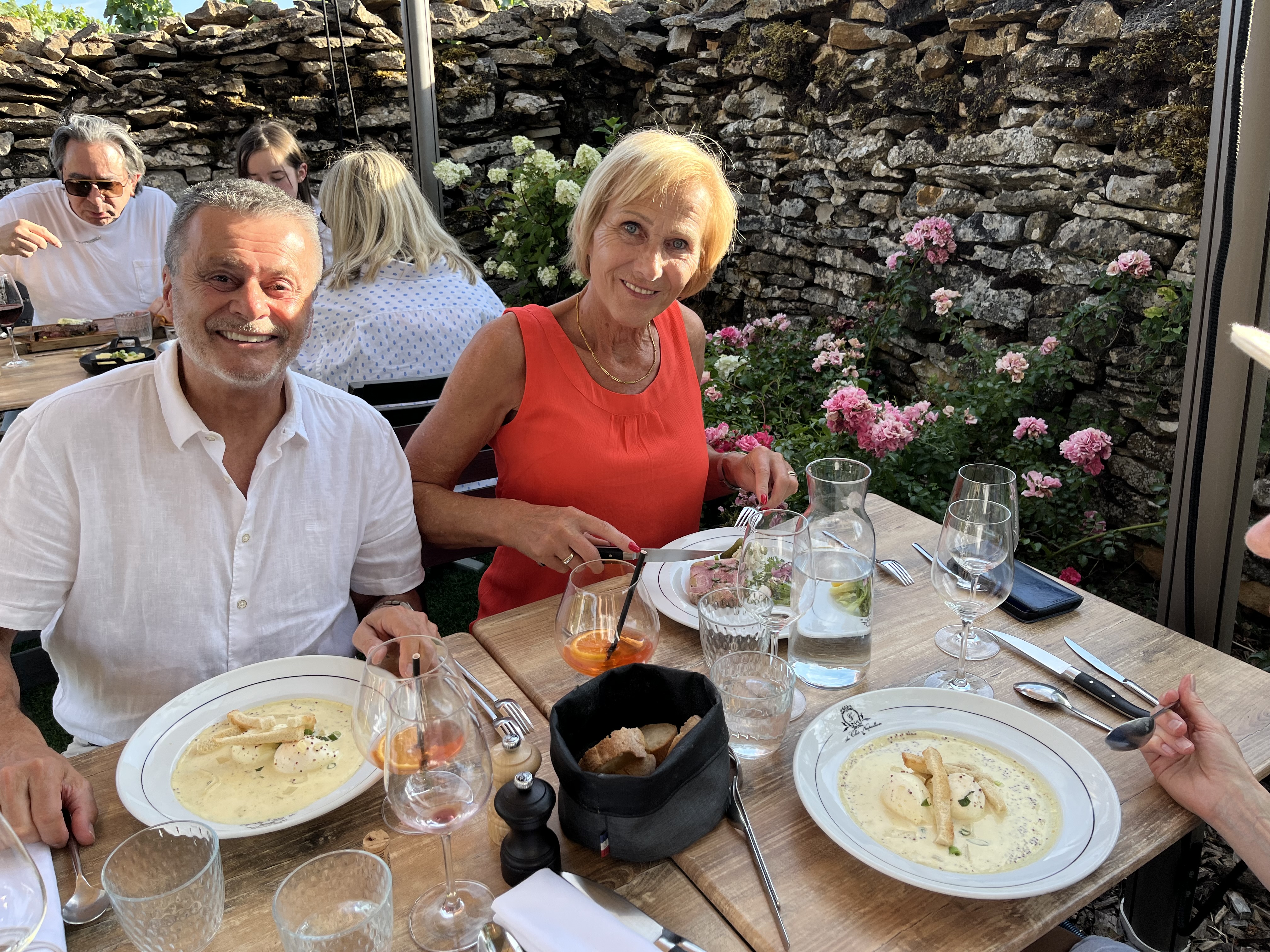
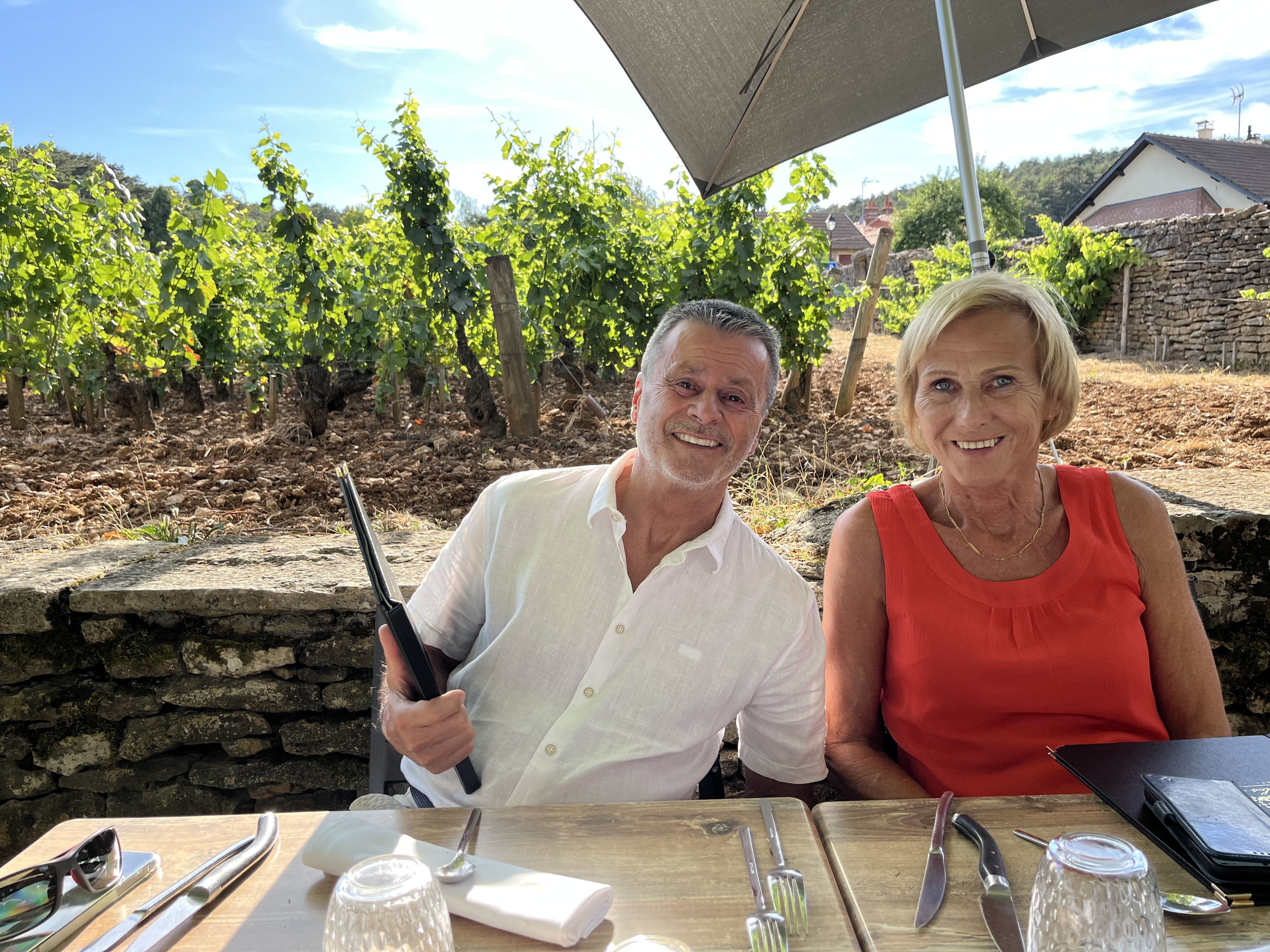
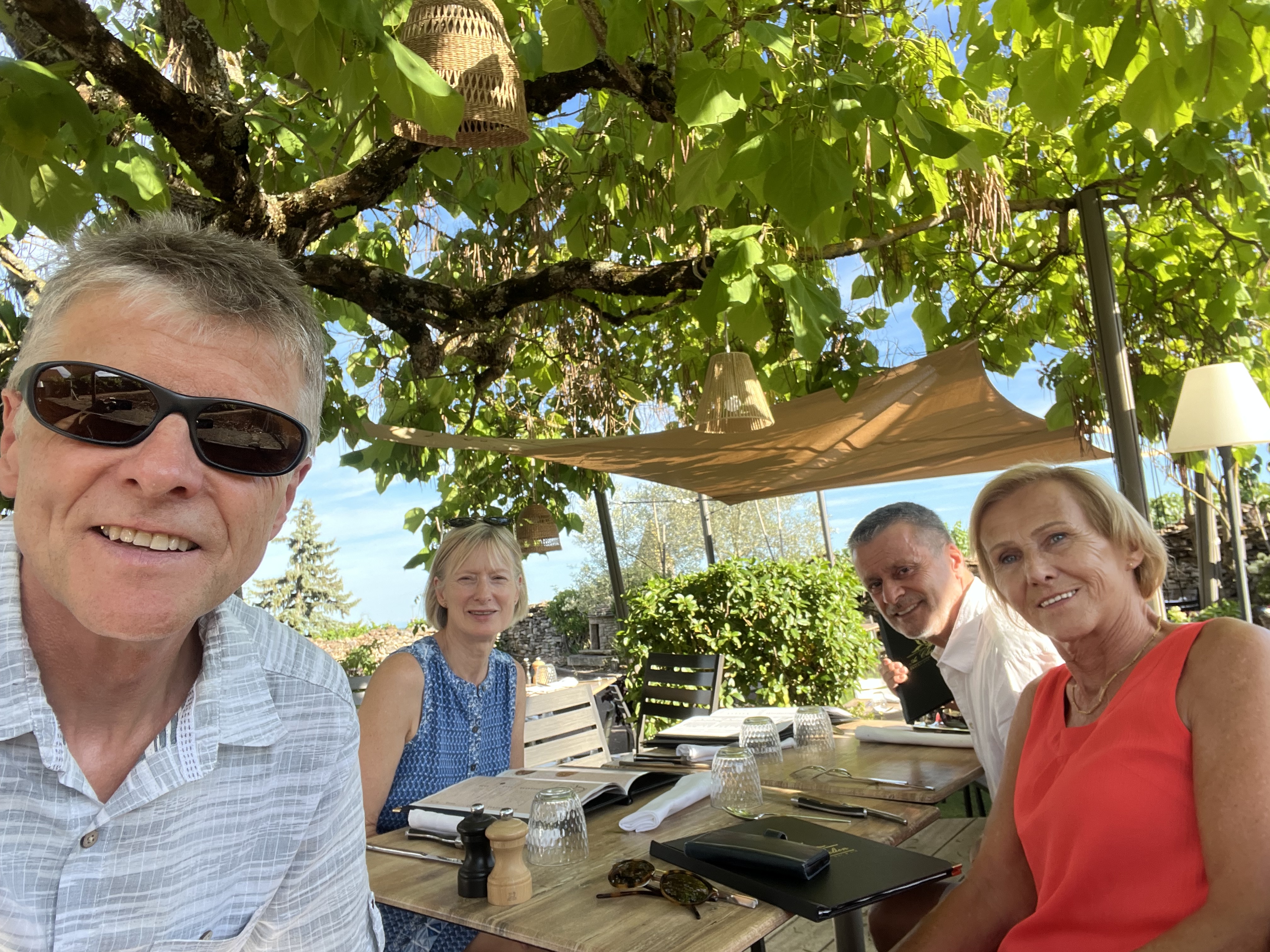
Back in Dijon, Lauri and I were delighted to welcome my brother Ulrich with Corrie. After 2.5 years of us living in Dijon, he finally managed to get away from his business, take the 7 hr drive, and spend two days with us. We had a lot of fun together and the time went by too fast!! Ulrich is only 15 month older than myself and naturally we were, and still are, very close:
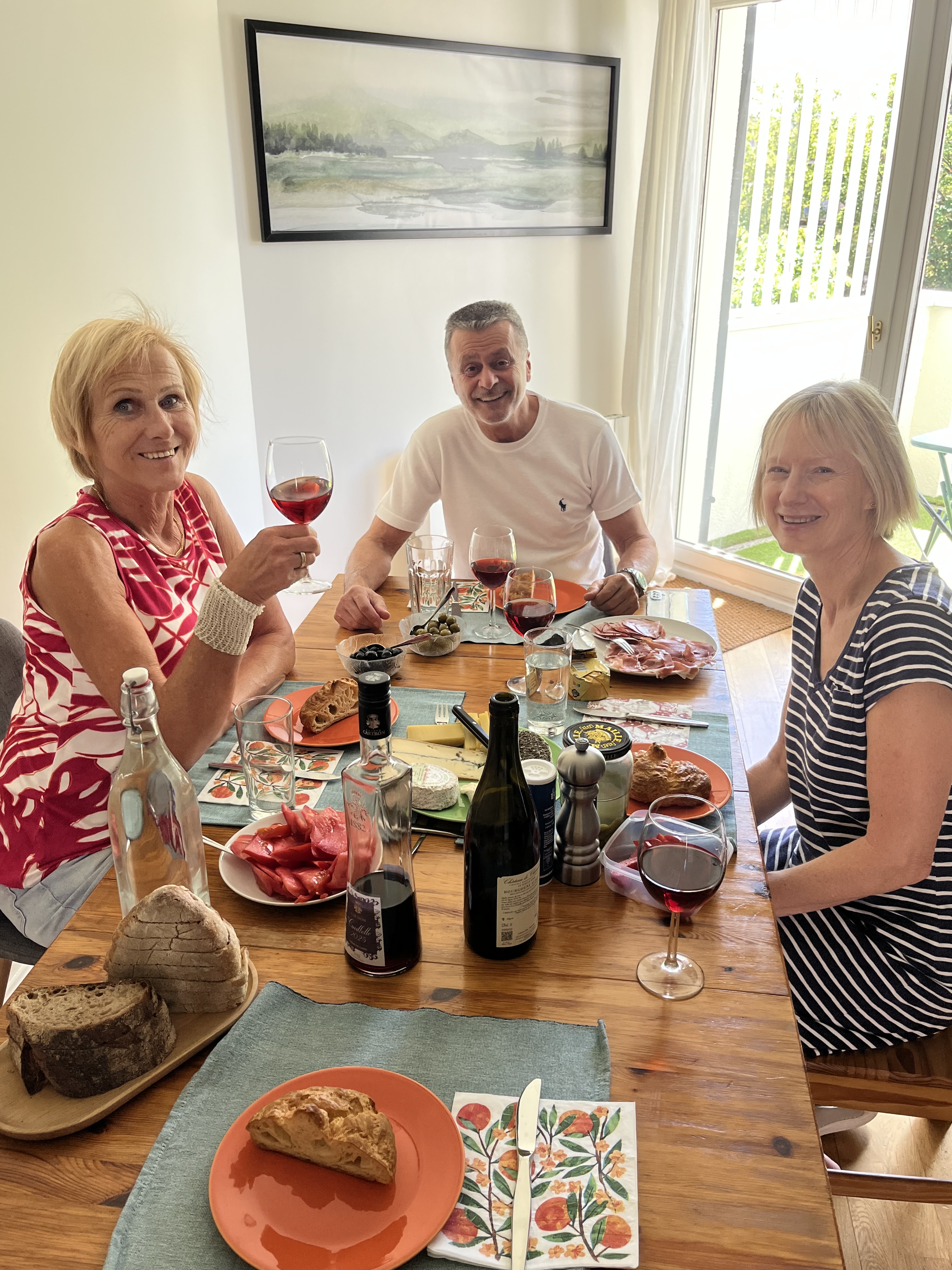
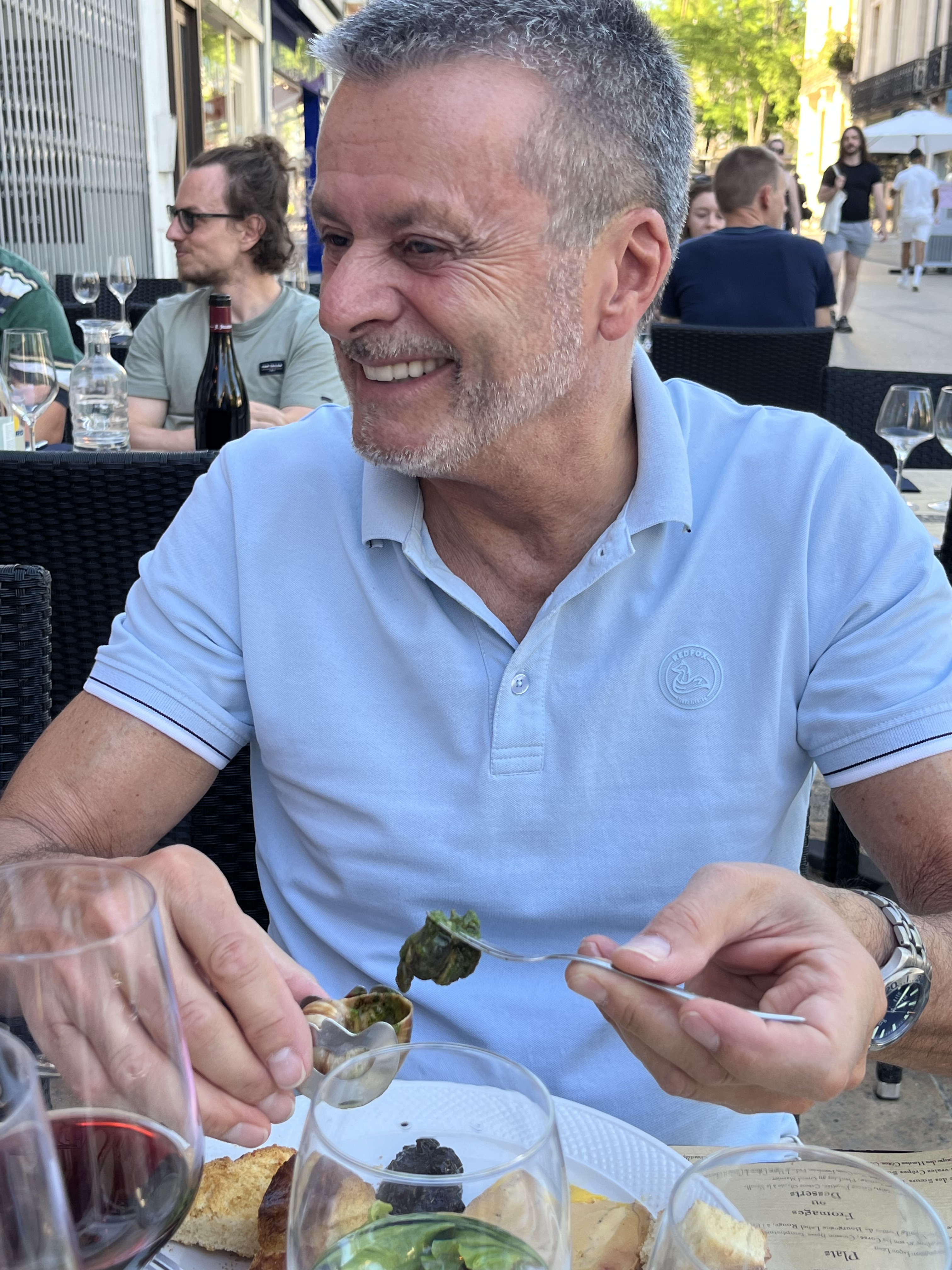
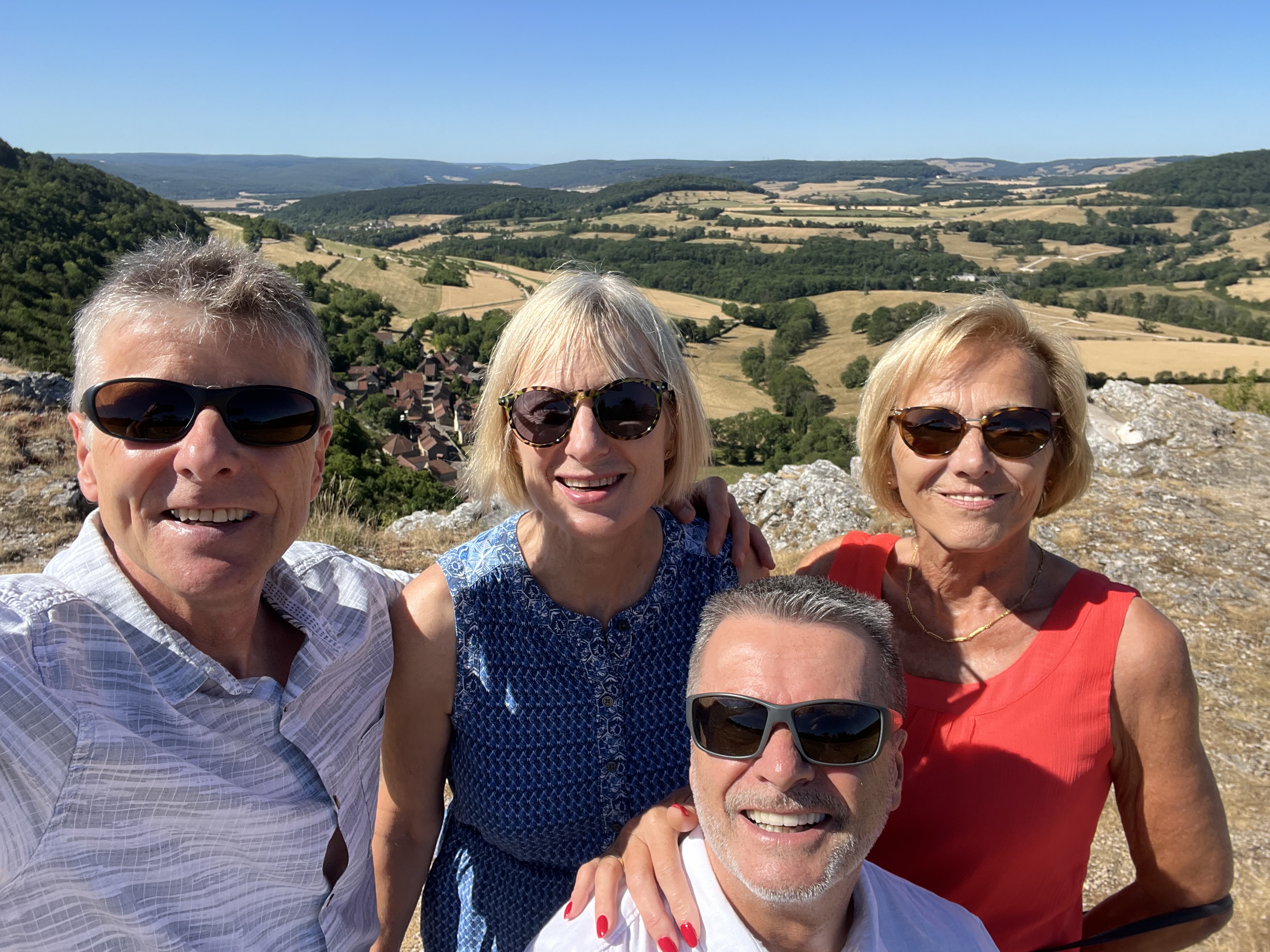
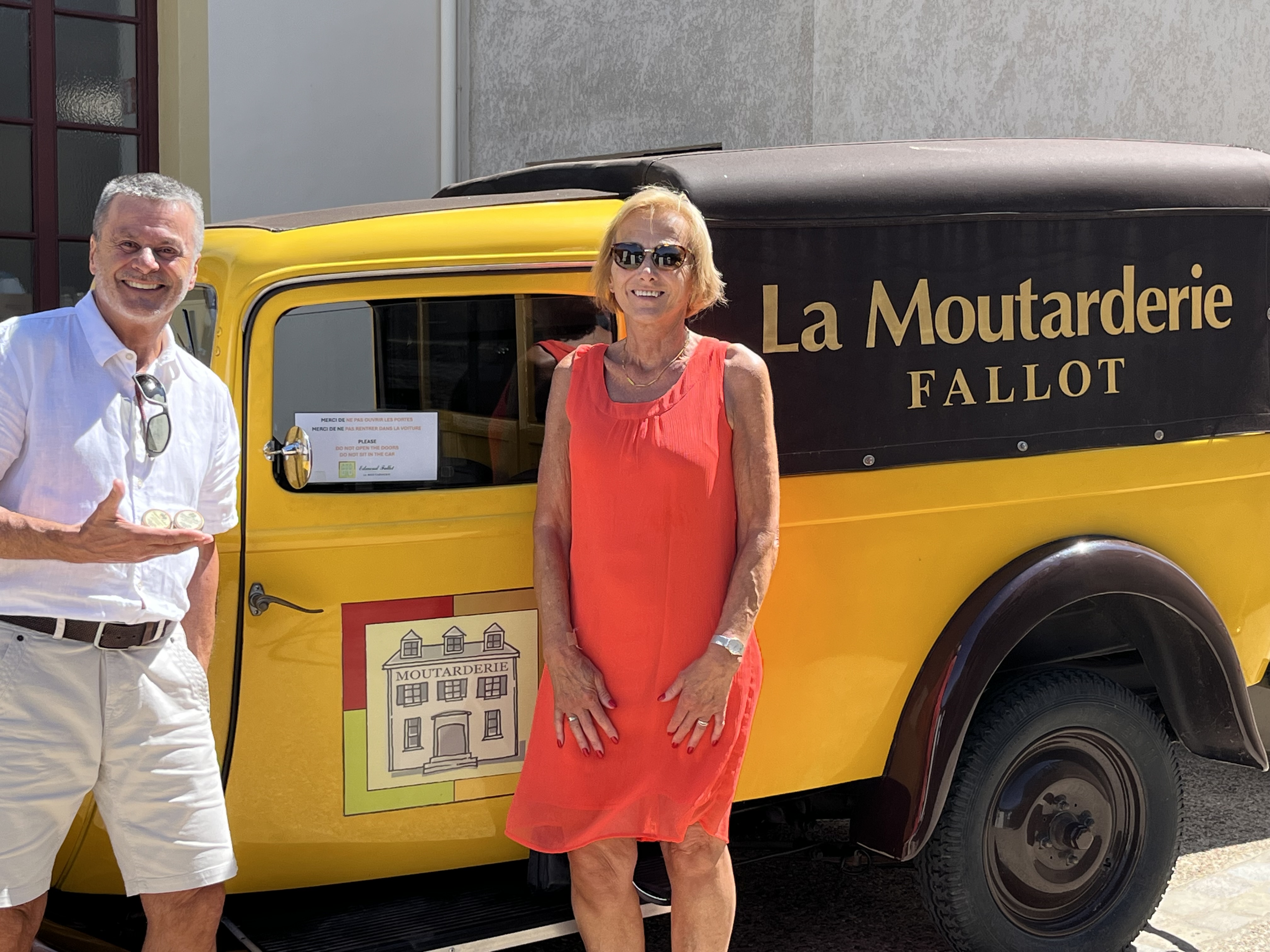
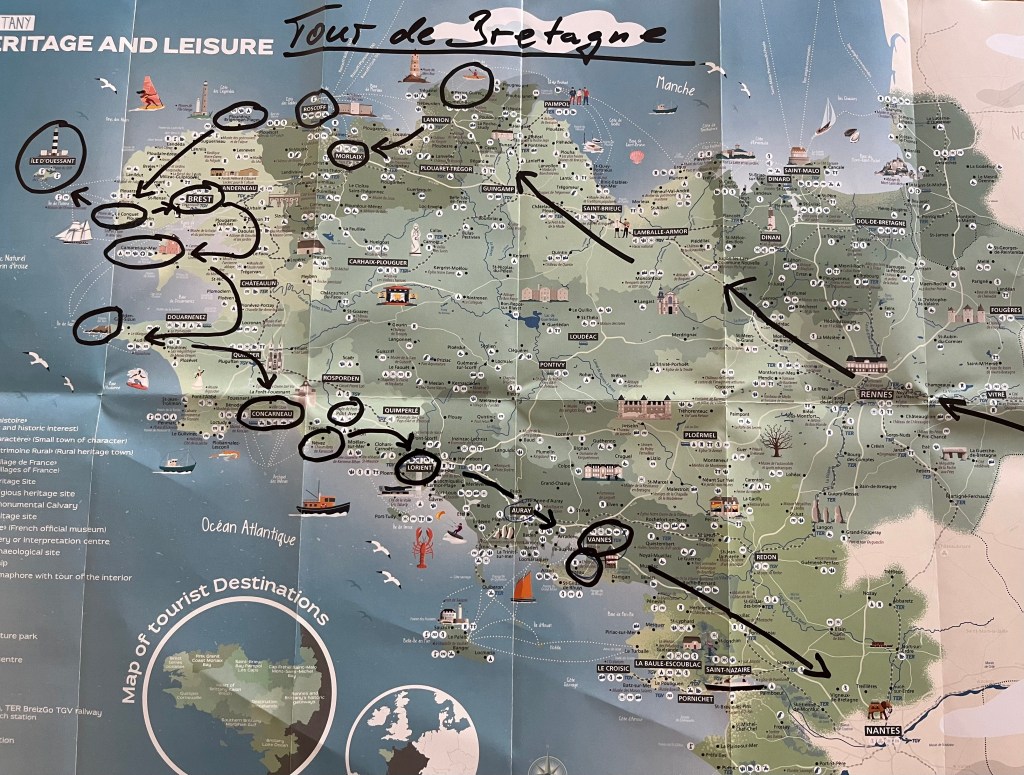
One week later we were off on an 8 day trip to France’s NW corner, the Bretagne (Brittany). This was new territory for us and cooler temperatures on the peninsula surrounded by the cooler Atlantic sounded very appealing. As usual, we enjoyed doing all the planning for our Tour de Bretagne ourselves.
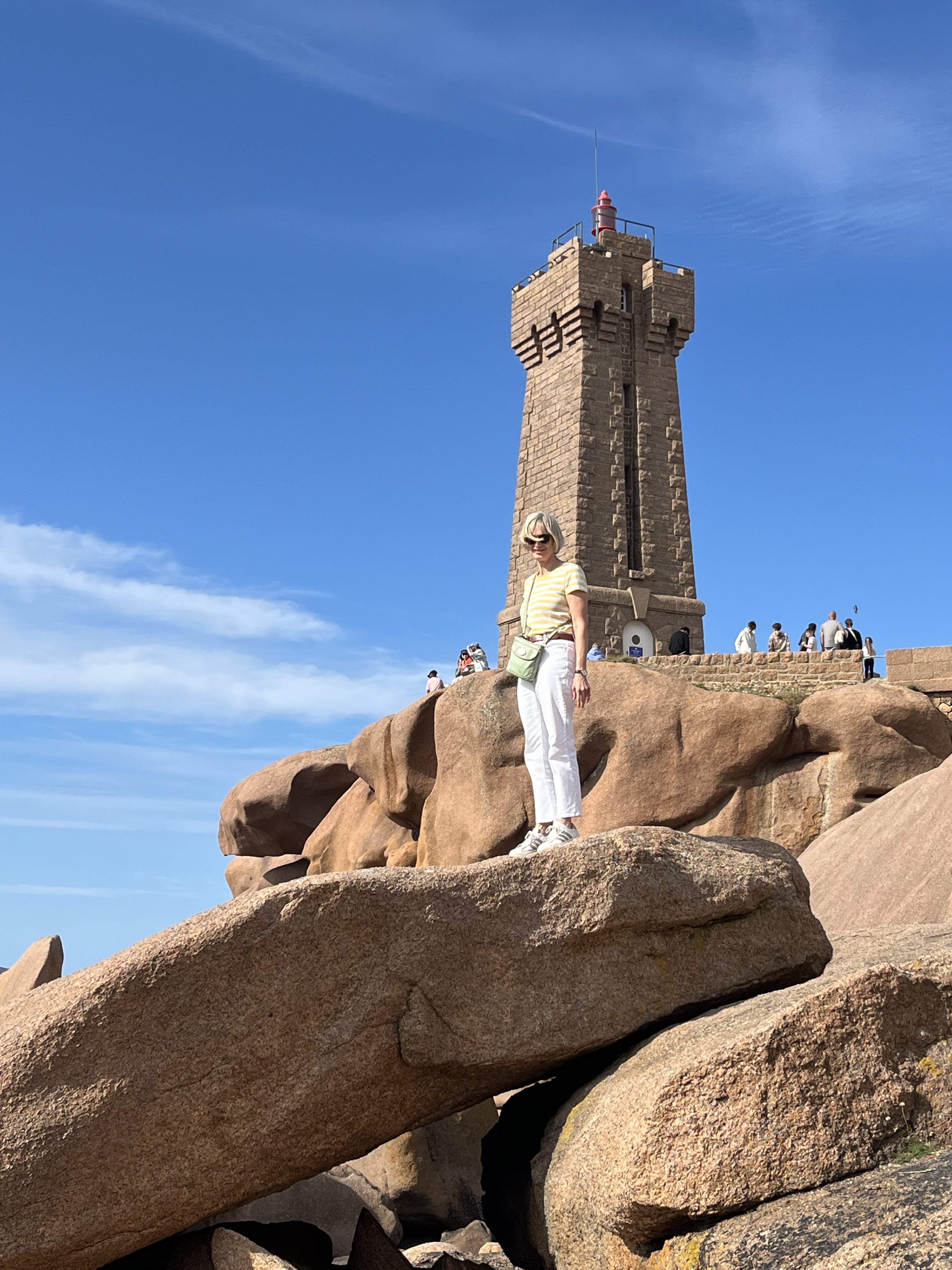
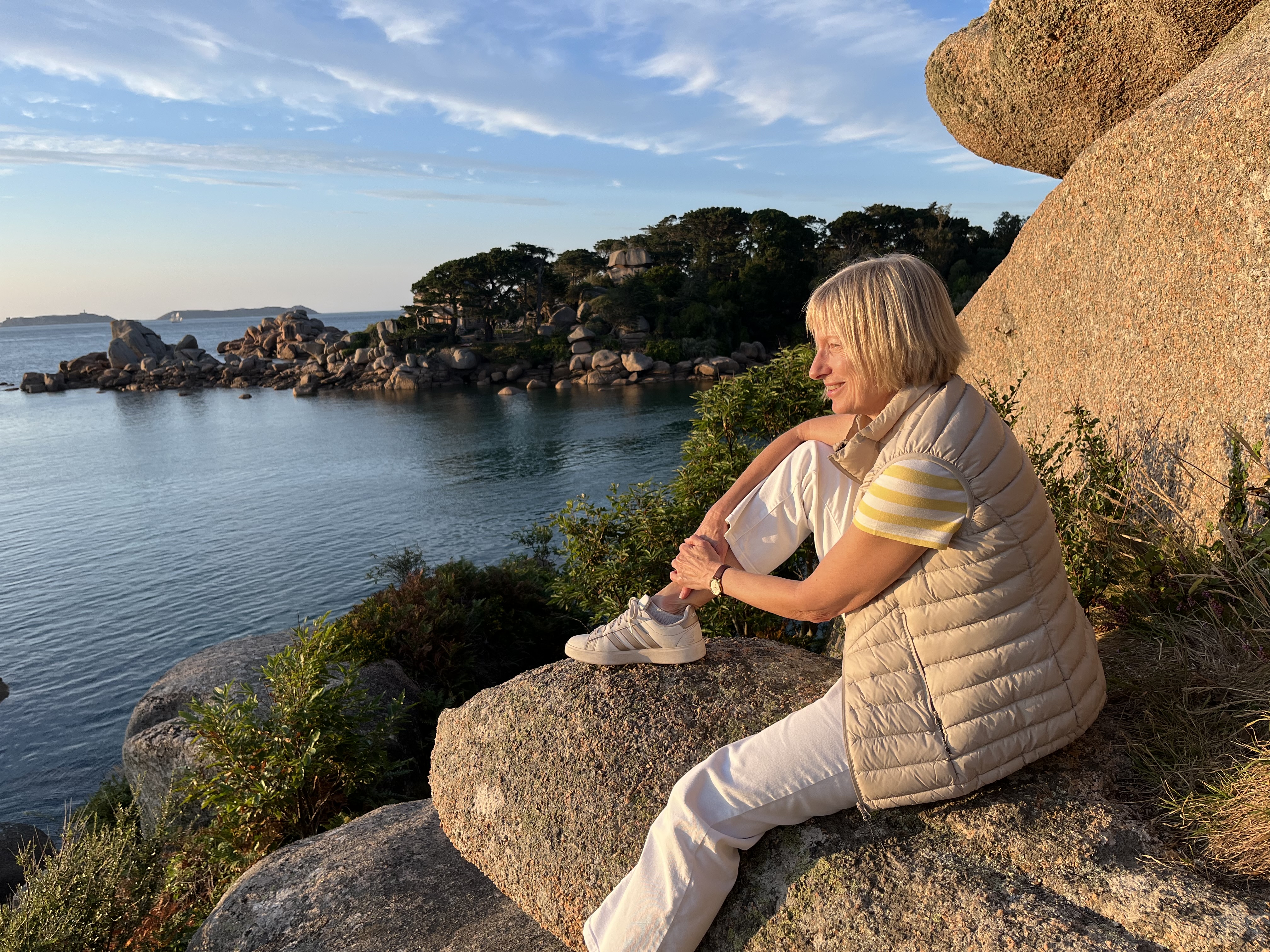
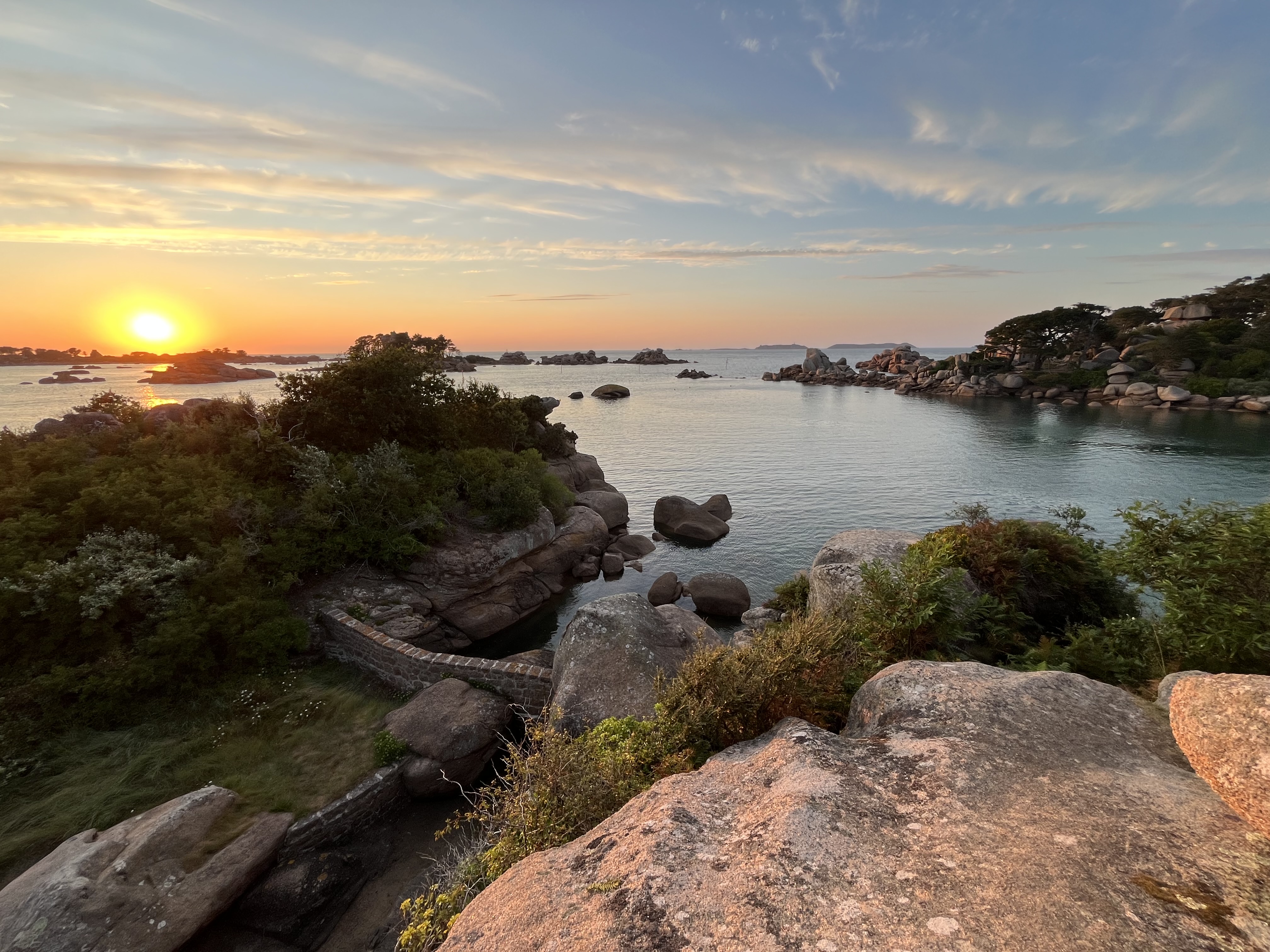
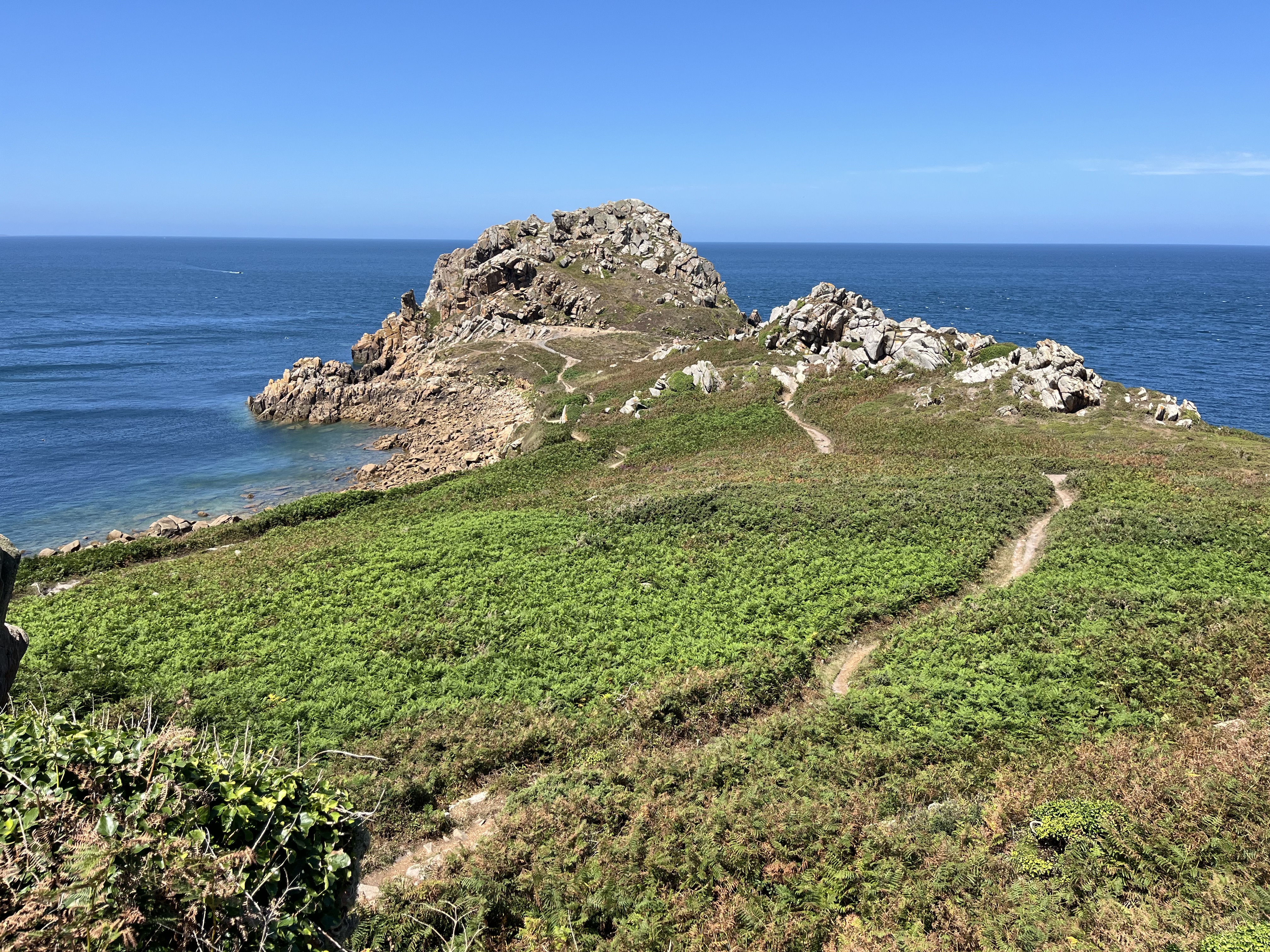
Our first stop was Ploumanach with its pink colored, big, rounded rocks on the north coast. We didn’t have a lot of expectations and were very surprised by how interesting and beautiful this coastal stretch is. These amazing rocks under clear, blue skies, together with the deep blue to greenish sparkle of the Atlantic, made for outstanding scenery:
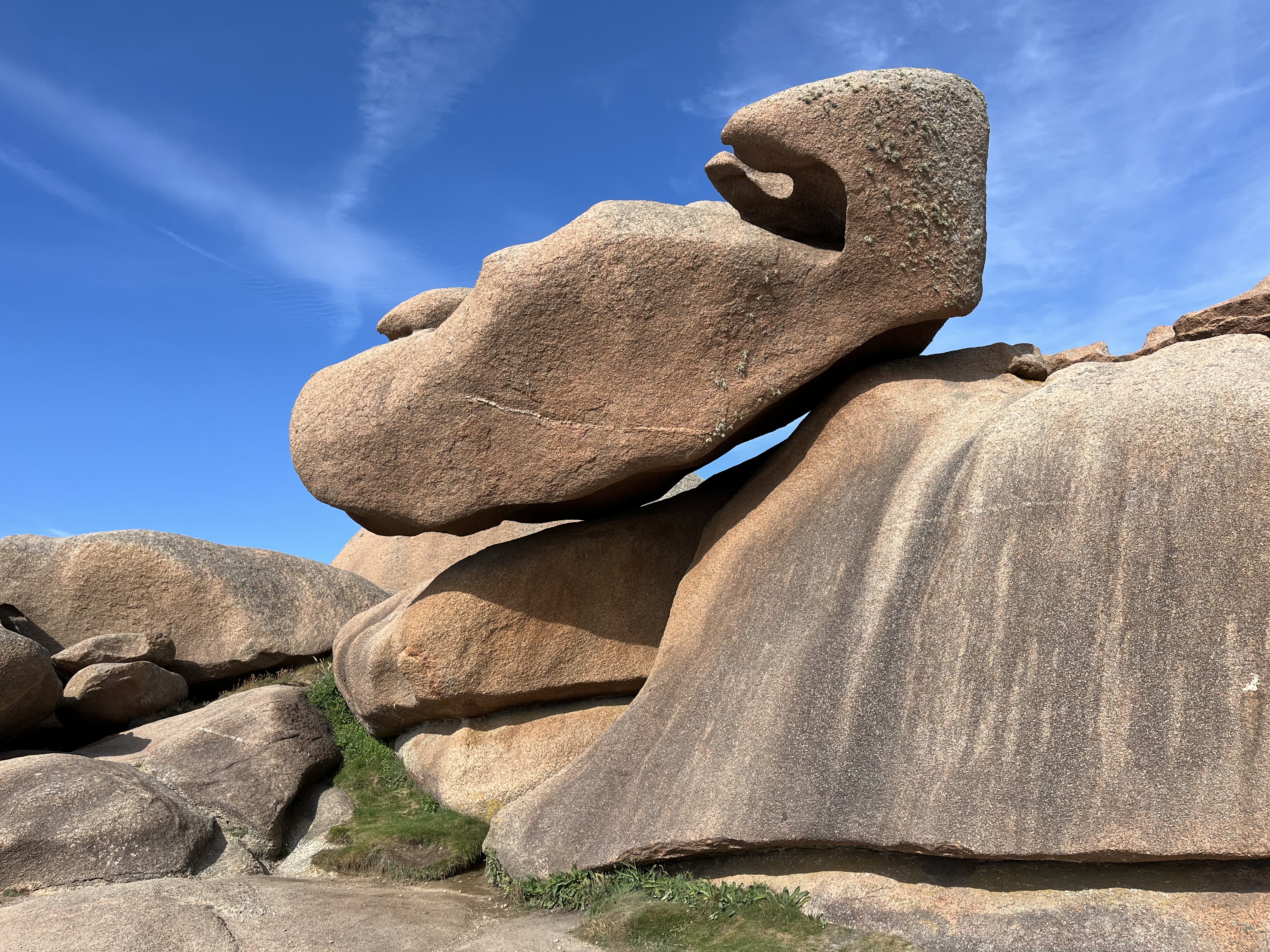
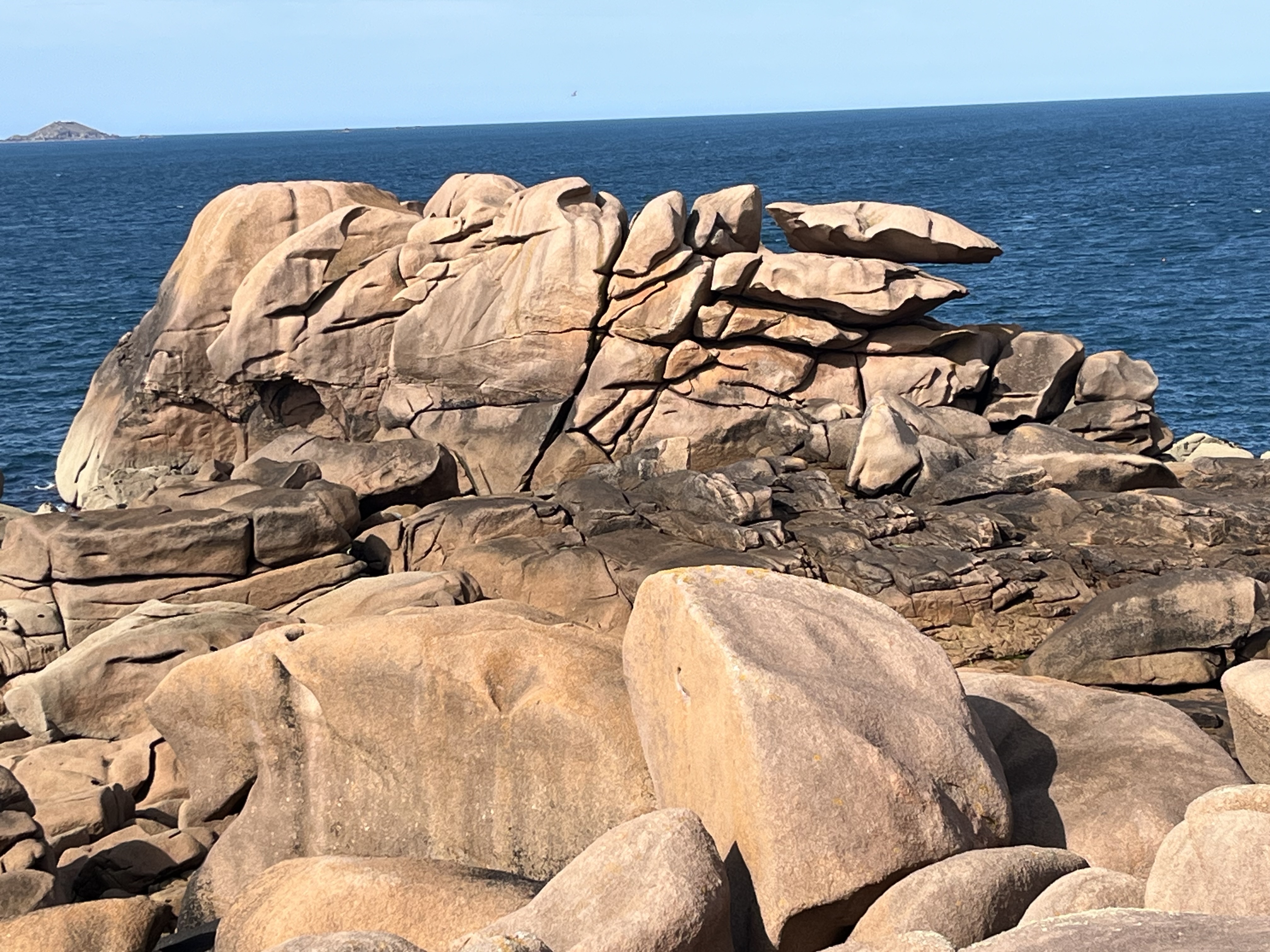
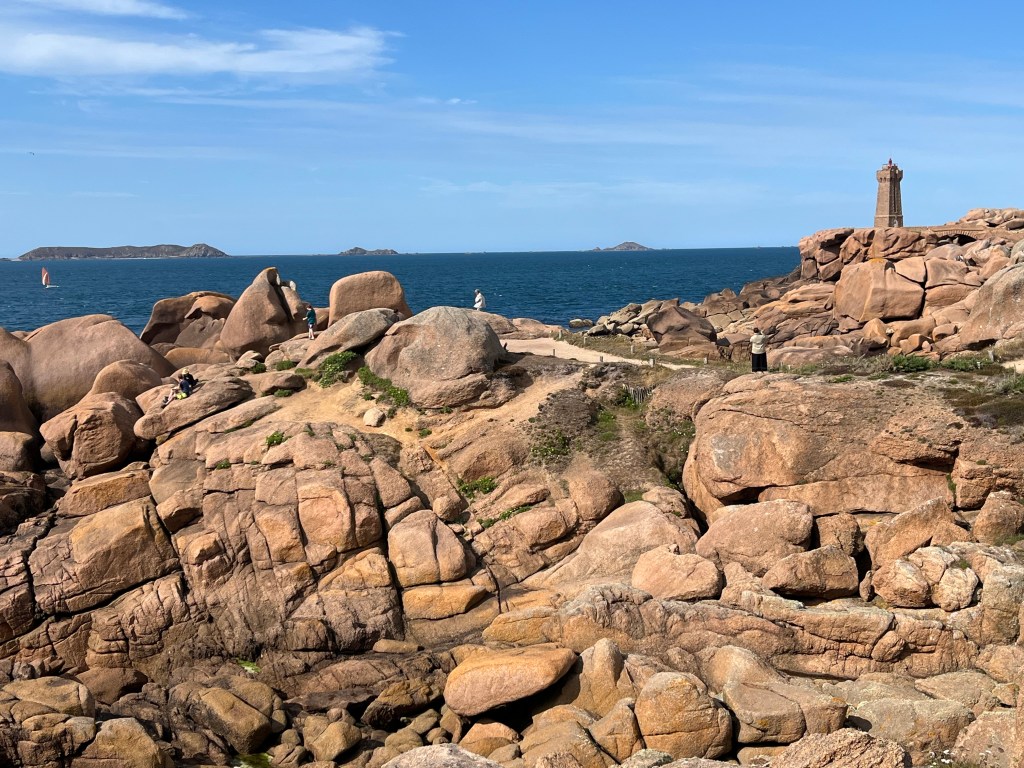
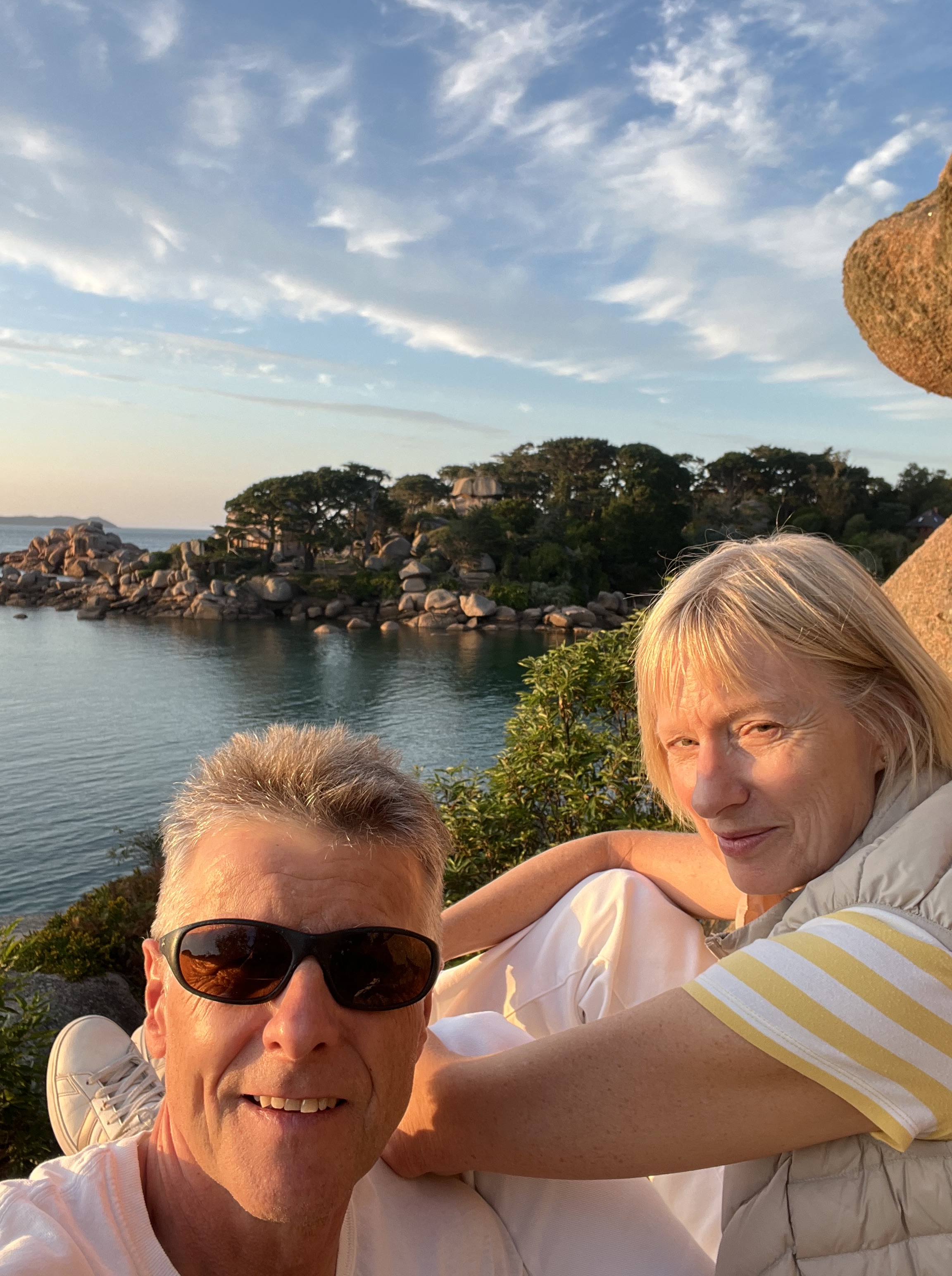
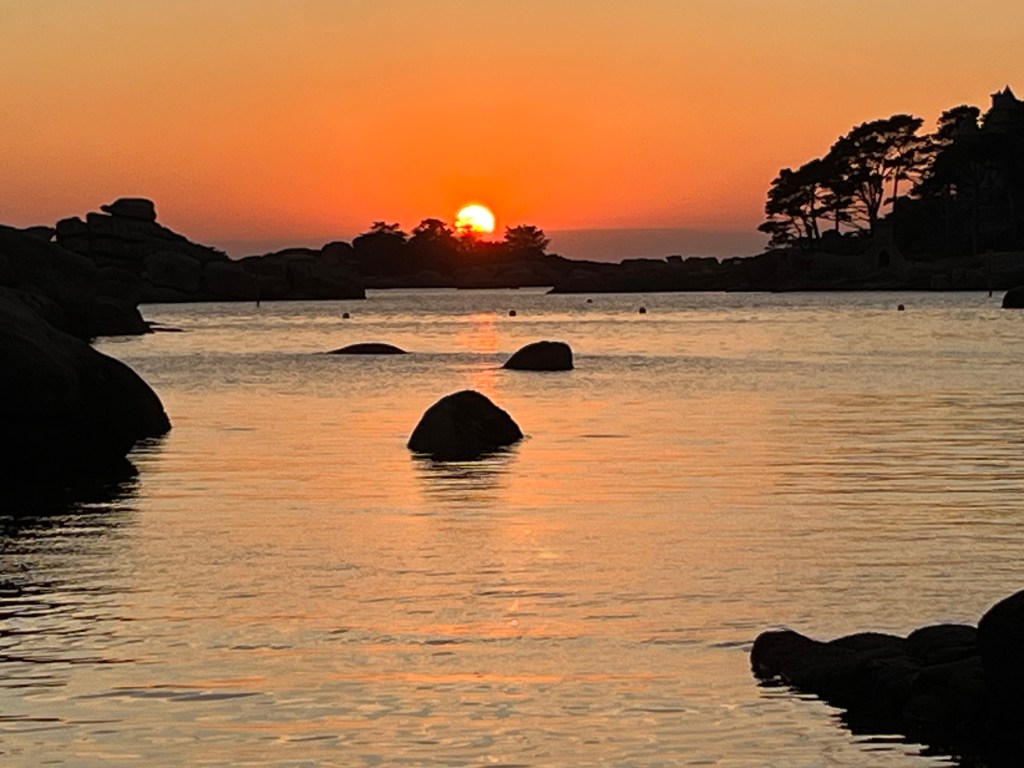
And then the weather gods tipped it off by treating us to a gorgeous sunset over the bay. That single day was already worth the drive:
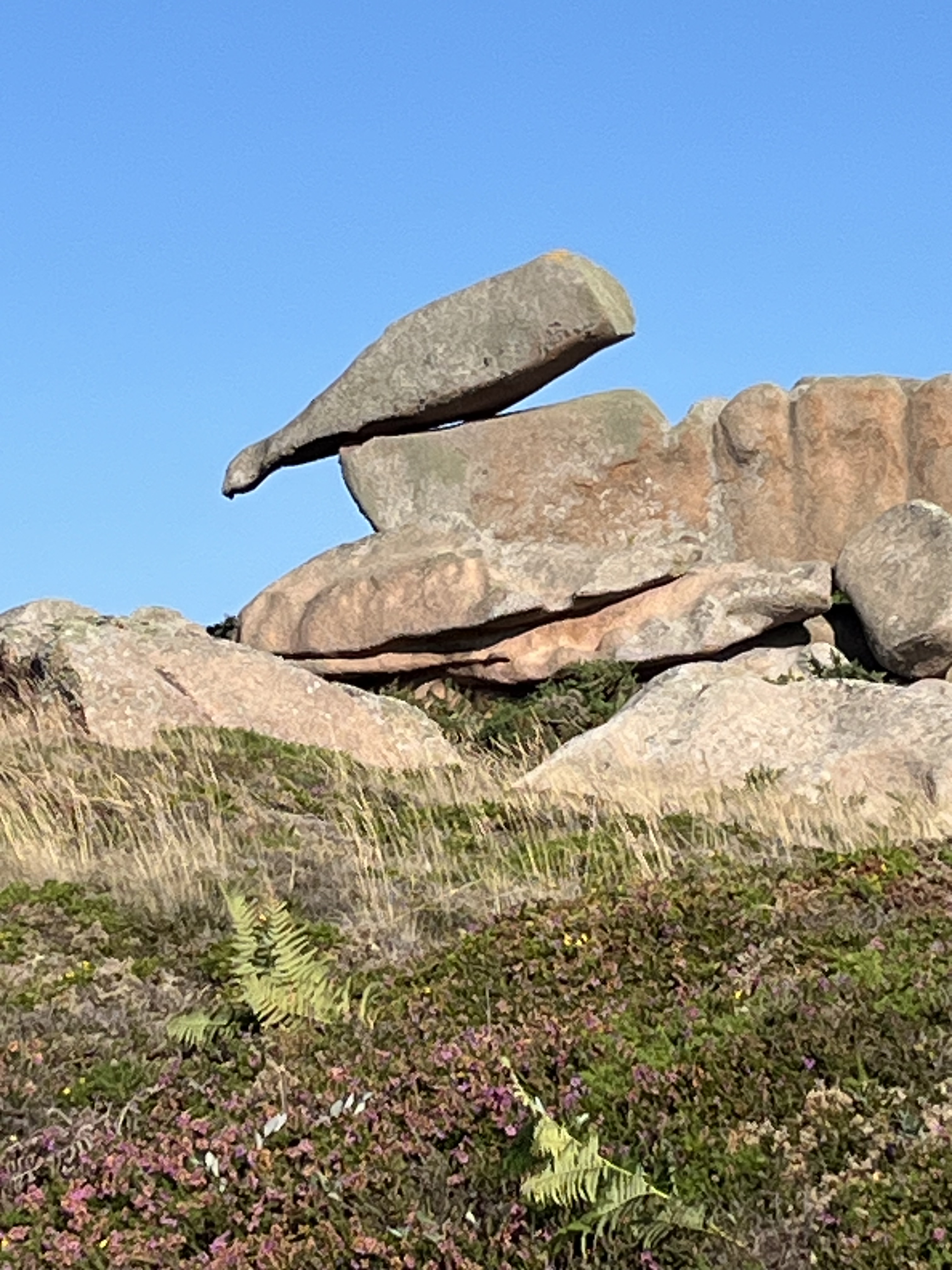
And below, a pink rock whale cresting out of the Atlantic:
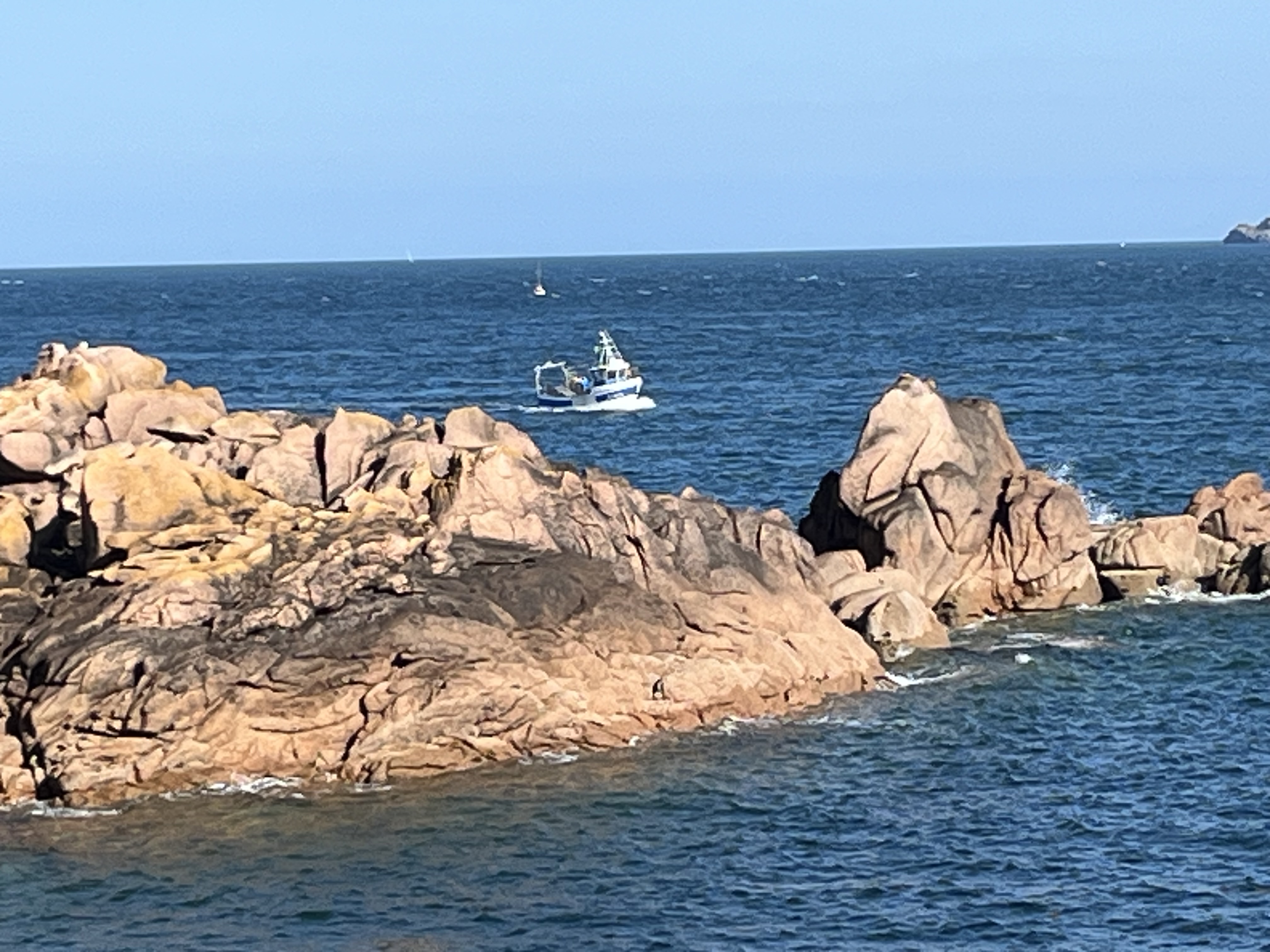
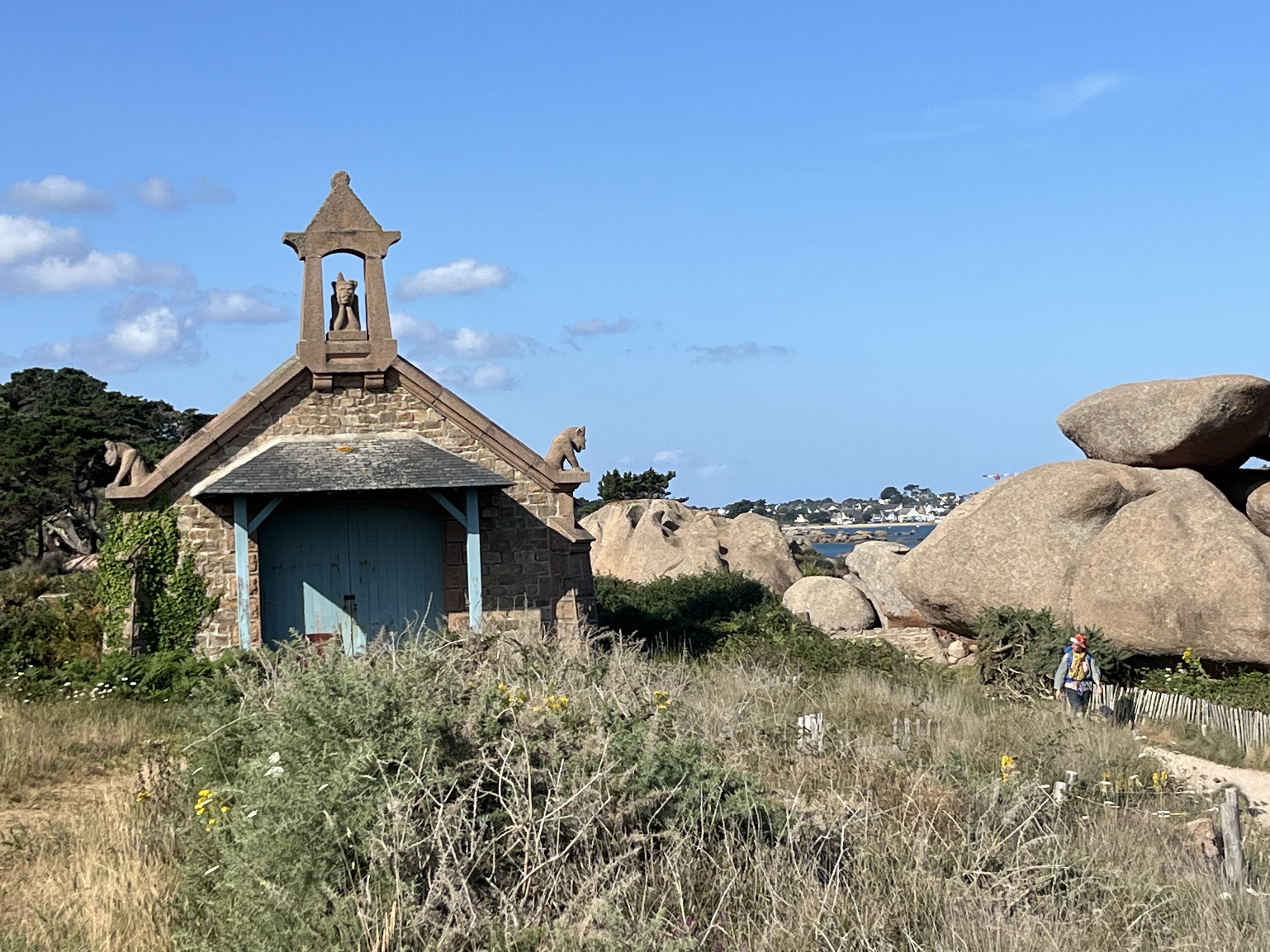
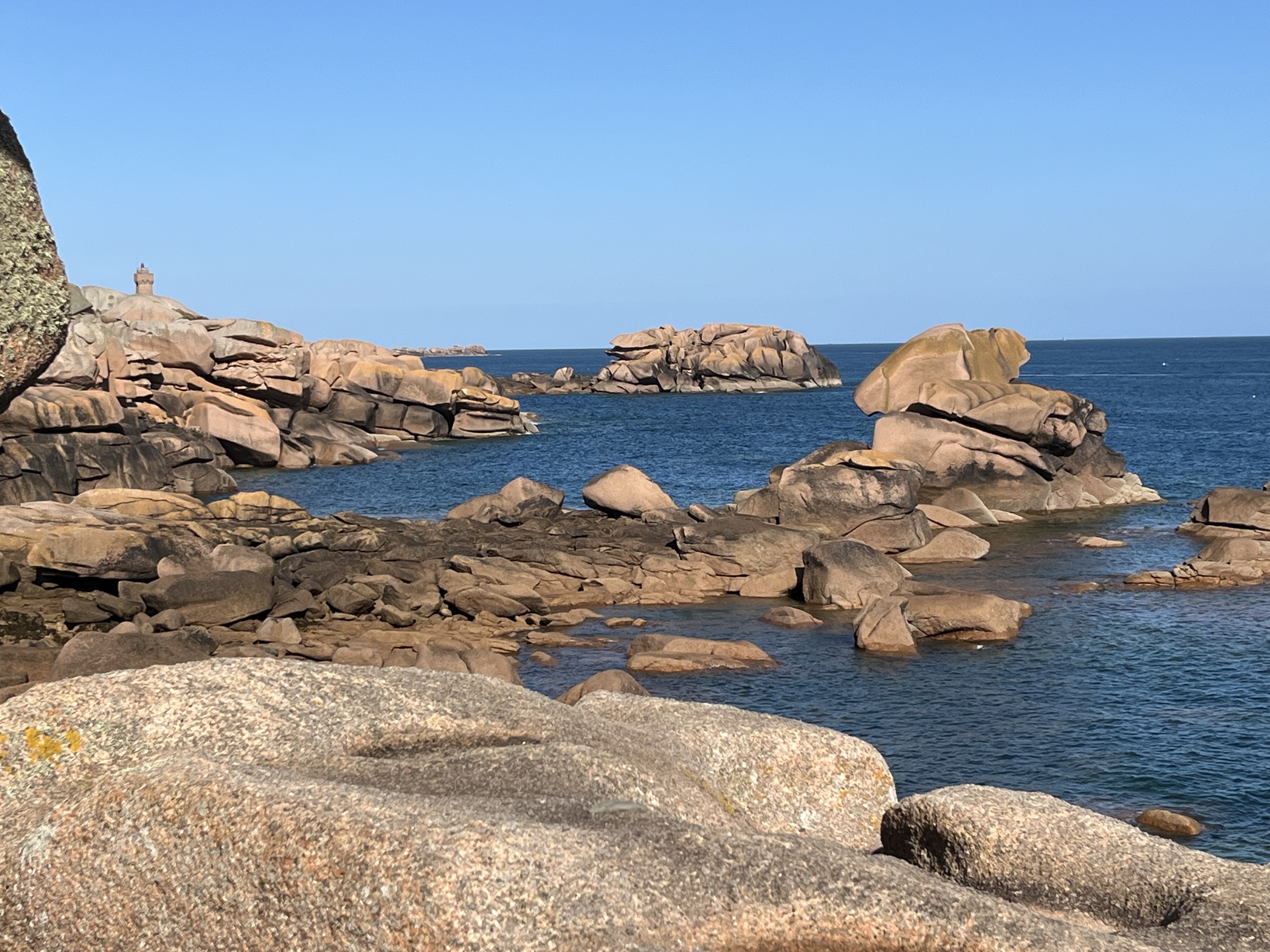
Brittany, is a culturally different region of France. It is home of the Breton people who are of Celtic origin and culturally more closely related to the Irish, Cornish, and Welsh than the French. Their Breton language is the only Celtic language still spoken on the European mainland. Here, all road signs list names in French, as well as in Breton, and a lot of names of towns sound and are spelled similarly in Breton. For instance, over 150 of town names in Brittany start with “Plou…”, meaning community or parish, and just like in the SW of France, a lot of those town names end with “…ac”. Yes, one has to look very closely at the names to distinguish between them.
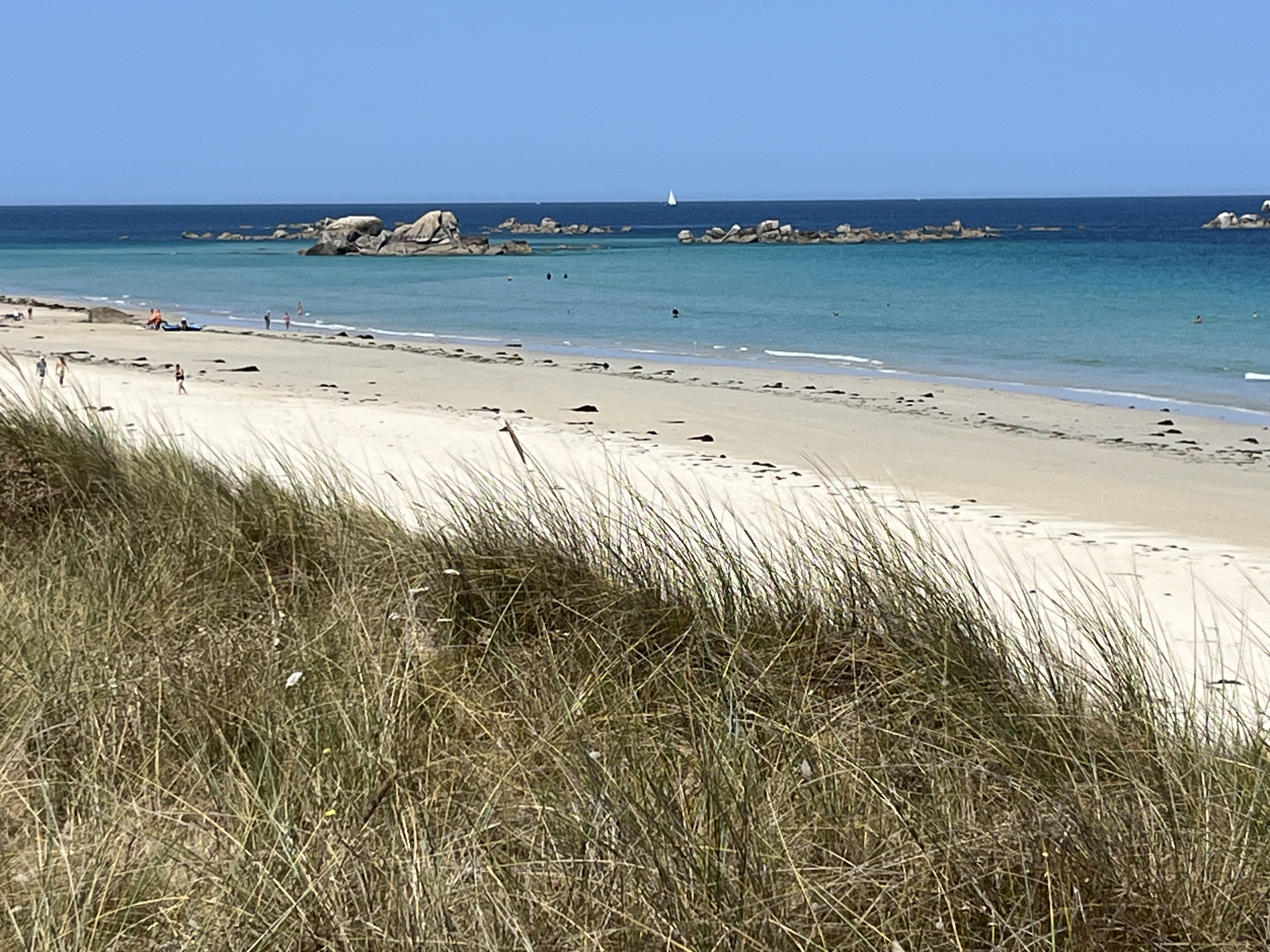
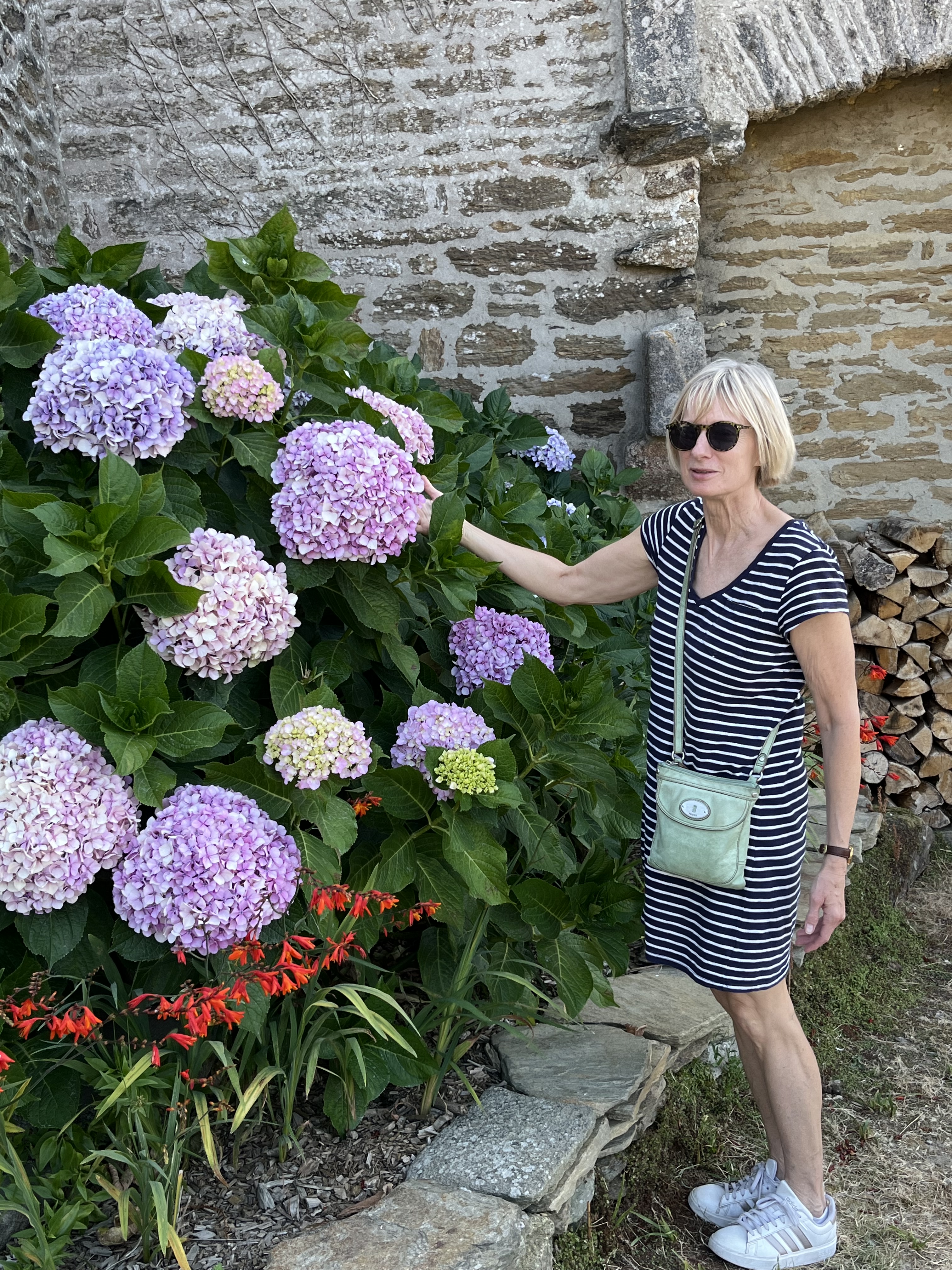
Heading west from the pink rock coast, one encounters lots of shallow sandy beaches, enticing for a swim, – though at 19 celsius, it proved a little chilly for a longer swim without a wetsuit:
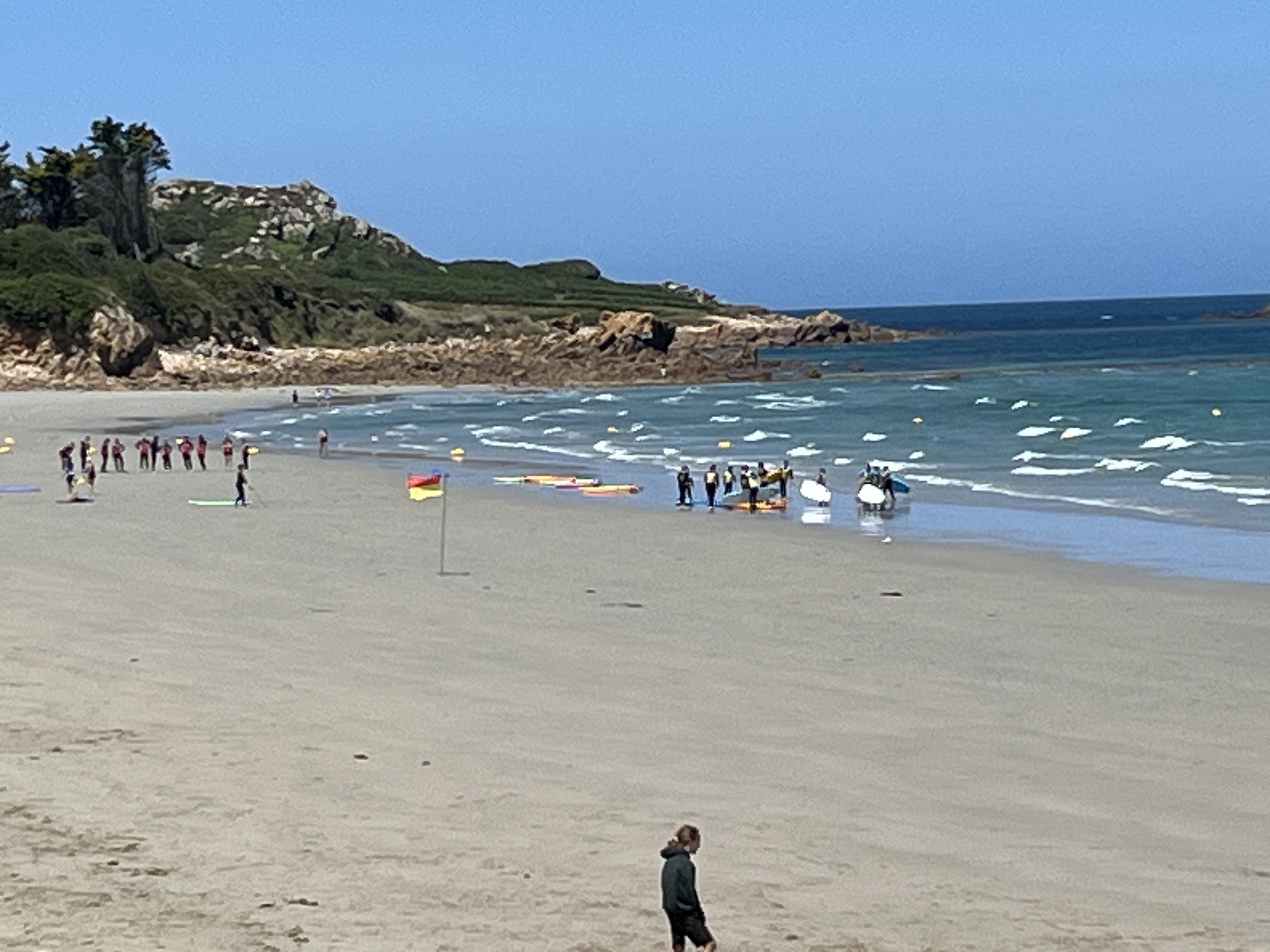
The Atlantic, with it’s distinct blue – turquoise color:
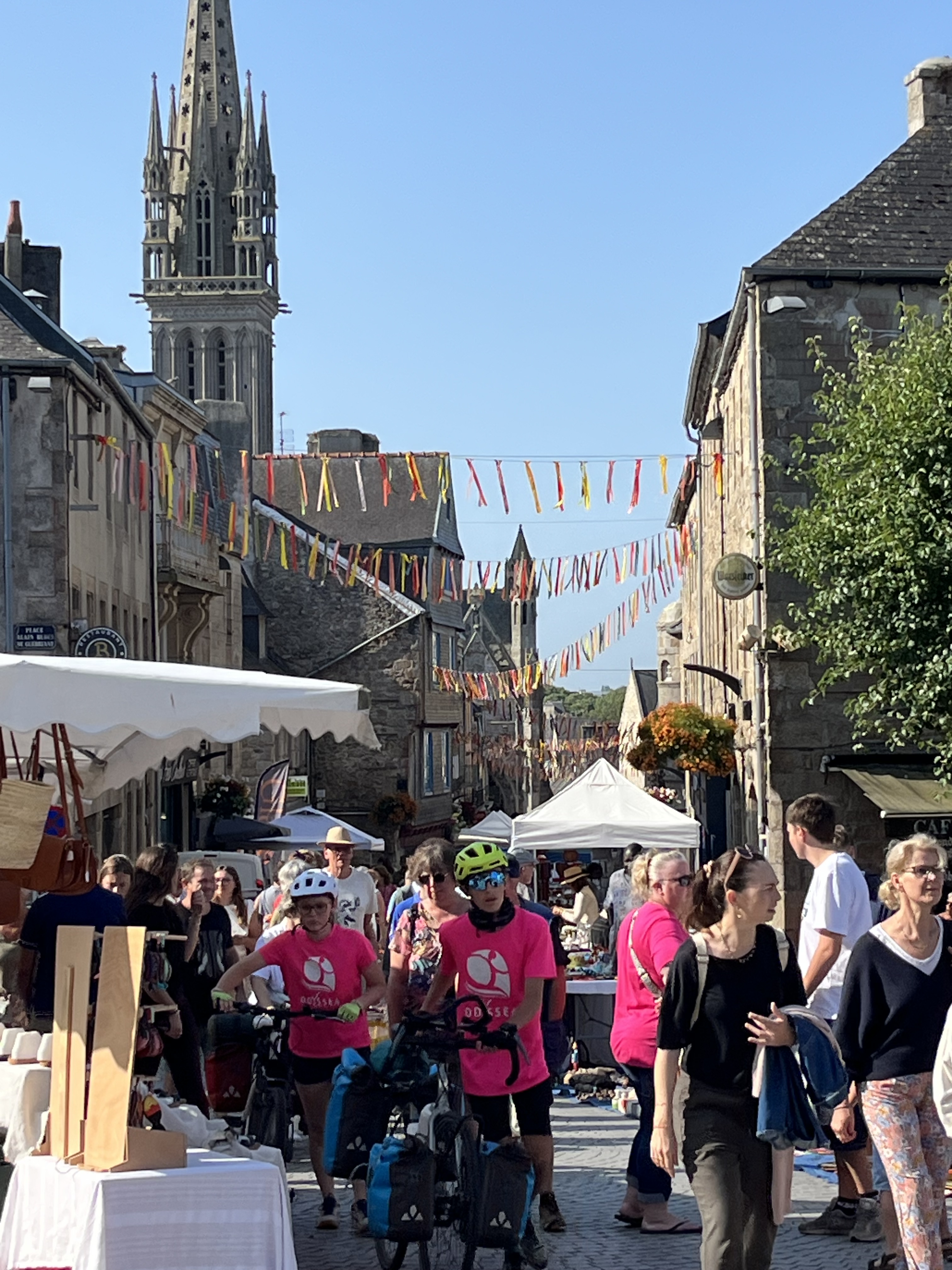
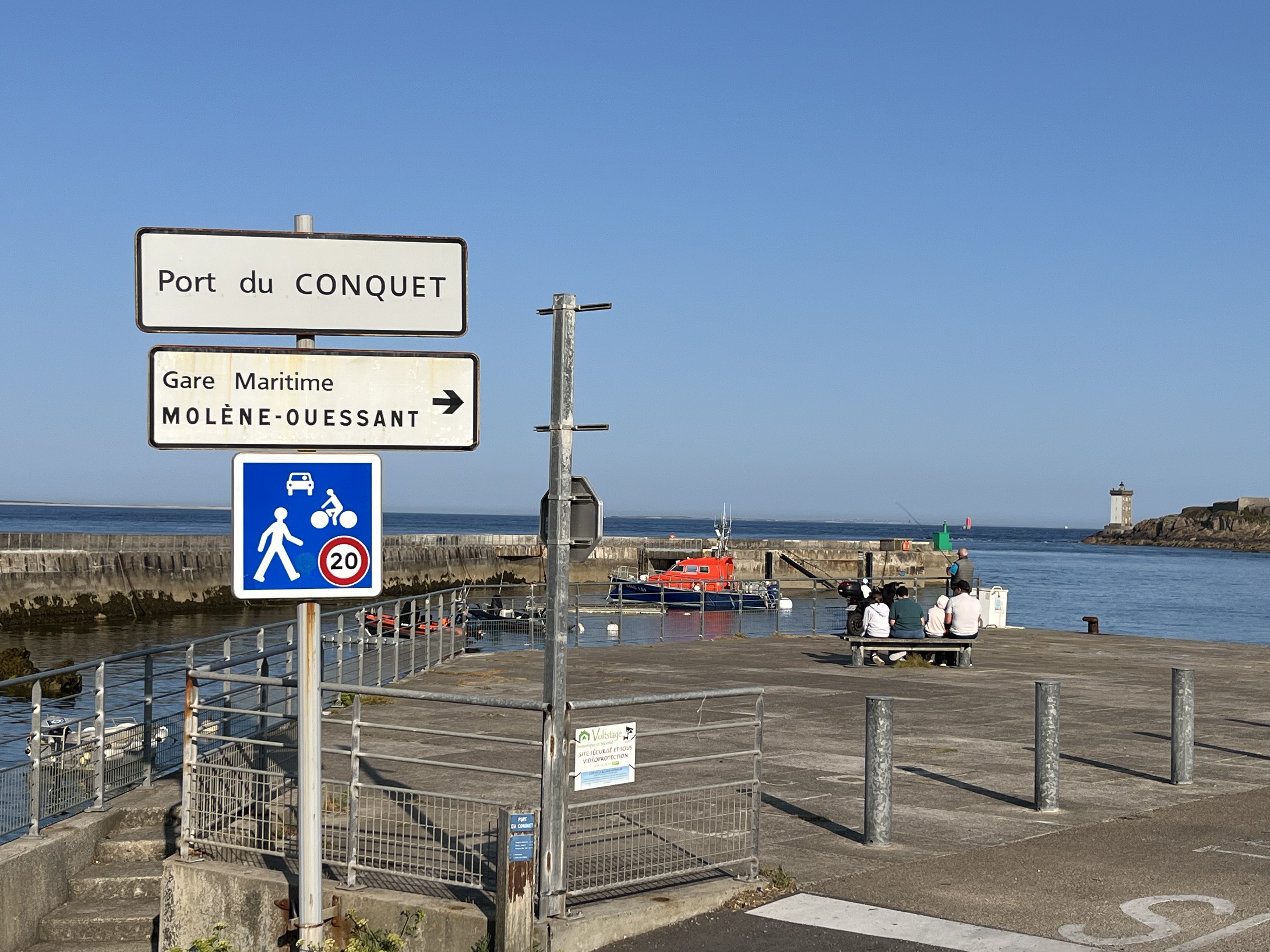
On the western tip of Brittany we spent two nights in Le Conquet, as we had a ferry booked for a day trip to France’s most westerly point, the island of Ouessant:
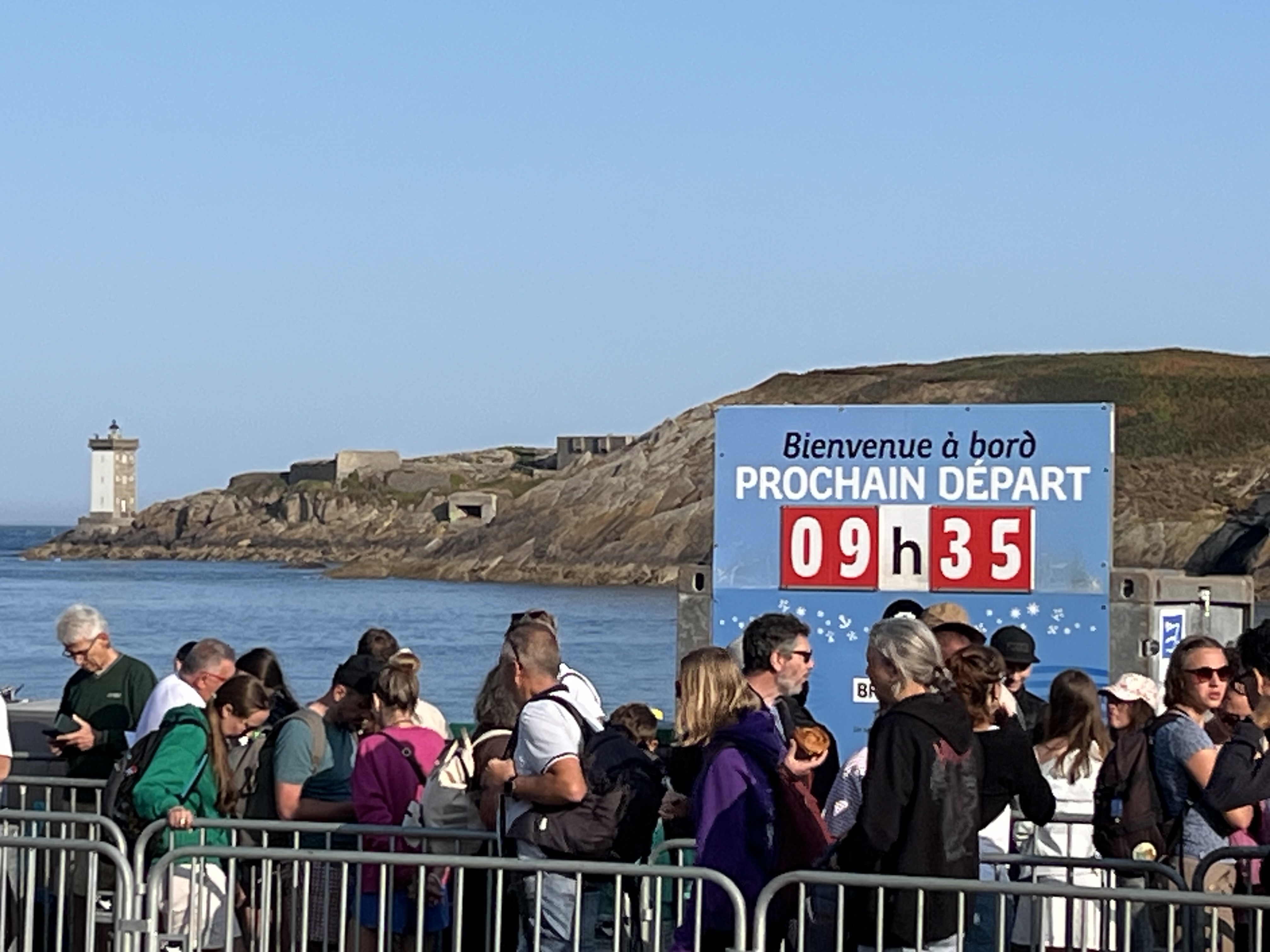
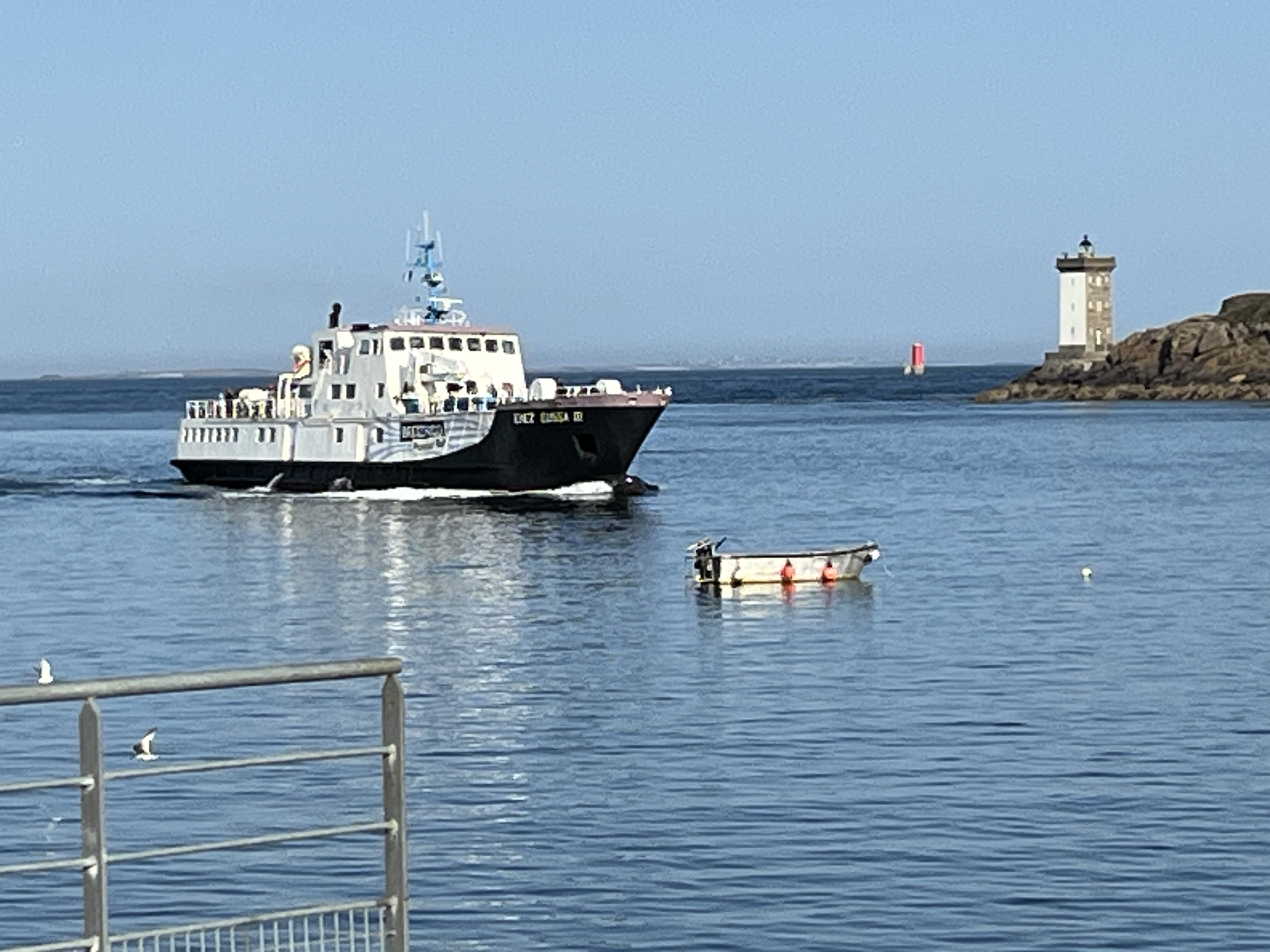
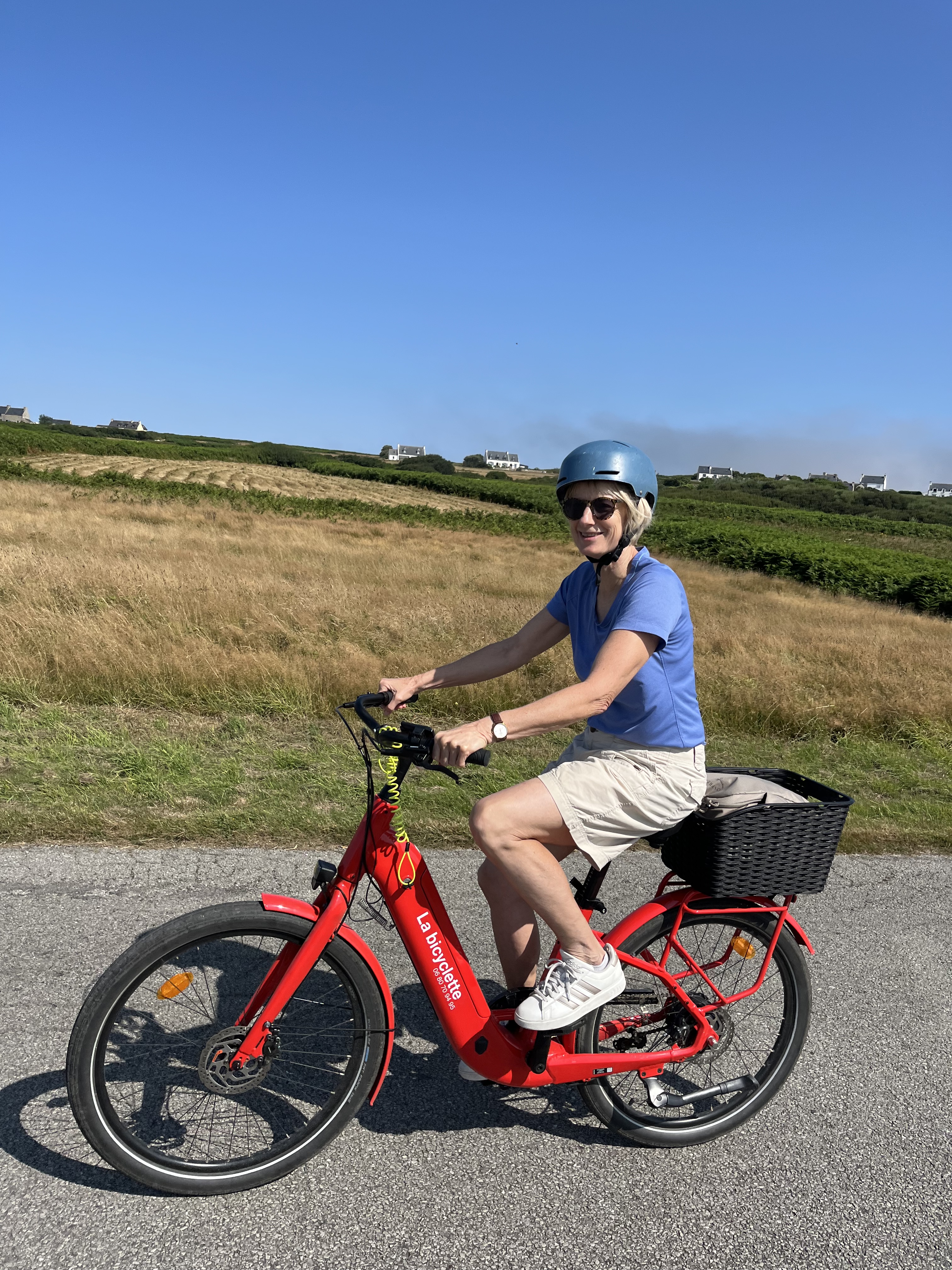
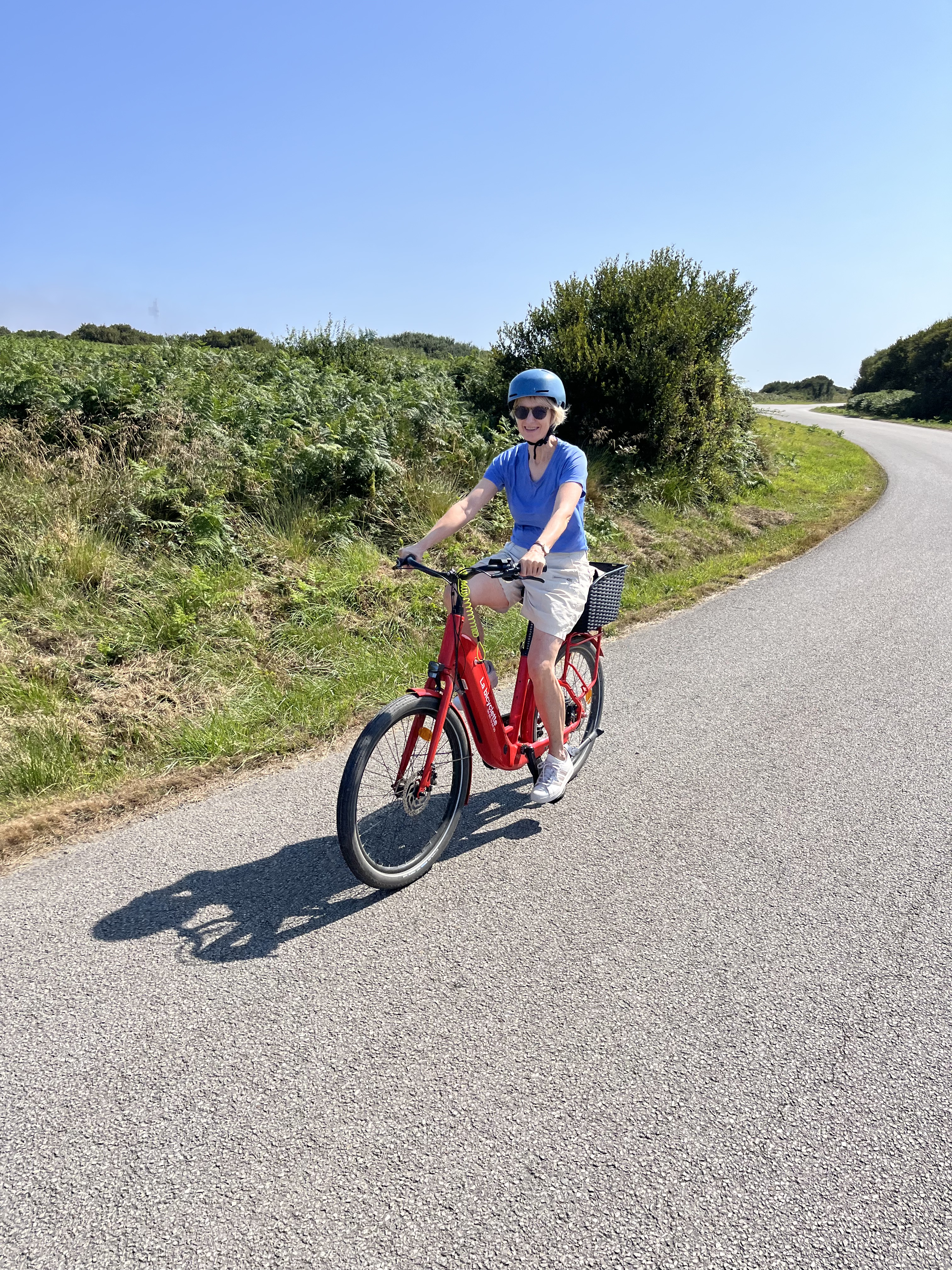
This approximately 5 by 3 mile island was the perfect place to explore by bicycle. Yes, here I finally got Lauri back on a bike for a some adventurous hours, still hoping that the cycling bug will finally bite her for good:
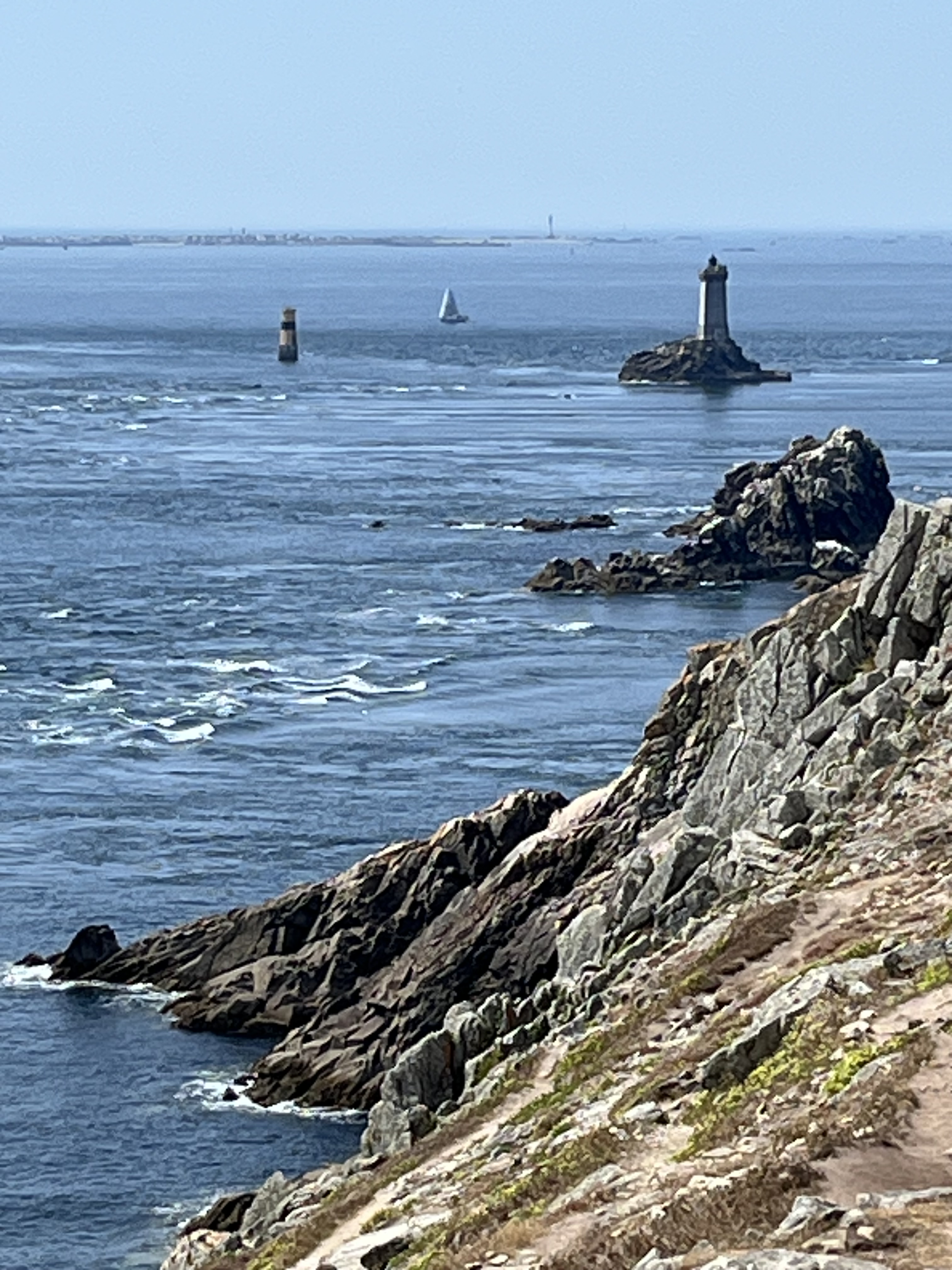
France has about 150 lighthouses along its coastline, and nowhere are they more closely positioned than on Brittany’s rugged coastline, especially around the island group of Ouessant.
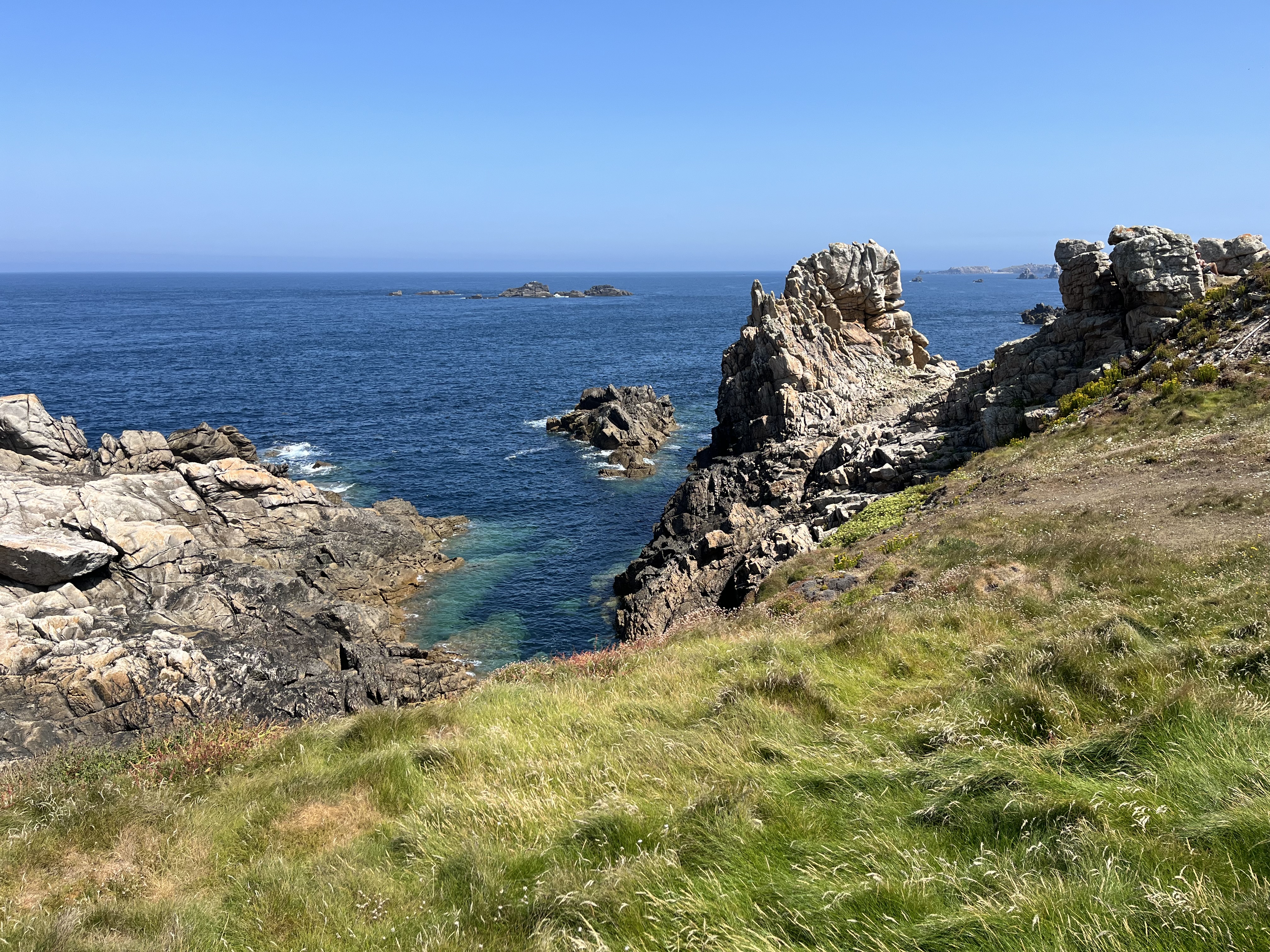
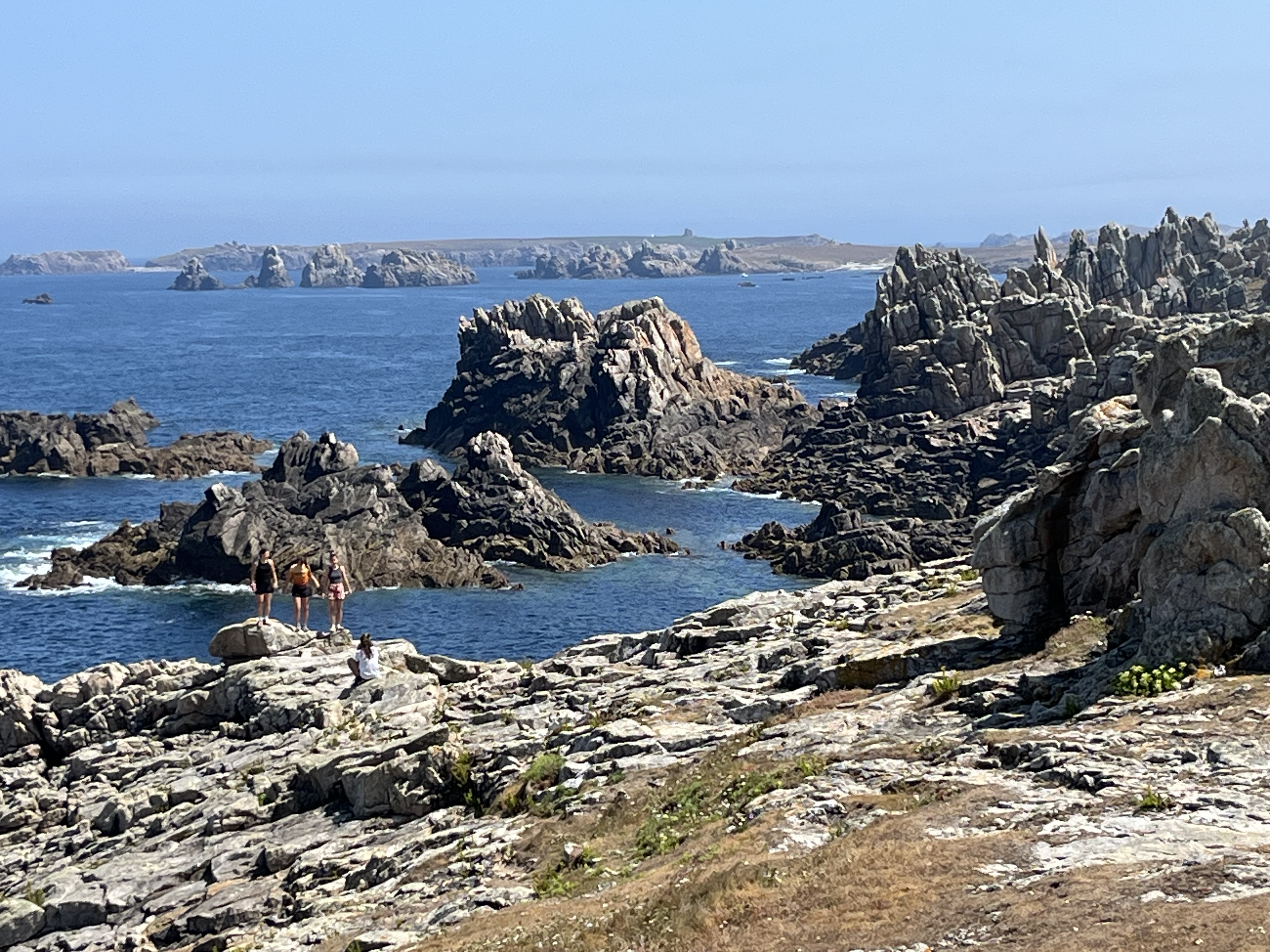
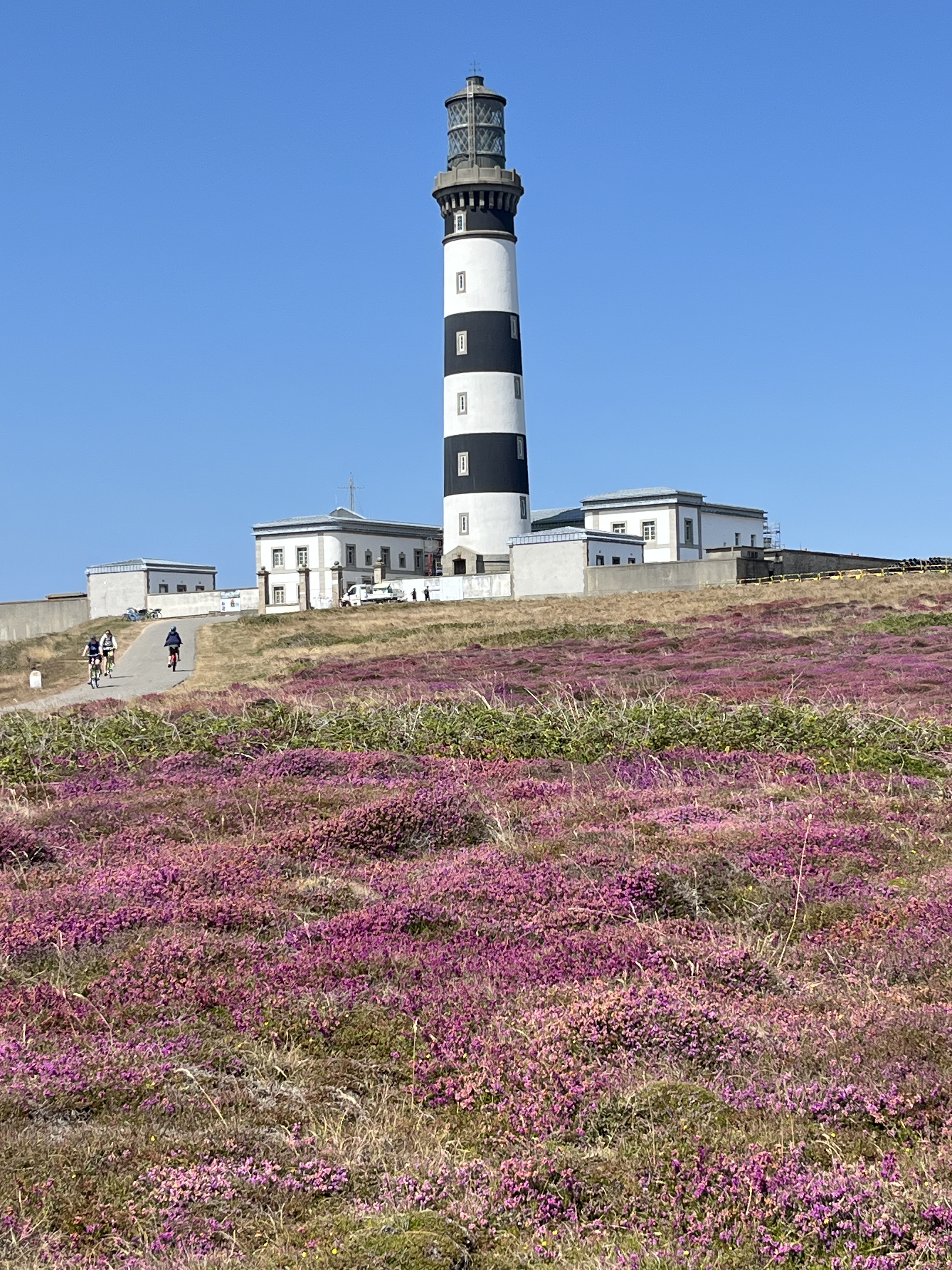
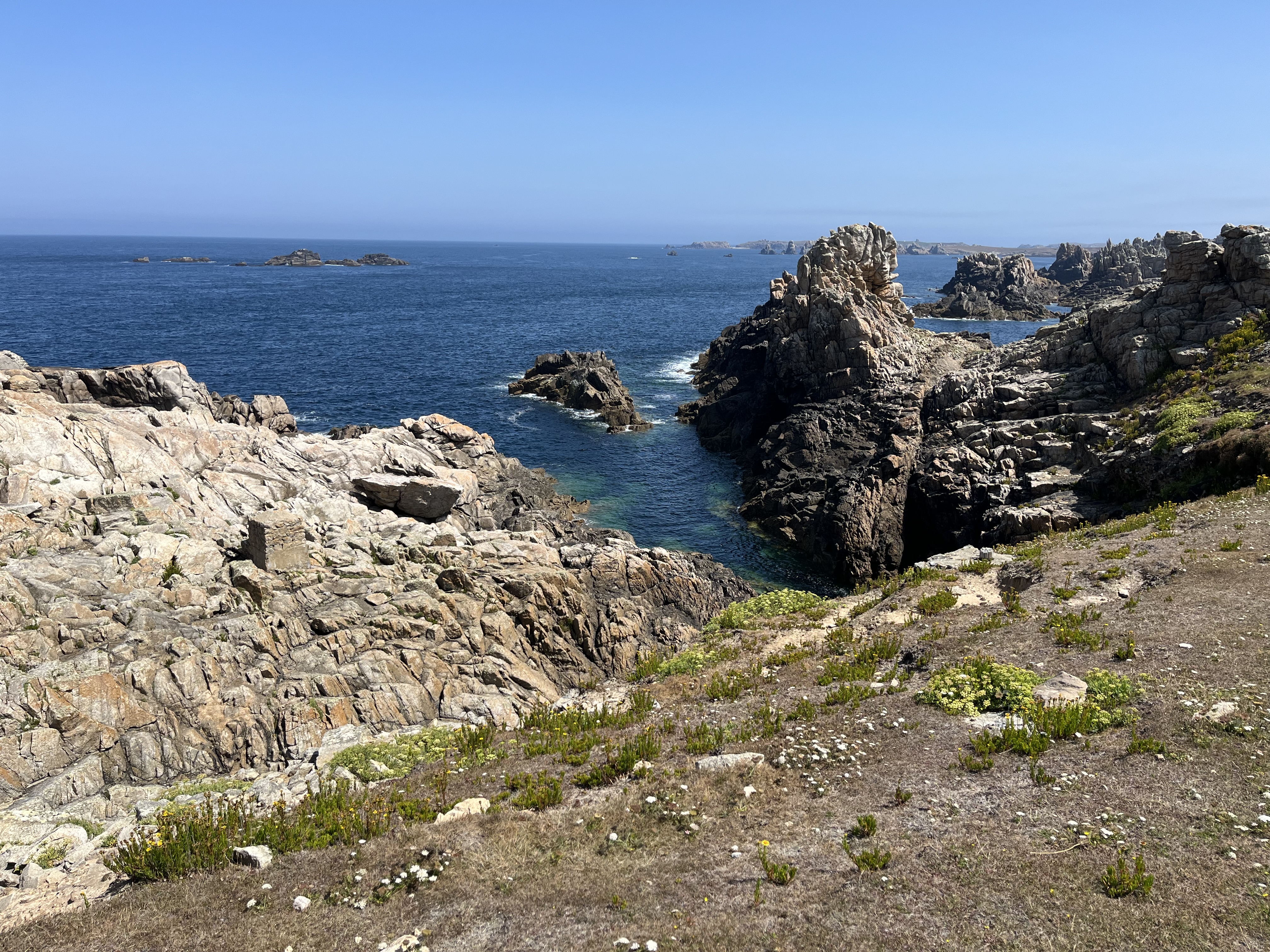
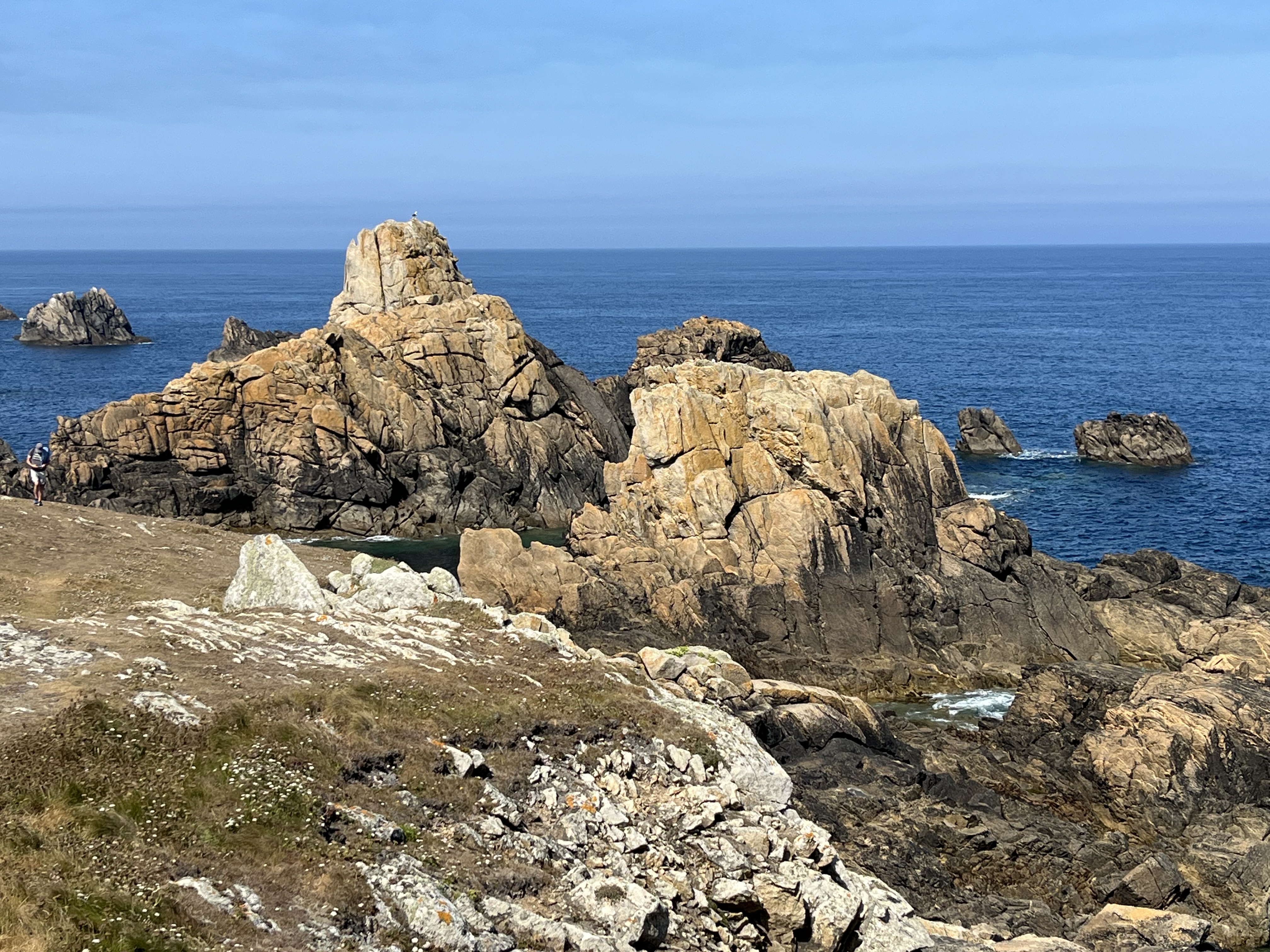
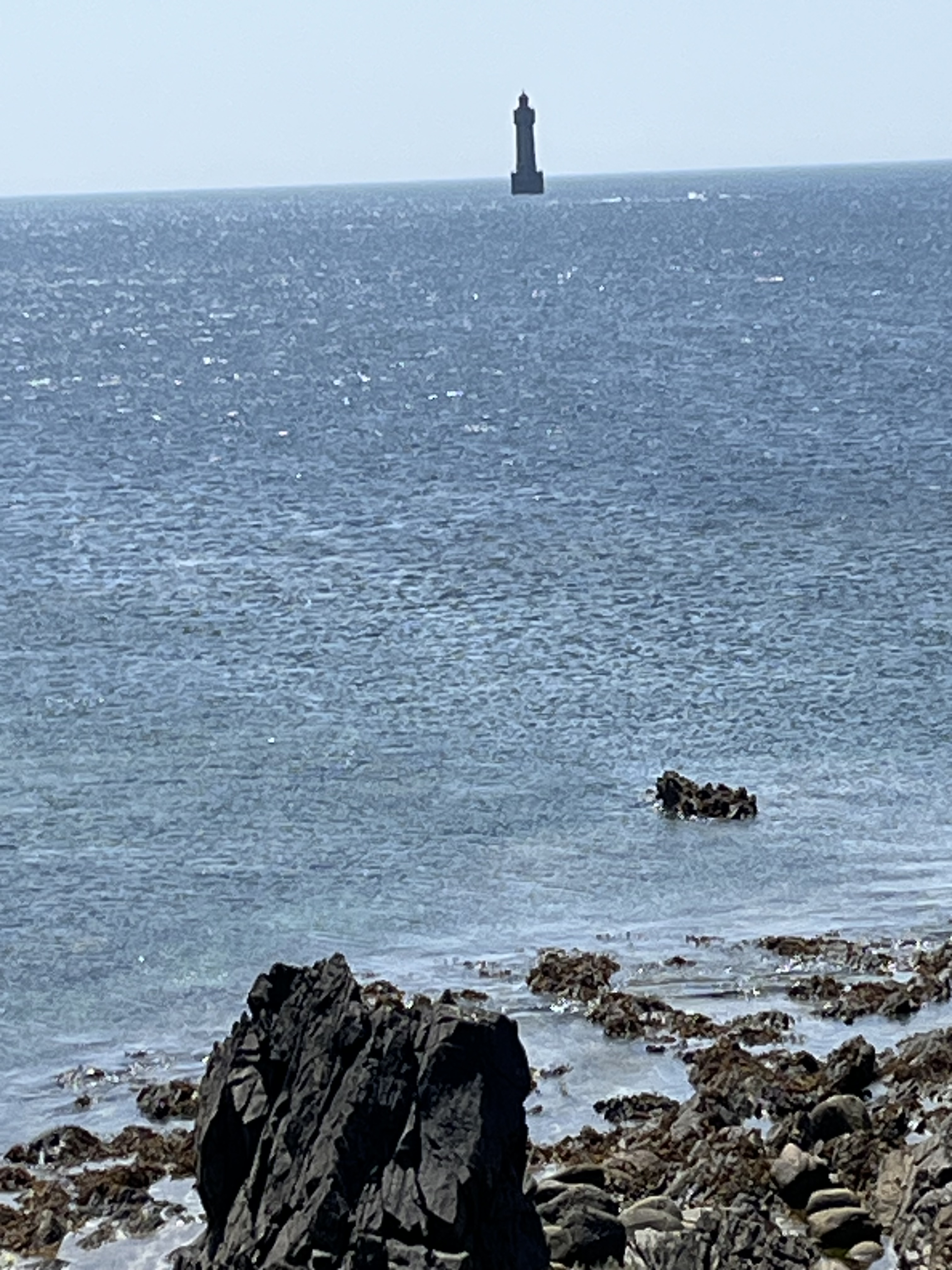
The last picture above shows the famous “Phare de la Jument” lighthouse, about 2 miles off the island’s SW tip. Solely rising out of the Atlantic Ocean, this lighthouse has withstood the onslaught of countless Atlantic storms. The spectacular photo of a huge breaker almost cresting this 155′ structure has been well published and can easily be googled on the web, – it’s worth it!
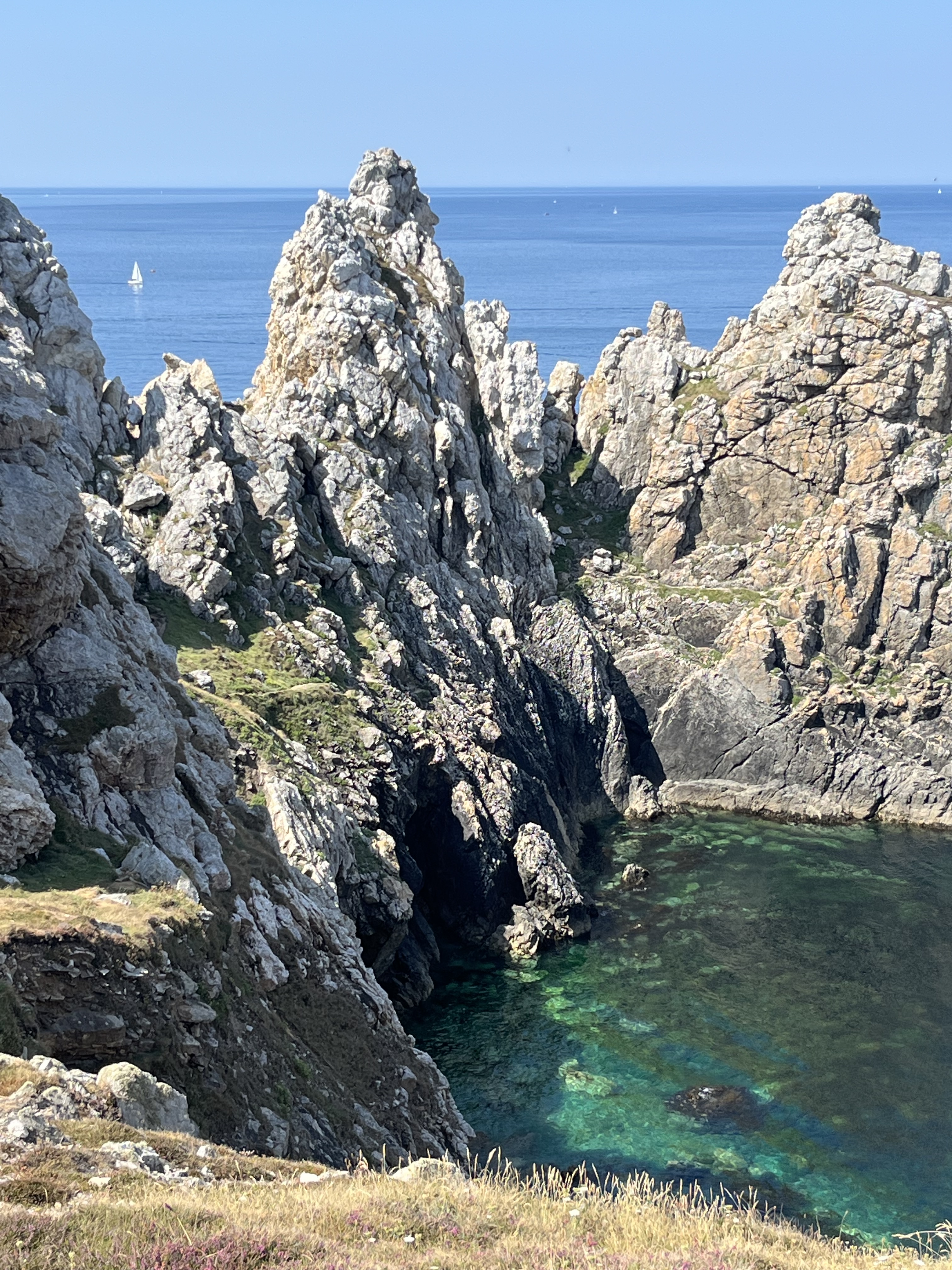
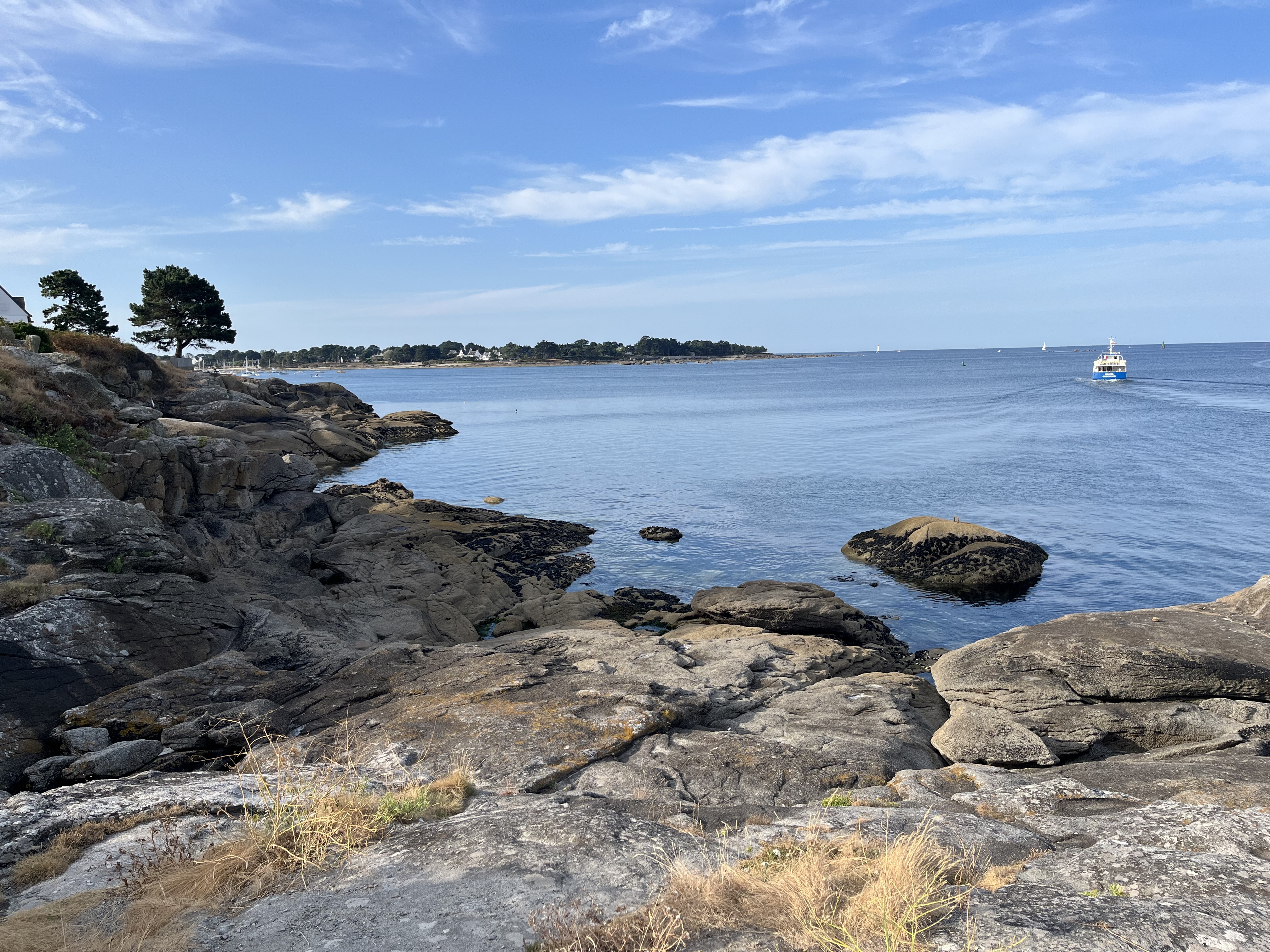
Brest is Brittany’s large harbor town and naval base. The first couple pictures below show the strategically located Brest fortress. The coastline south and east of Brest continues to be very rocky, with some smaller, sandy coved beaches:
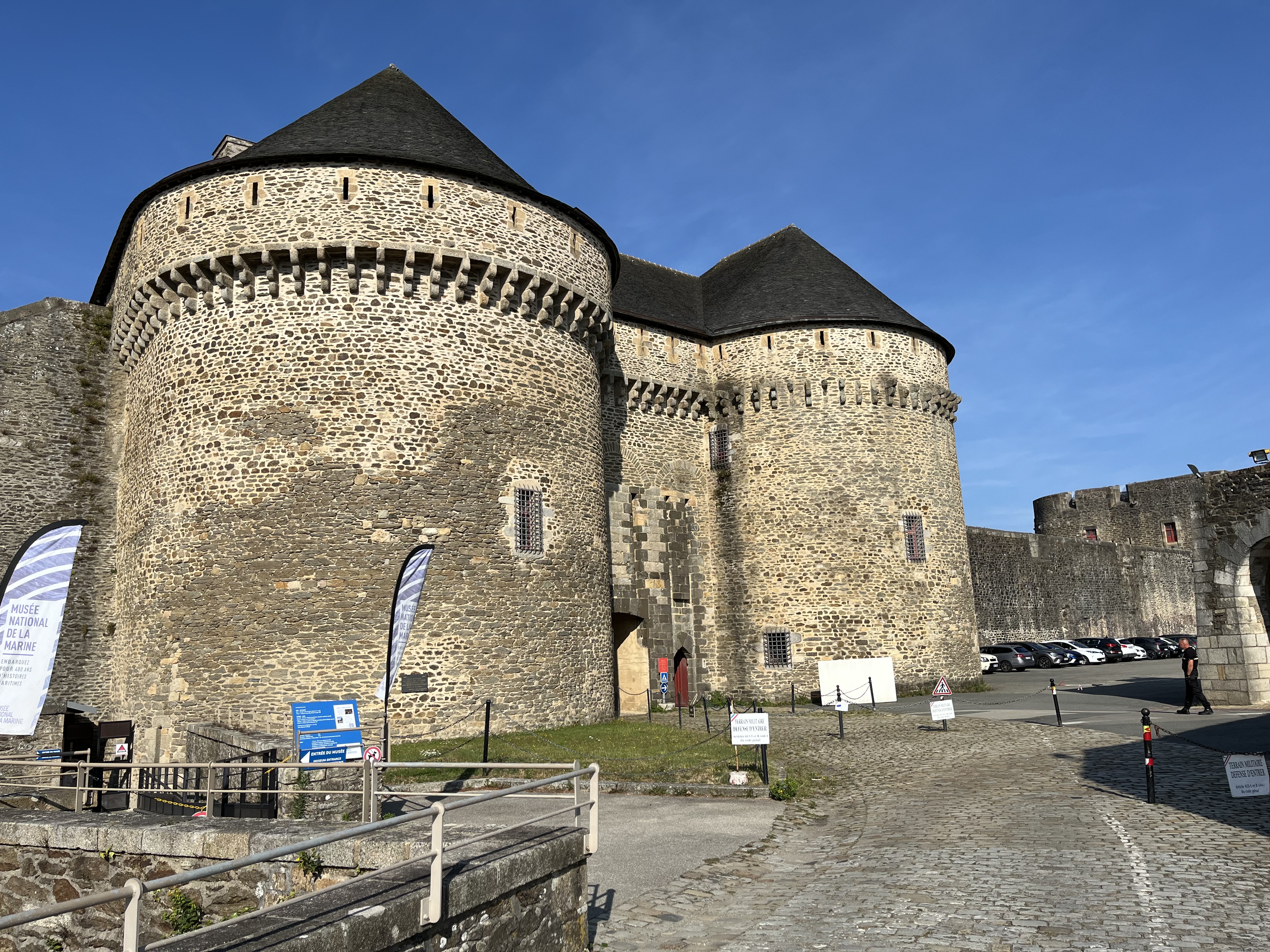
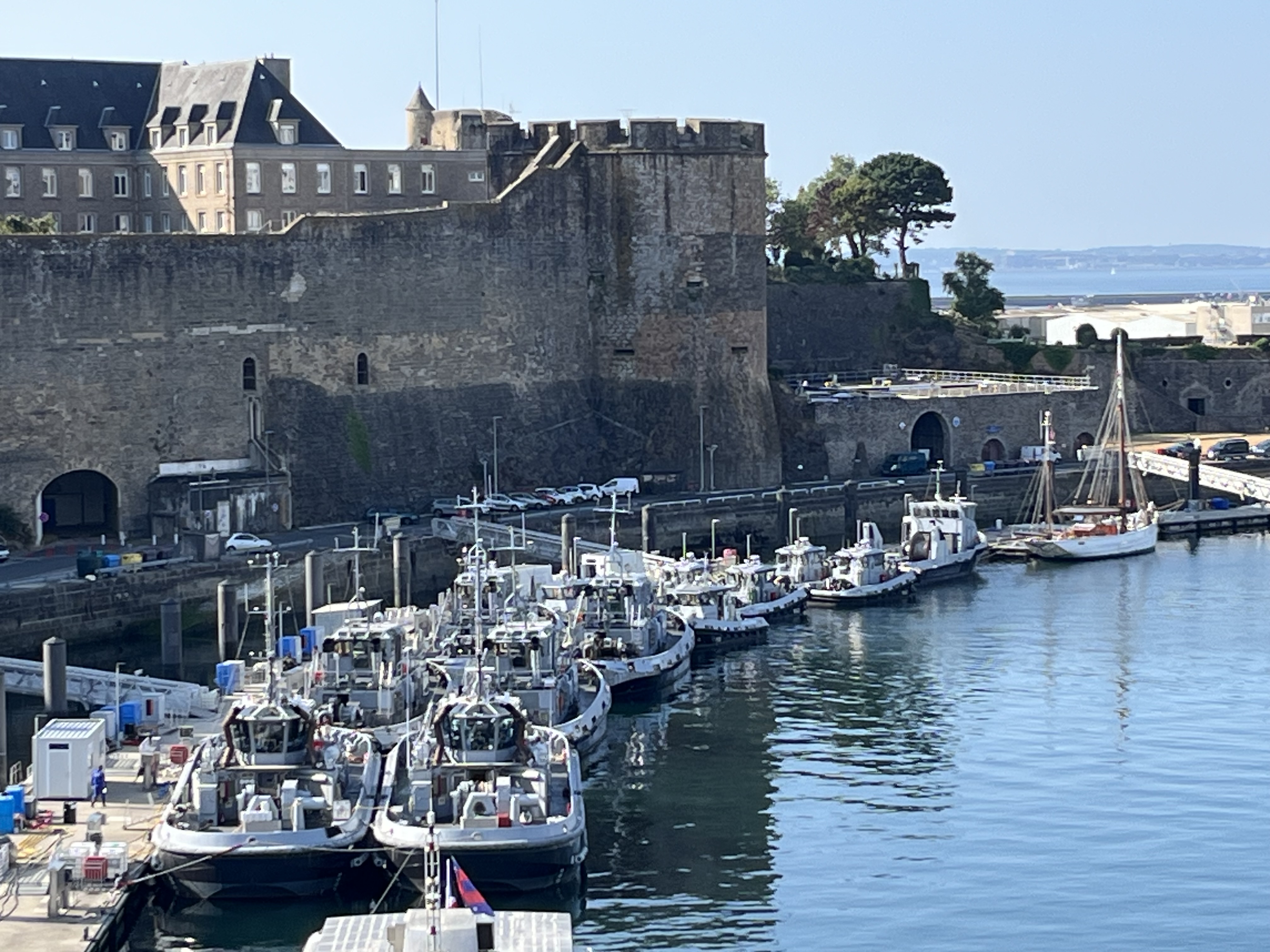
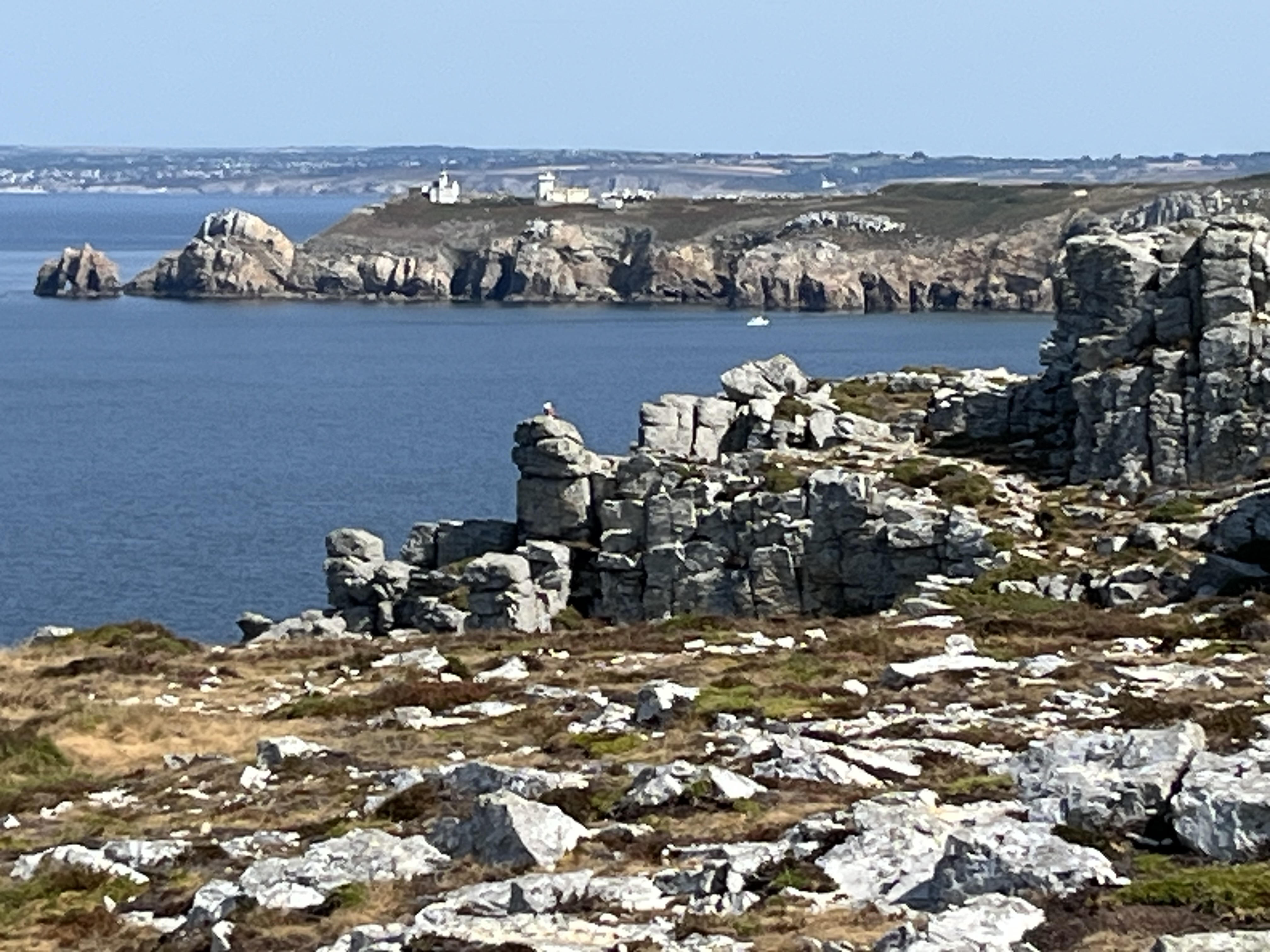
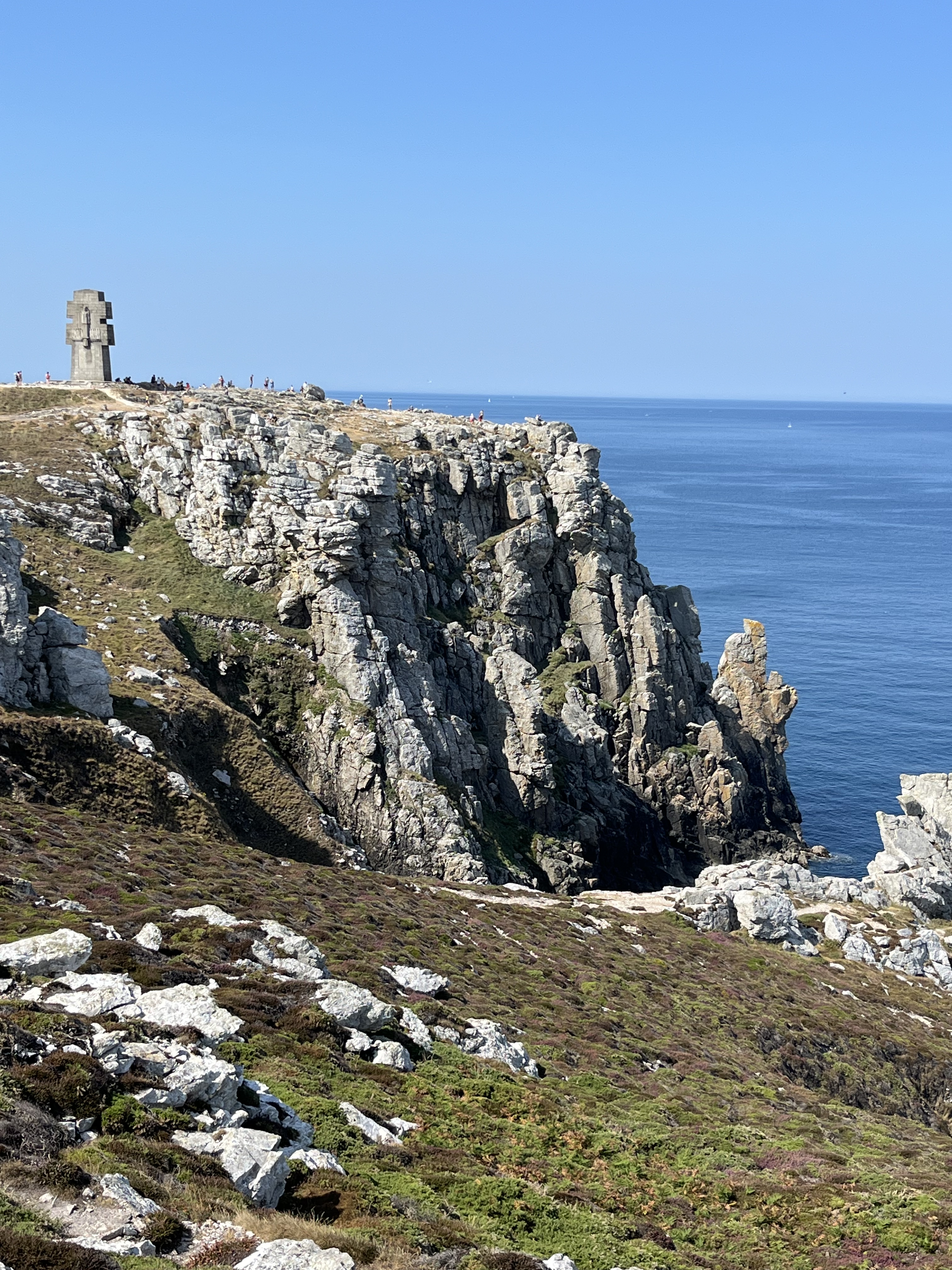
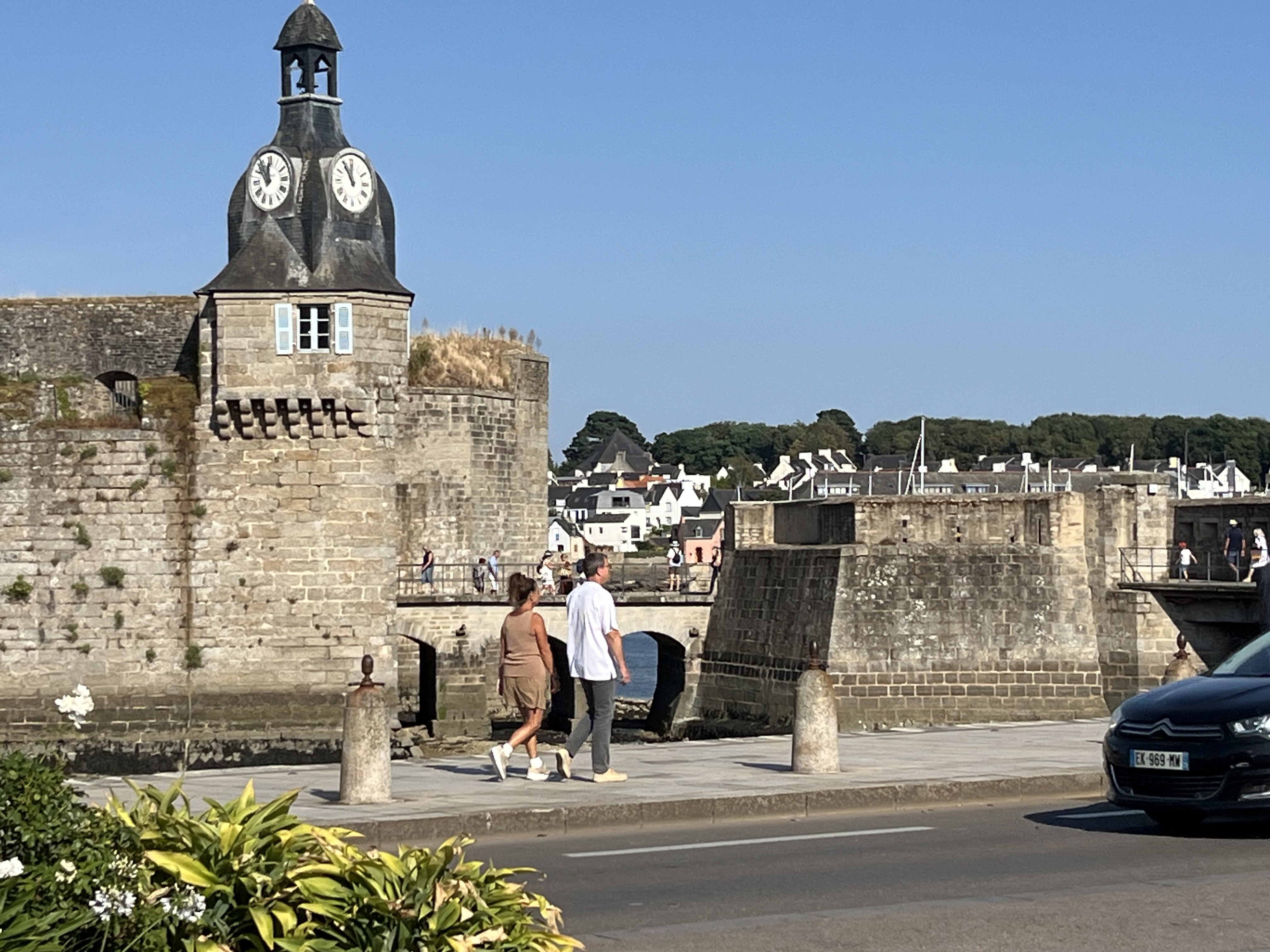
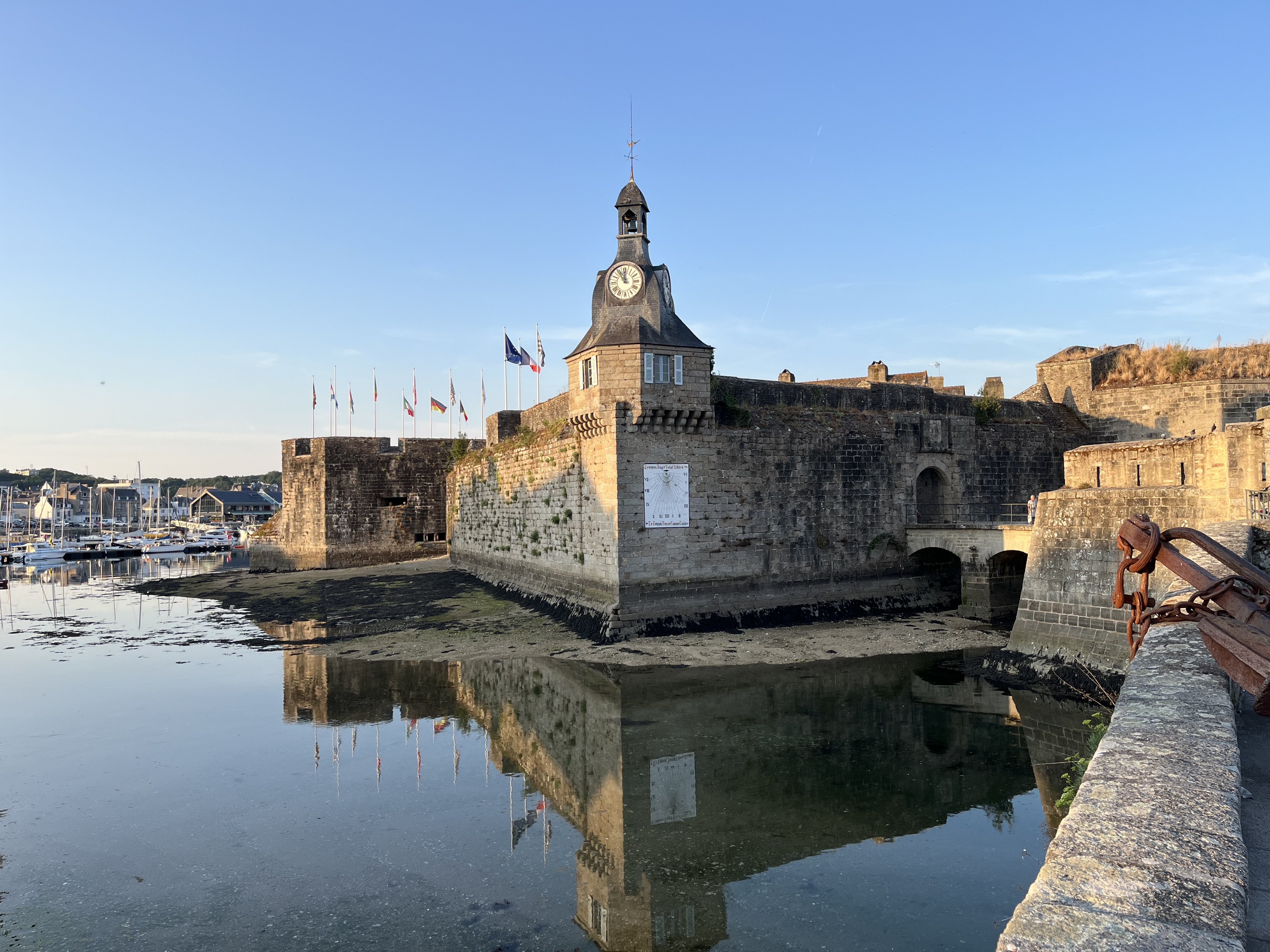
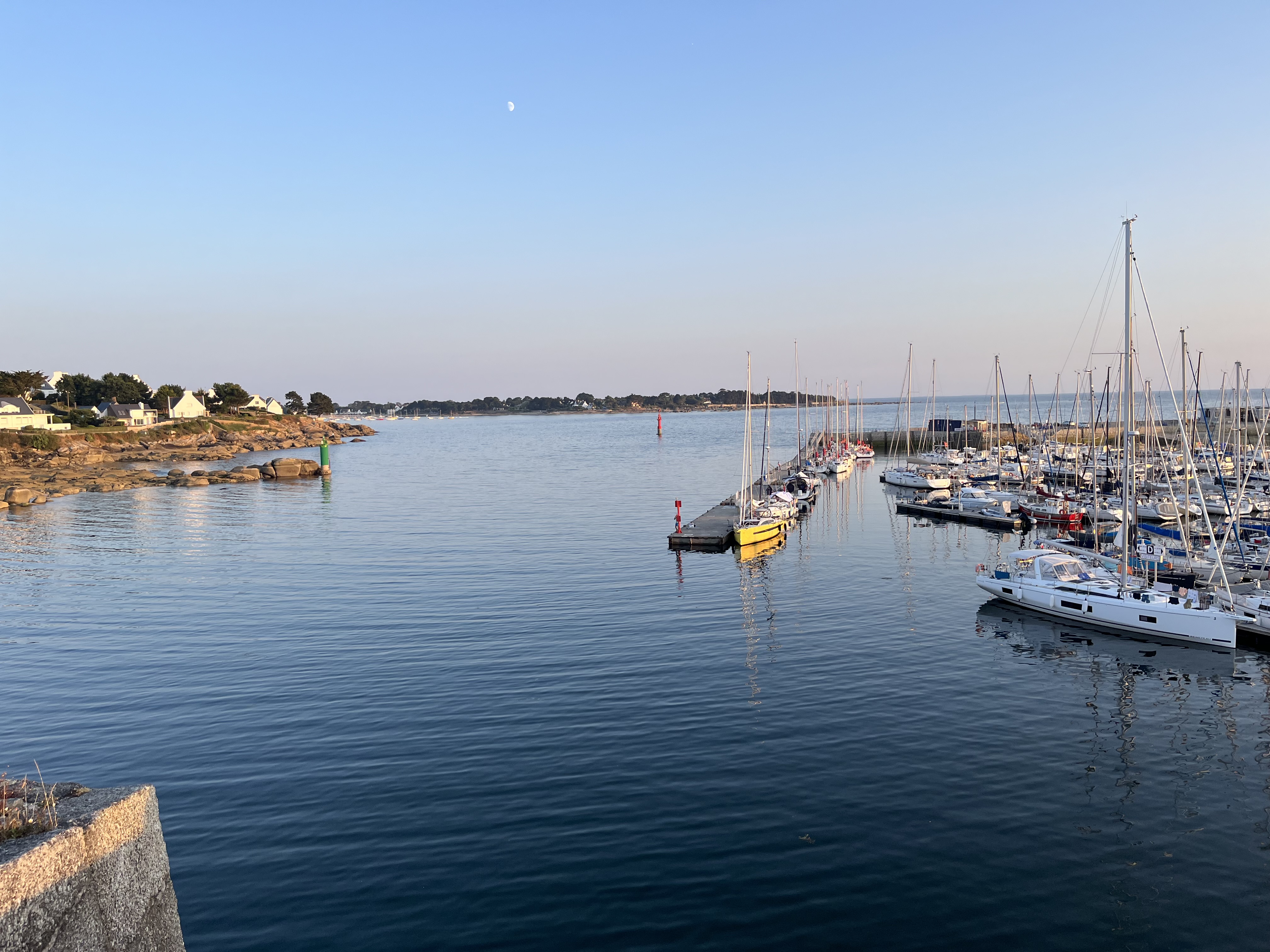
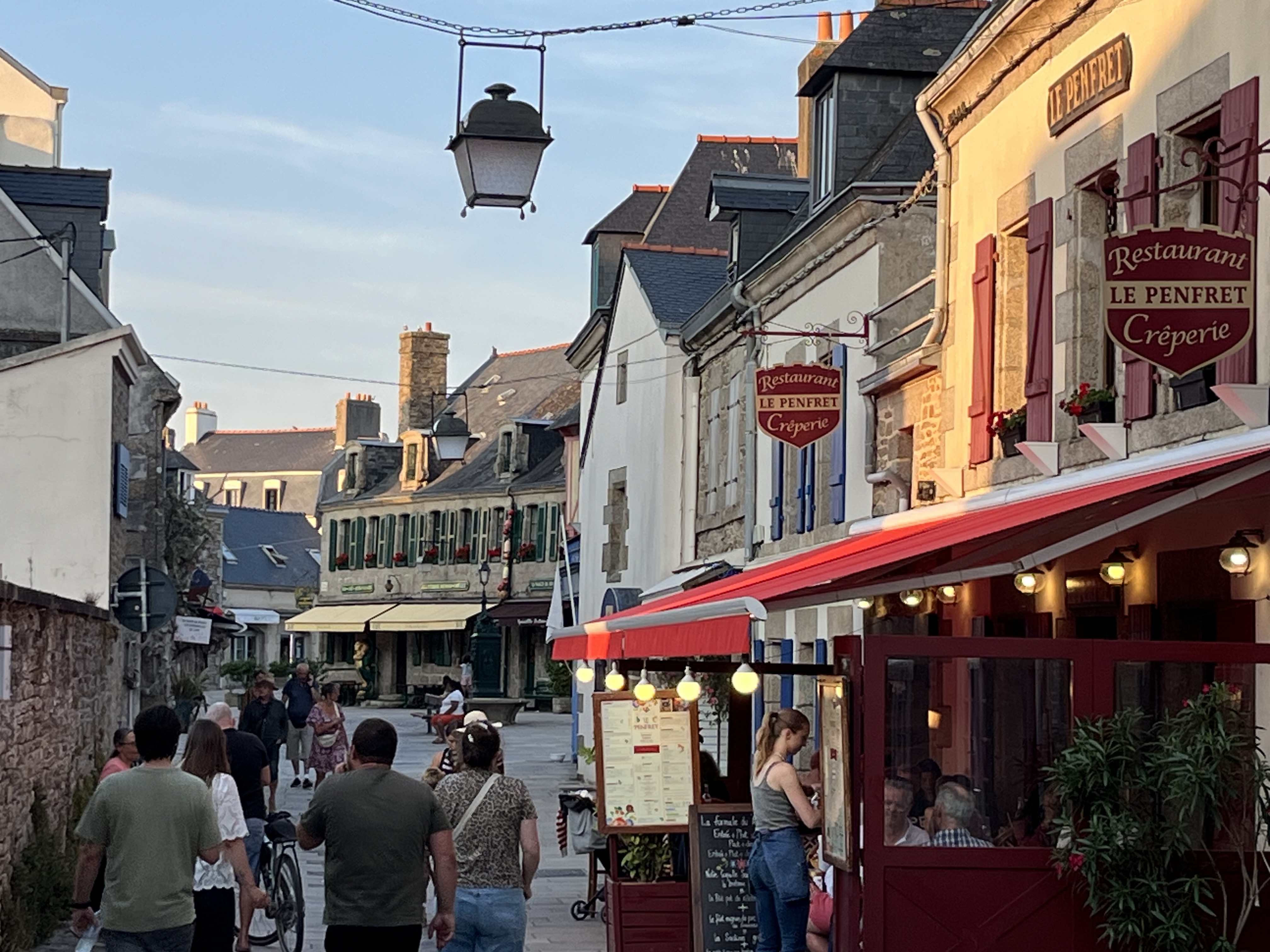
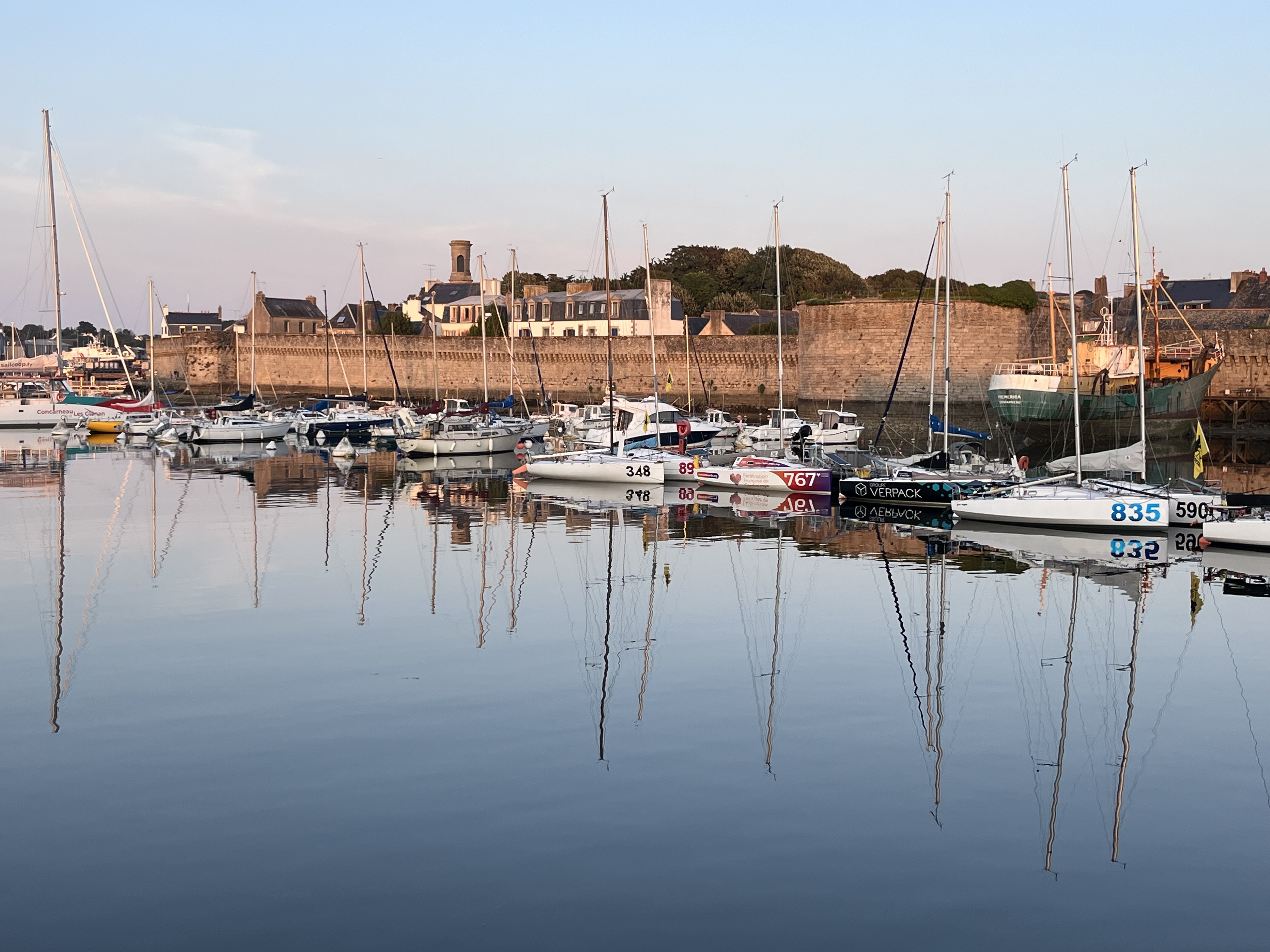
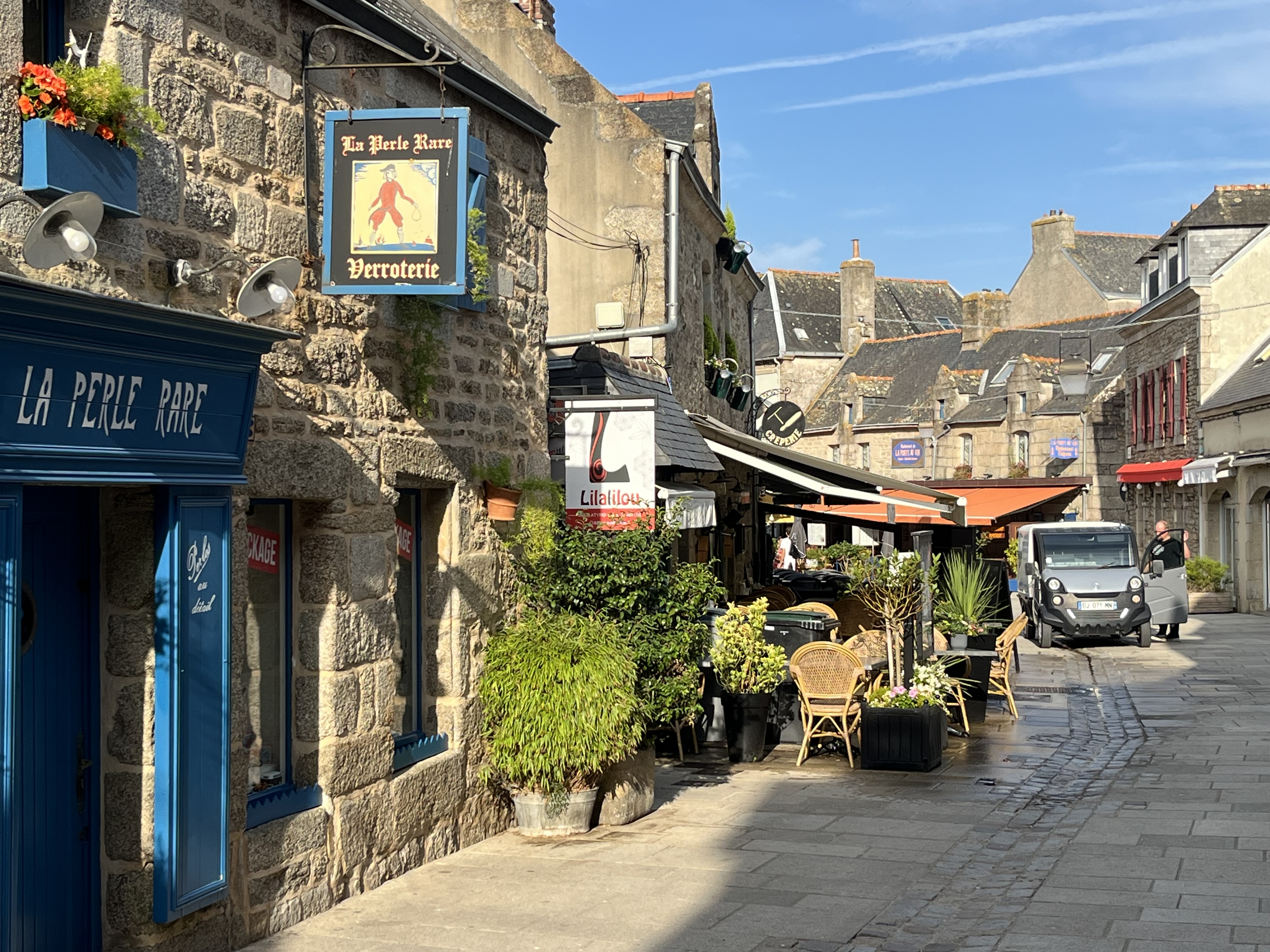
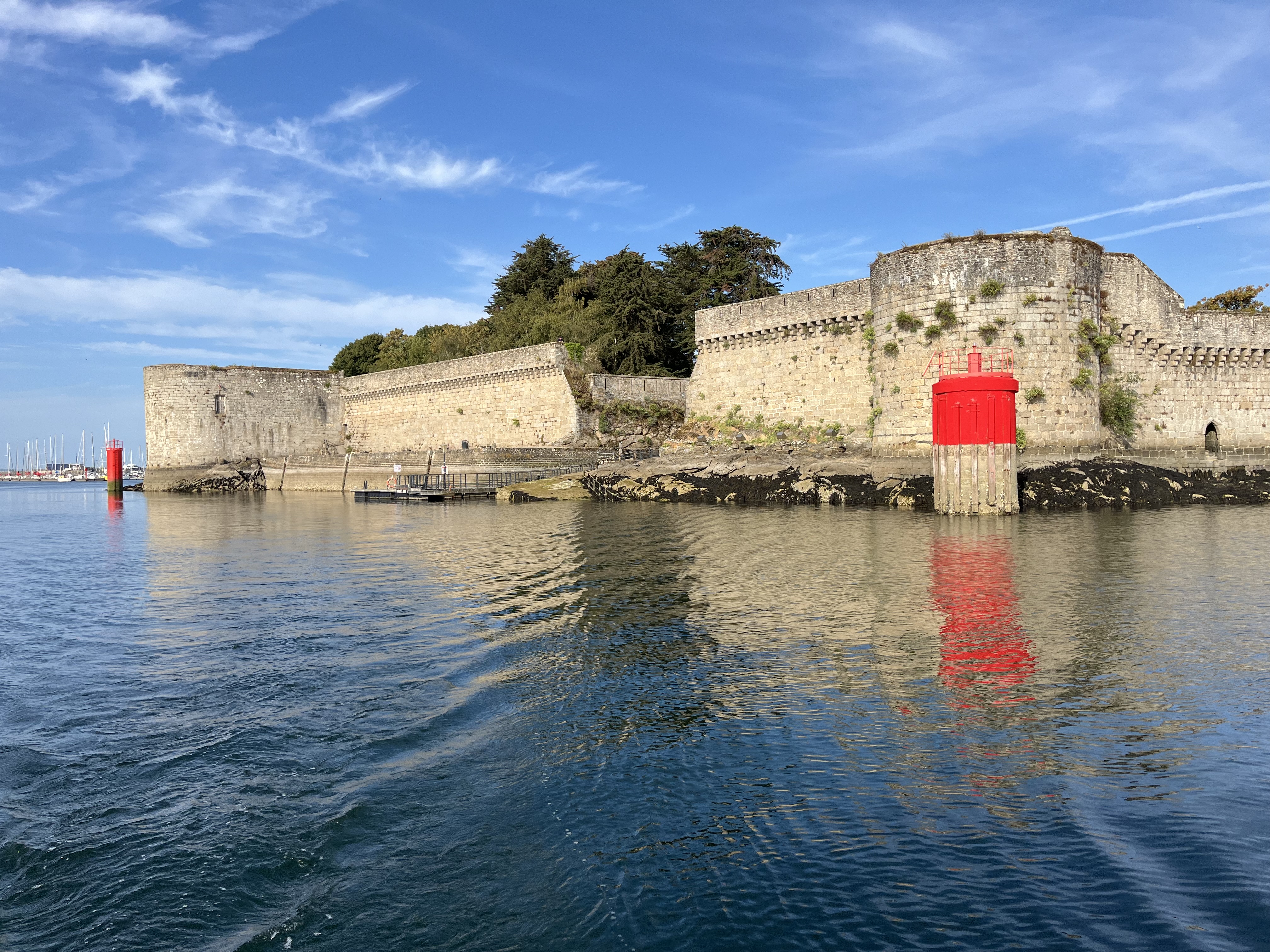
Concarneau, the harbor town below, was another nice, unexpected surprise for us. Within its natural harbor is the old, walled fort that contains the cute, old town center. The area appears to be a recreational sailor’s paradise:
On the not so pleasant side, Lauri caught some bedbug bites during our trip. Amazingly, with all the travels we’ve done in our lives, these bites were the first for us.
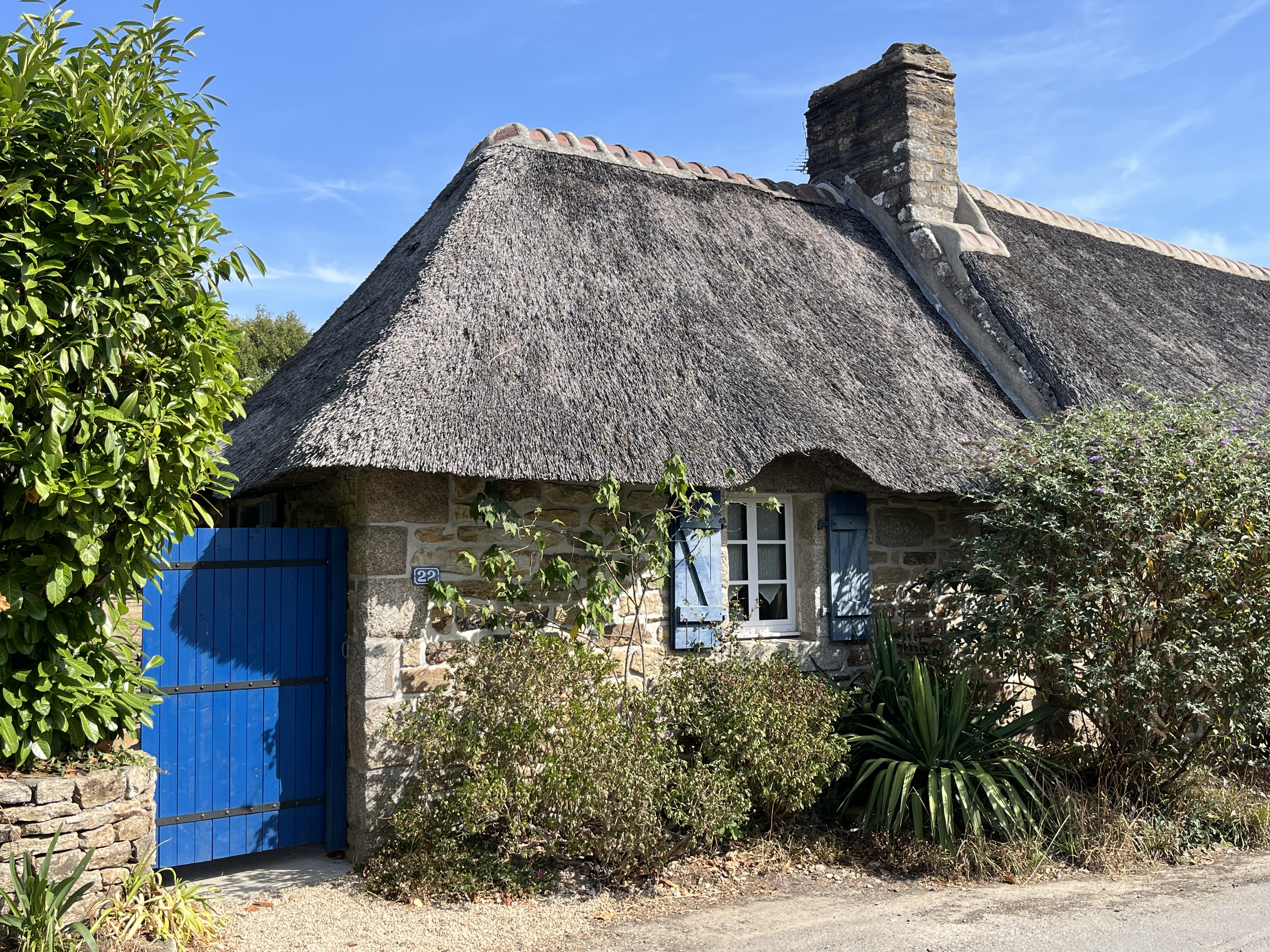
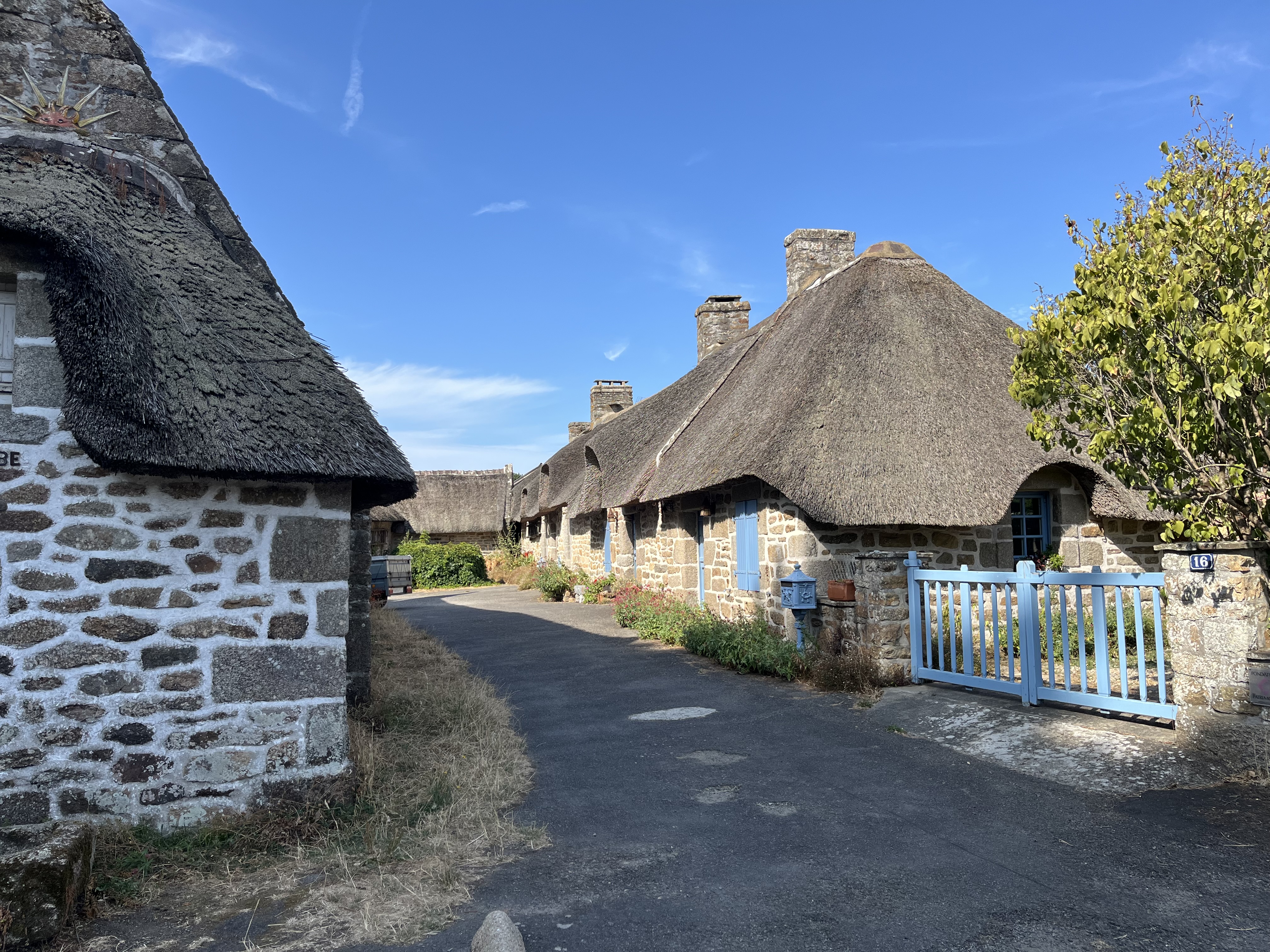
Lots of small villages in Brittany have a somewhat British charm. Here in Kerascoet by Neves, one can even find some cute old country houses with thatched roofs:
Port de Saint Goustan below is another cute picture perfect coastal town:
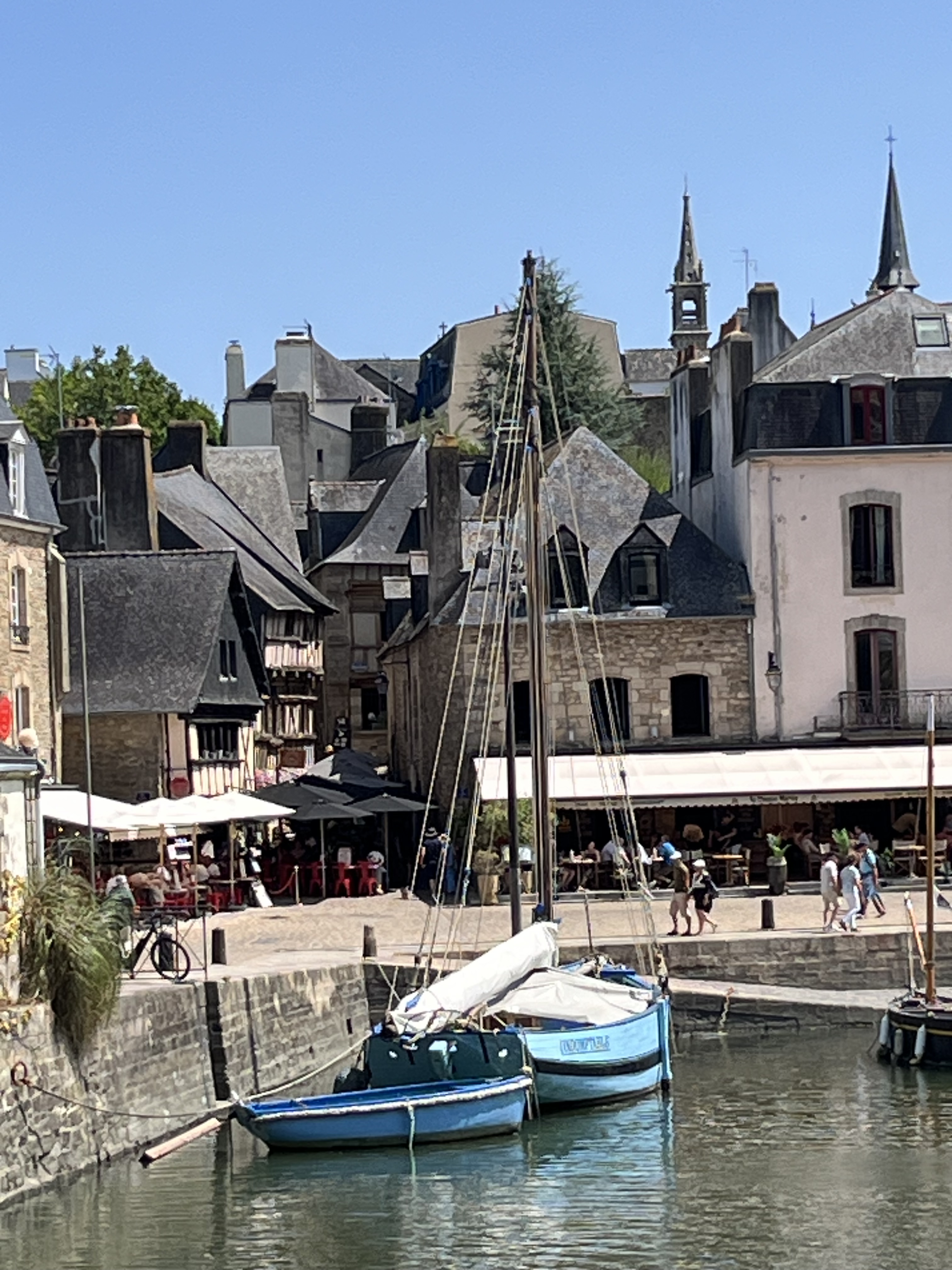
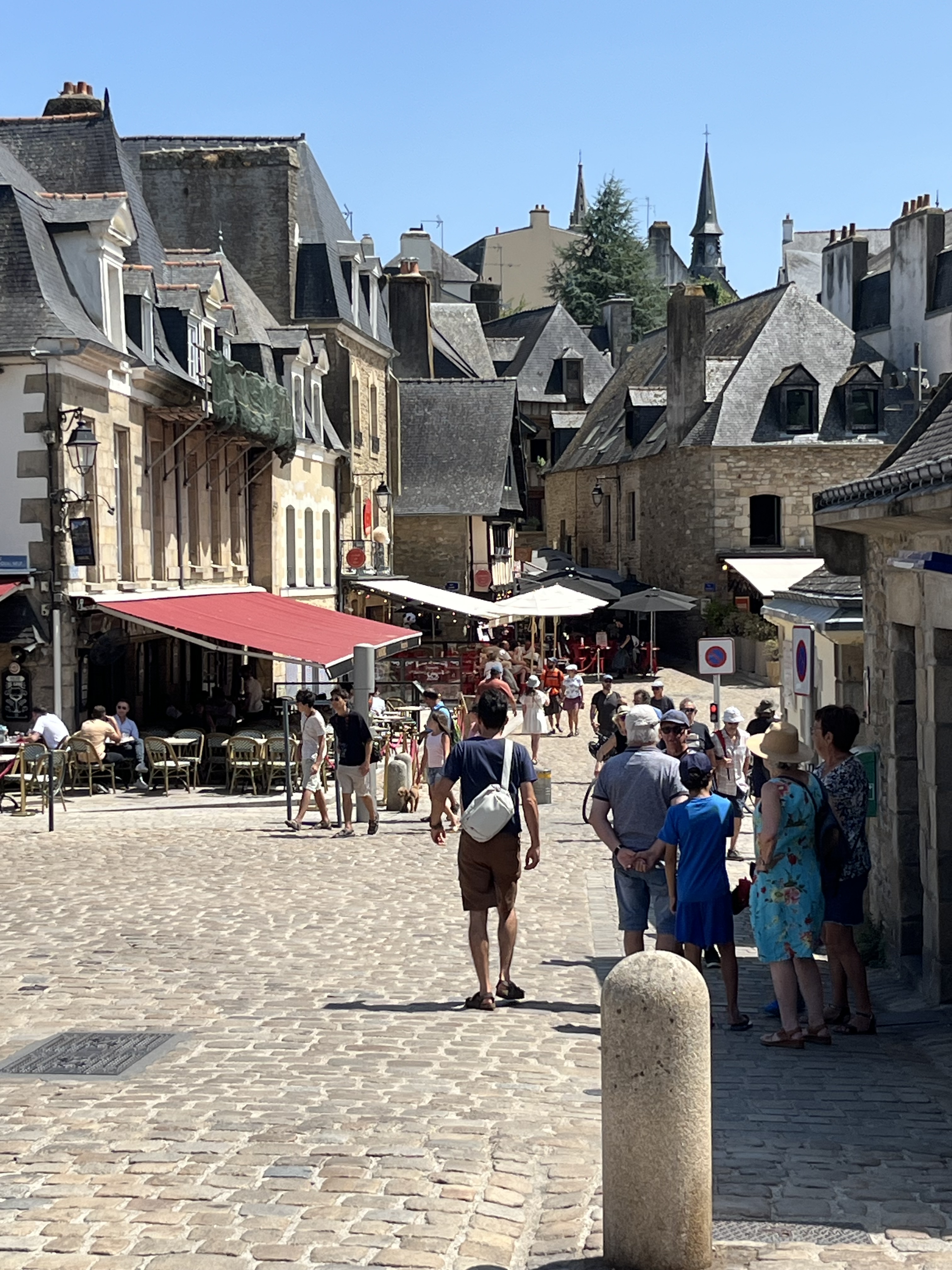
In most of the old towns and villages we visited in Brittany, we went into the local Biscuiteries, where Lauri enjoyed searching and sampling the buttery Palettes Bretons. For lunch, and once of dinner, we stopped at one of the everywhere readily available Creperies for a typical crepe bretonne, which comes either with sweet or savory filling and is traditionally made out of buckwheat and then called a Galette.
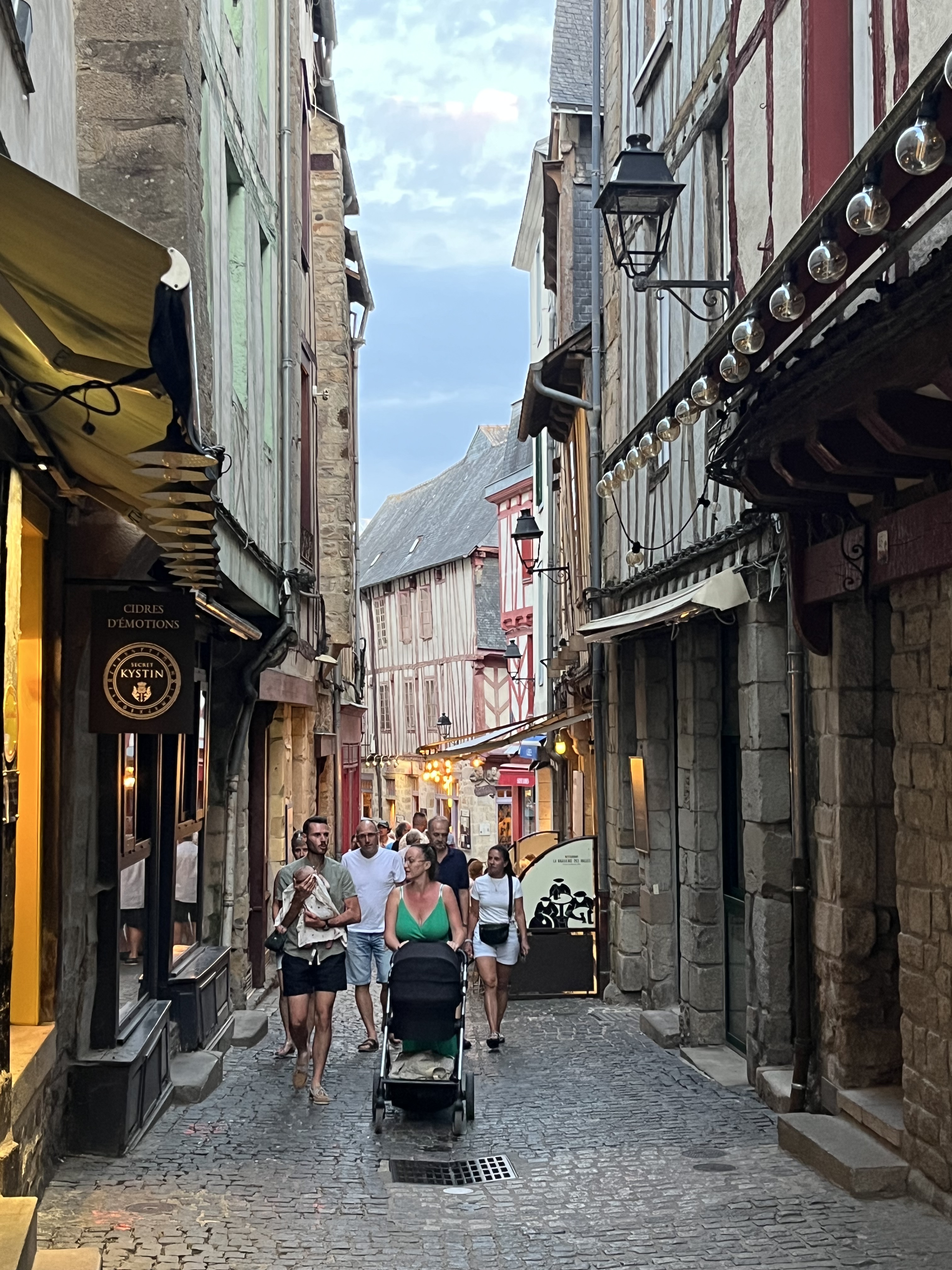
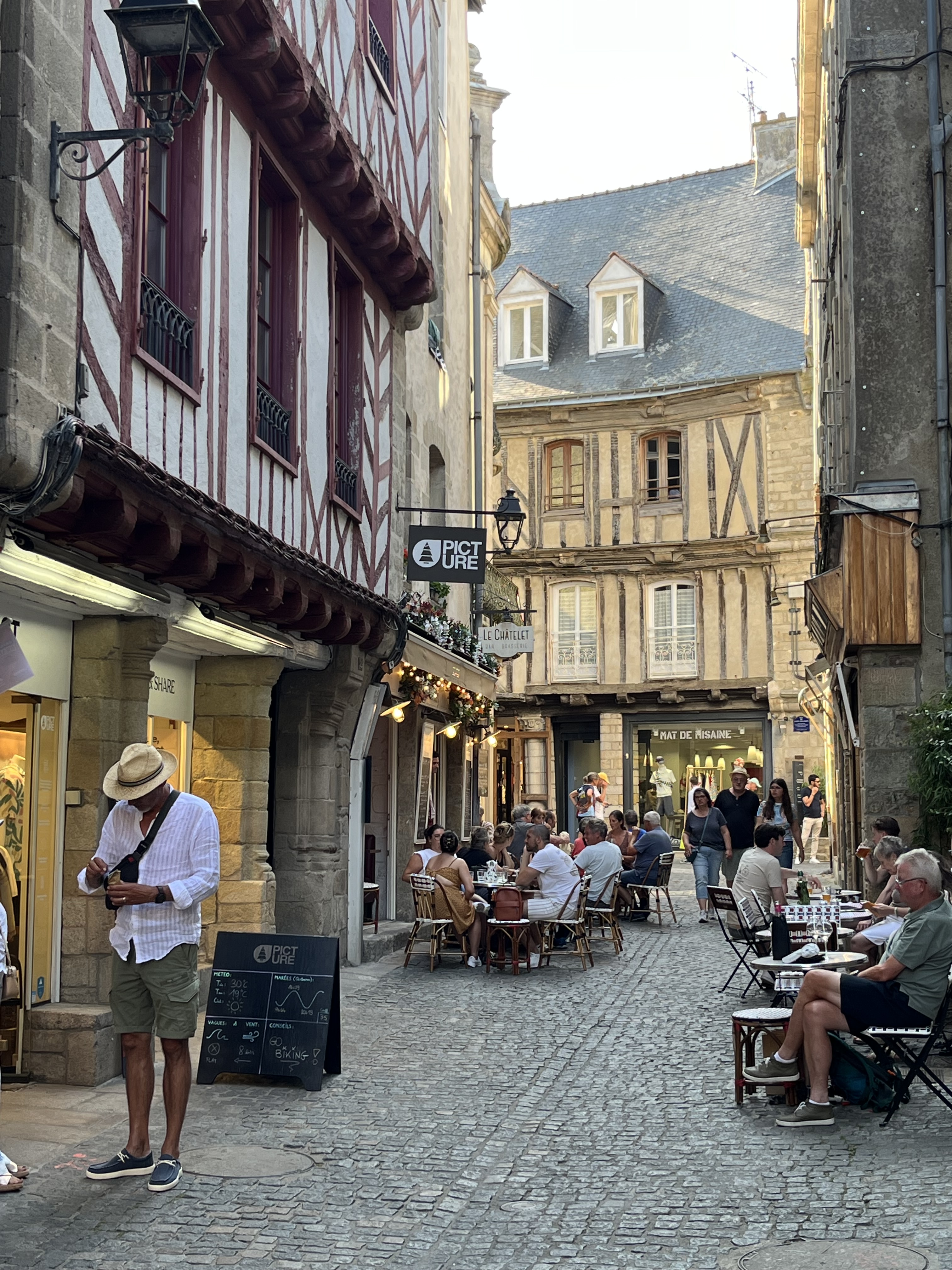
We spent our last two nights in Vannes. Vannes is a midsized town with a well preserved old center, just inland from a large, deep, and intricate bay. We spent the morning sightseeing and during the afternoon, watched the queen stage of the Tour de France on TV in a cafe. Not having too much activity was good, as for our last two days in Brittany the heat had caught up with us again. For dinner I ordered my second “Choucroute de la Mer”, which is fresh and smoked fish (salmon, cod, haddock) as well as seafood (shrimp, mussels) cooked in a bed of sauerkraut with white wine and served with a white butter sauce. Certainly my favorite dish in Brittany and even on a hot day simply irresistible for this German – Western Washington – France transplant!
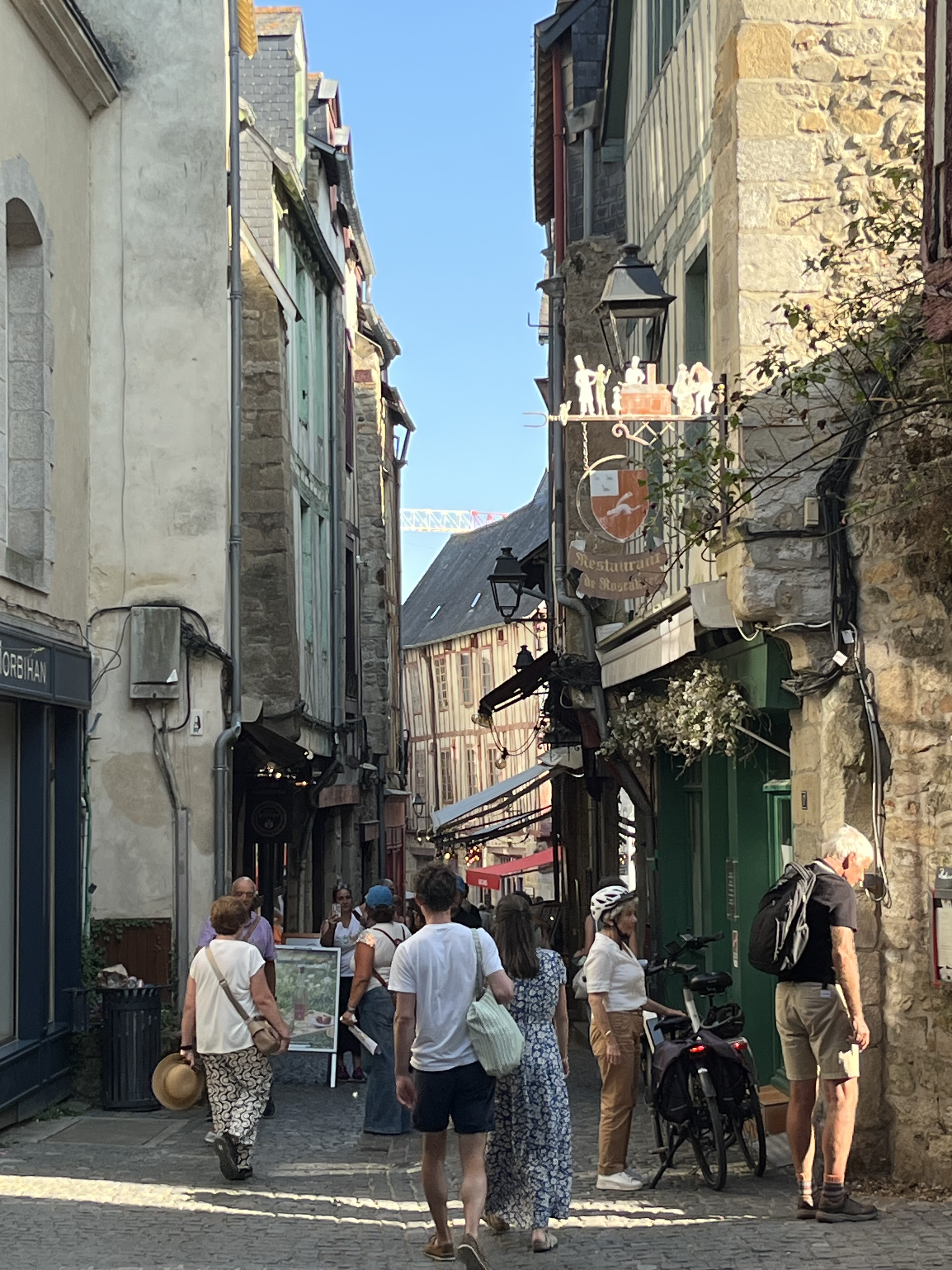
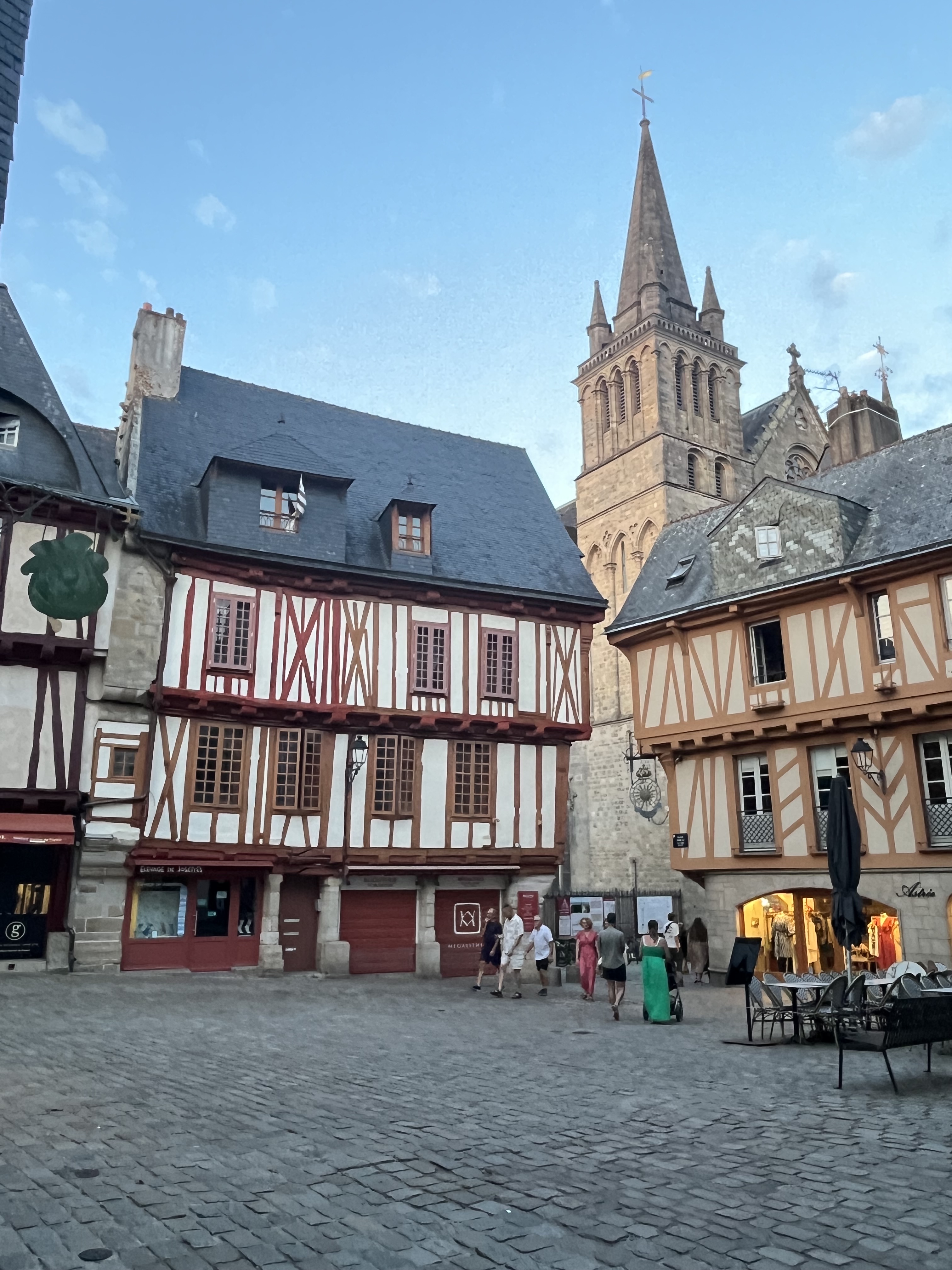
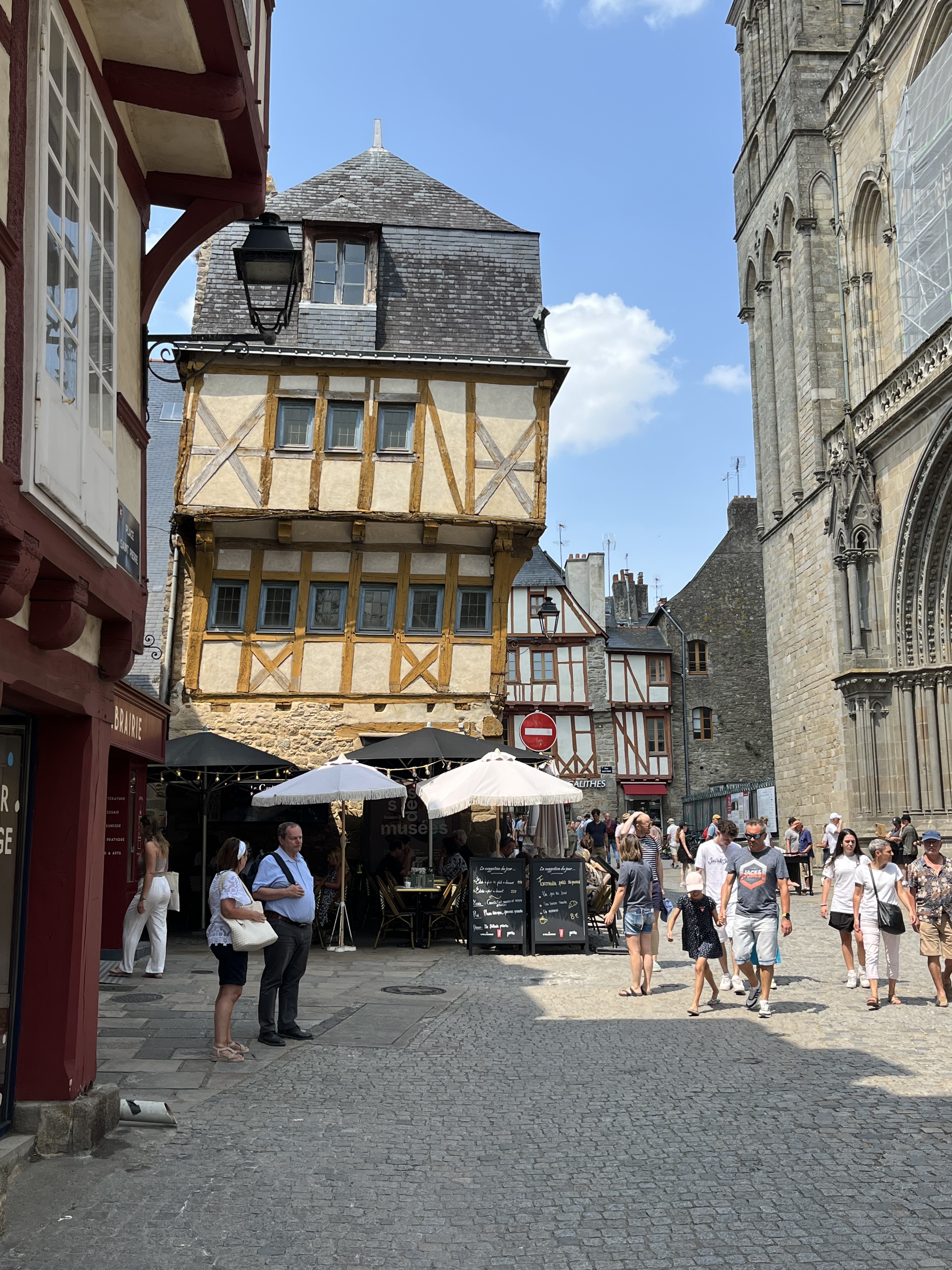
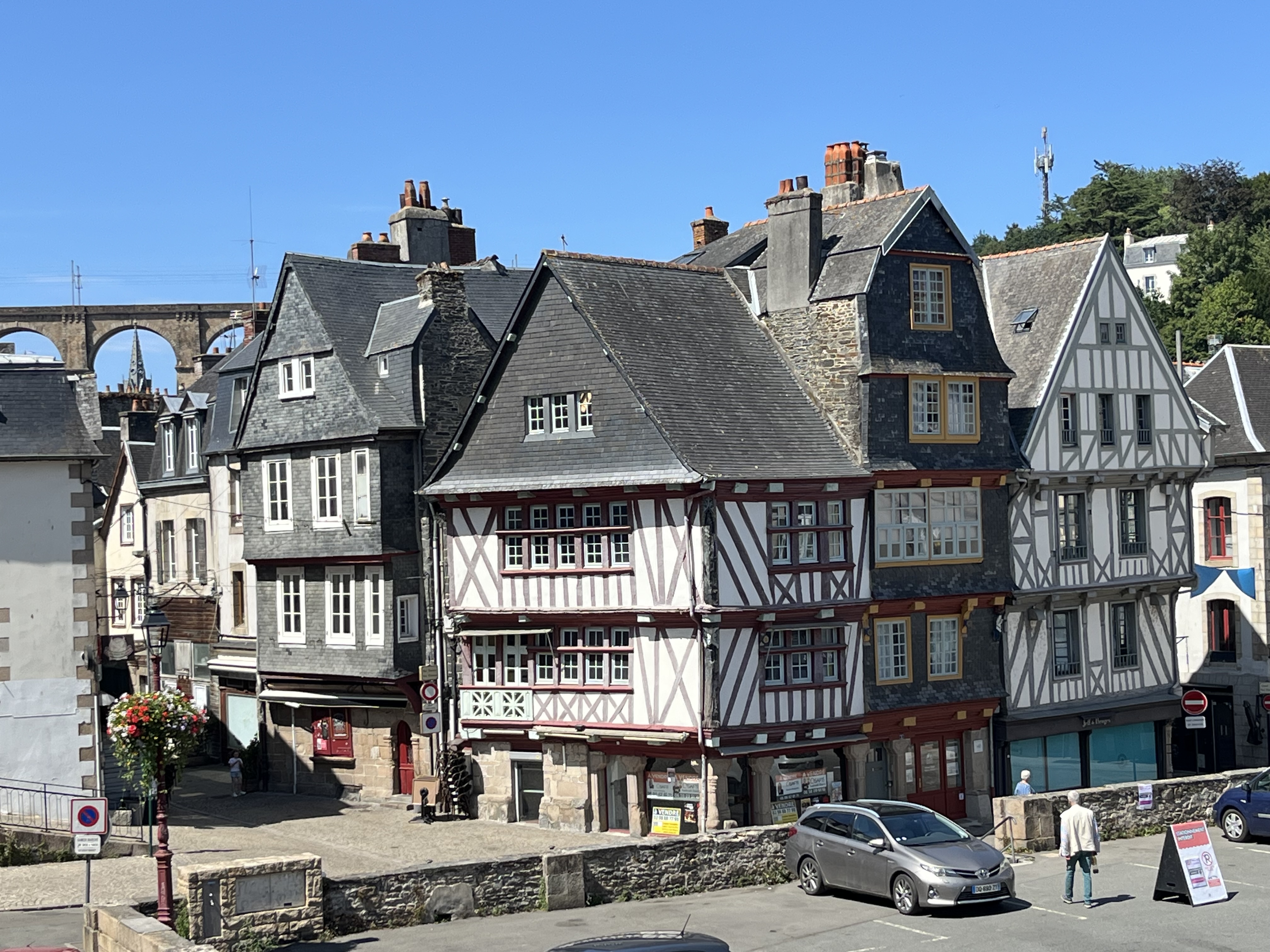
The old Tudor style house in the last picture above appears to lean even more in reality, so much so, that I really wondered about the safety of the structure.
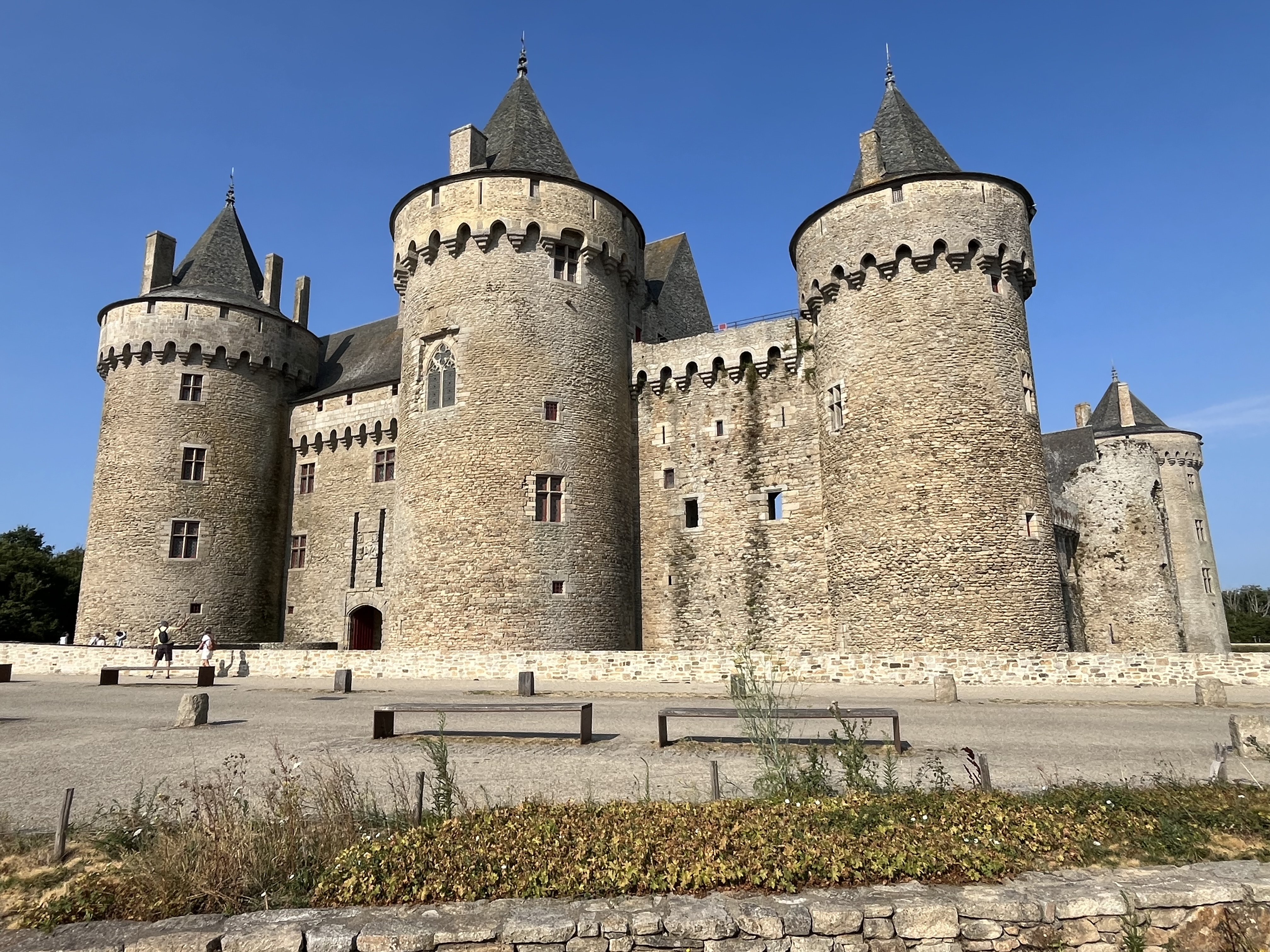
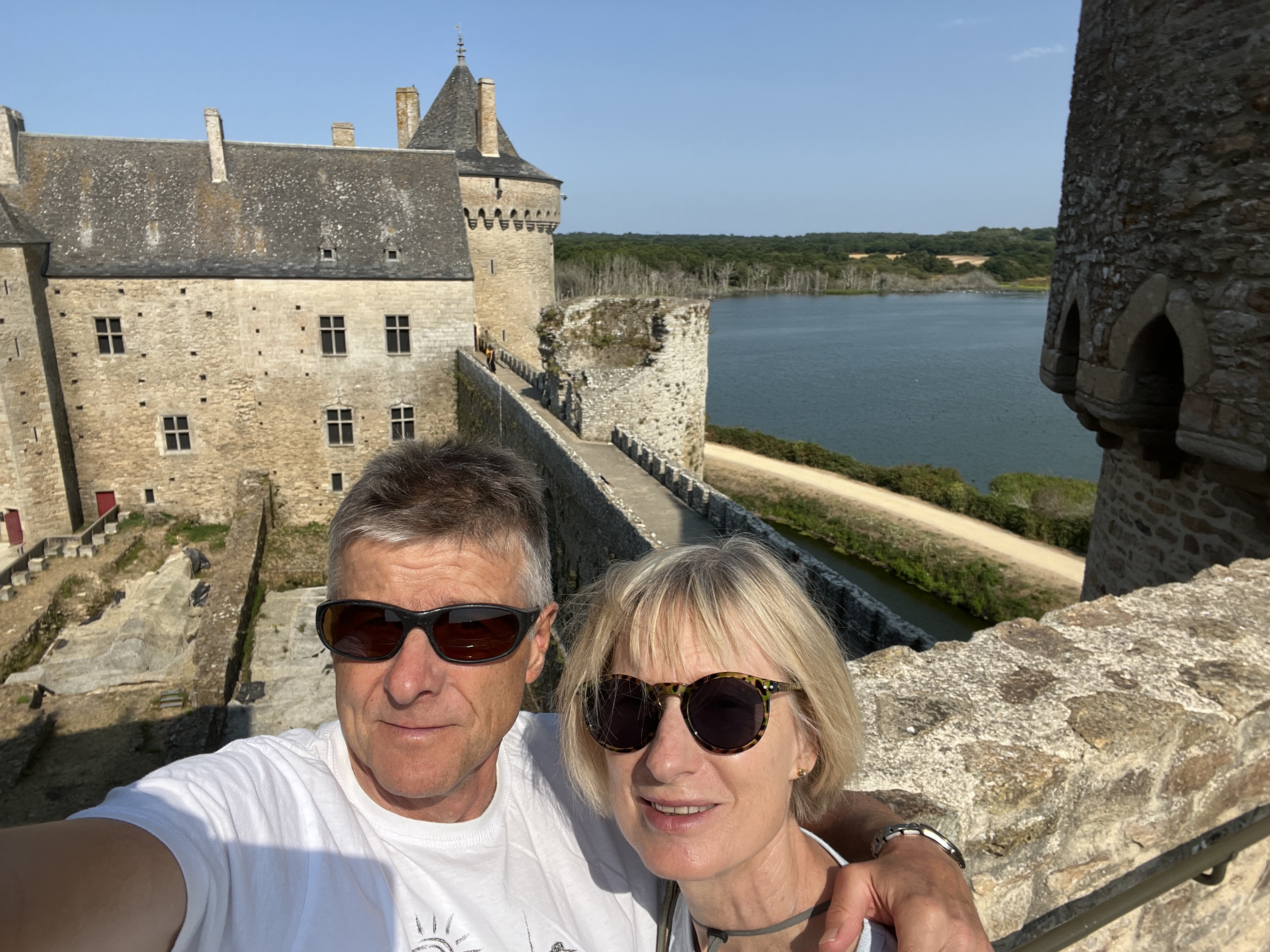
South of Vannes, and close to a big sandy beach, sits the well restored Chateau Suscinio. The self guided tour of this castle was excellent. Lauri, ever the elementary schoolteacher, was totally impressed by the plentiful and creatively designed fun exhibits and games for children, that some adults enjoyed as well. The entrance fee for families was substantially reduced and small children got in for free. It was just another example of how strongly France is catering to and supporting young families.
At the beach next to the castle I got my fourth Brittany swim in, and here, the water was sufficiently warm for an extended swim before we said goodbye to Brittany and headed back to Dijon.
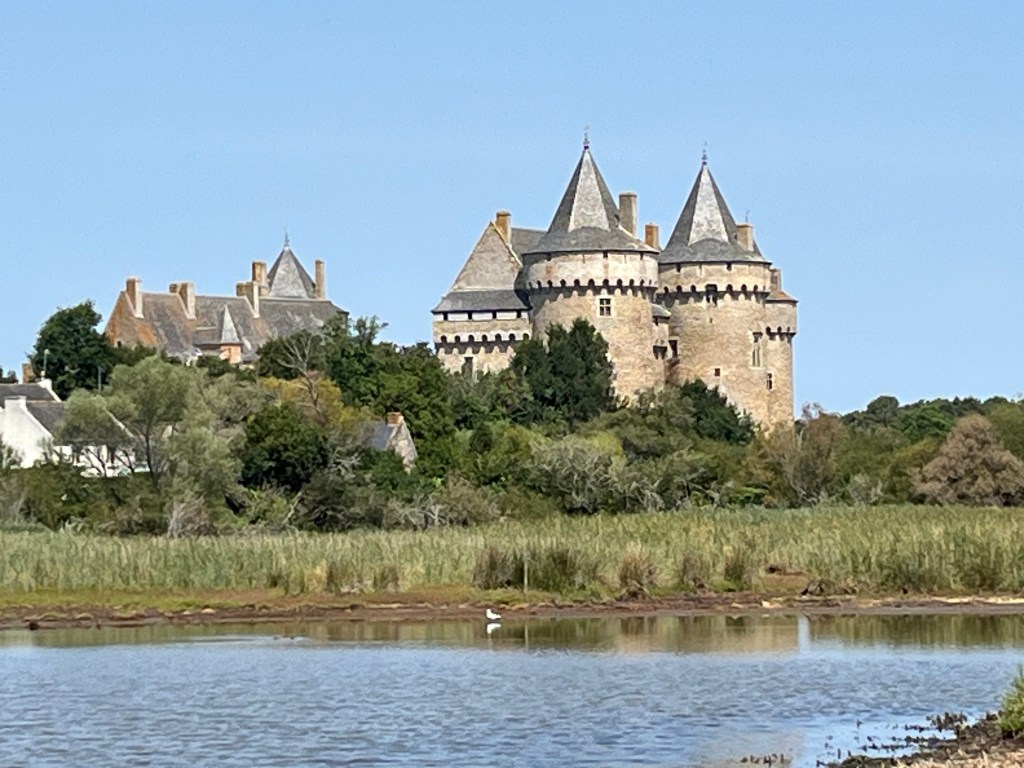
Goodbye Brittany, or “Kenavo” in Breton.
We’re in mid August now and the temperature outside has crept up to 100 degrees Fahrenheit again. The French meteorological service officially declared that we are in the 5th heat wave of 2026. It’s hard for us to distinguish between what is officially considered a heat wave and the rest of this long and hot summer.
Last night we got back from 4 days in the French Alps, where we celebrated our 40th wedding anniversary. For the third year in a row, we stayed at our beloved hotel in Le Chinaillon in the beautiful Le Grand Bornand valley in Haute-Savoie at about 4,000′. There the temperatures were a lot more comfortable and, as the happy and shiny alpine cows can testify, the grass is a lot fresher and greener than in the rest of France, – which is important to keep the delicious cheeses coming! I enjoyed some bike riding and we did some hiking together during the day, and finished if off by being treated to the good Haute-Savoie cuisine at night:
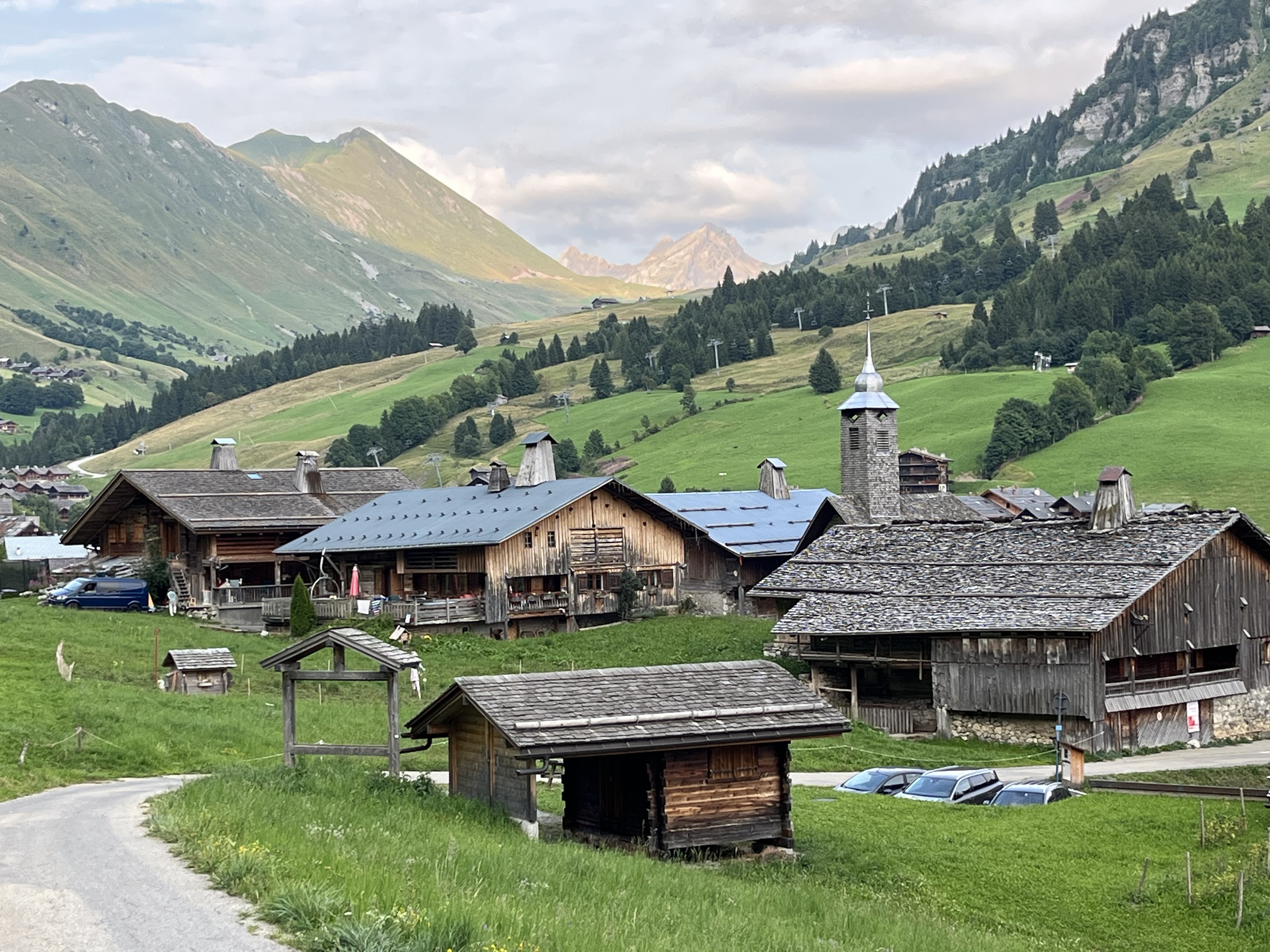
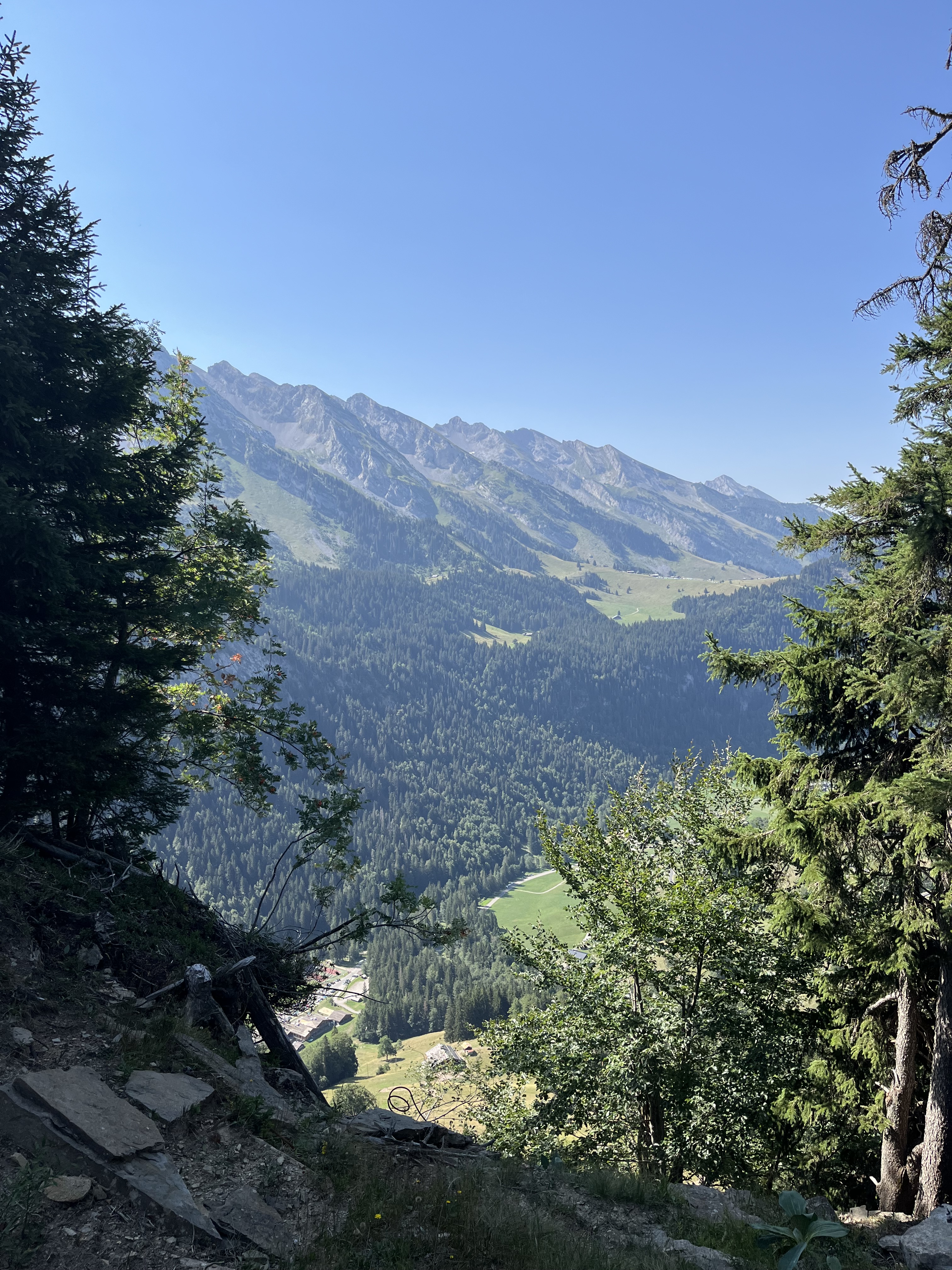
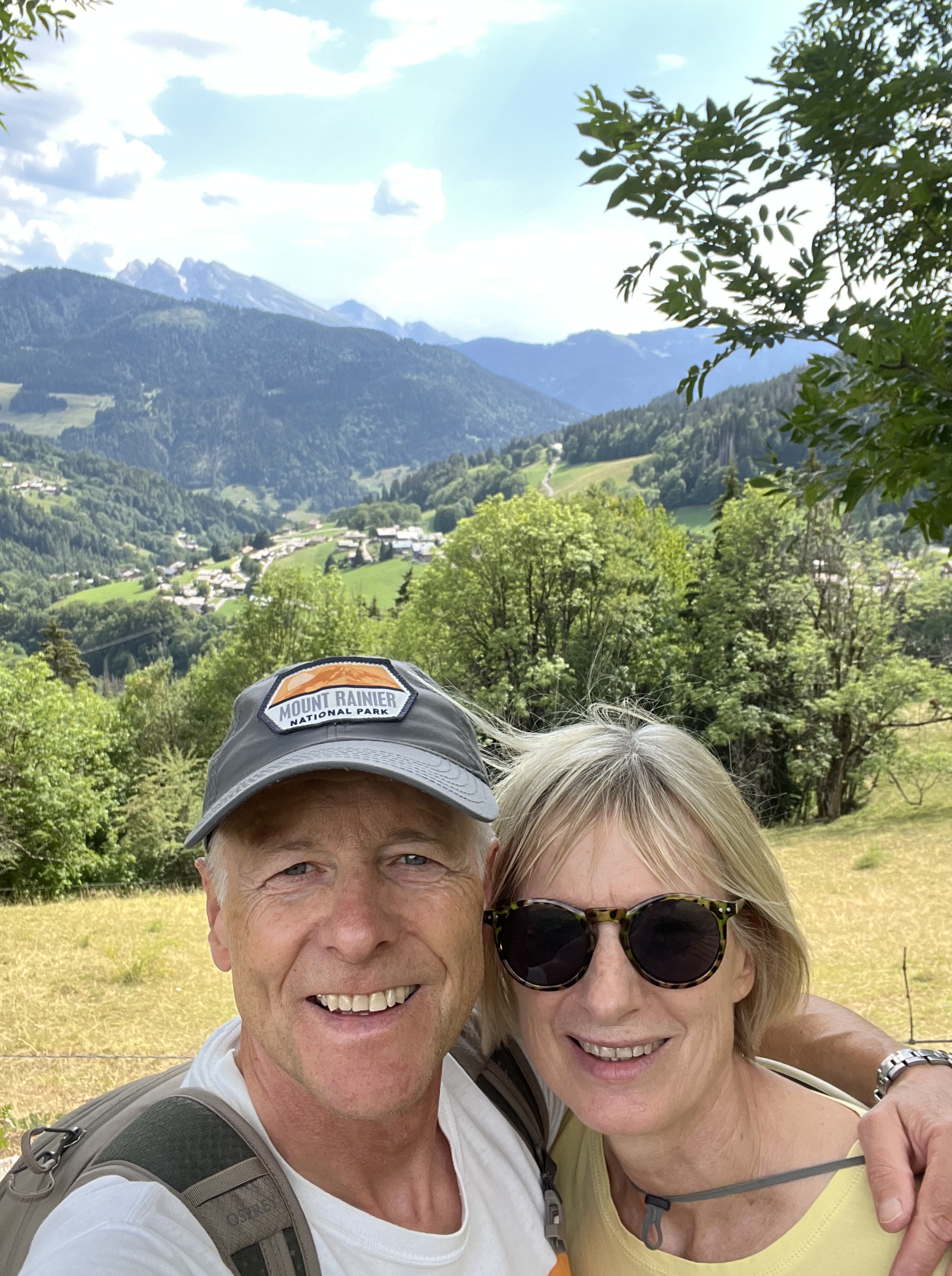
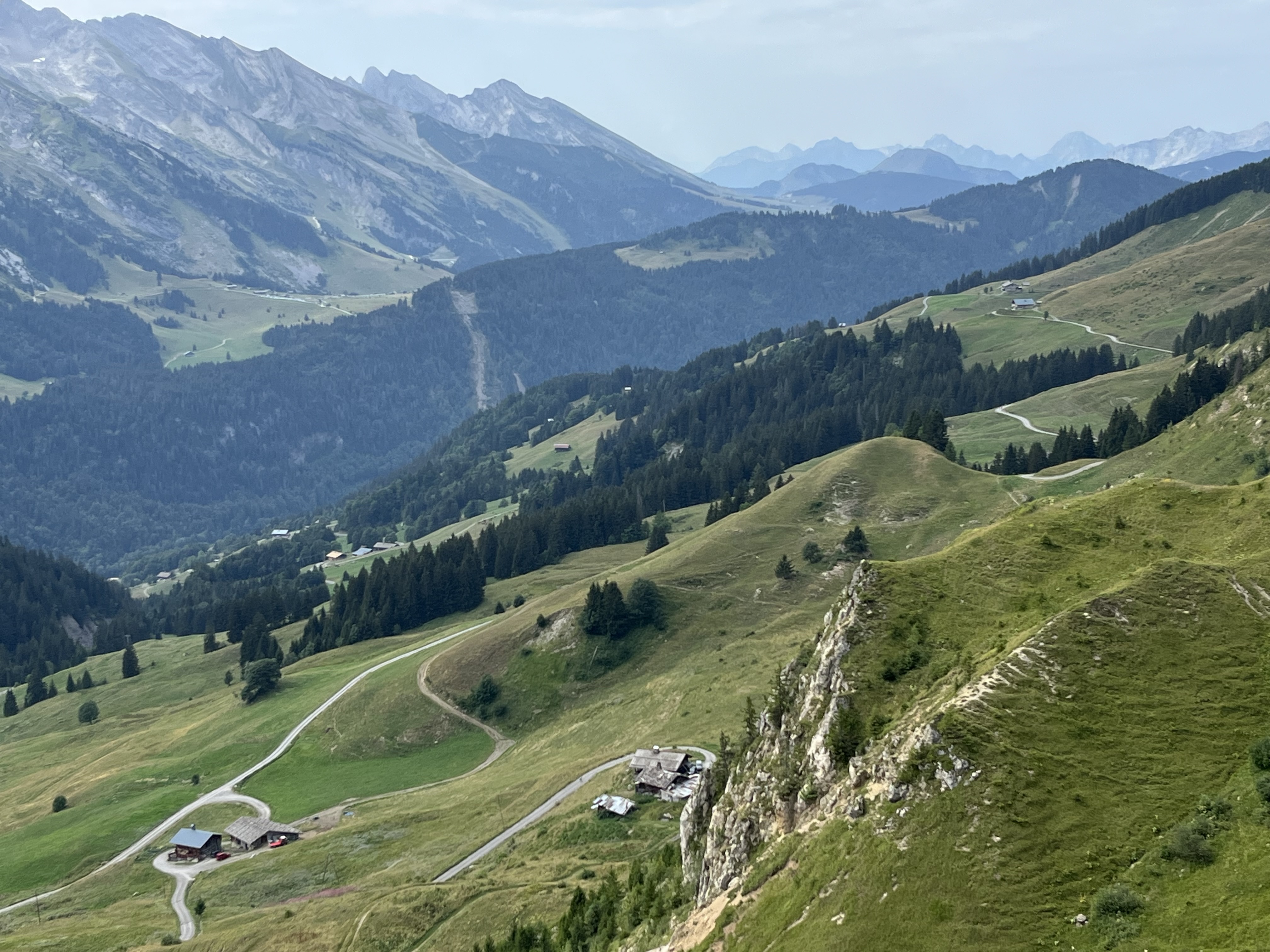
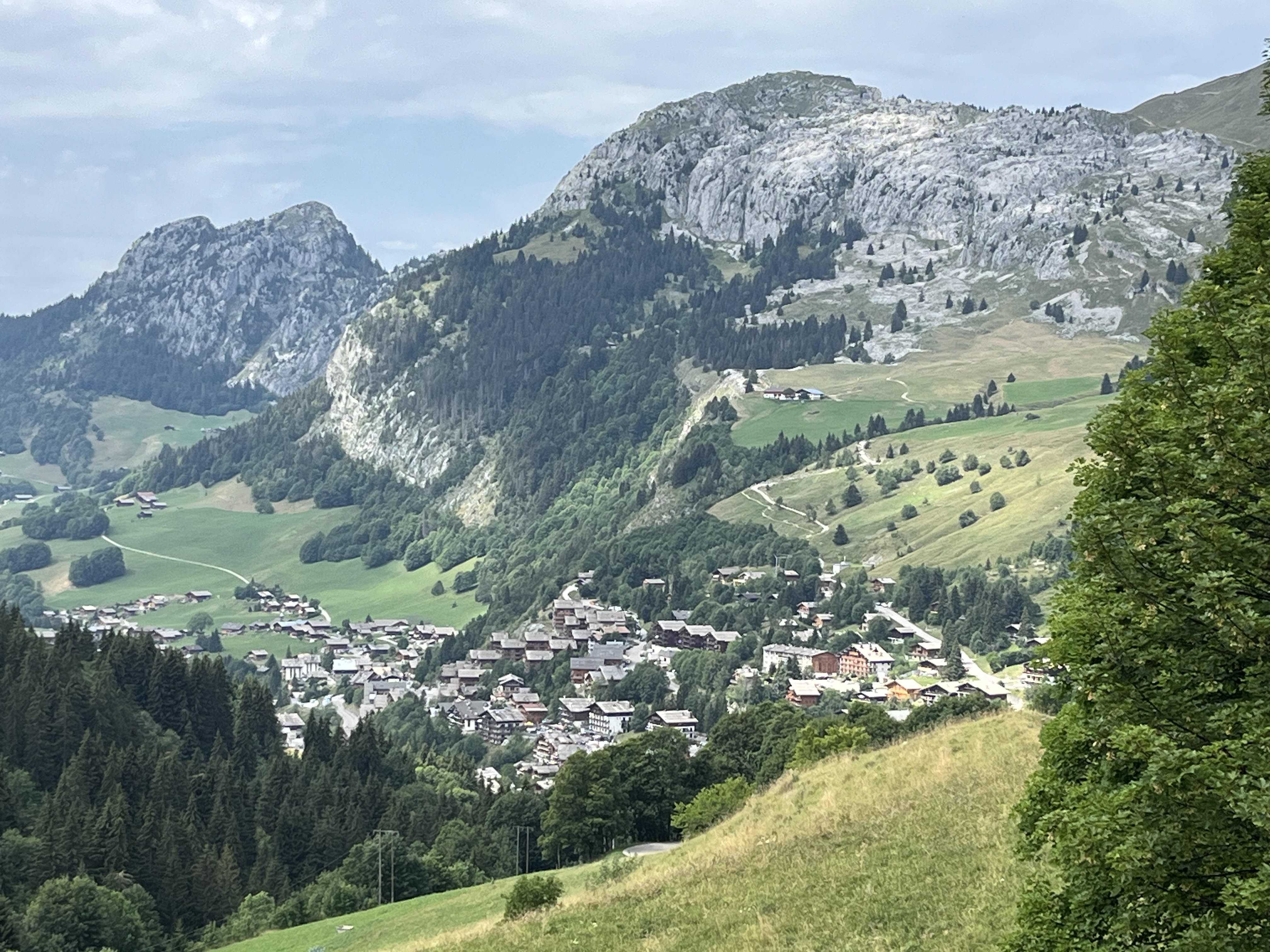
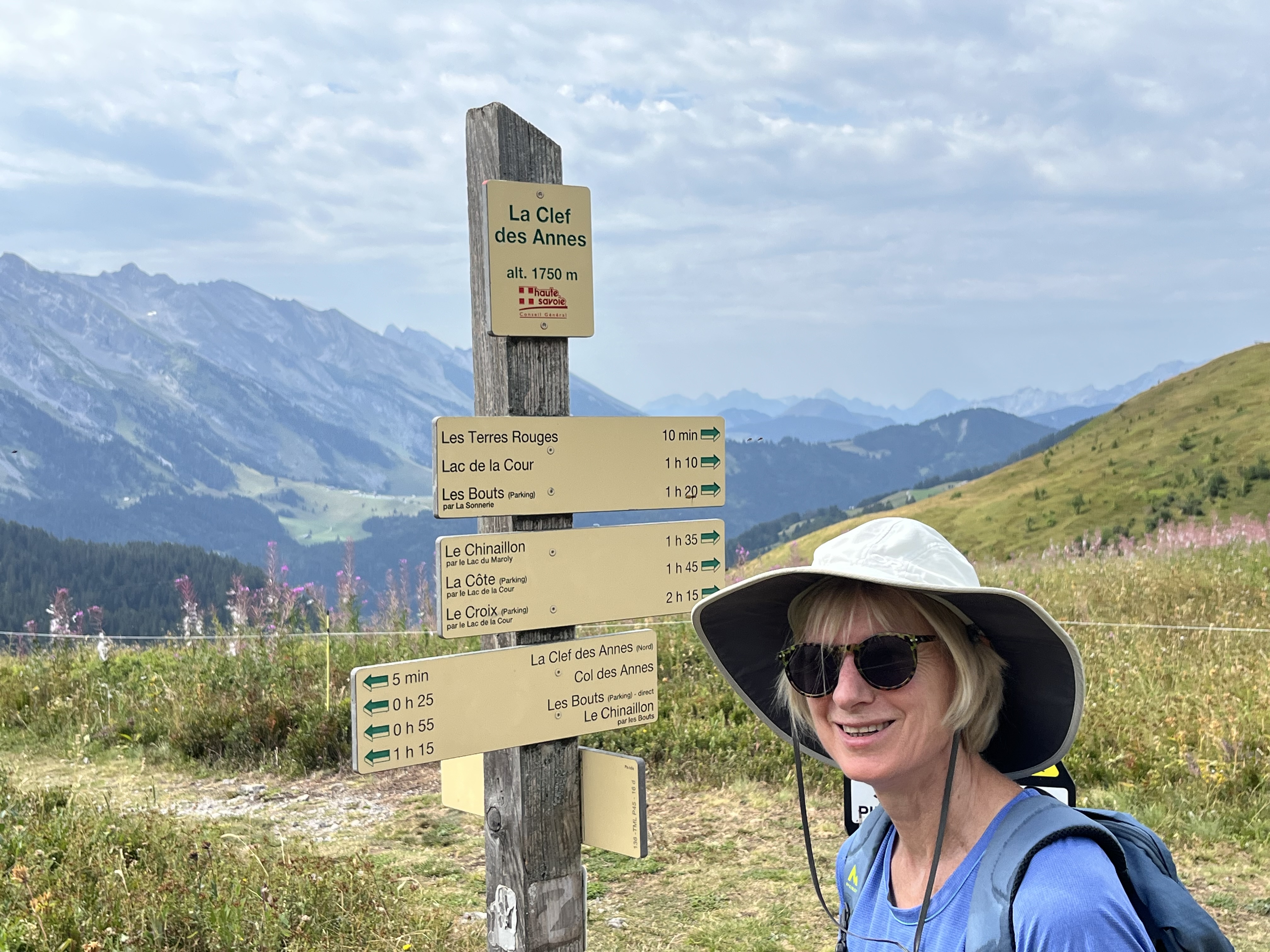
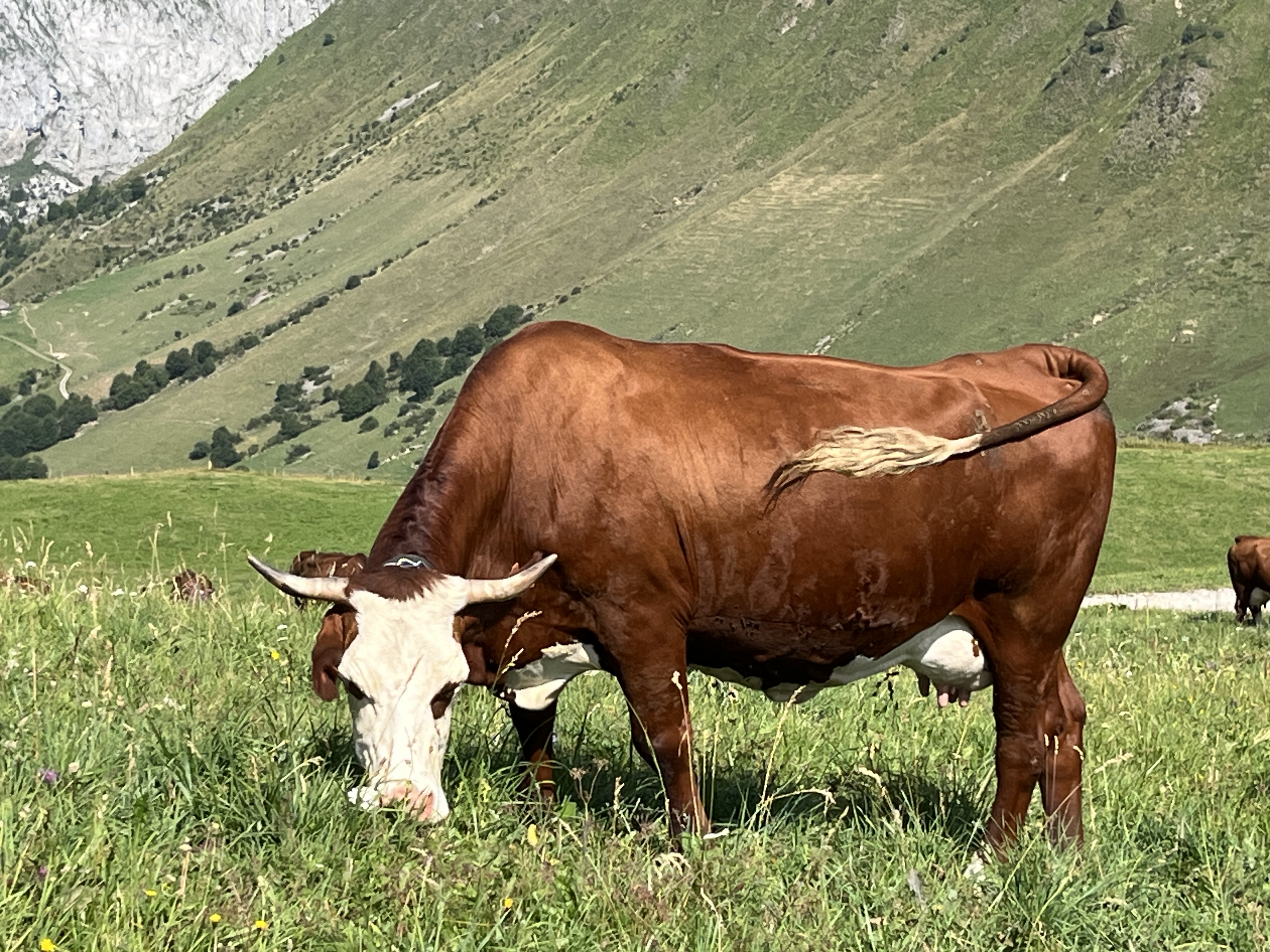
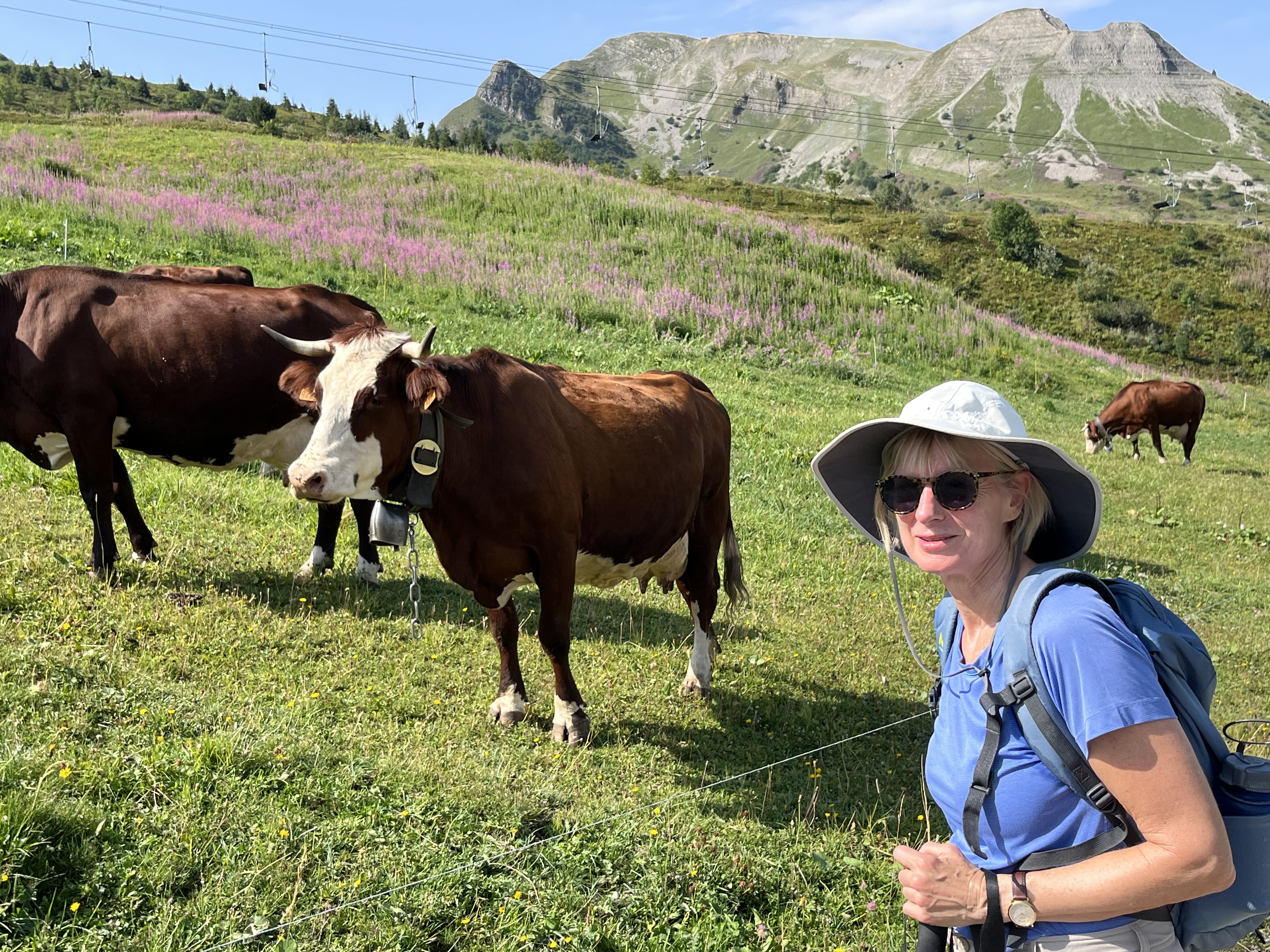
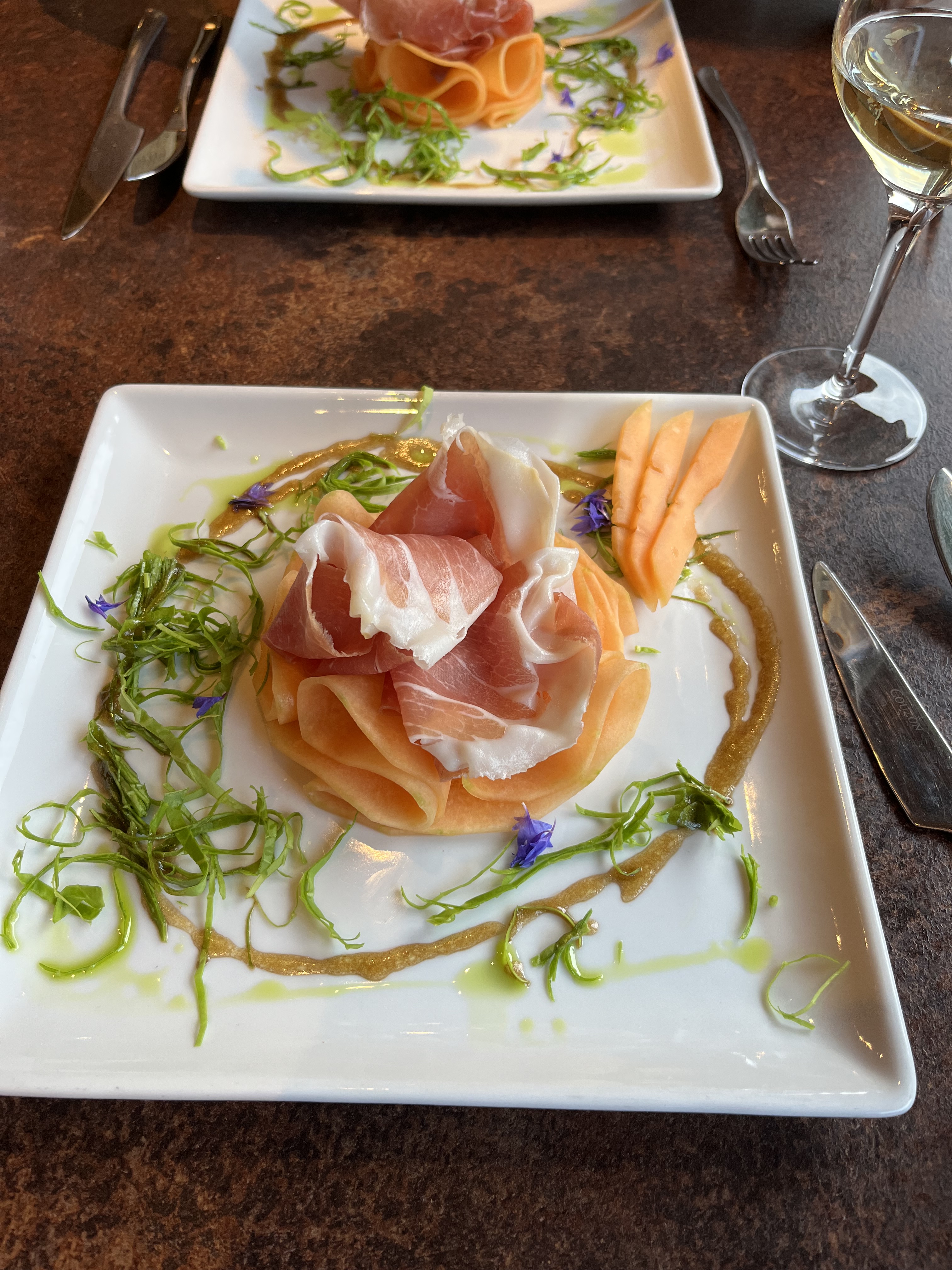
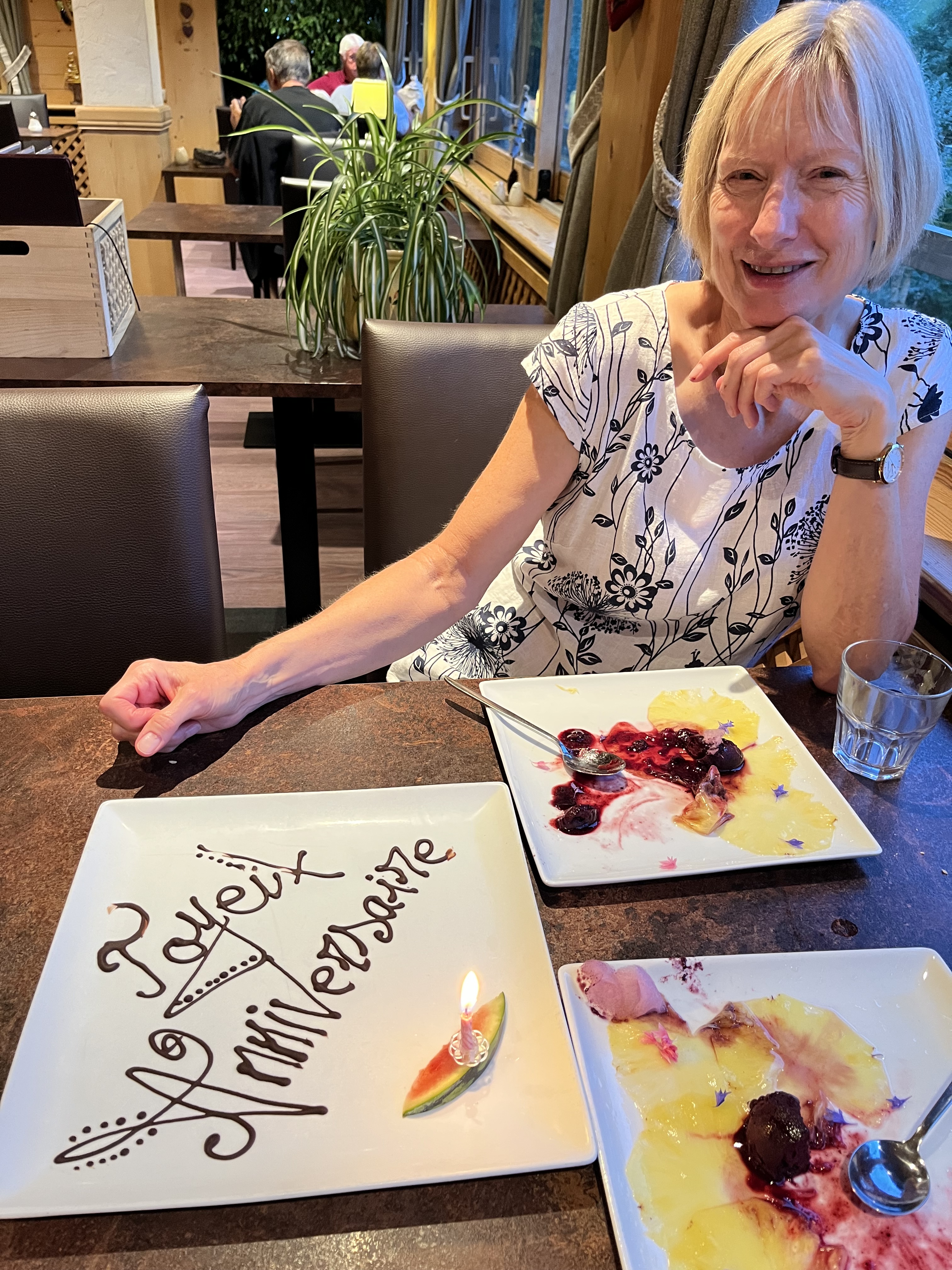
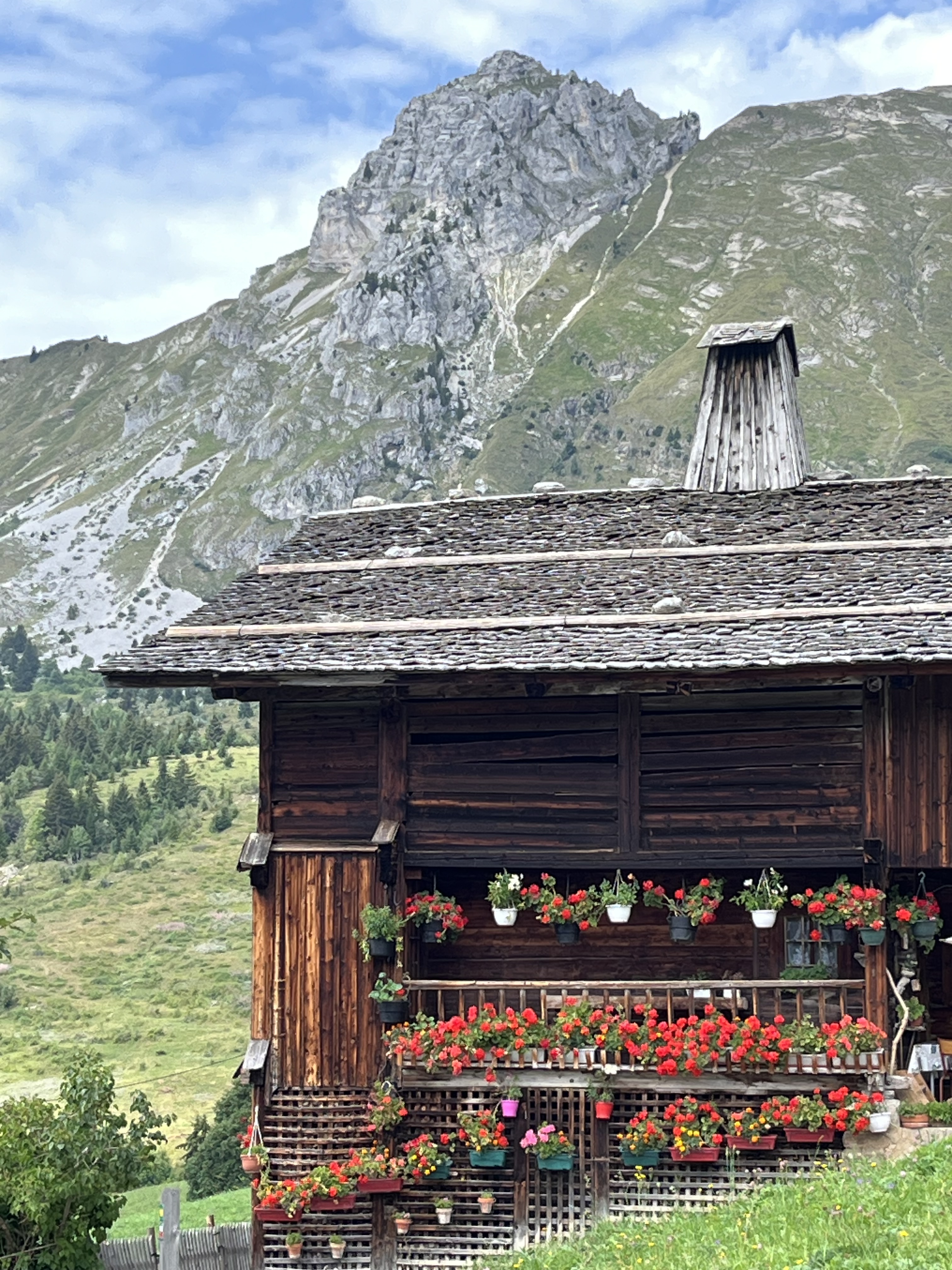
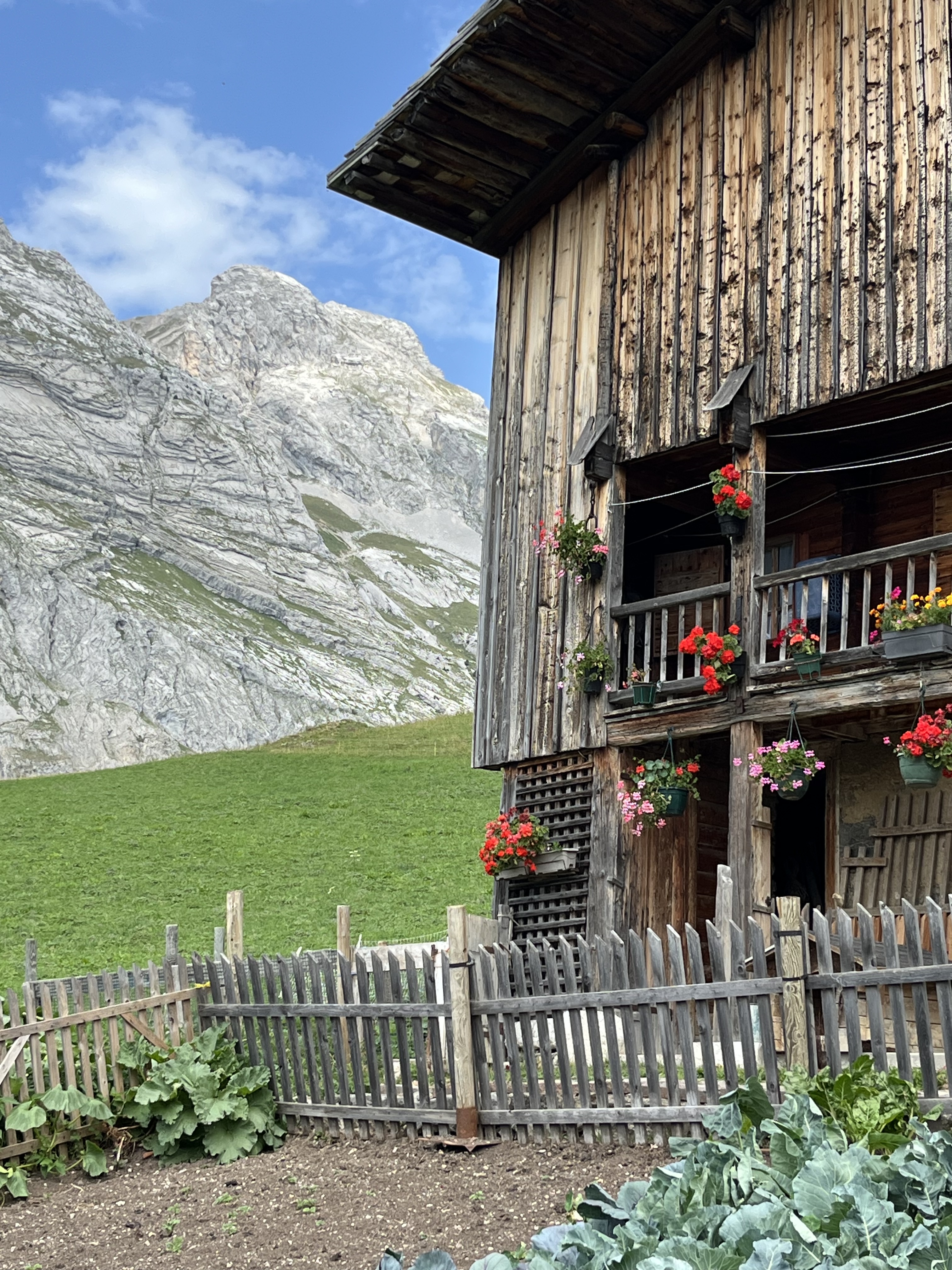
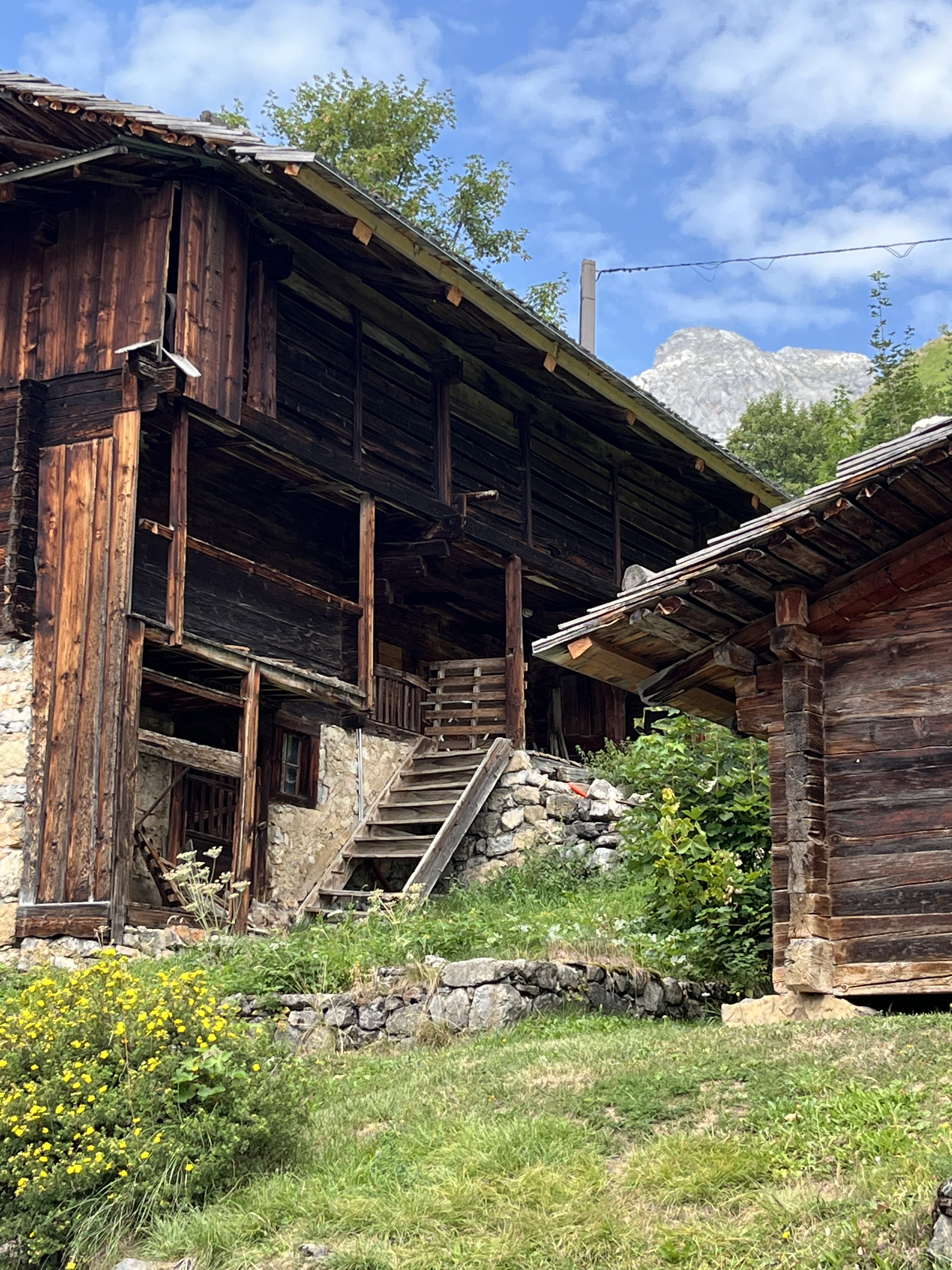
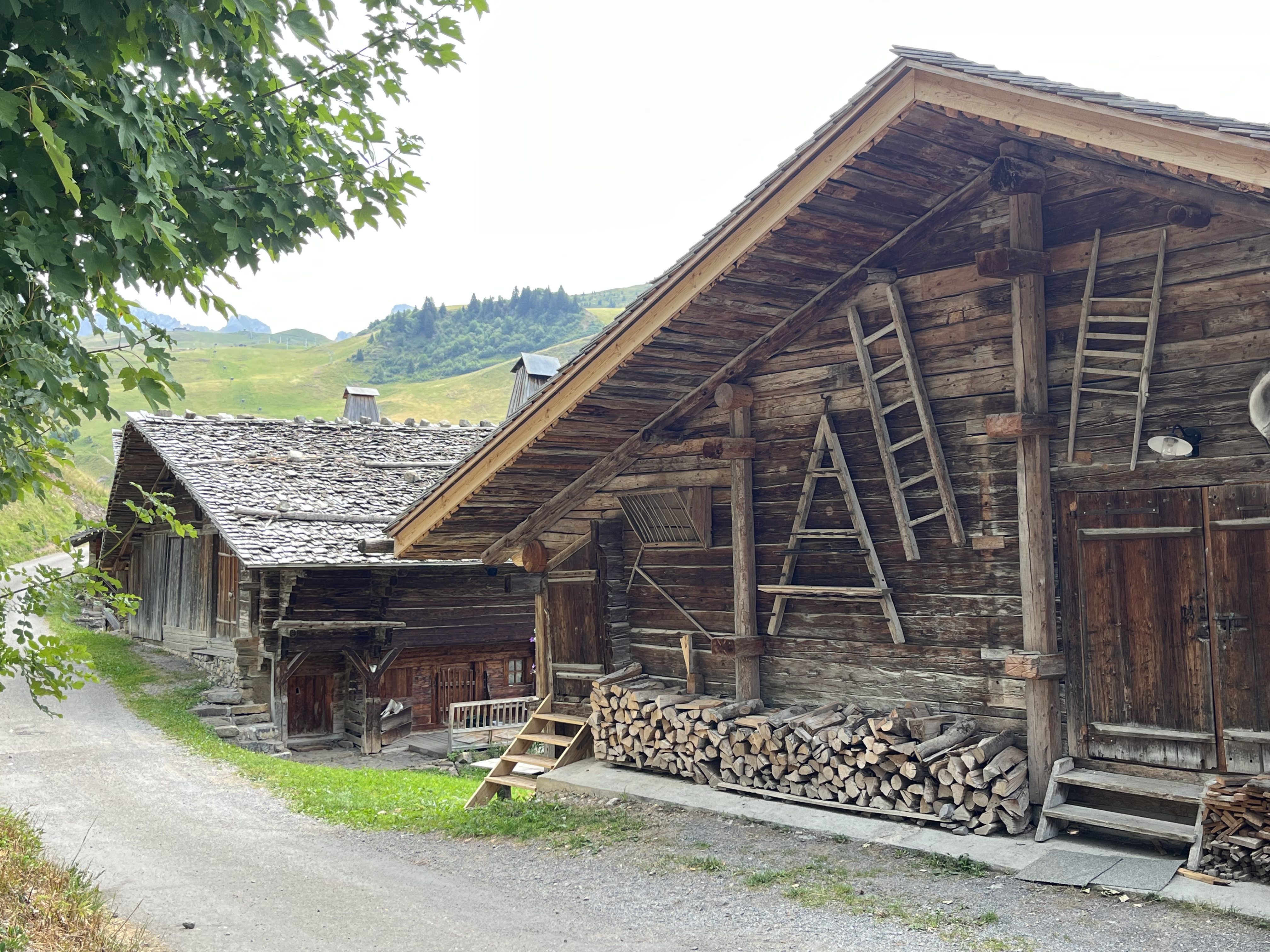
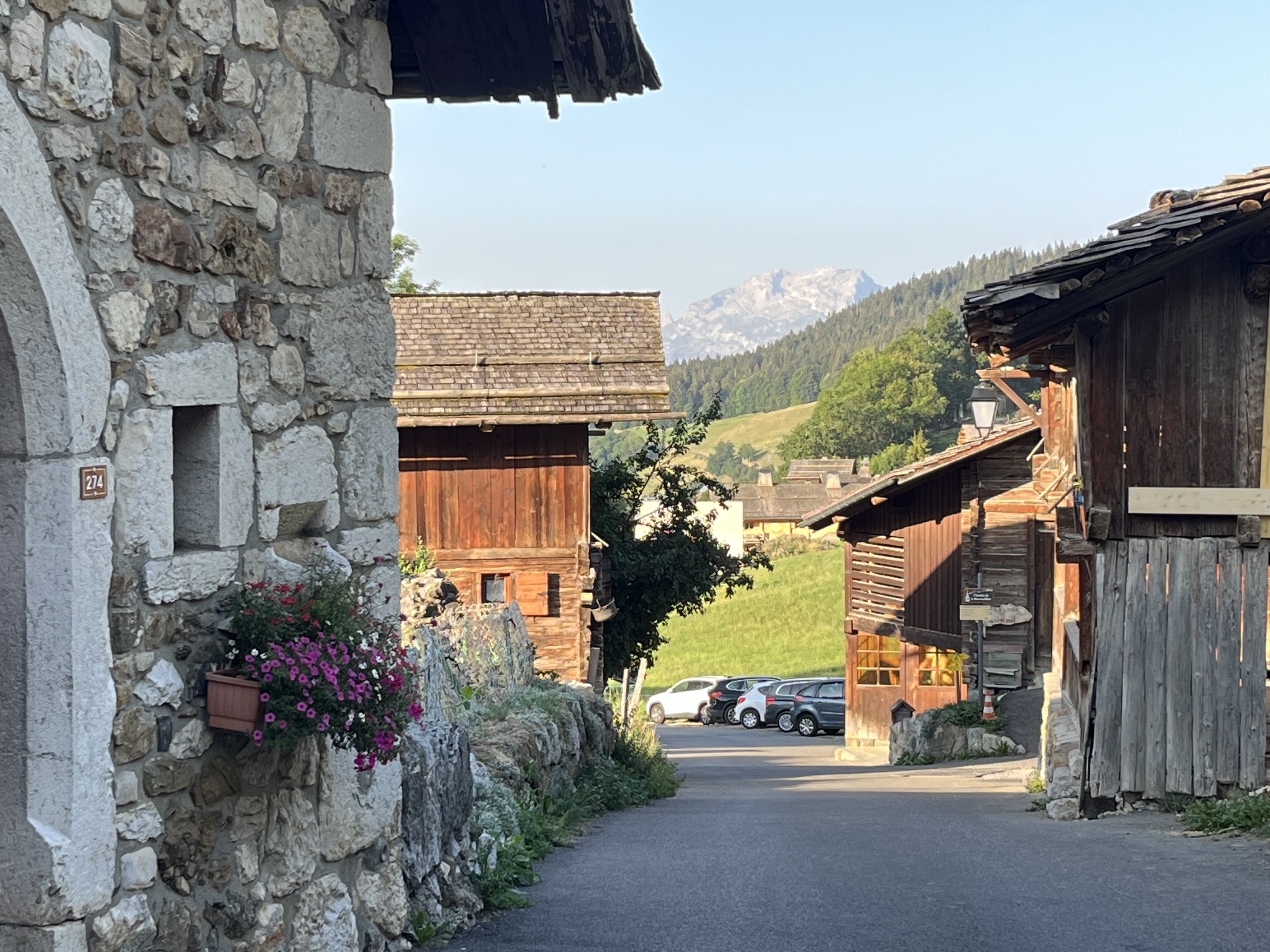
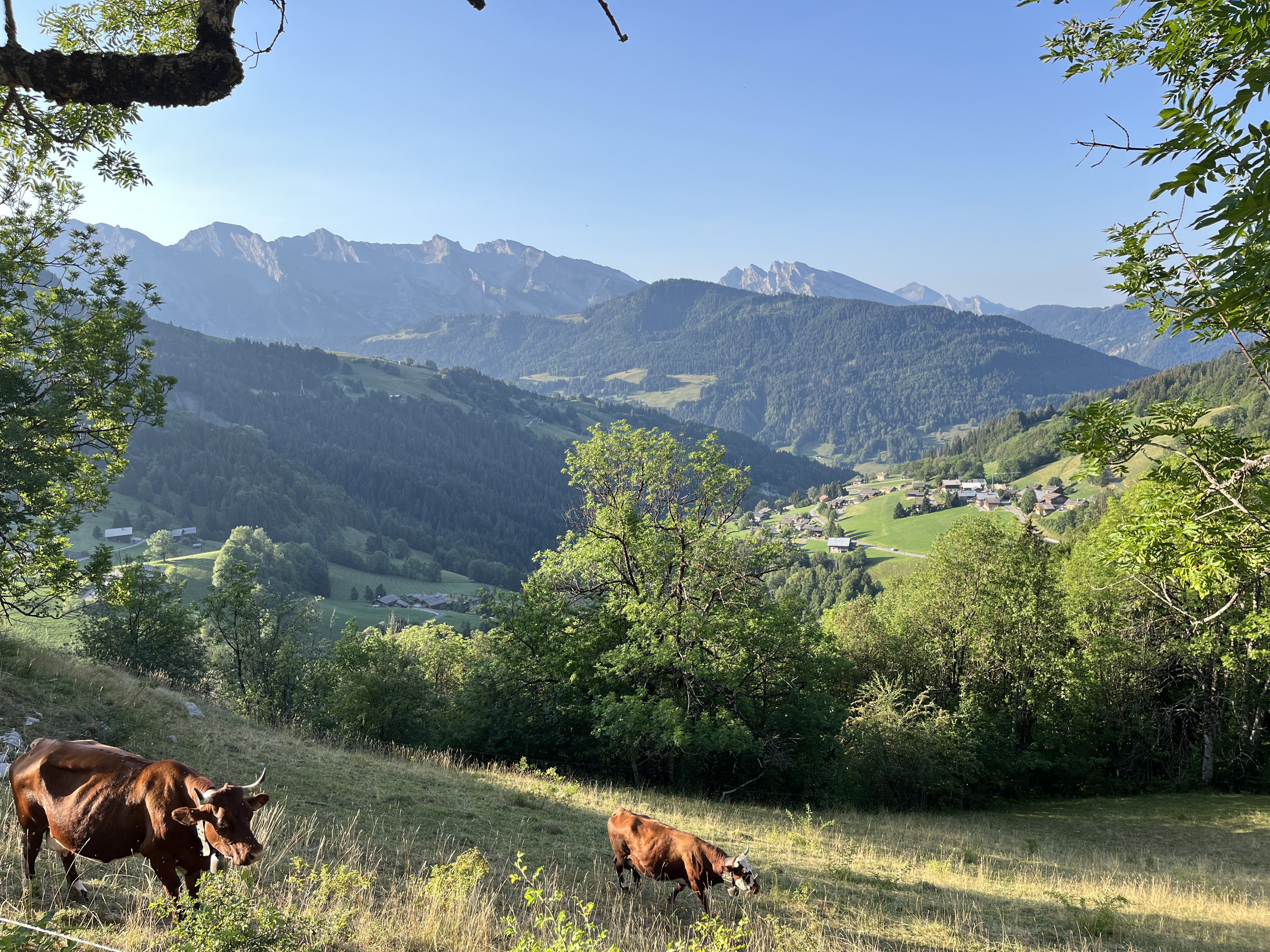
During our stay there, we noticed again, that easily over 90% of the people we encountered in the Grand Bornand valley in the French Alps were actually French. Very different from locations just an hour’s drive away, like Geneva, Annecy, Chamonix, or Albertville. Here, in the less ritzy Grand Bornand valley is where the French like to spend their alpine family vacations.
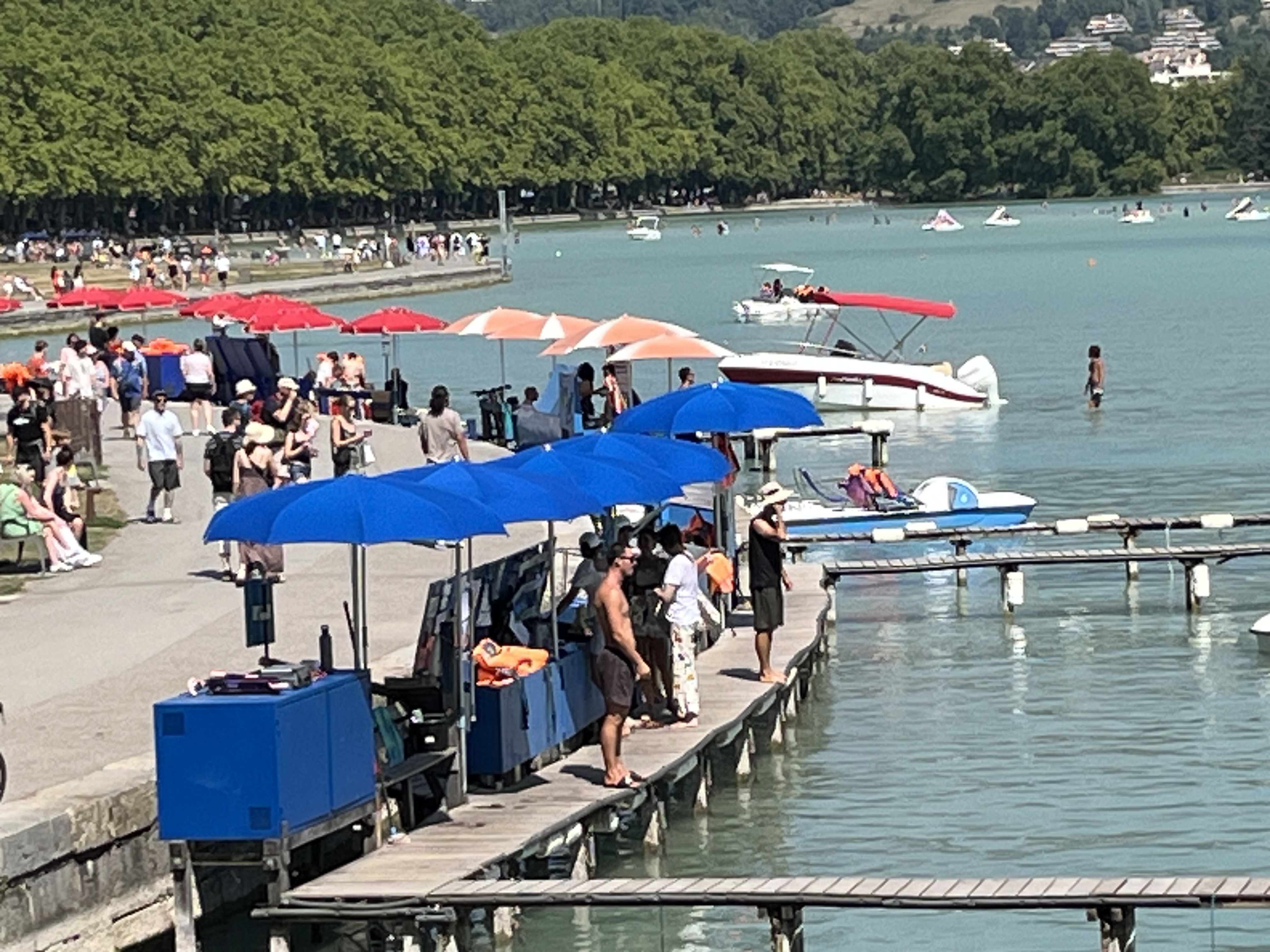
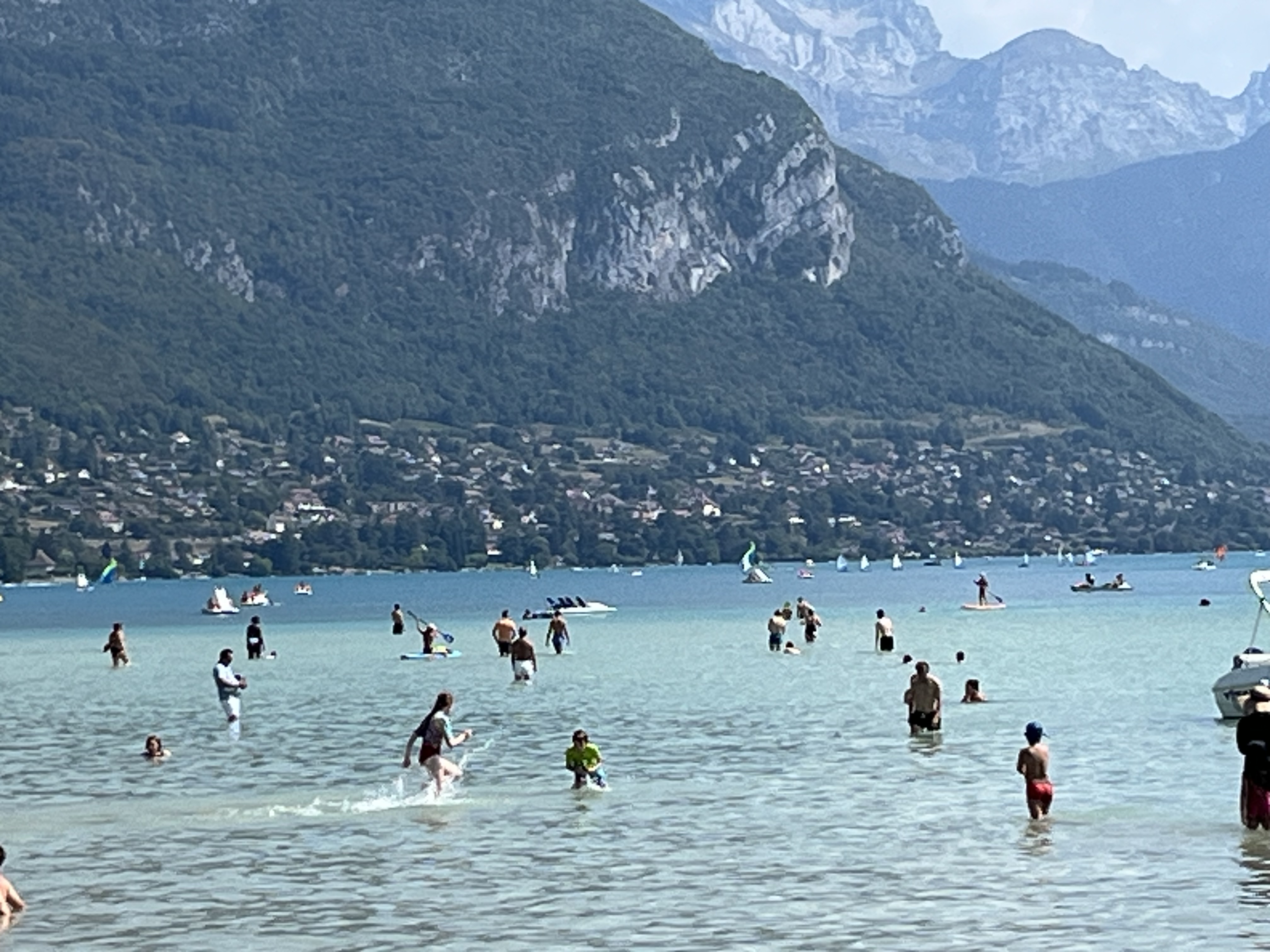
On the drive home we stopped at Lac Annecy and I had a refreshing swim. Walking along the lakeshore into town, we noticed that a lot of people had the same cooling off idea.
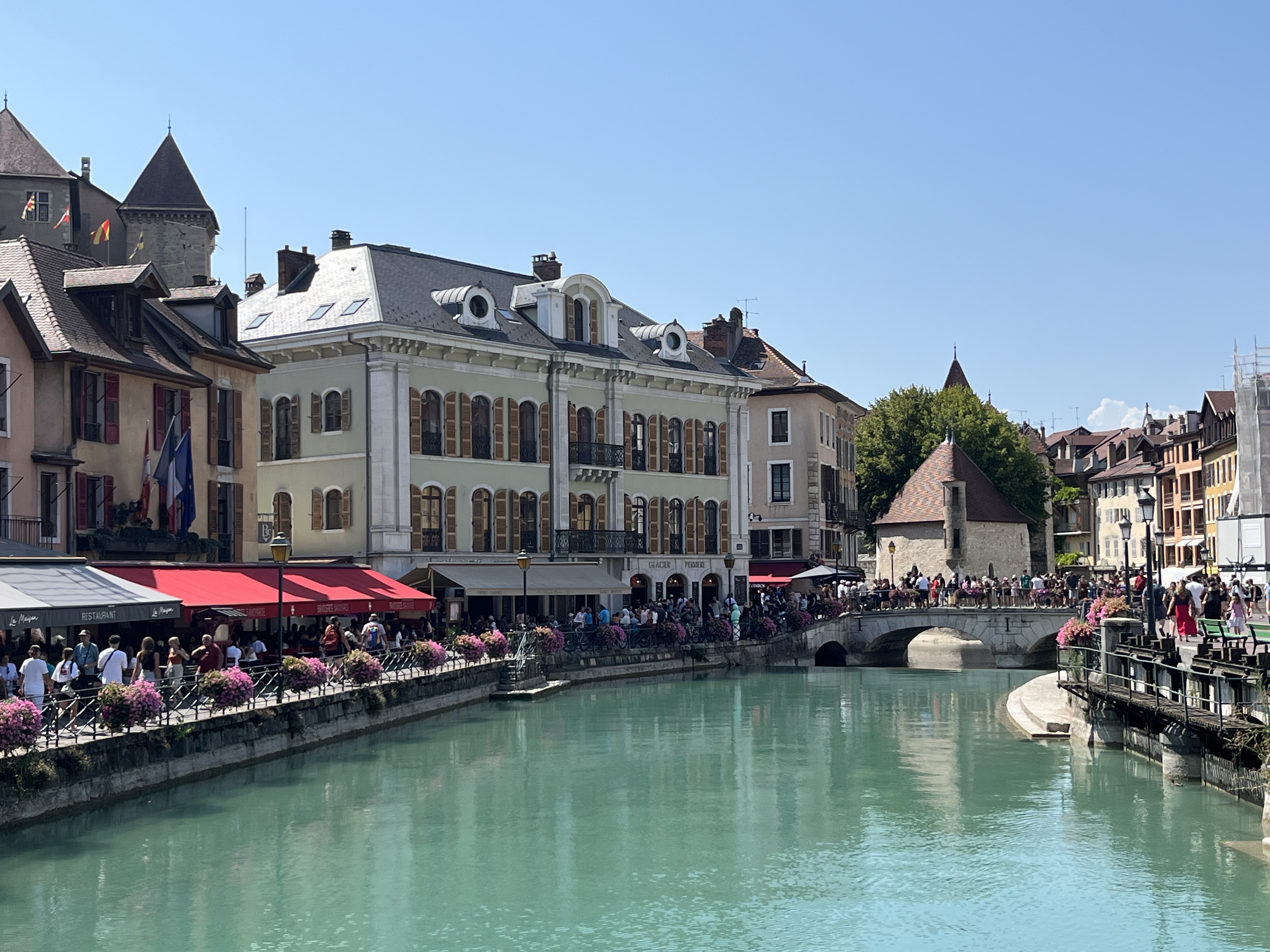
Annecy, the center of Savoie, with its picturesque setting at the lake and the rising Alps in the background, is a very popular and crowded area. We sat down at a riverside cafe for our afternoon tea, and enjoyed watching hordes of tourists walk by, and then we were off to our French home in Dijon.
This is it for now, time to finish up and publish this post.
Until next time, greetings from Dijon, France.


Leave a comment