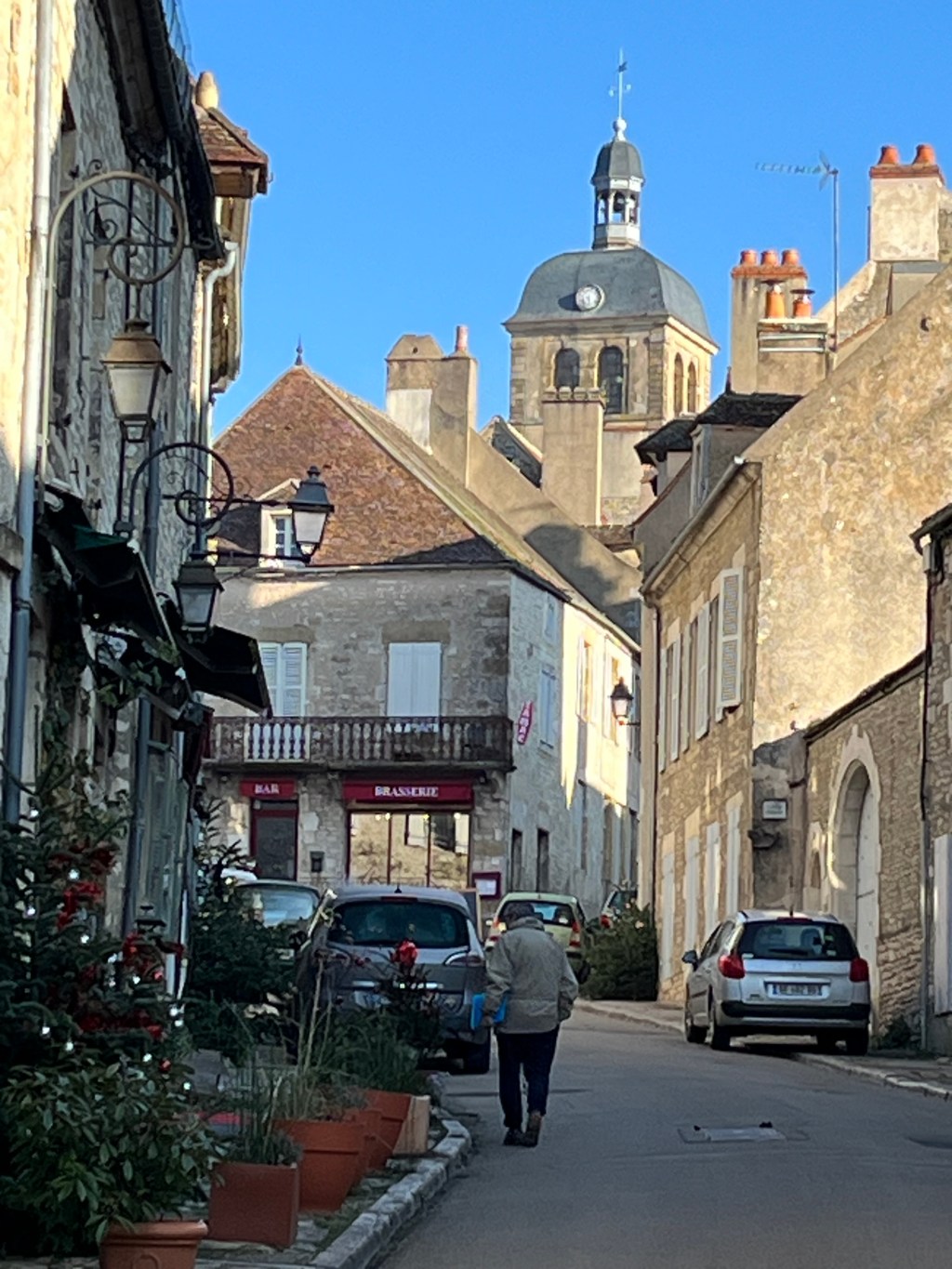
Last week we took two days and basically counter clockwise cicumnavigated the entire Morvan, the roughly 60 by 30 miles, granitic, forested hills, nature preserve, west of Dijon. We wanted to explore some new towns and territory. Avallon, our first stop, has a nice, well kept up, typical Burgundian historic downtown with ramparts, and made for an enjoyable stop.
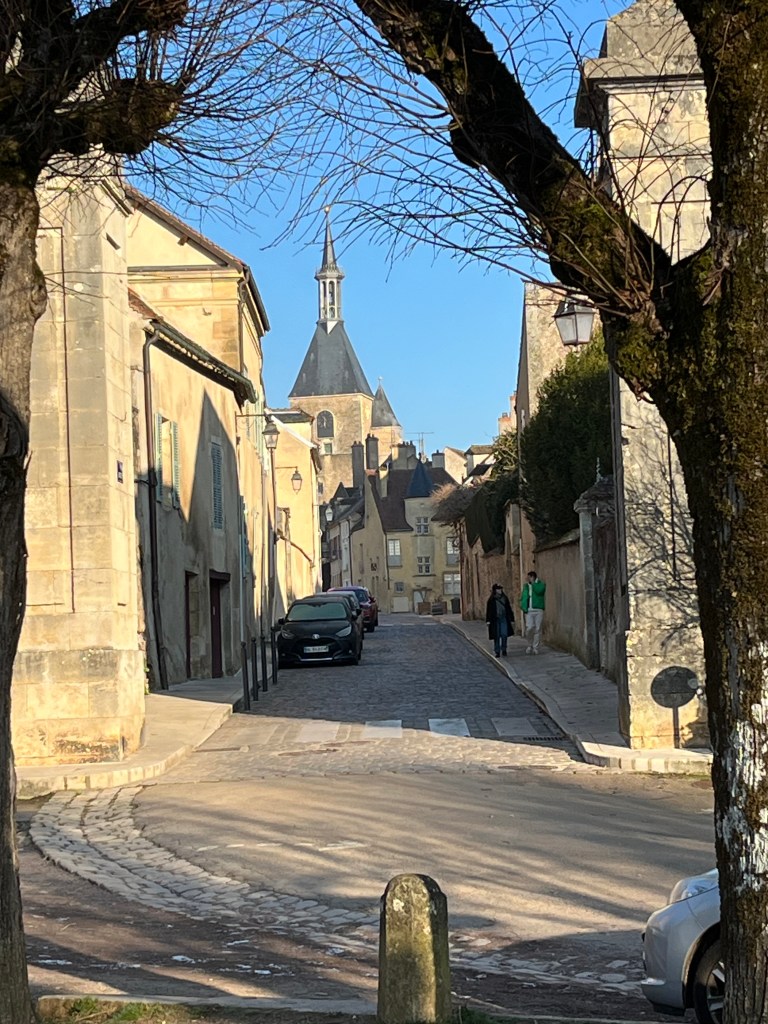
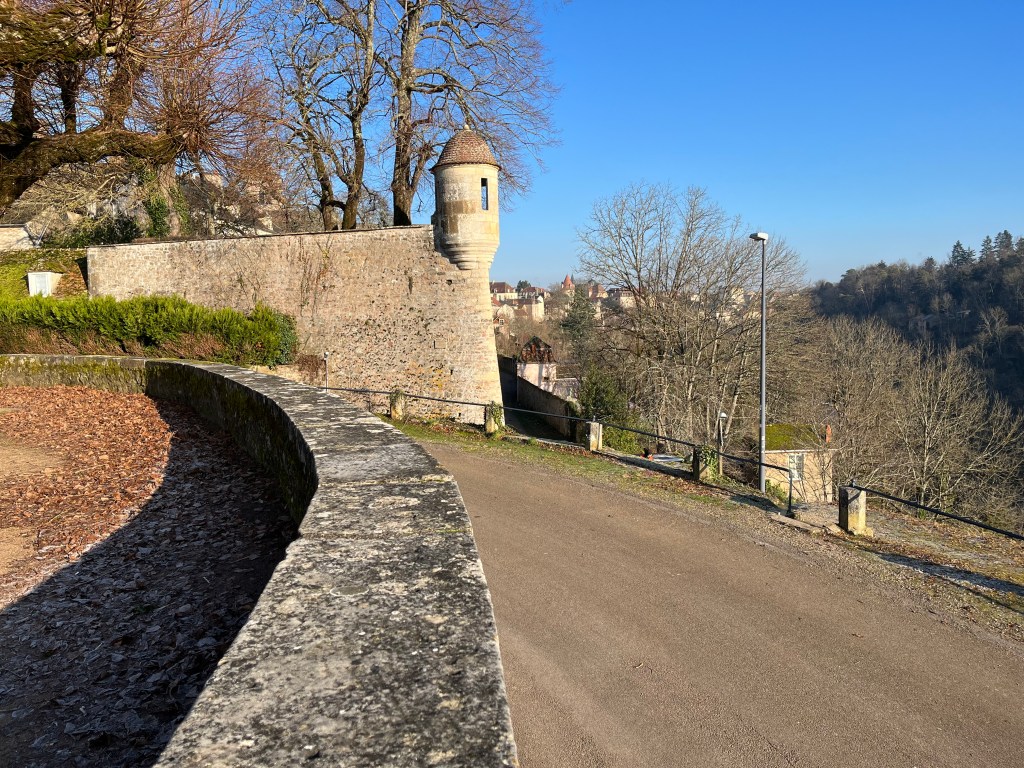

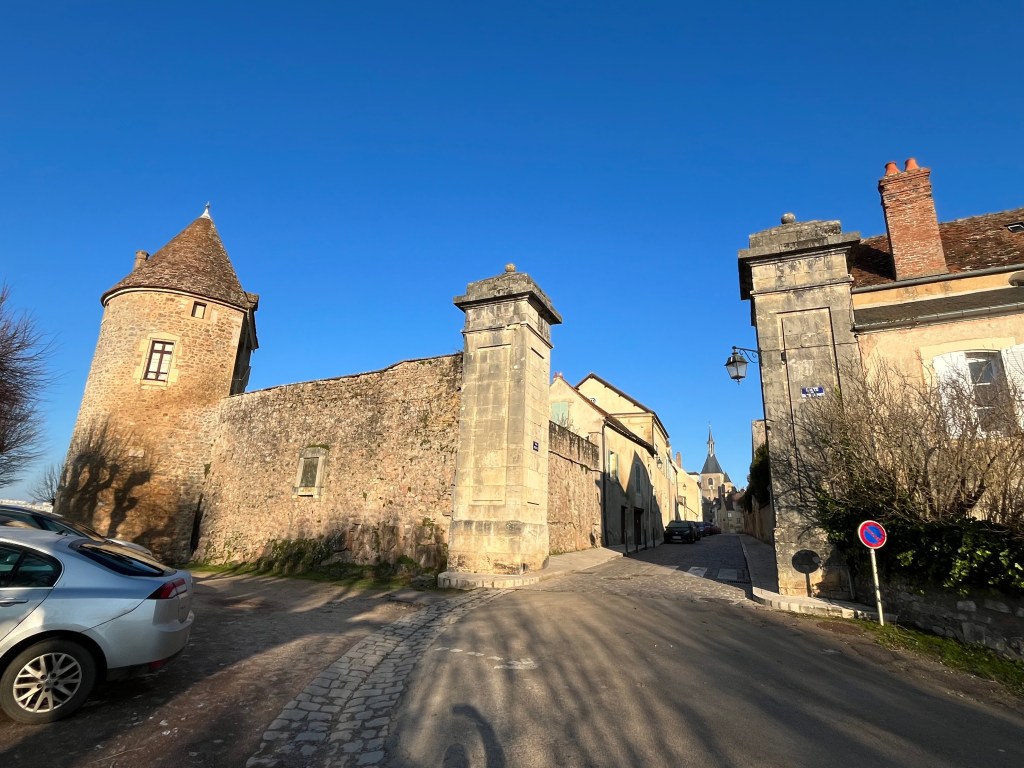


Our next stop, Vezelay was a small hillside town that dates back to 2300 BC, likely due to the proximity of the important salt fountains. During Roman times, the site was known as a wine growing region, yet the fame and importance came about in the 11th century, when the hilltop Benedictine Abbey obtained relics from Saint Mary Magdalene and the beautiful, romanesque Basilica of Saint Mary Magdalene was built in her honor, both the Basilica and Abbey, are UNESCO world heritage sites.
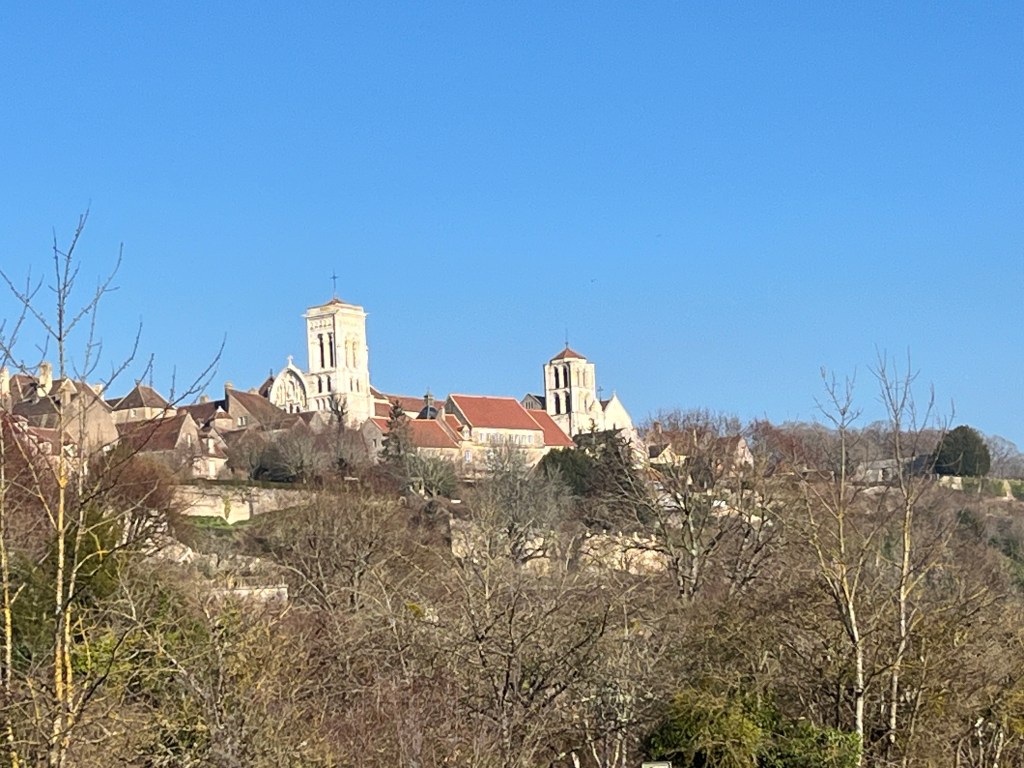
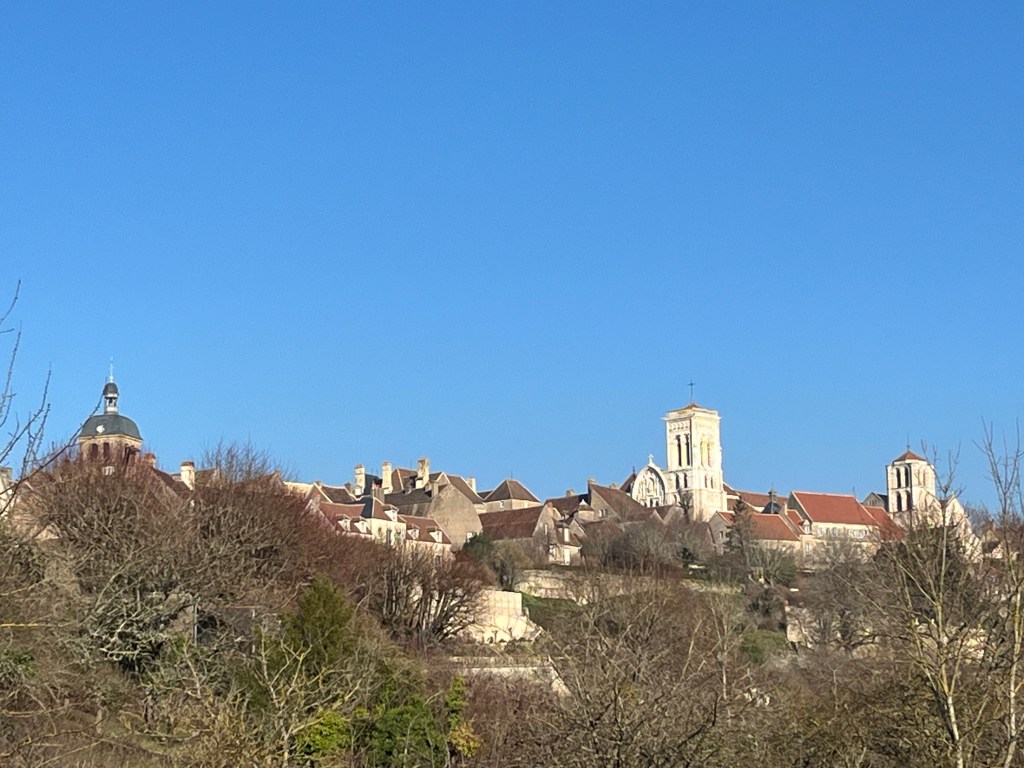

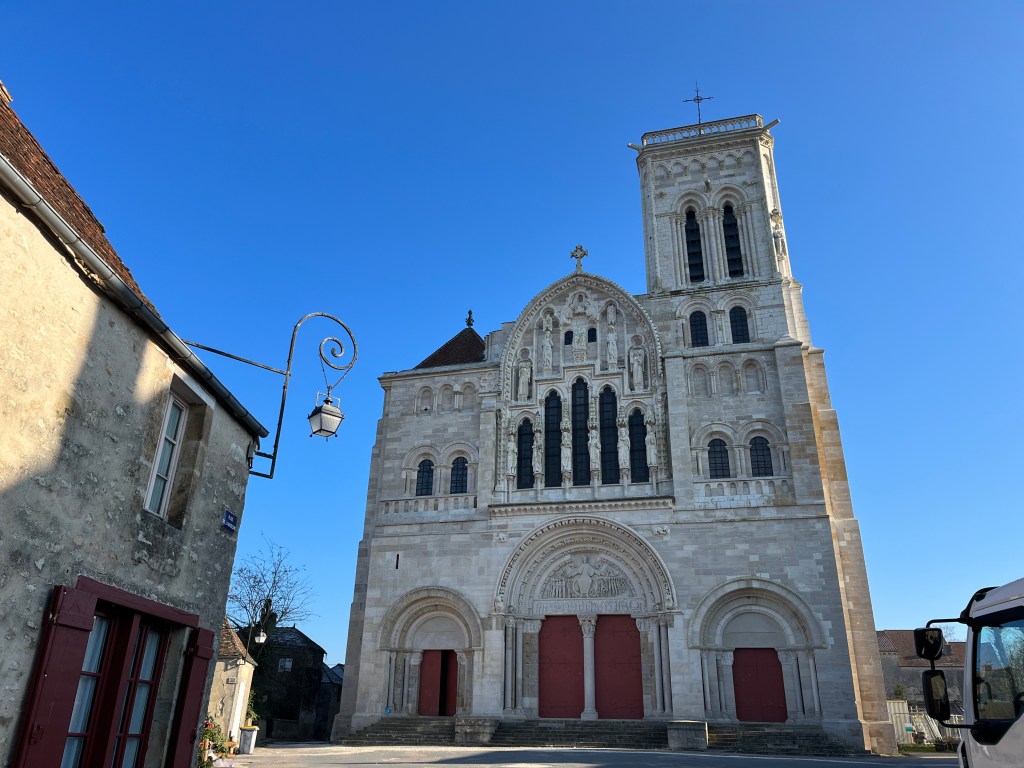


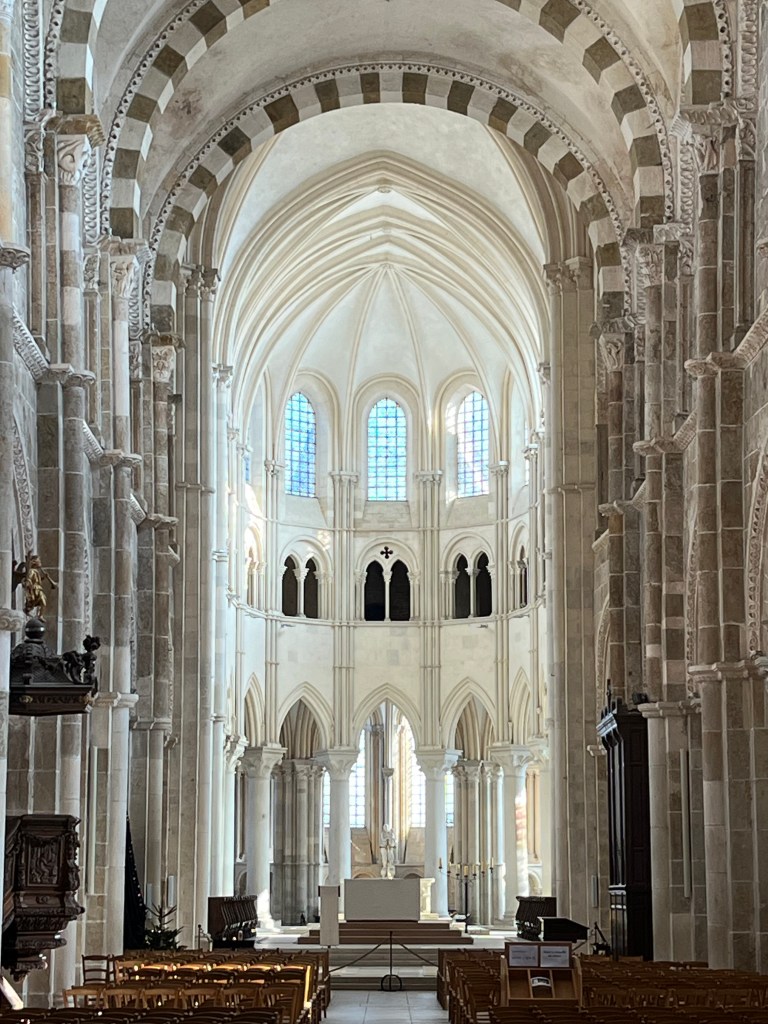

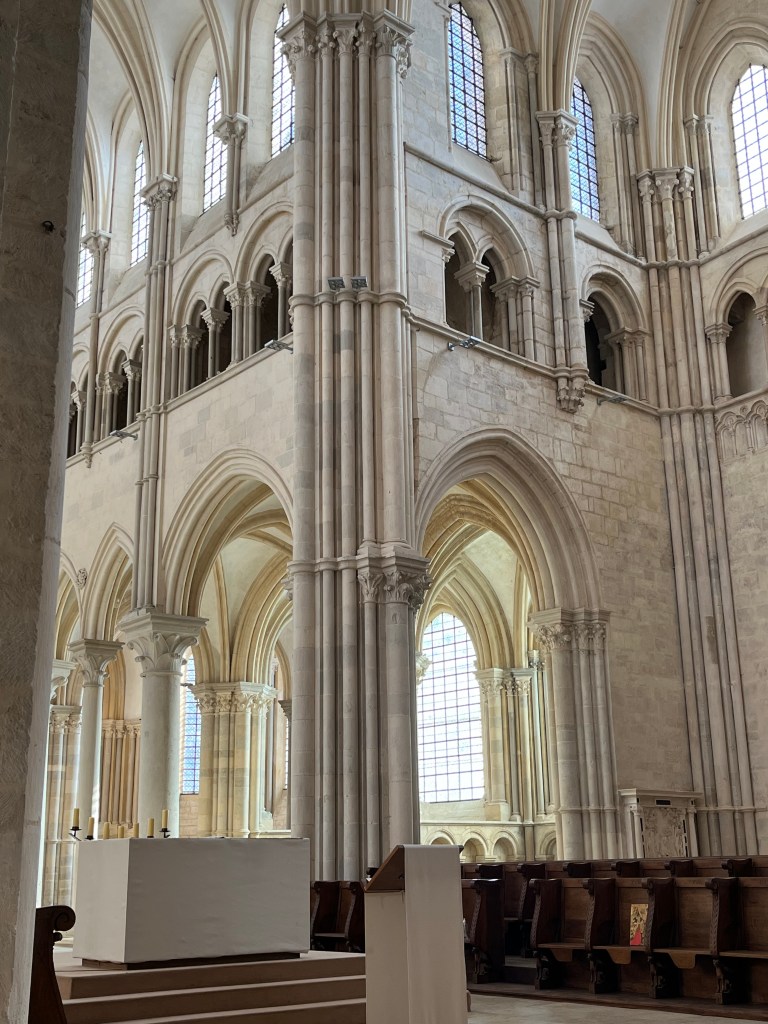
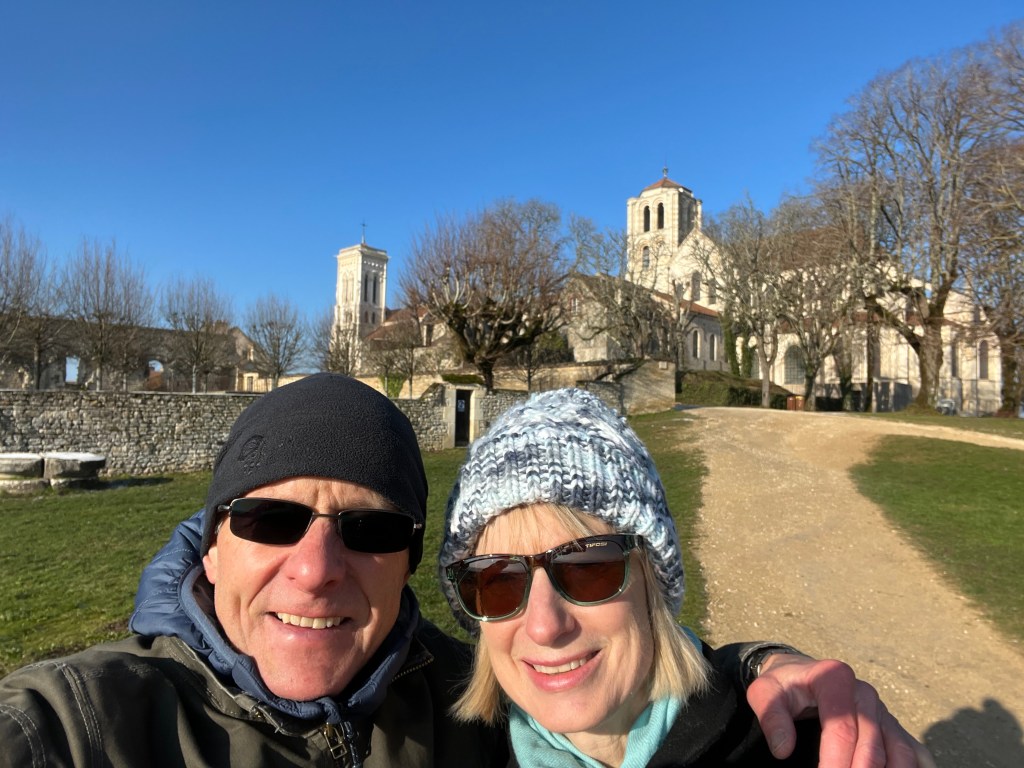

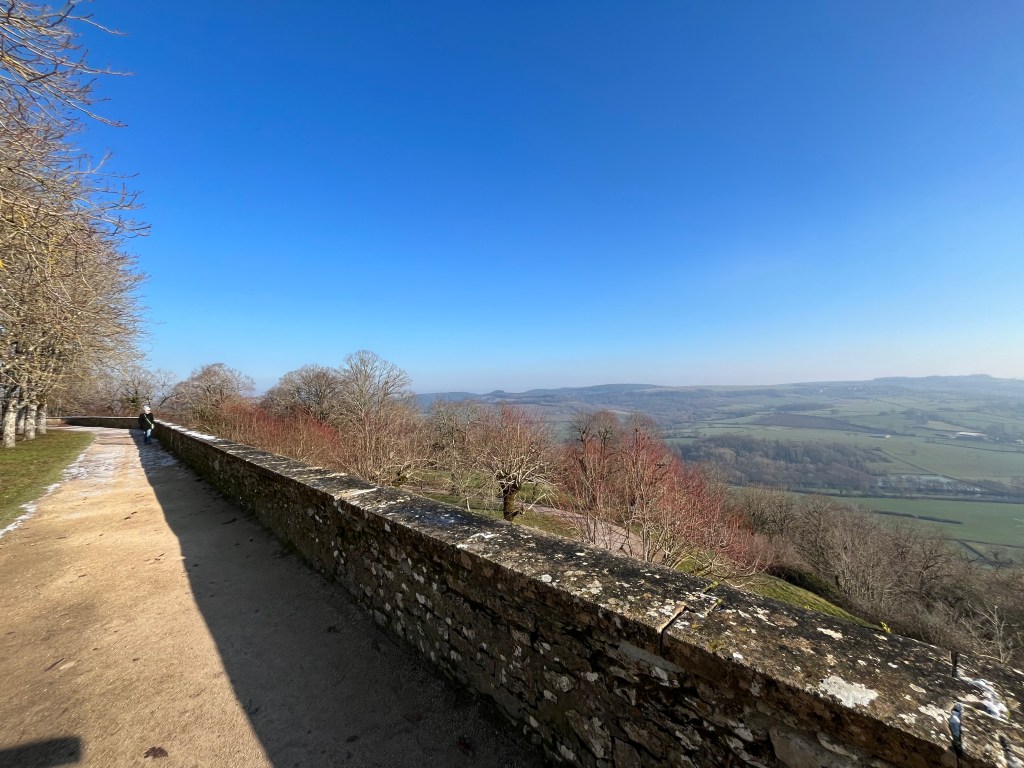

Thanks to the attraction of the relics, Vezelay became a major pilgrimage destination, and is still to this day, a major starting point for the famous and still popular “Way of St. James” pilgrimage (Jakobus Weg) to Santiago de Compostela in Spain. Vezelay was also the site where in 1146 at the Council of Vezelay, a firebrand Saint Bernard of Clairvaux preached the Second Crusade. – Glad that the Church and the Vatican, have a different understanding of Christianity today…

We previously visited Vezelay 11 years ago on a scorching hot summer day. At that time the town and church were packed with tourists. A couple days ago, with close to freezing temperature and a biting wind during the middle of a work week in January, the visit was a very different experience. We hardly saw any other tourists, or anyone else for that matter, and almost all of the stores, restaurants etc. were closed. After visiting the church around lunch time, we were glad to find an open establishment to get out of the cold wind and warm up. Inside, this Brasserie was packed with locals, and we shared a table with an interesting looking, small old man and a young man working on his laptop. Lauri ended up sitting on a bench next to the funny looking old guy, and I was on the bench across with the young business man. Shortly after sitting down and ordering our hot teas, the old guy started talking to me, yet as to no surprise, with my limited French, I couldn’t understand a thing the old guy told me, no matter how hard I tried. He appeared animated and interesting, and kept on talking, and I just wished I could engage more. Finally the young man next to me stated that I shouldn’t worry about understanding the old guy, since he was not really speaking coherent or understandable words/sentences. The young guy and I then started up a conversation, especially after learning that he was originally from Germany, now lived with his wife and two young children in this small, remote town, and sometimes had to get out of the house to socialize and work. We talked about living in France, real estate, forestry, to his business pursuit of insuring agro-forestry farmers in Uganda with the help of carbon credits. While I was conversing with the young man, I noticed that the old guy was mainly focused on something he was doing on the bench, next to him behind the table, while occasionally looking up at me. It didn’t take too long to find out what he was doing there, when he pulled up a sheet of paper from the bench onto the table, pointing at his drawing and me. I then realized that he drew this sketch of my face:
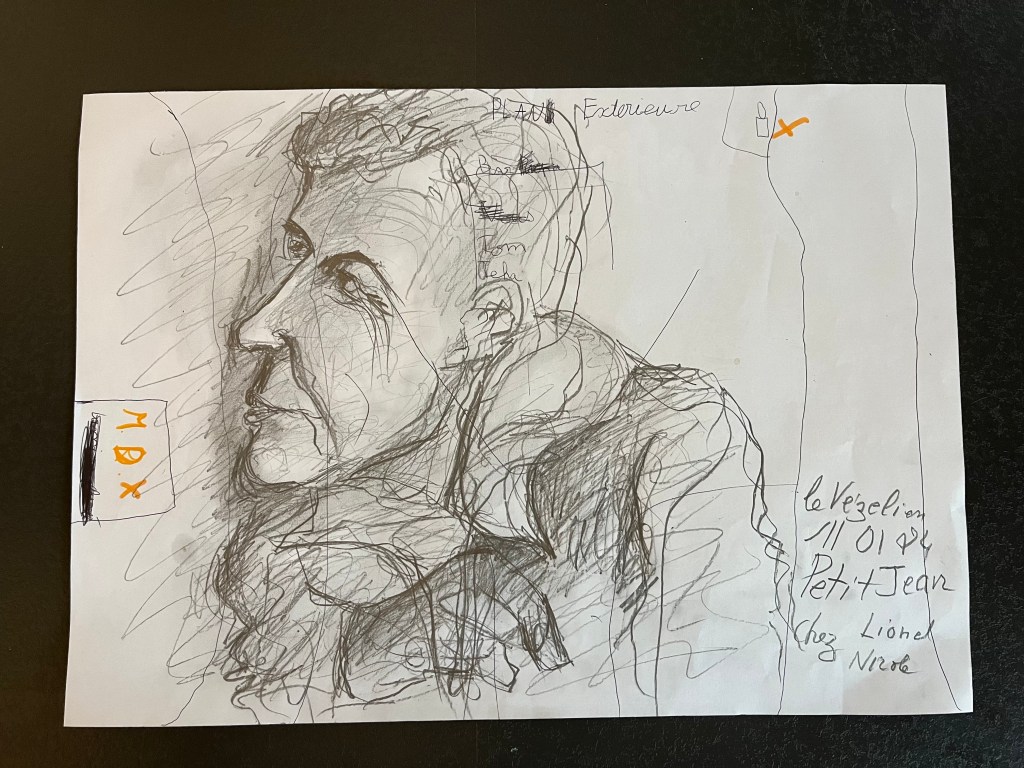
I am not quite sure about any actual resemblance, yet he managed to pull this off within a few minutes drawing on a bench next to him on the backside of a used paper placemat, – I was amazed! Actually, he should have been drawing this tres chic Madam sitting next to him:
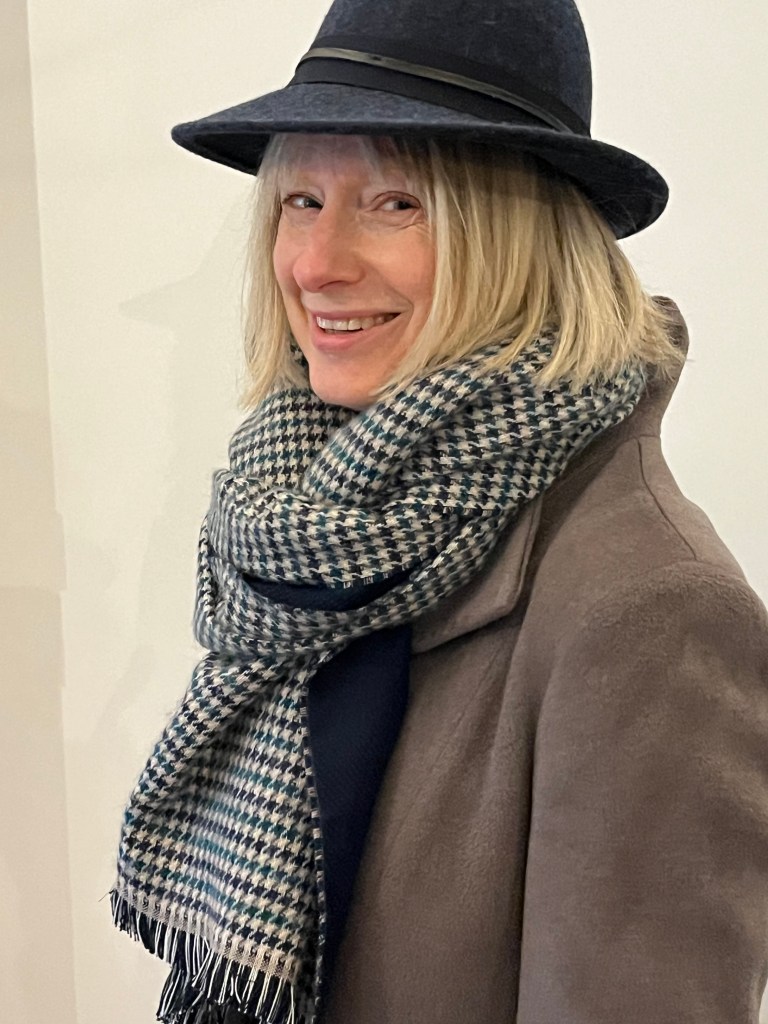
As signed, he introduced himself as Petit Jean of Vezelay, a very friendly, somewhat eccentric local who apparently is loved and cared for by this little community. After thanking Petit Jean for his gift, and telling him our names which he was inquiring about, we then had to say au revoir (good bye/auf wiedersehen) to our two table friends, as we still had a longer drive ahead of us to Bourges, our next stop.
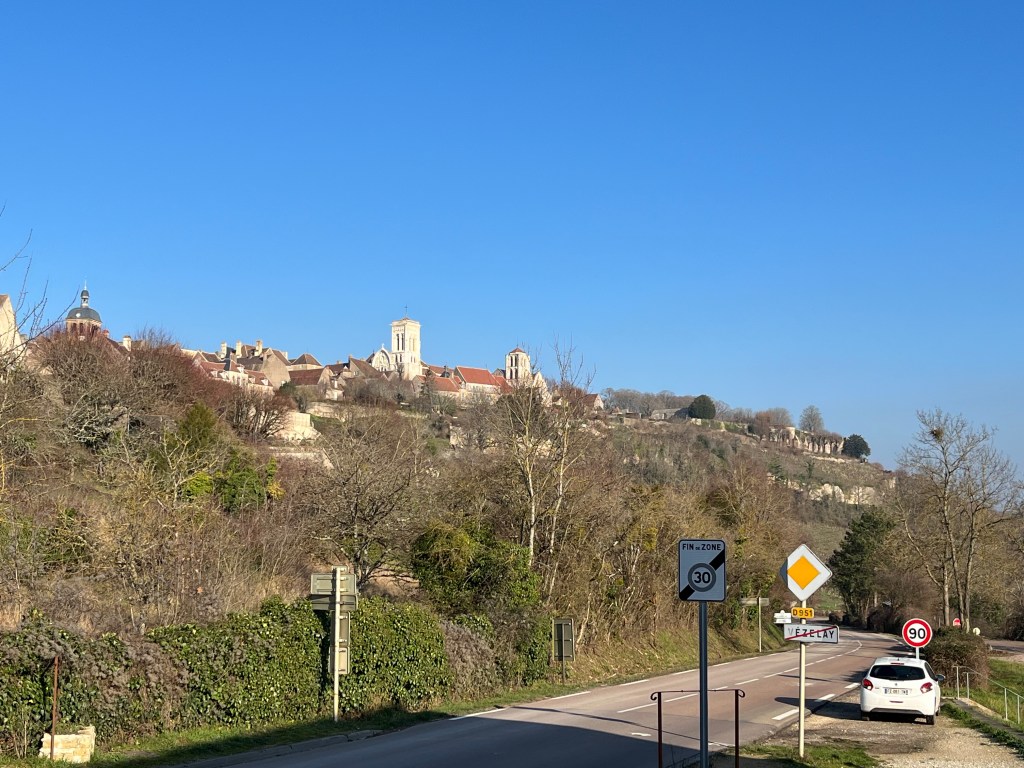
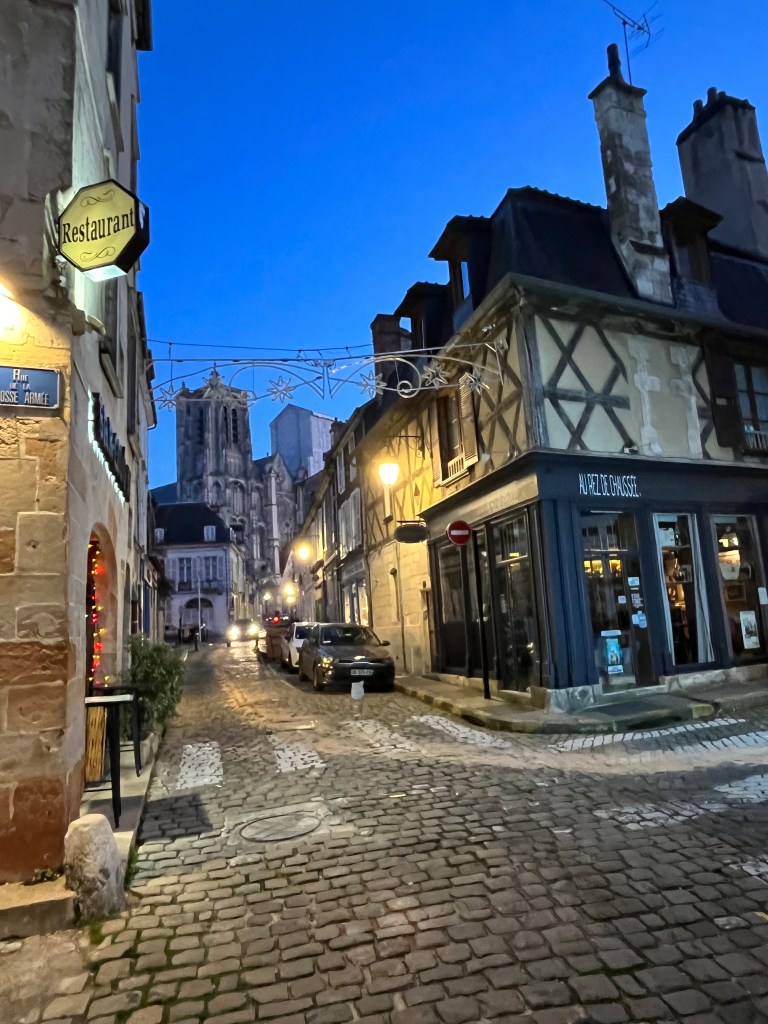
We spent the evening, night, and morning in Bourges a town of 64,000 in the Region of the Upper Loire Valley. Based on some pictures I saw on the internet, I thought the historic downtown and cathedral would be worth a visit, and indeed it was! The classic gothic style cathedral was build in 1195 and is another UNESCO world heritage site. We found the classic gothic interior very beautiful, yet were mostly impressed by the 13 century stained glass windows. On our revisit in the morning with the rising sun in the background, the colors, especially the rich blue tones, were so vivid, it rivaled and reminded me of Saint Chapelle in Paris. These pictures don’t give it full justice:
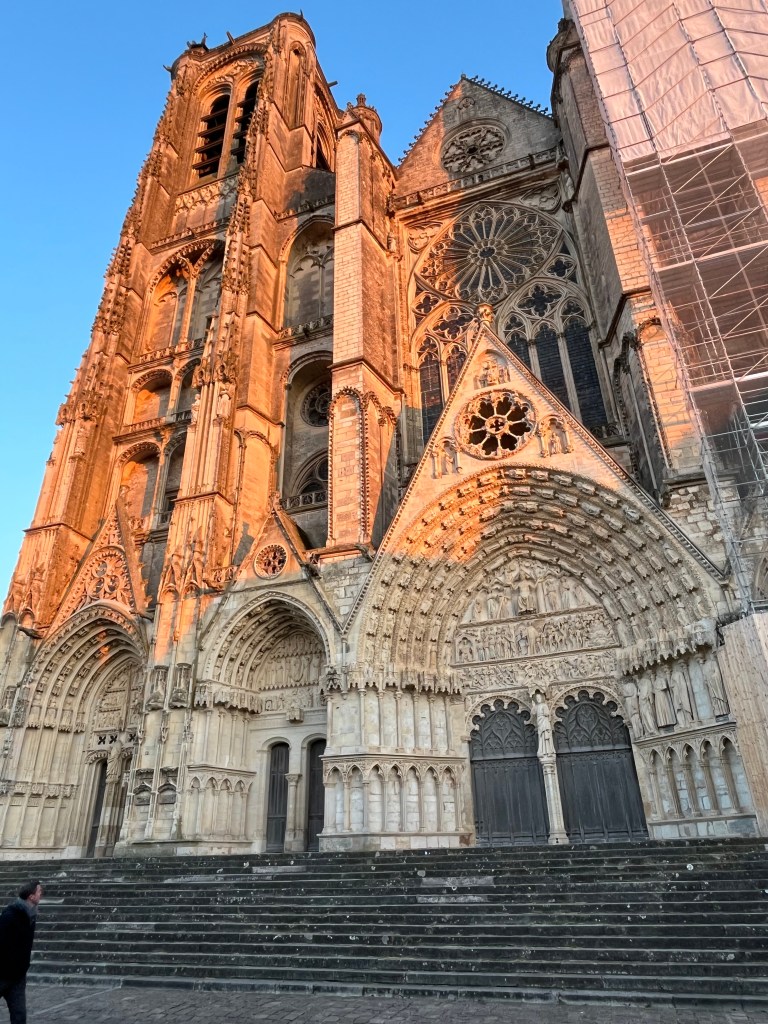
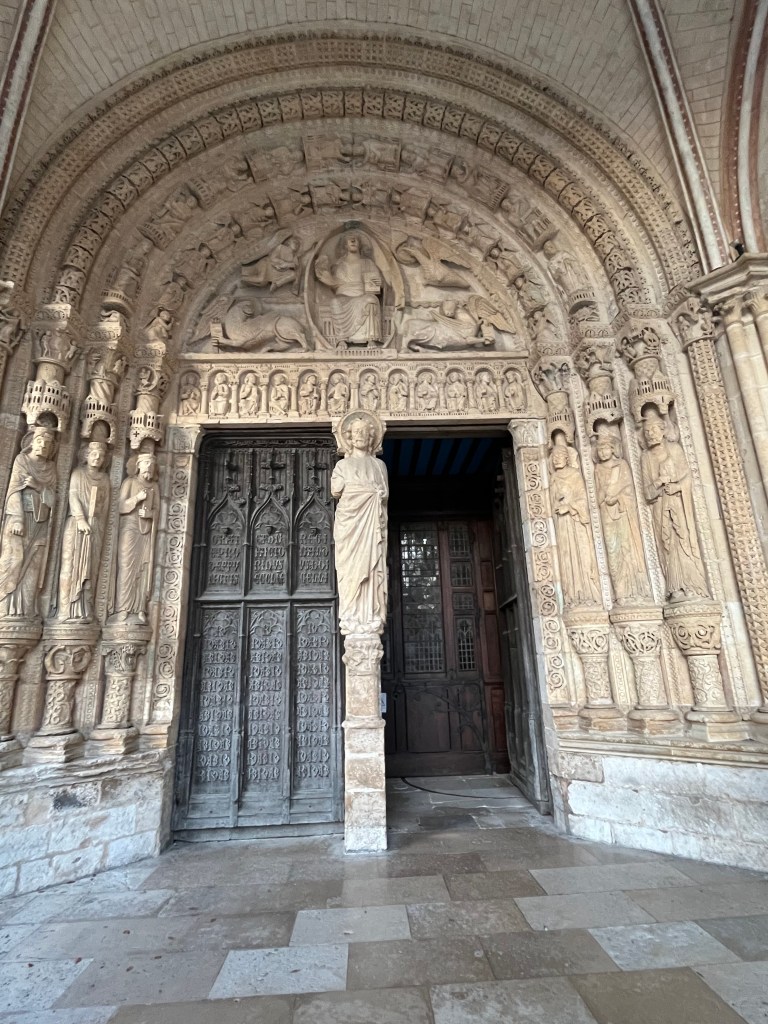
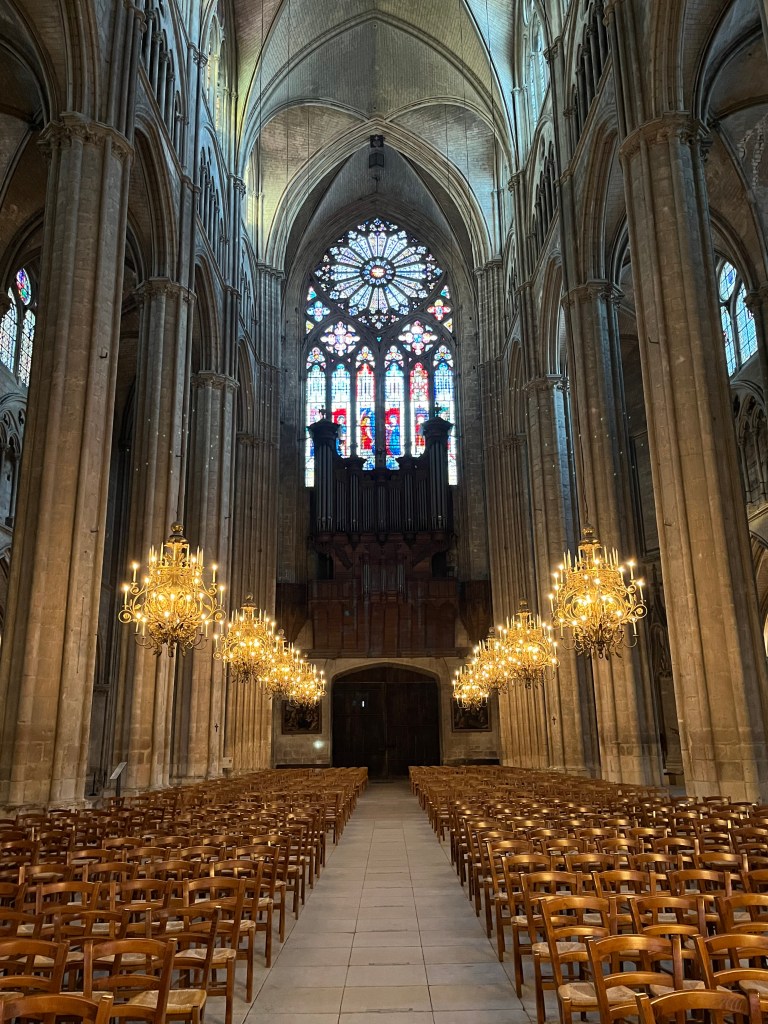
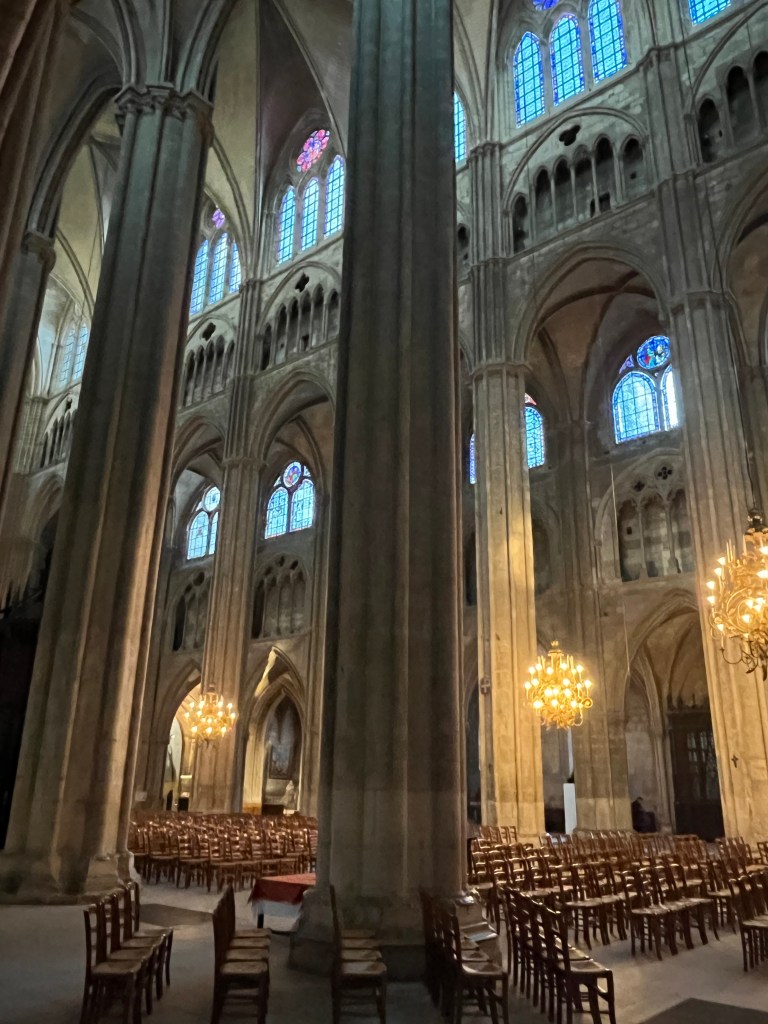


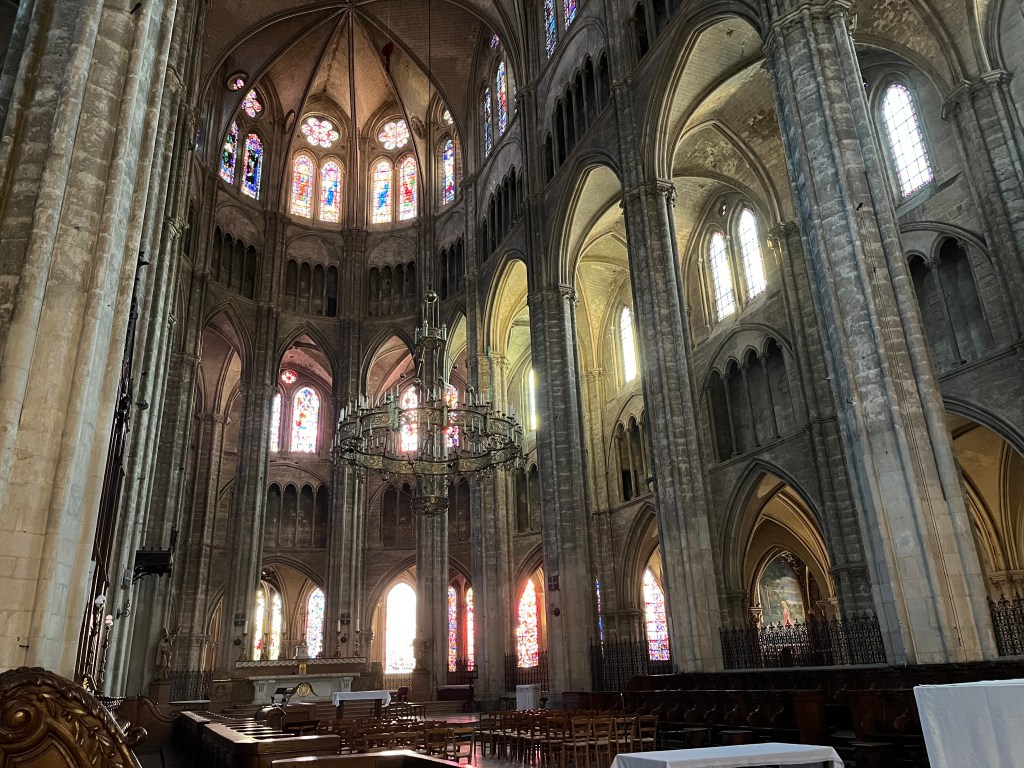

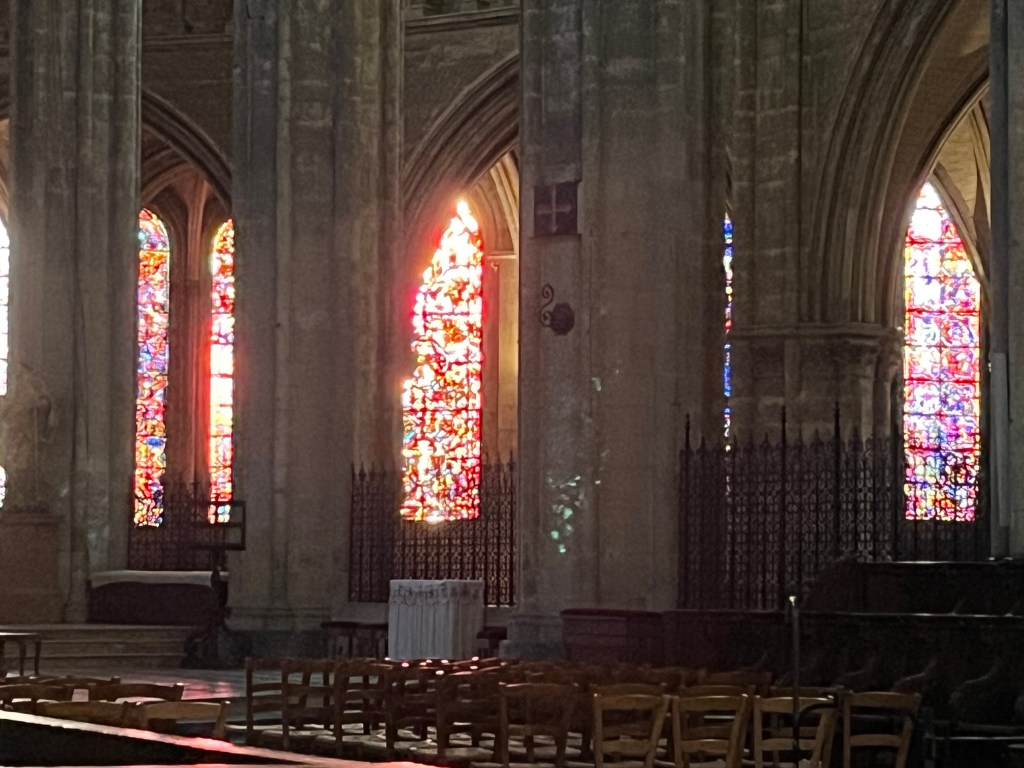
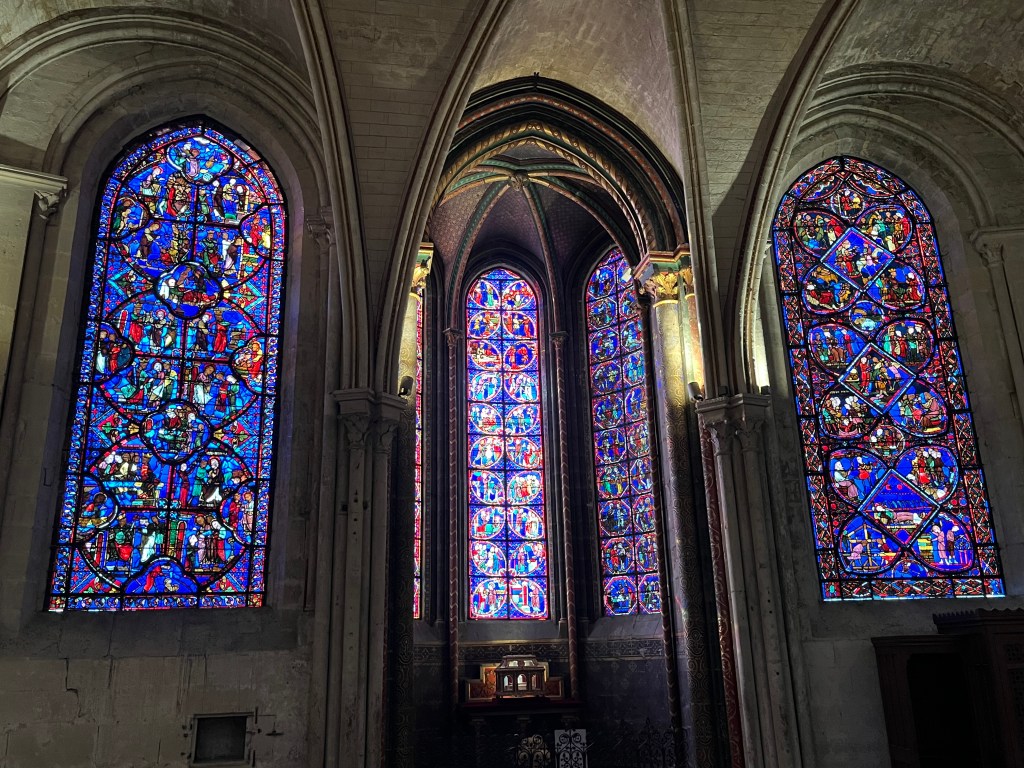
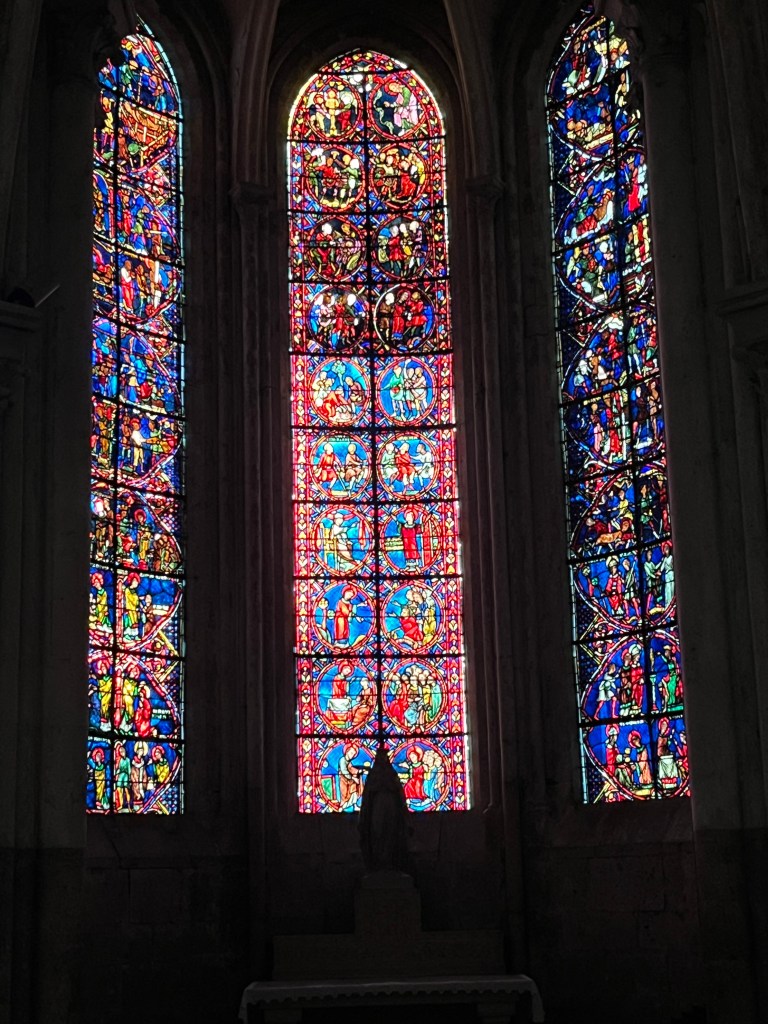
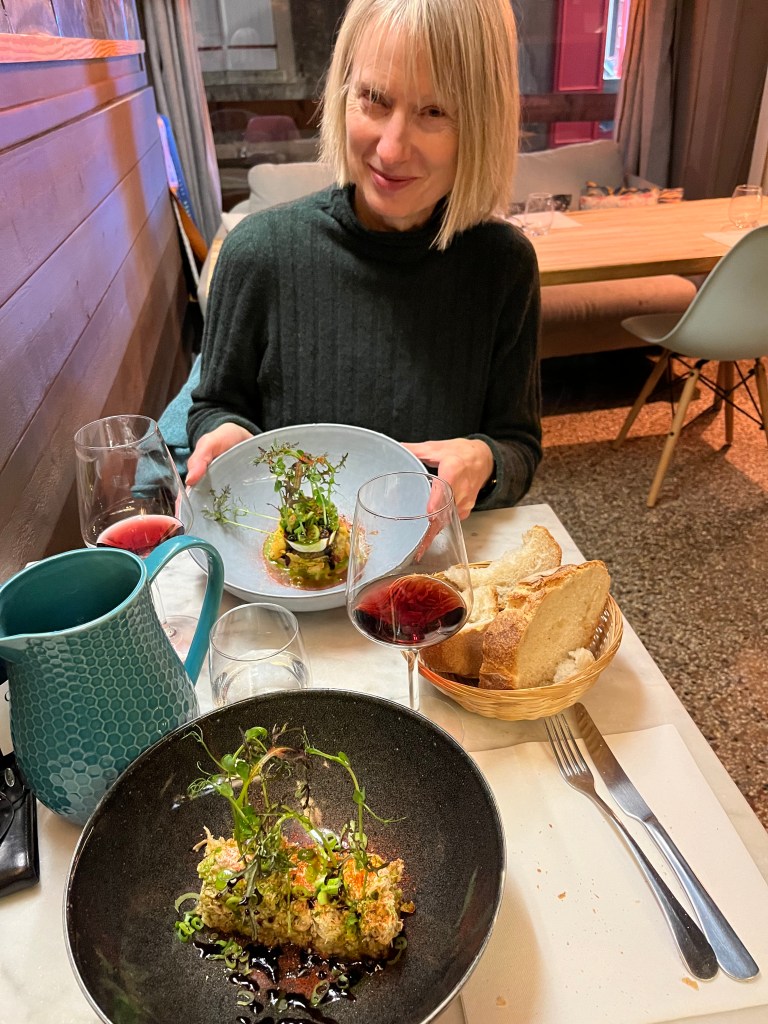
Bourges was a great visit all around. We very much liked our convenient hotel and had a fun and super French dinner with all the trimmings in a small restaurant “Au Rez De Chaussee” in downtown, – shown in one of the pictures below. After our morning revisit of the cathedral, we visited the town’s second attraction, the “Palais Jacques Coeur”.

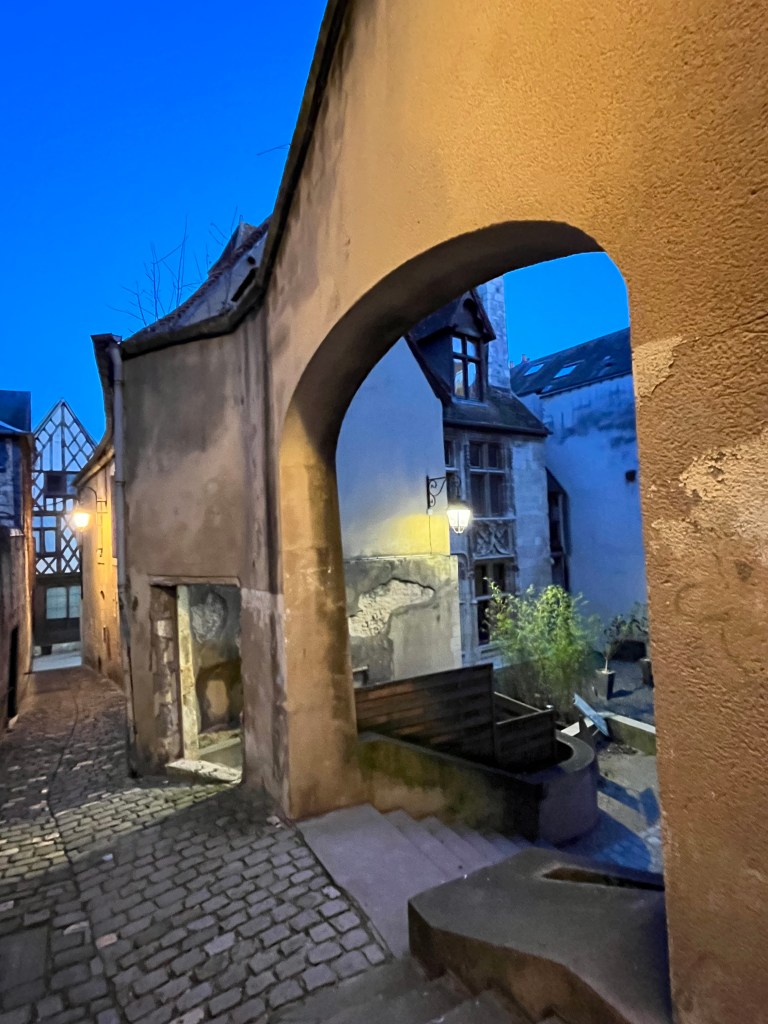

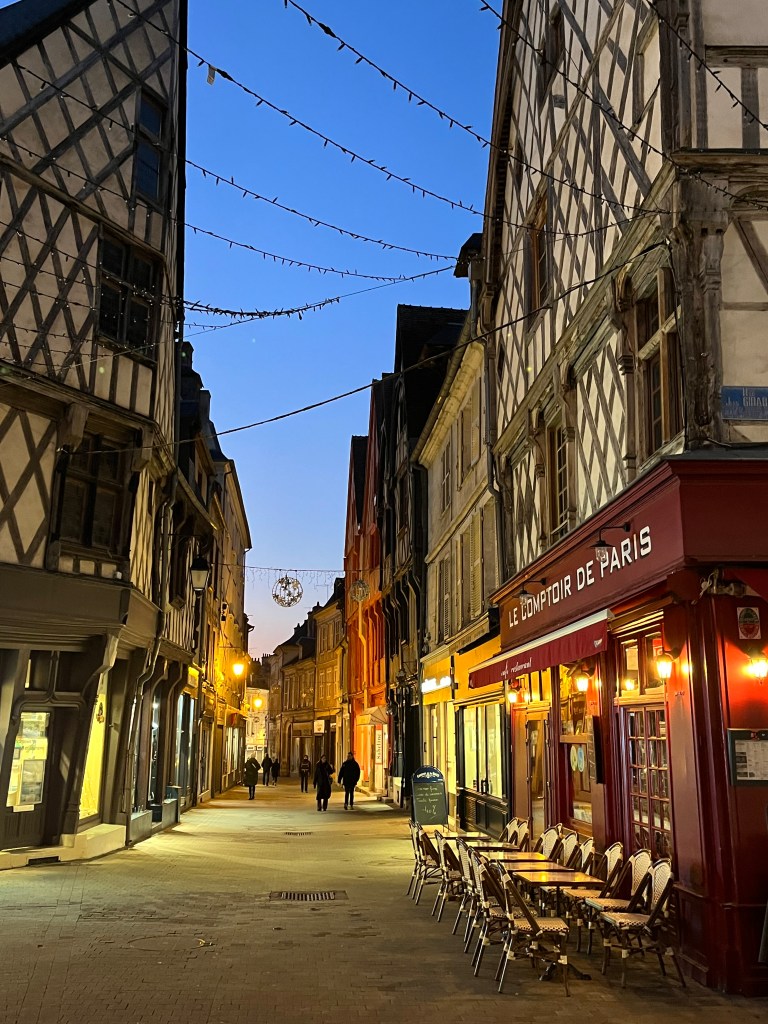
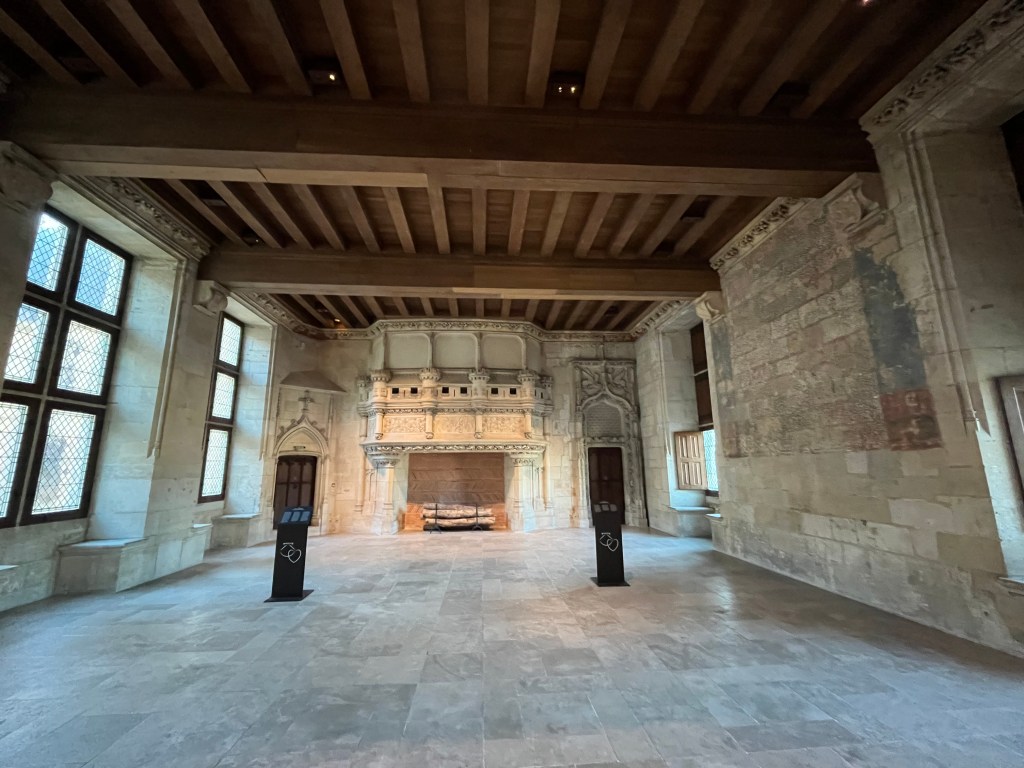
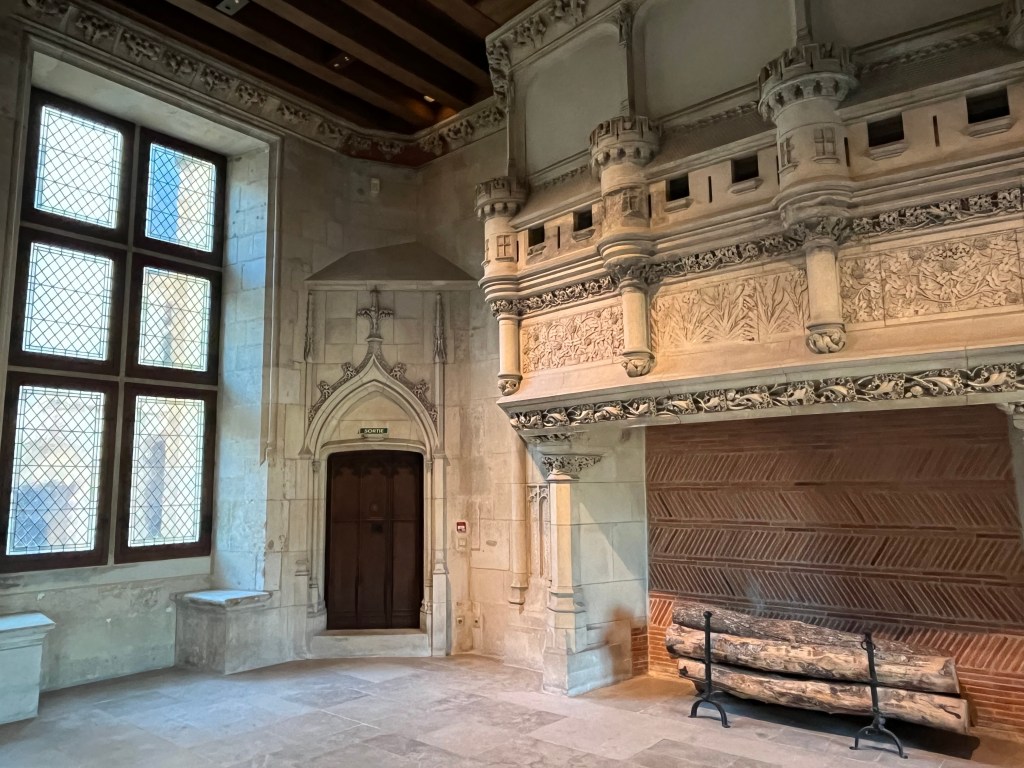
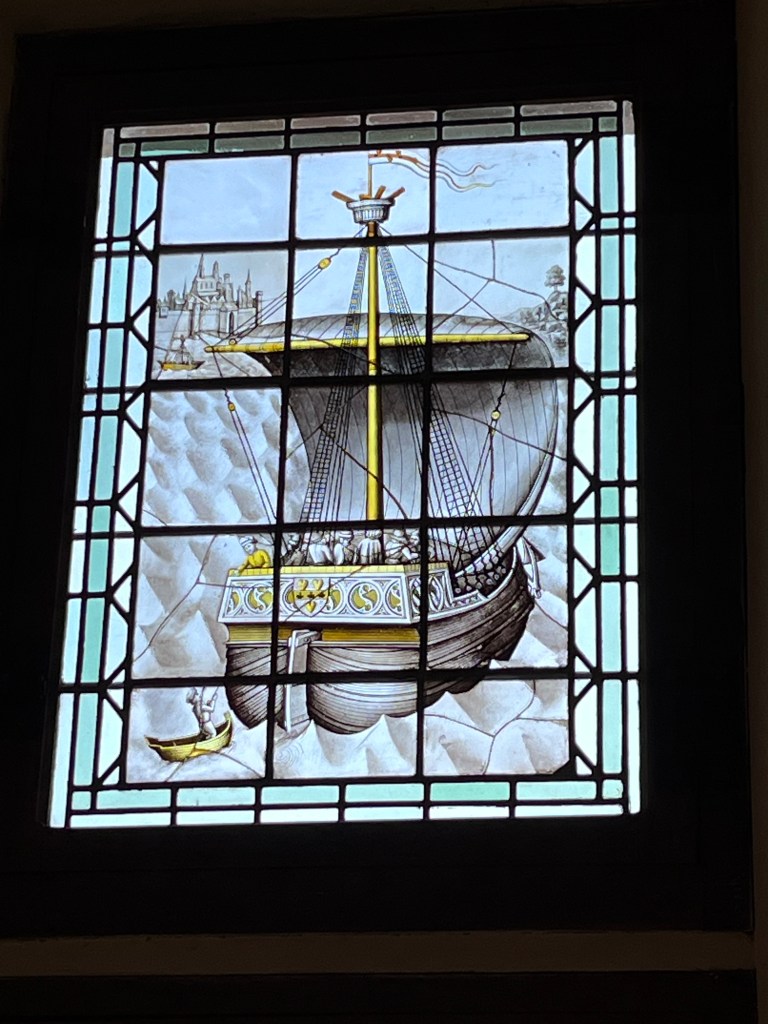
Jacque Coeur was a French government official and state sponsored merchant, whose personal fortune became legendary and led to his eventual disgrace. With the brief history of him we learned during our Palais visit, one would think that his life would make for a great movie template. This entrepreneurial “Wheeler Dealer” had this flamboyant style Palais built for himself in the 15 century. It took about 100 permanent servants to run this private Palais, which even had a purpose built, fully designed sauna/steam room. – The lifestyle of the rich and famous in the 15th century!


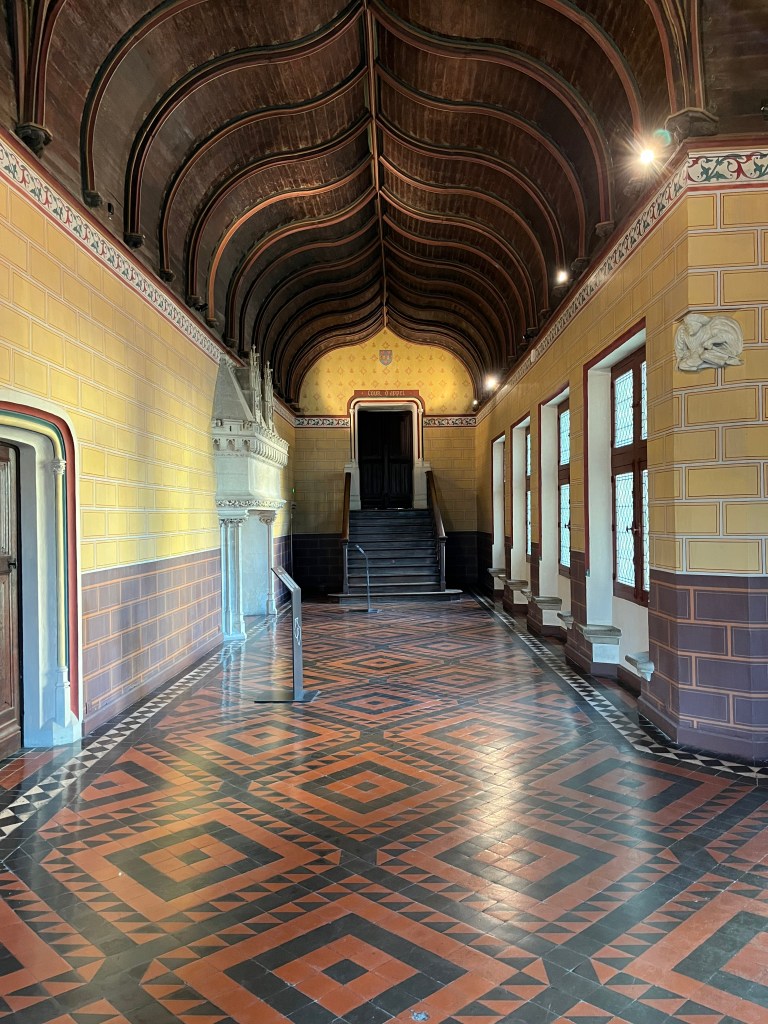

We only stopped briefly for lunch in Nevers on the Loire River. The Palais Ducal, – pictured below, nowadays houses administration offices of the city of Nevers and was built in the same flamboyant style as the Palais Jacques Coeur in Bourges.


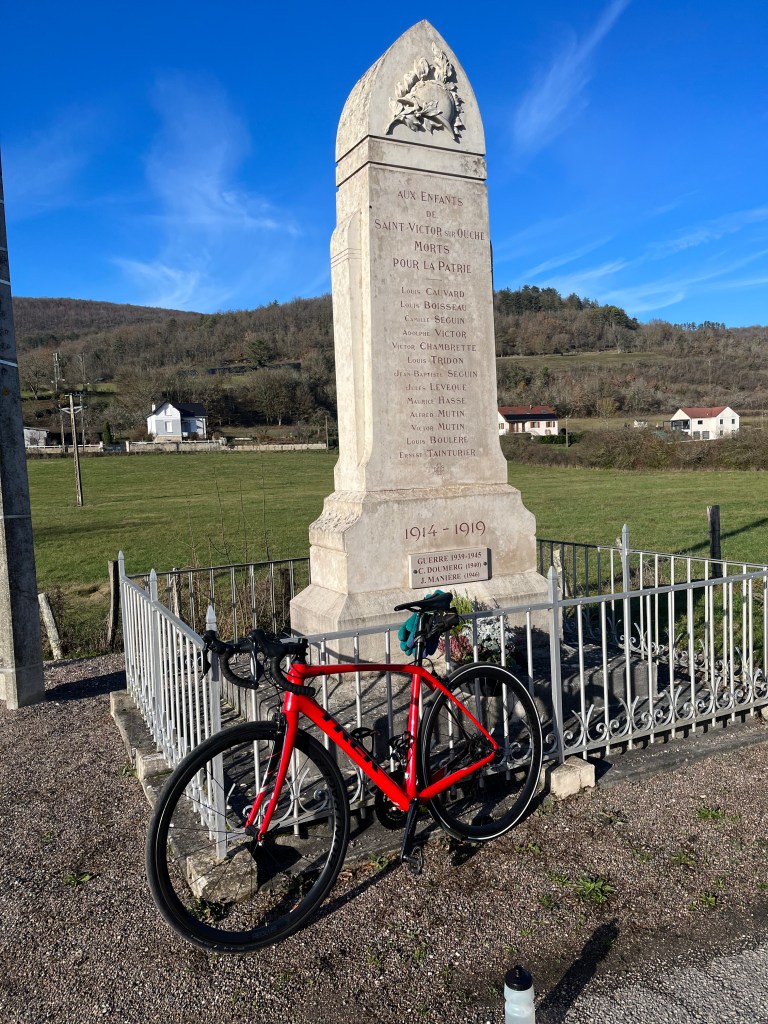
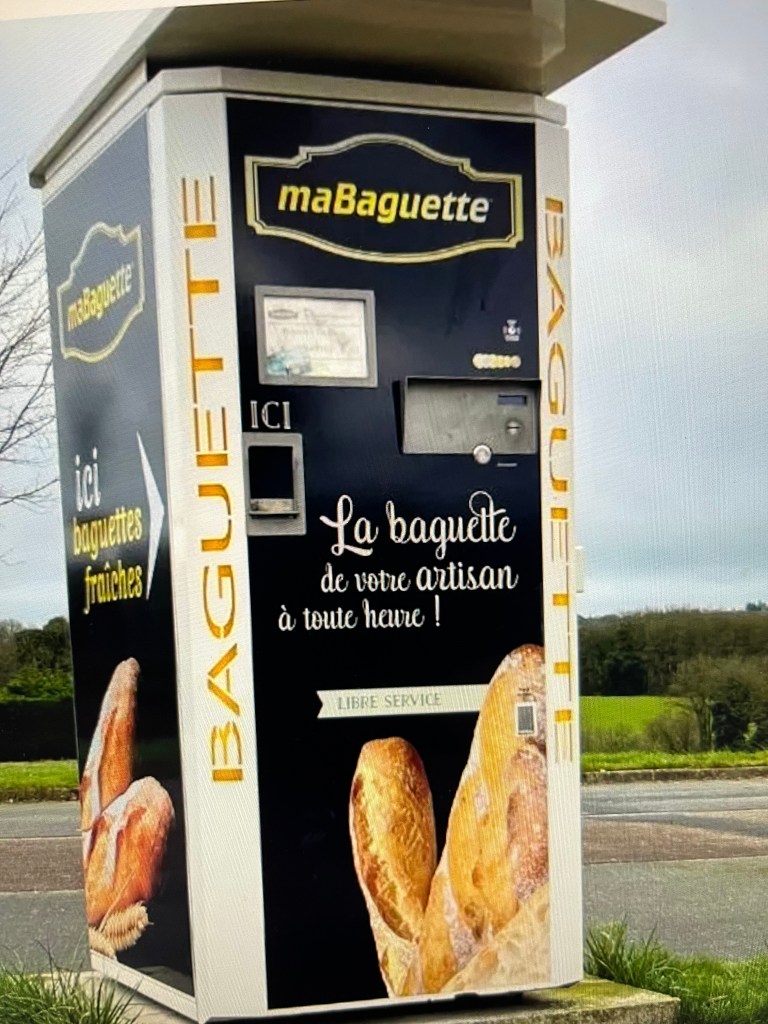
Here is a typical picture of a small town’s city hall. In small French towns it is called a “Marie” and might include all of the local government representation, incl. Gendarmerie (=Police) office. The town’s mayor, is called the “Maire”. In bigger French towns the city hall is called “Hotel de Ville”. Bigger French towns also have their own police, the “Police Municipal” (city police), whereas the “Gendarmerie” is part of the French military force all over France tasked with law enforcement among the French population. Also found in small French towns you usually find a monument honoring the local, fallen soldiers of the First and Second World Wars, something I, born as a German, still feel very sensitive about. Thinking about another typical French feature of small, rural towns, is that they all usually have a Boulangerie (bakery), which if so, will likely be the only store open even on a Sunday morning when everything else in France is closed, to insure that every Frenchmen is able to receive a fresh Baguette on Sunday morning. If they are too small to sustain a Boulangerie, or the Boulangerie is closed on Sundays, there might be sign at the Boulangerie, that you can purchase the fresh Sunday Baguettes at the “Tabak” store, which is the small convenient store selling cigarettes, newspapers etc. located in almost every neighborhood. And, when the small town doesn’t have any store selling the Baguette, you sometimes find Baguette vending machines that are stocked with fresh Baguettes at least once in the morning. Yes, the French go a long way to insure that everyone is guaranteed their fresh Baguette, even in the smallest remote places on every day of the week, even on Sundays. This Baguette access philosophy is also reflected in the price, as the basic Baguette usually costs 1.20 Euros ($1.35).

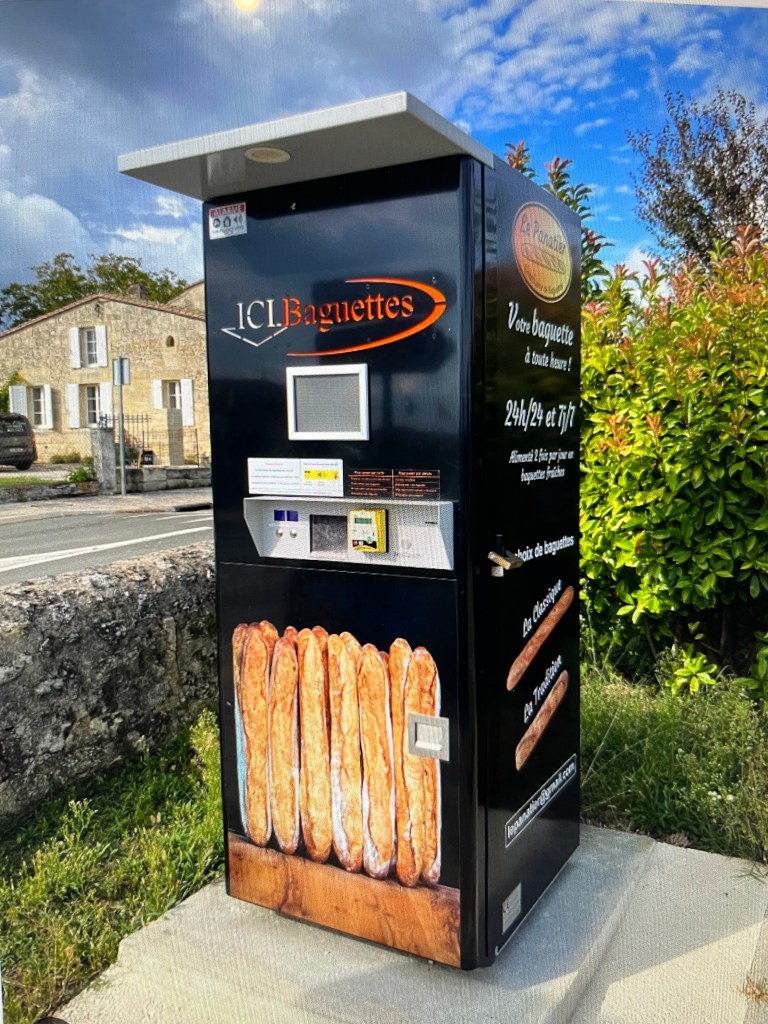
On the way back to Dijon, we stopped for a tea and walk through the historic downtown in our beloved old Roman town of Autun. We just couldn’t help it and also went again inside it’s grand magnificent romanesque cathedral Saint Lazare, always mesmerizing!
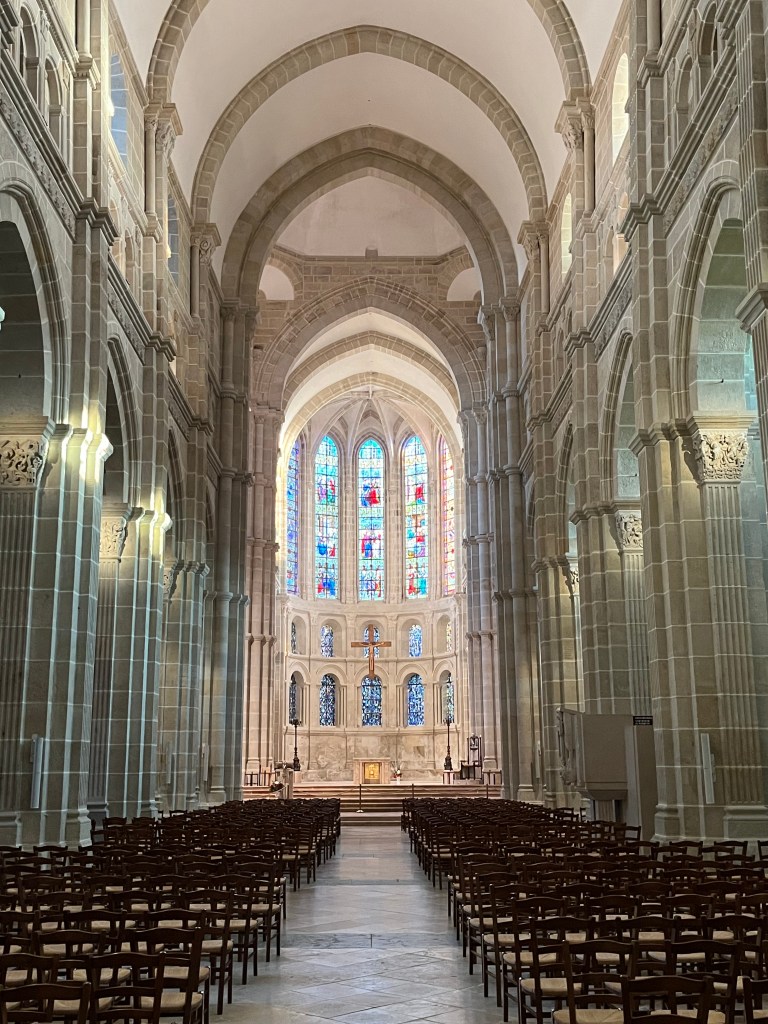
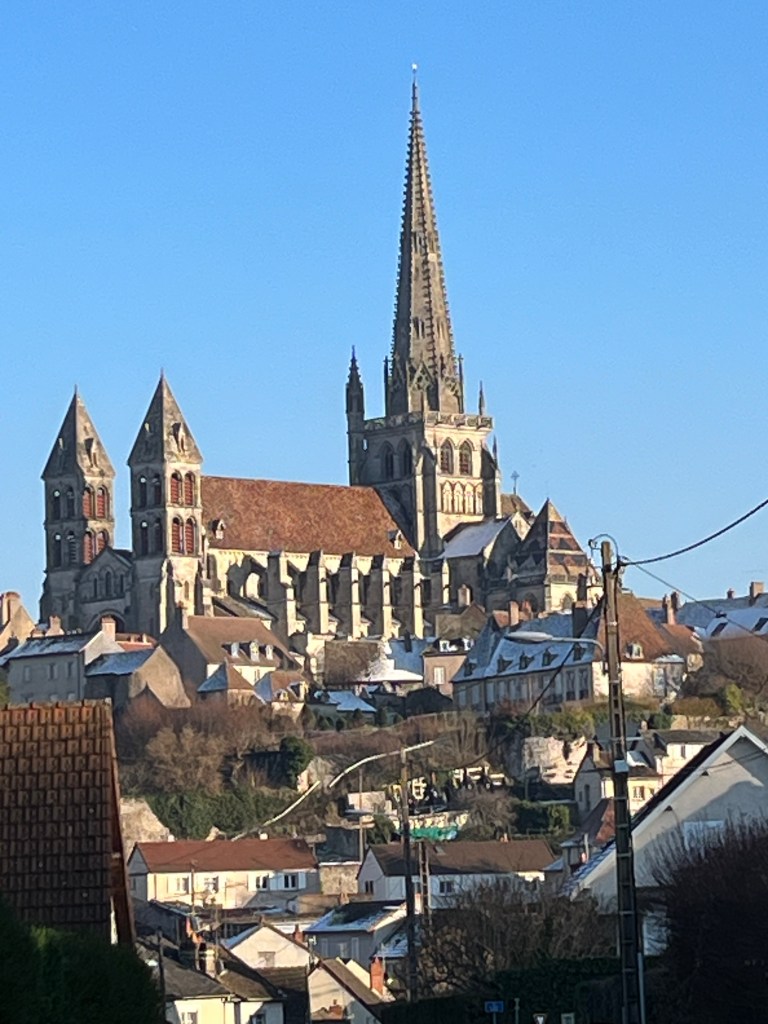

Autun is the place where we spent our first week in France a little over 3 month ago. With all of our changes and happenings since then, that now appears like a long time ago. – A bientot!


 Barney & Lauri's Burgundy & Beyond Adventure
Leave a reply to barneyrubble23 Cancel reply