
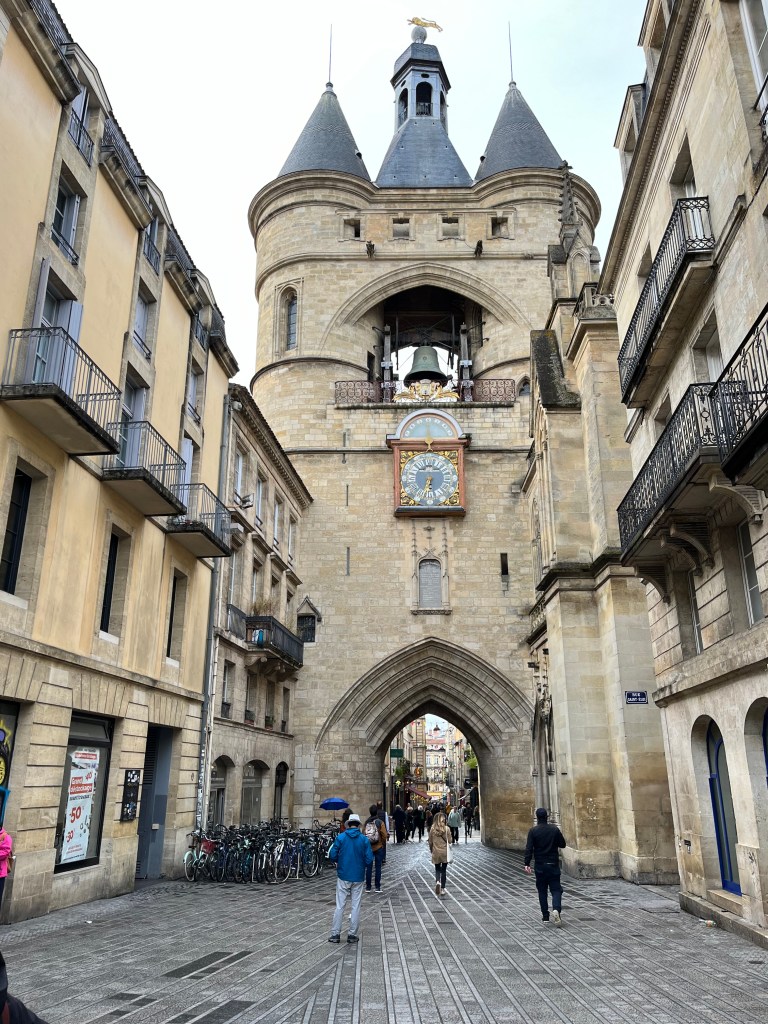
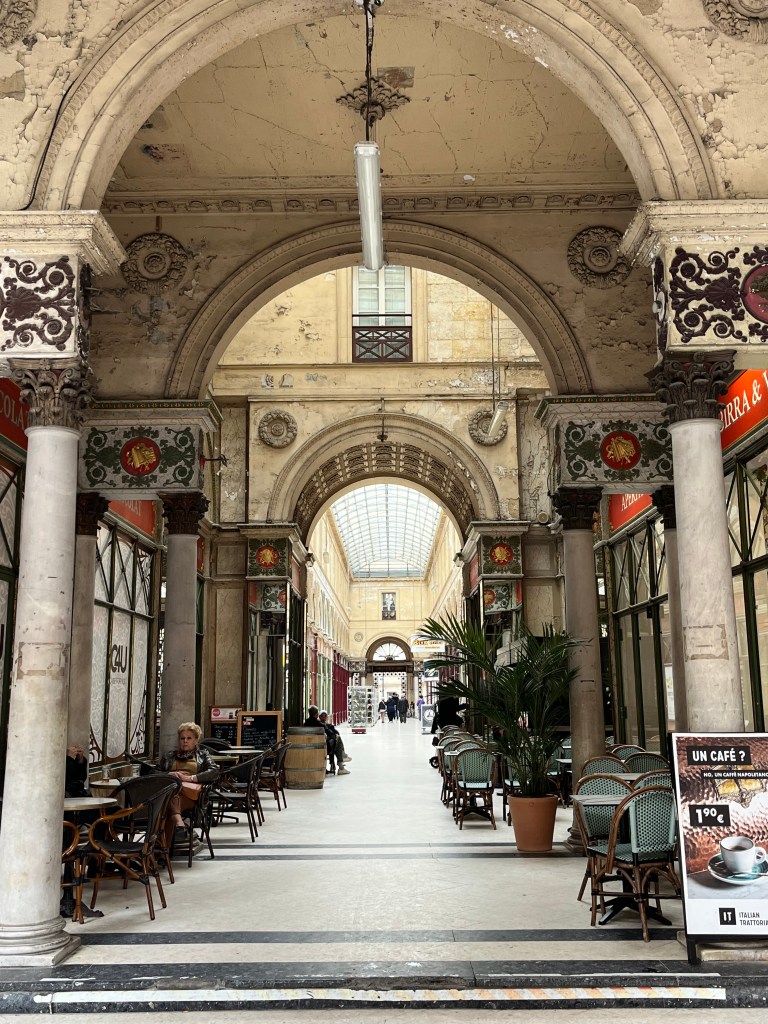
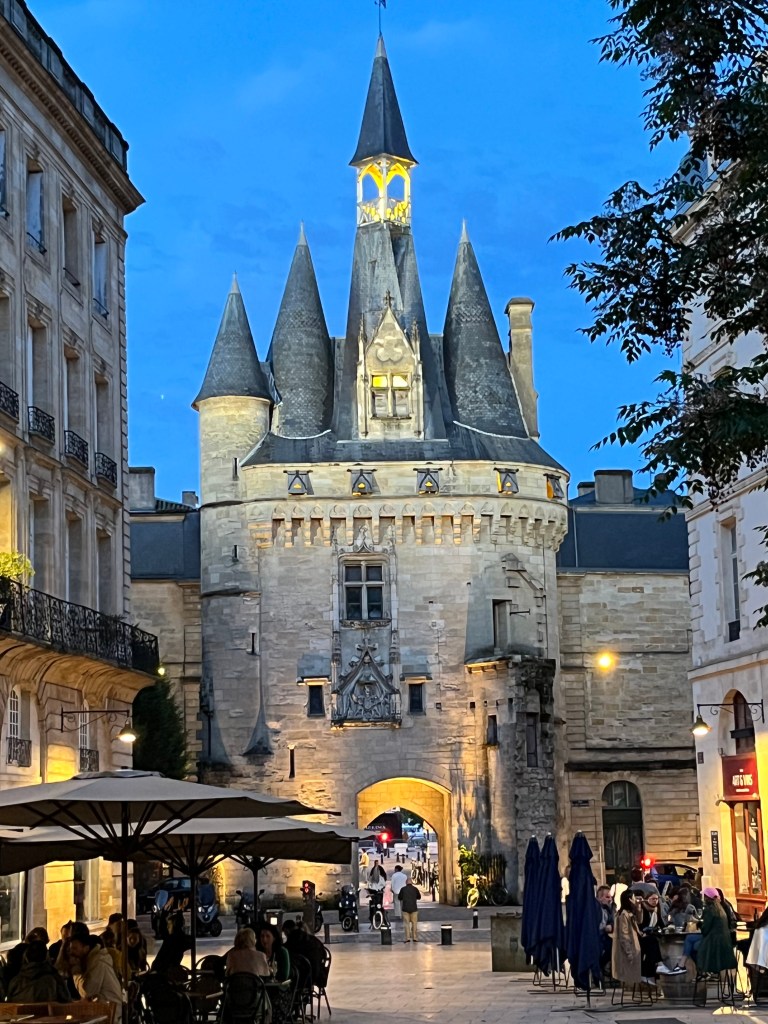
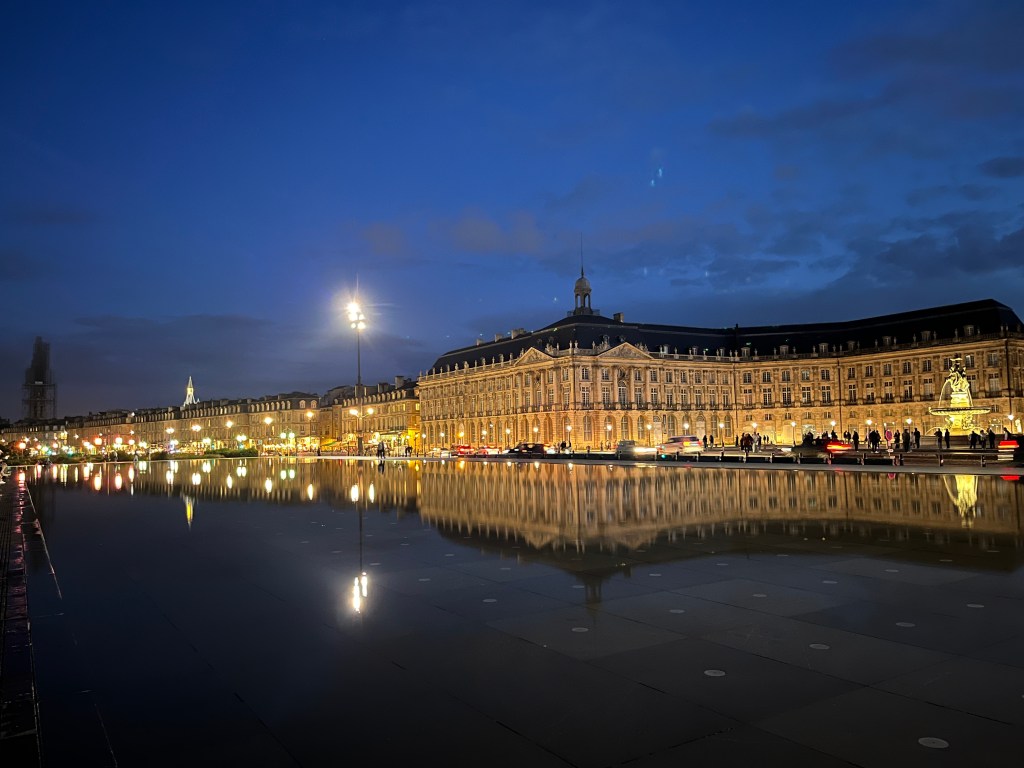
We’re just back from a 9 day road trip to the Dordogne, an area in SW France we’ve been wanting to visit for a long time. Starting from the west, we spent our first night in Bordeaux and just managed to reach our hotel before the roads were closed for the Olympic flame parade. The mostly pedestrian zoned Saint Pierre district in the old, center part of town, with all the cafes, stores, and restaurants pleasantly surprised us, and strolling on the promenade along the Garonne river after sunset was beautiful. Overall though, with its 1.3 million population, Bordeaux certainly has a cooler, big city vibe.



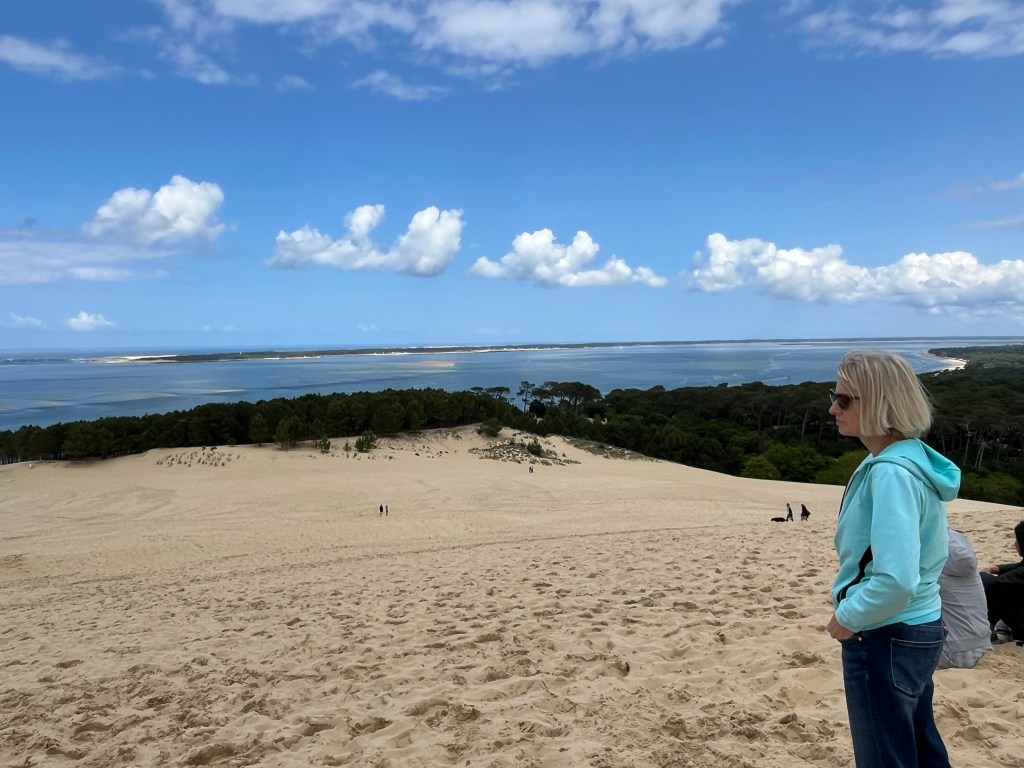
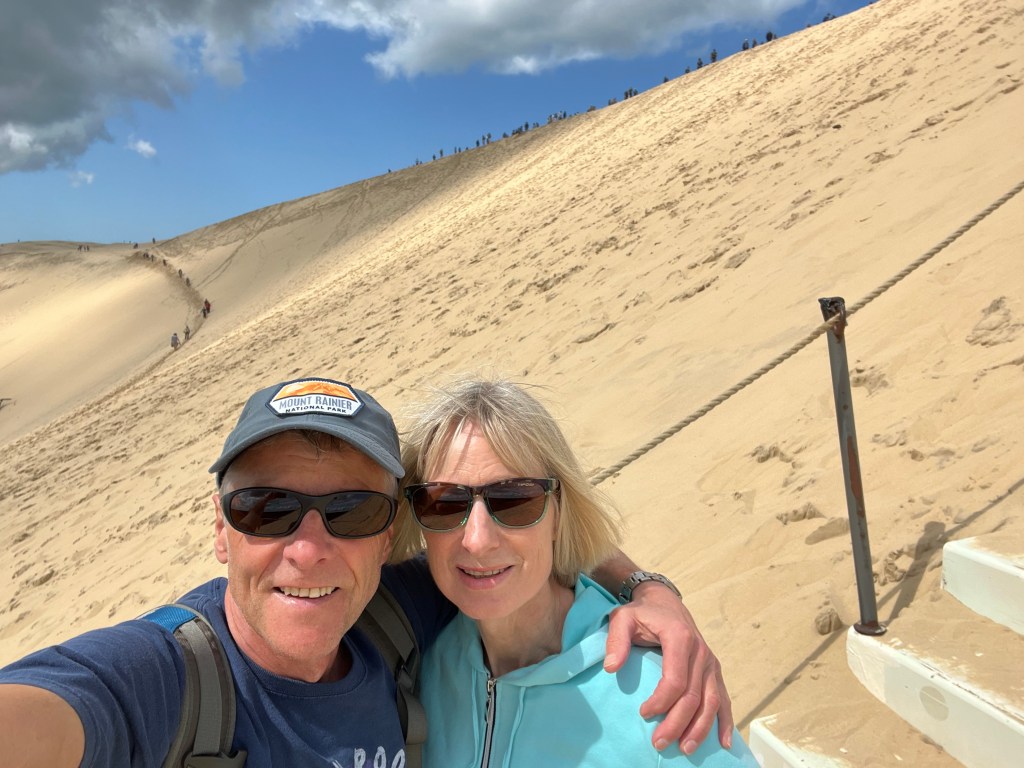
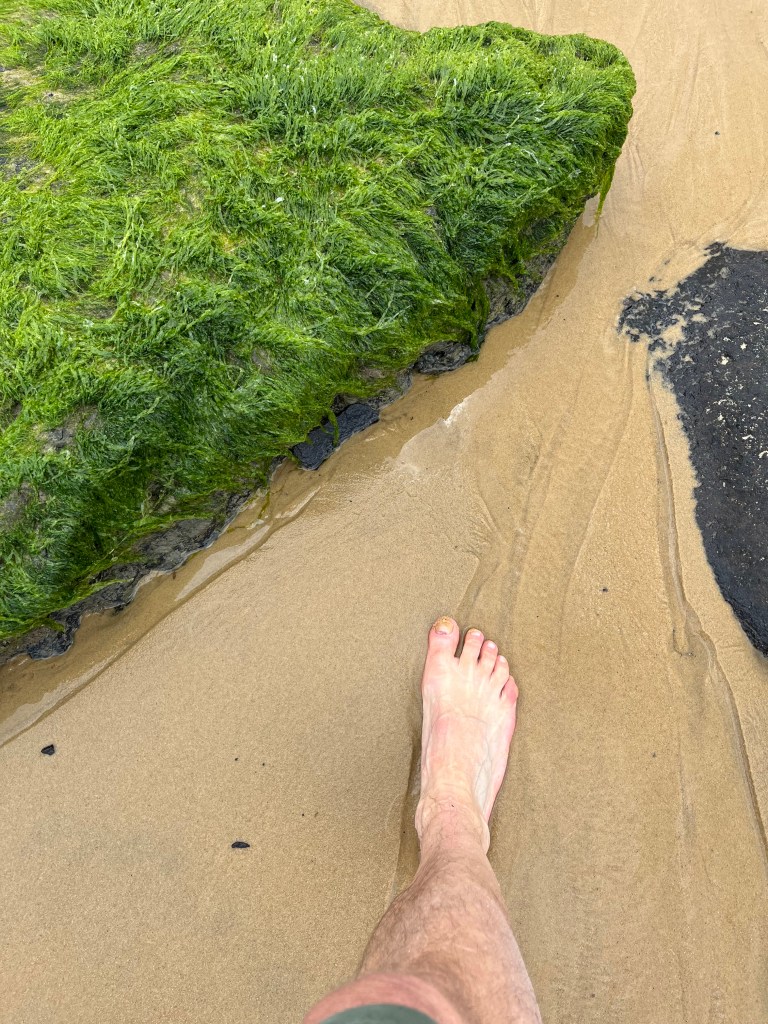
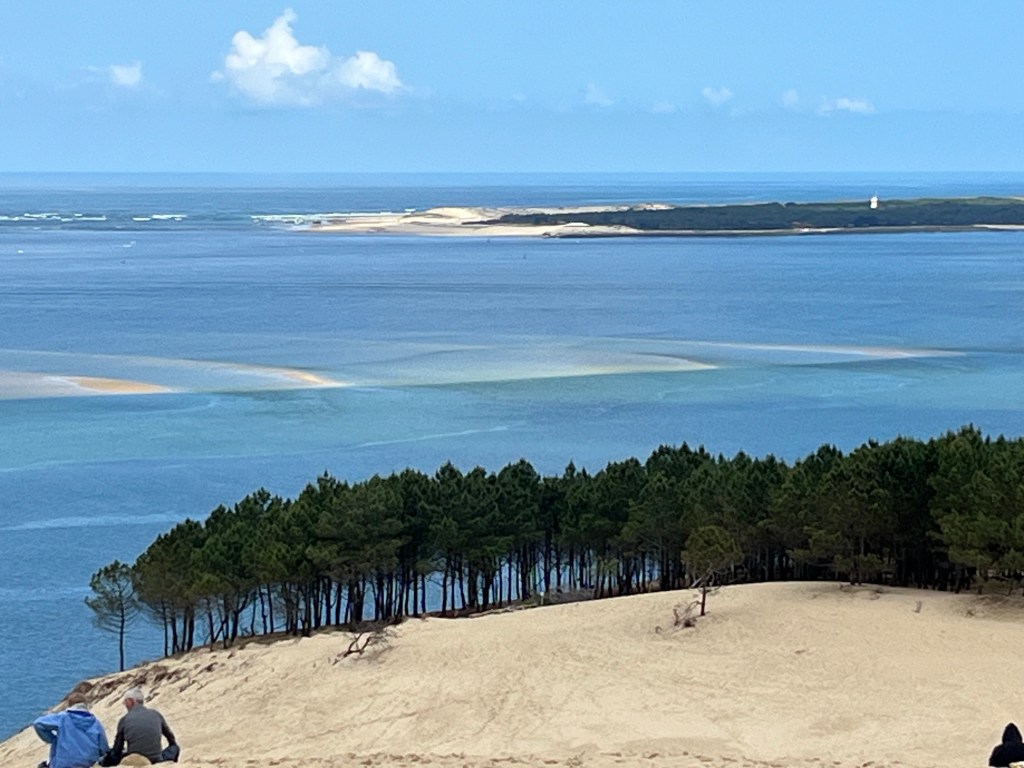
Being so close to the Atlantic Ocean, we wanted to put our feet into it and visited Europe’s largest sand dune, La Grande Dune du Pilat, about an hour’s drive west of Bordeaux. Well known to the French, the dune is a major attraction.


Next we headed east, crossing the Garonne towards the Dordogne, which join just north of Bordeaux to flow into the Atlantic. We thought Burgundy had a lot of vineyards, yet here, on the flat land close to the Atlantic, the vineyards of the world famous Bordeaux wines appear to stretch on endlessly. We spent the night in Saint-Émilion in the heart of Merlot country. Saint-Émilion goes back at least 35,000 years and again, it was the Romans who planted the first vines here. Today, this picturesque small medieval village and its surrounding vineyards are a UNESCO world heritage site and popular tourist stop. Here, as in most European tourist towns, things quiet down quickly after the tour buses have left by around 5 pm, and after 10 pm, once the restaurants and cafes have closed, you can sleep in the center of town with an open window and not hear a thing until the church bells ring at 7 am the following morning.
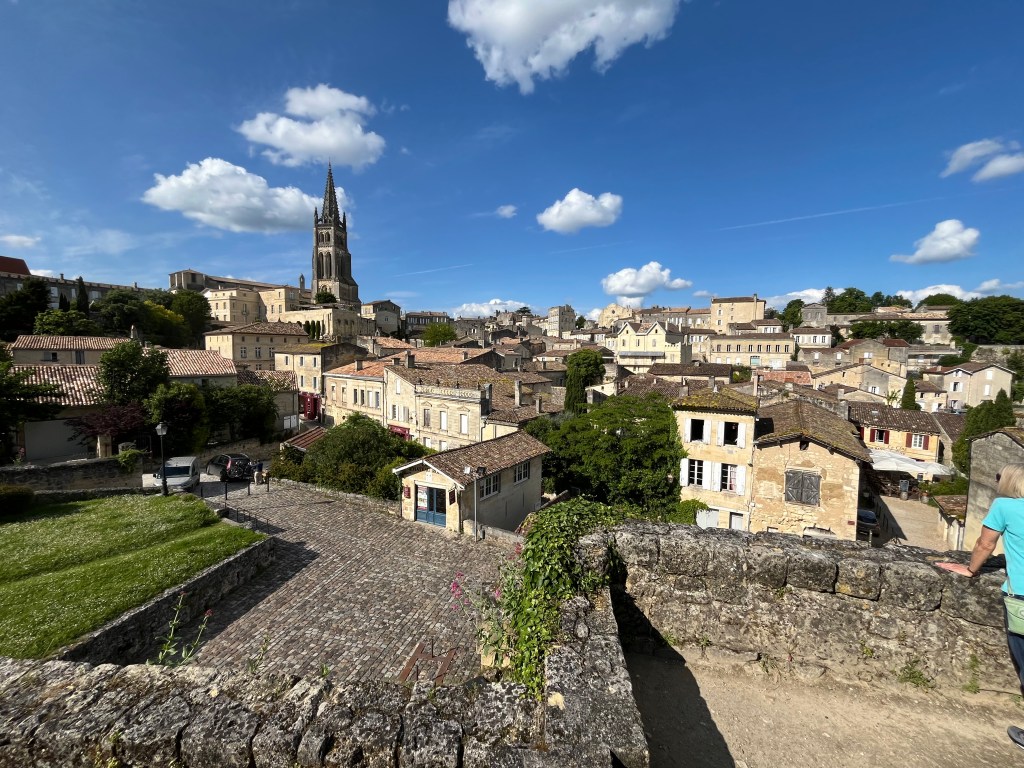


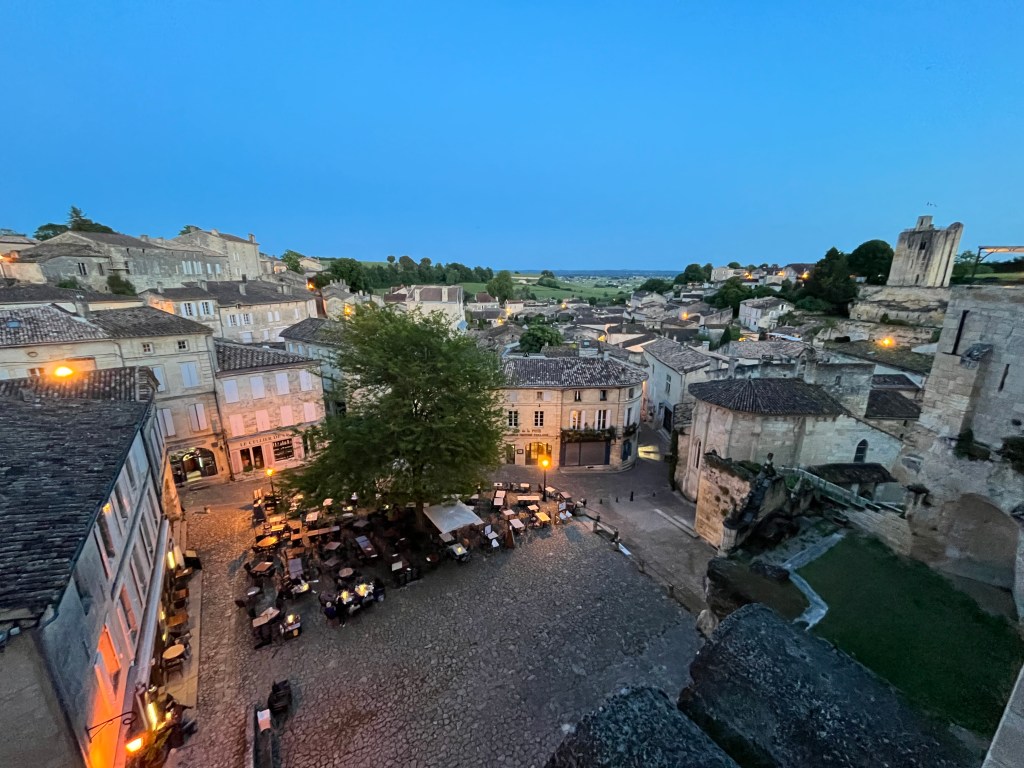

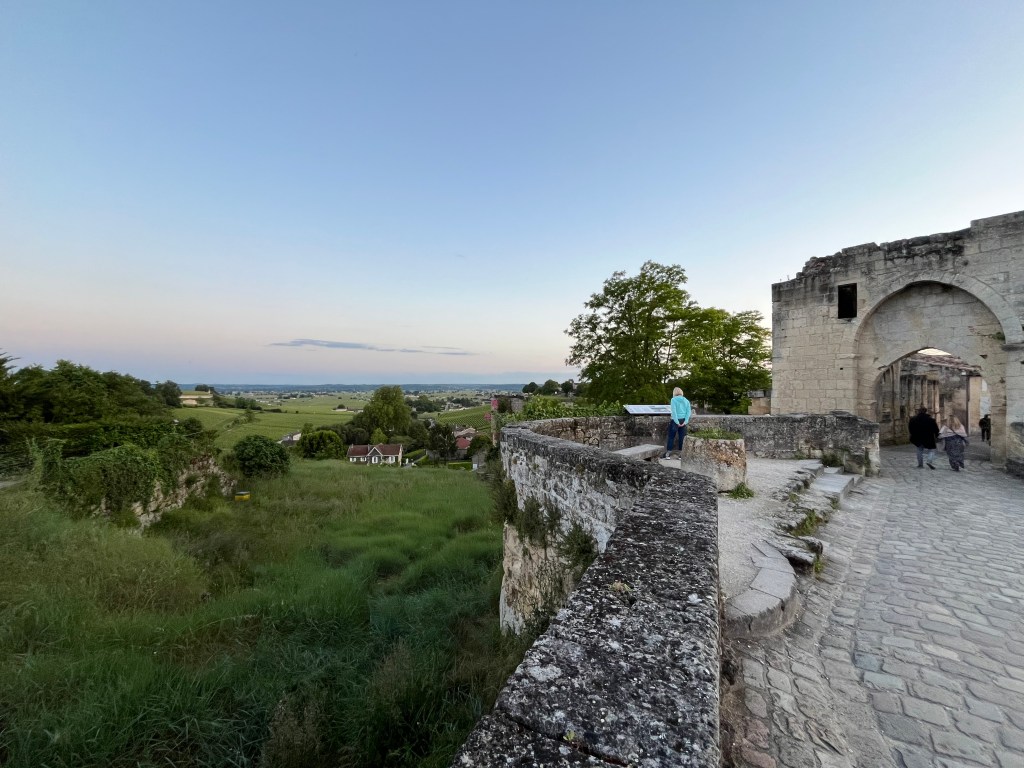
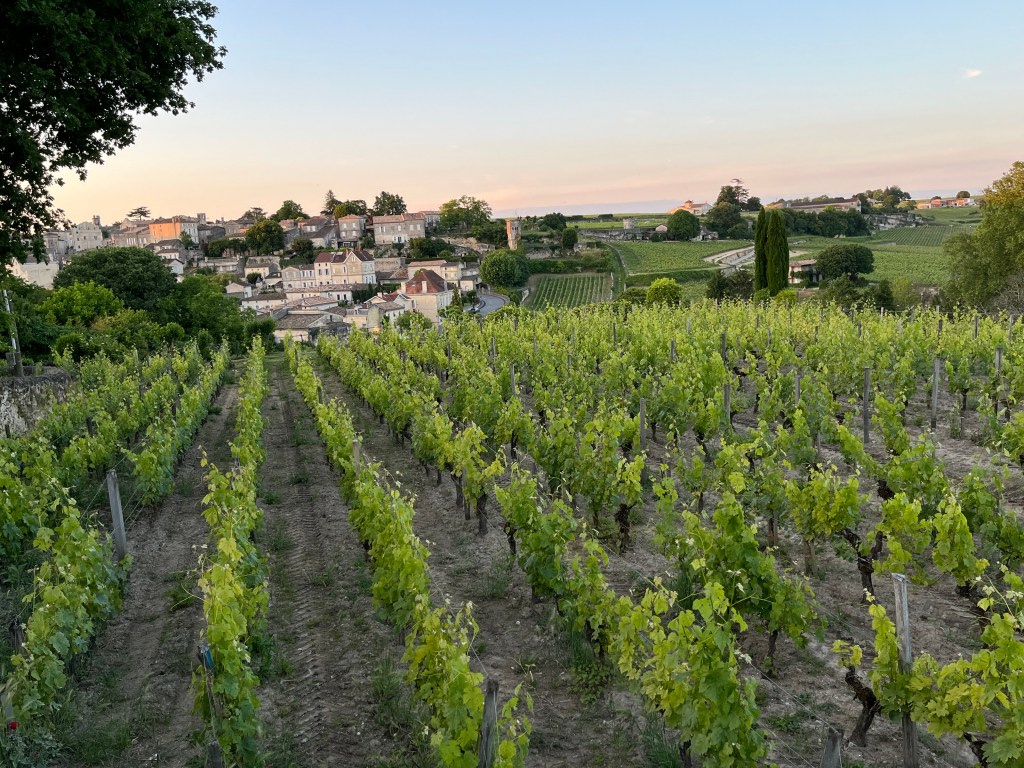
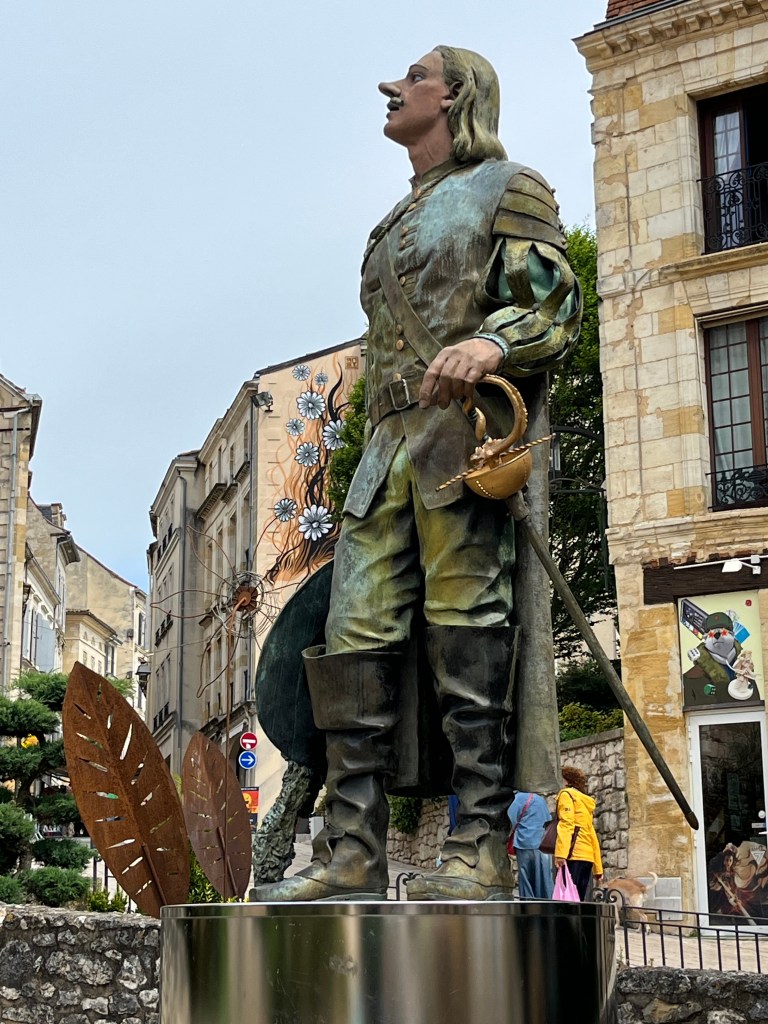
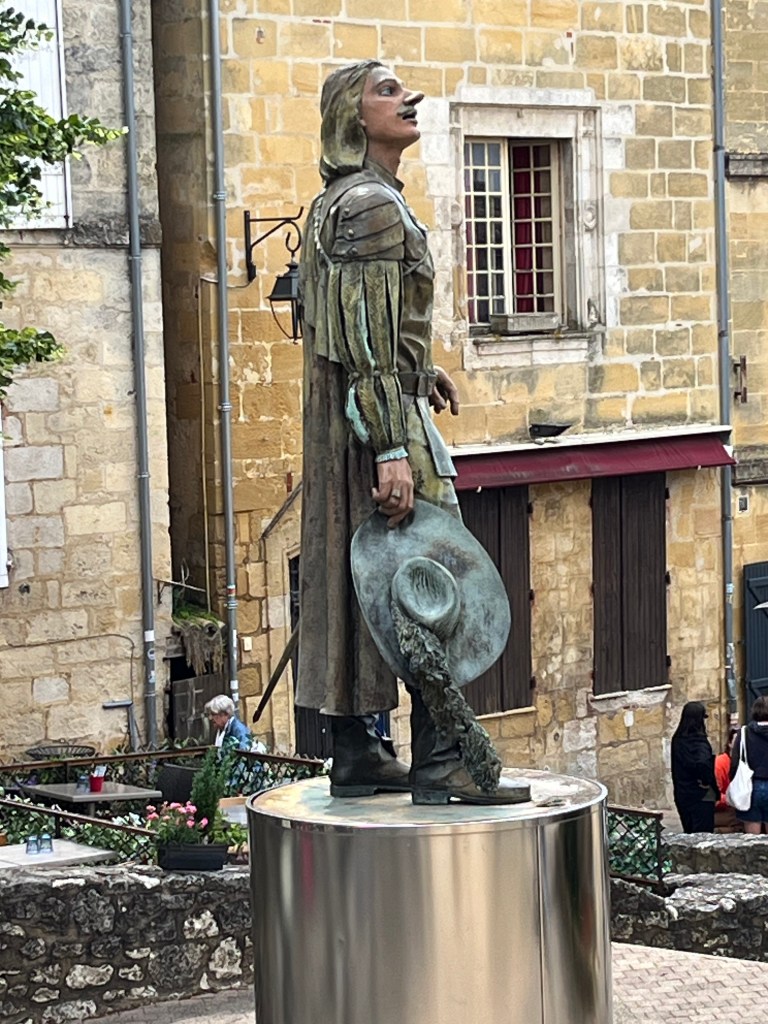
Driving up the Dordogne, the flat land starts to undulate into rolling hills and patches of forest, that break up the endless vineyards. We stopped in Bergerac, with its 26,000 inhabitants this is the largest city along the Dordogne river. Inside its old town of half timbered houses, we found the statue of Bergerac’s most famous son, the 17th century author and inspiration for the poetic drama Cyrano de Bergerac. You might recall the 1990 French movie with Gérard Depardieu or Roxanne, the 1987 American movie with Steve Martin.
East of Bergerac the Dordogne river cuts deeper through the forested hills of the predominant limestone, and starts to leave cliffs in its meanders. We were now in the natural area of Perigord, a fertile, rich land, covered with forests of oaks, linden, and other deciduous trees, interspersed with pastures and an abundance of walnut orchards. Perigord is known for good, earthy living. Besides the walnuts, its major food staples are Foie Gras, the velvety rich goose liver pate, and the black truffles, for which trained search pigs and dogs stick their noses in the ground for. These highly thought after, potent black nuggets will elevate, grow, and deepen the flavor of your omelette or sauce into a taste bomb of a delicious and memorable meal.
There is no major single, big, blockbuster tourist attraction here, yet here, the fertile, lush and gentle land, with its great food, small villages, and abundant chateaus, call for being enjoyed deeply and slowly.
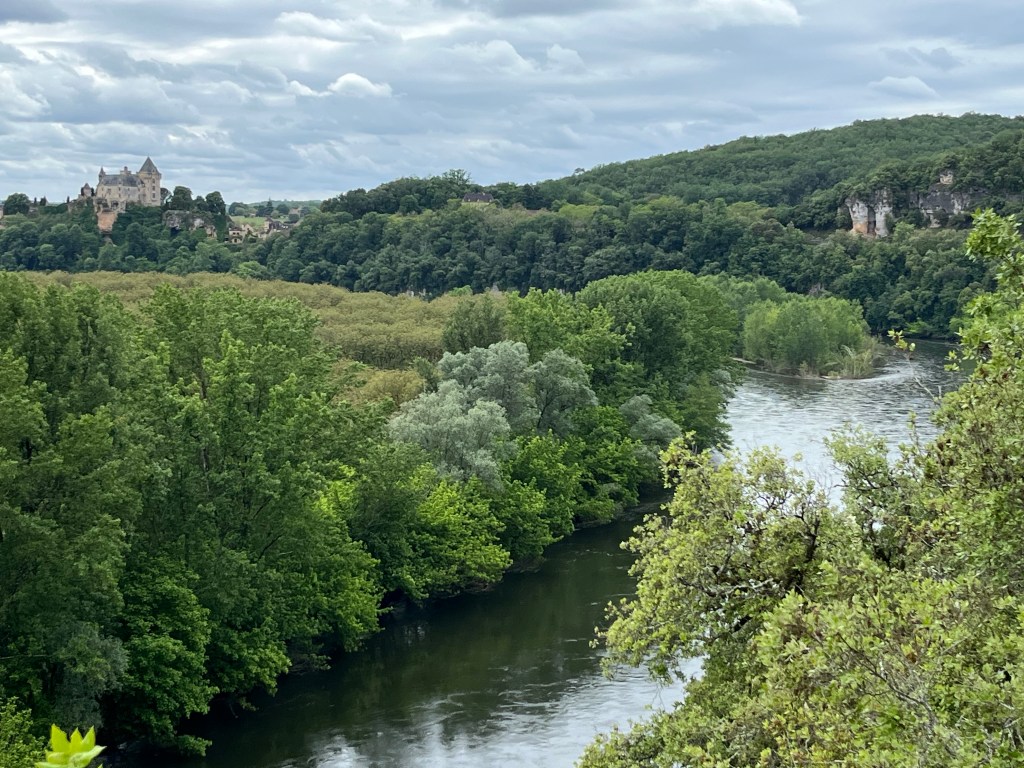
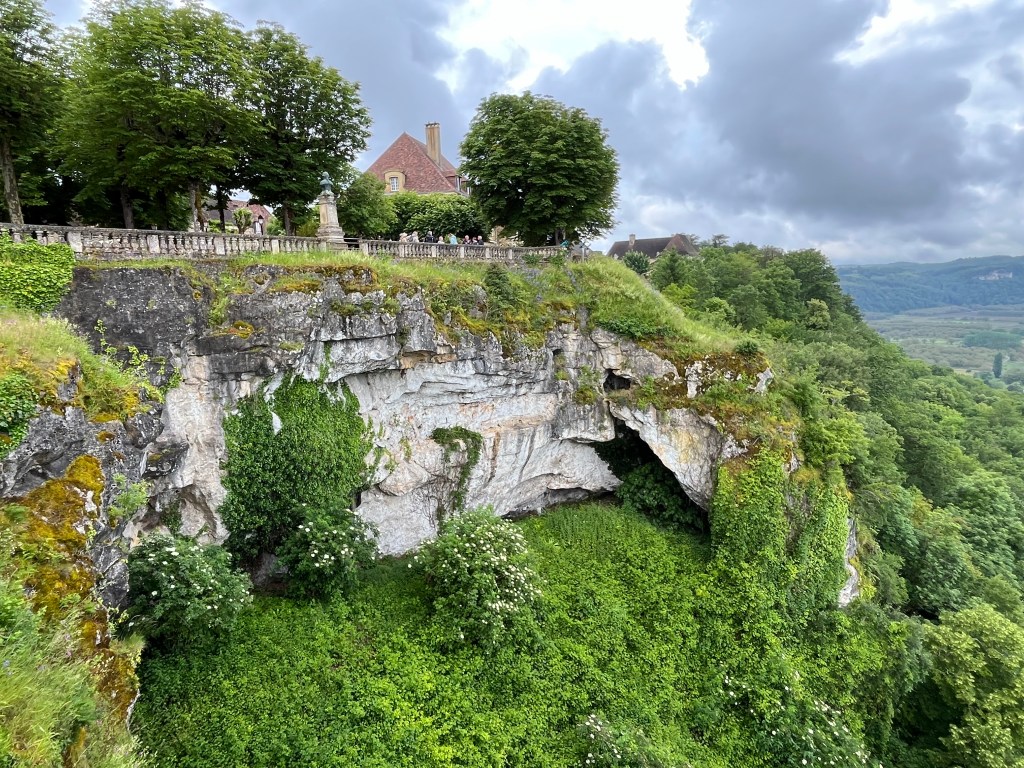

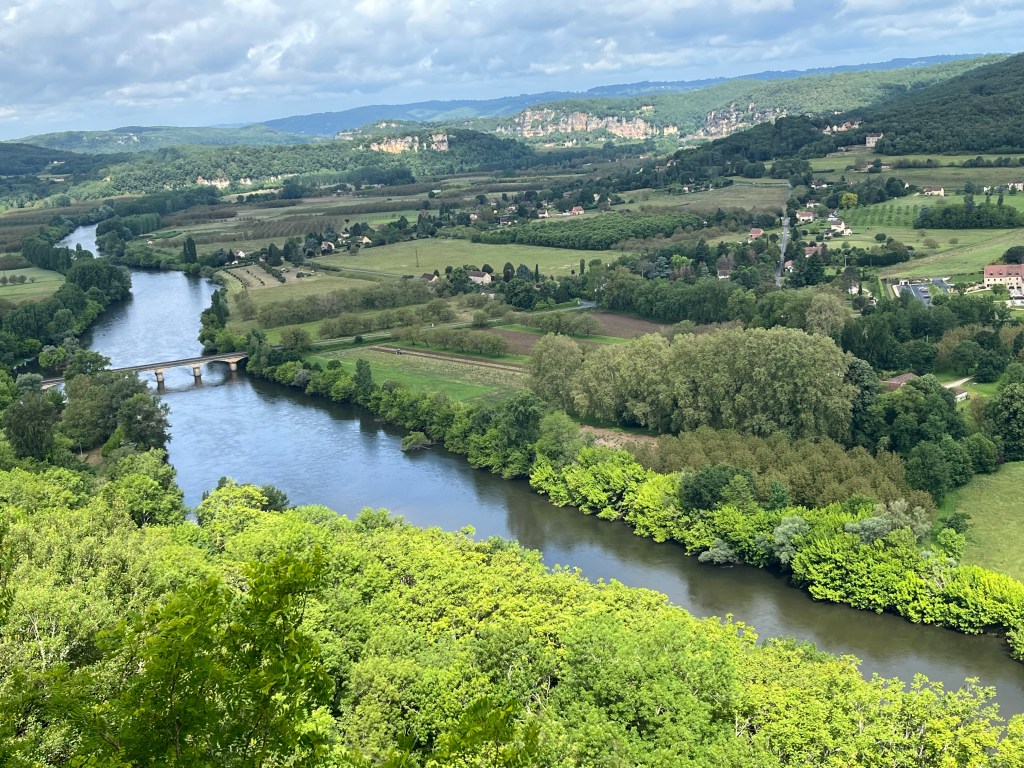
Floating down the Dordogne in a canoe or kayak, hiking through the forested hills from one chateau or one cute village to the next, or exploring this region on your bicycle, are all good ways to experience it. We liked the idea so much that we enjoyed all three ways, which were easily available through the numerous boat and bike rentals, as well as the well marked hiking trail network.
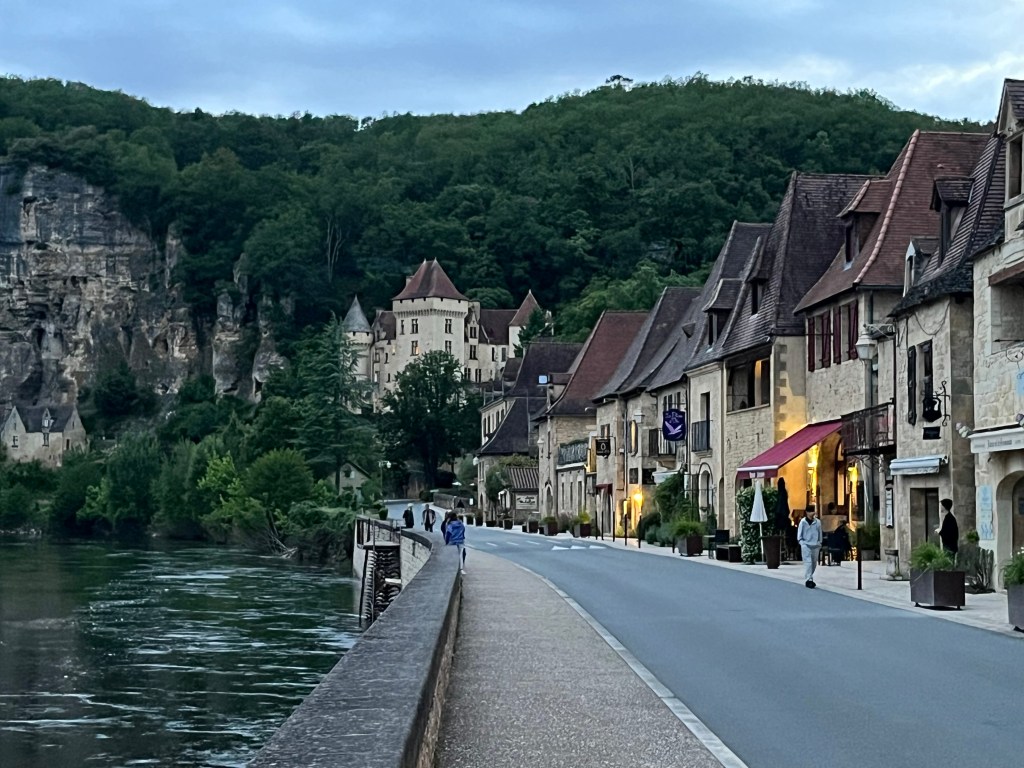
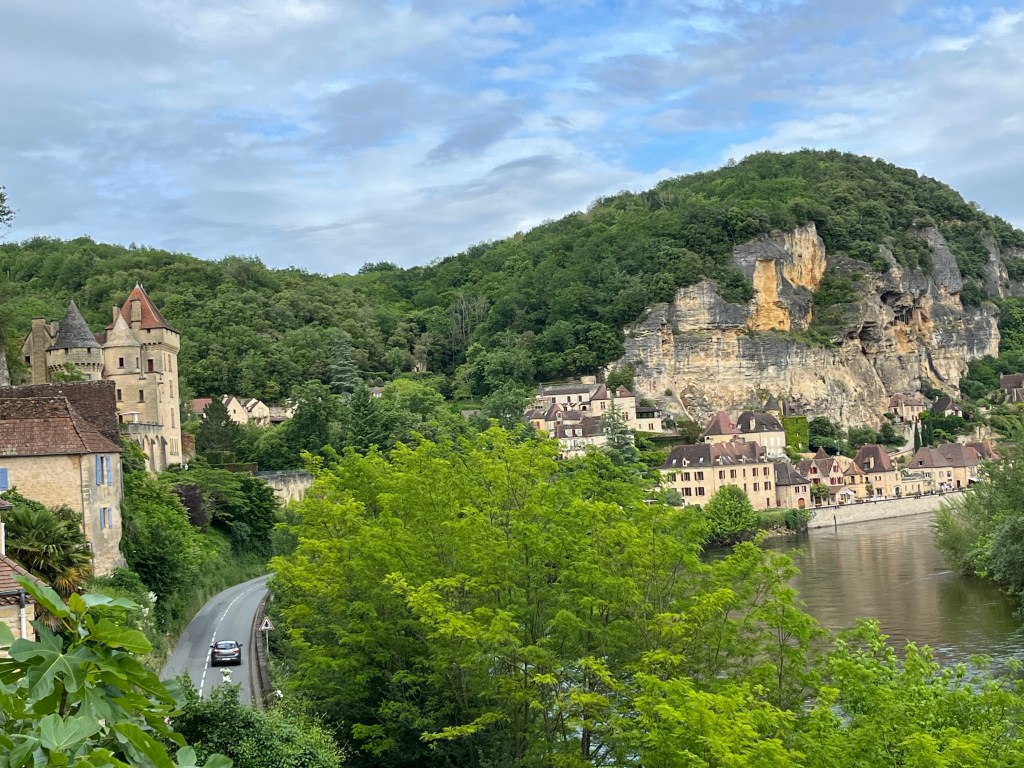
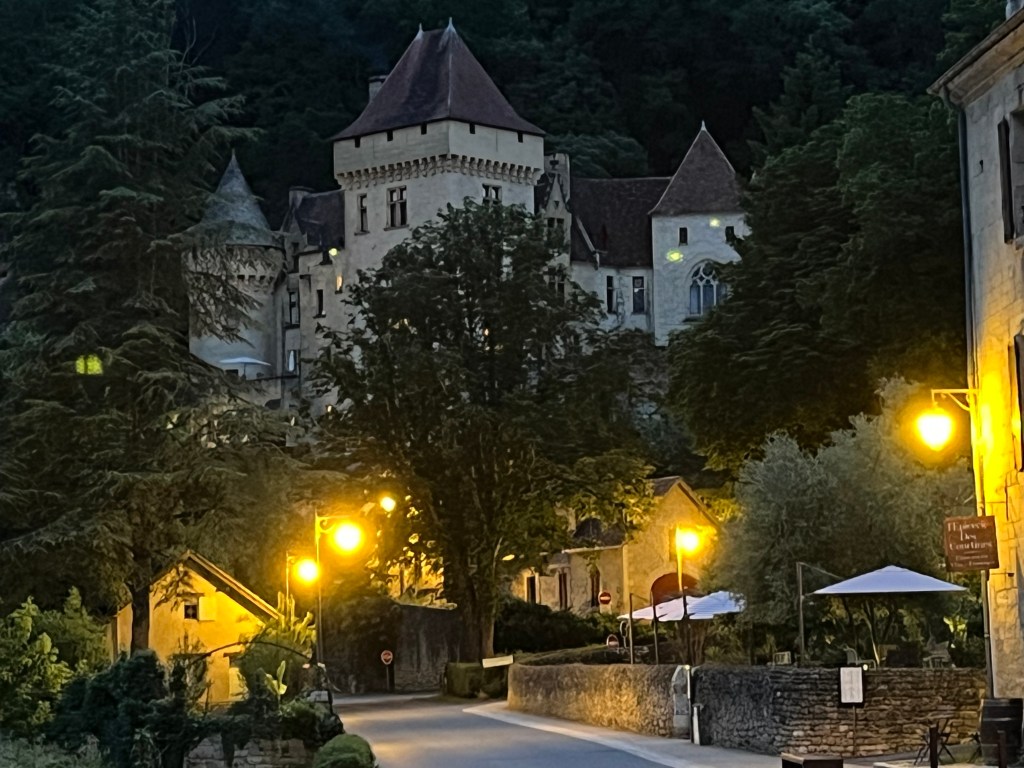
We spent three nights in La Roque Gageac, with the Dordogne flowing by outside our hotel room window. Our fairly basic hotel has a renowned restaurant, where we had dinner booked for our first night. The setting, service, and especially the food, made our meal one of the best we’ve ever had anywhere. I especially recall the oysters in leek cream sauce with black truffle… Close by, we explored the village of Domme with its stalagmite/stalactite cave, and the village of Beynac, including its castle.
In case you’ve wondered why so many location names in southwest France end with an “ac”, it is derived from the Gallo-Roman suffix “acum” meaning “place of” or “property of”. This “ac” suffix was added by local landlords in southwest France during the 3rd. century A.D. Think of Cognac, Bergerac, Beynac, Cazenac, Gageac, Souillac, Padirac etc.
La Roque Gageac:


Beynac:
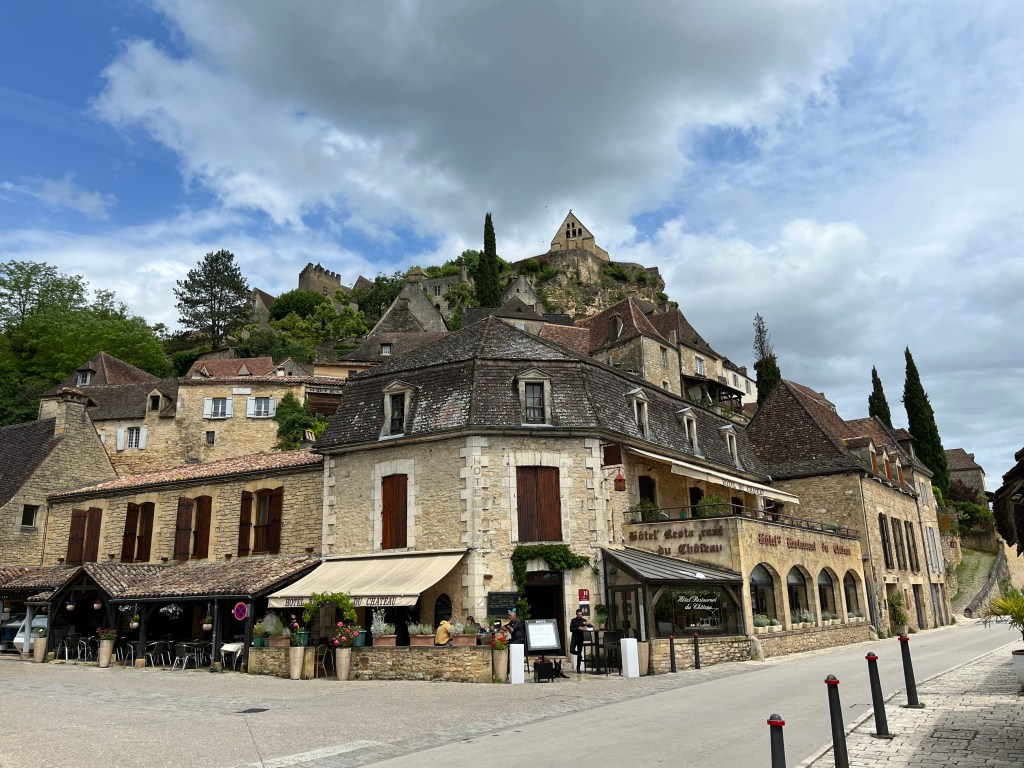
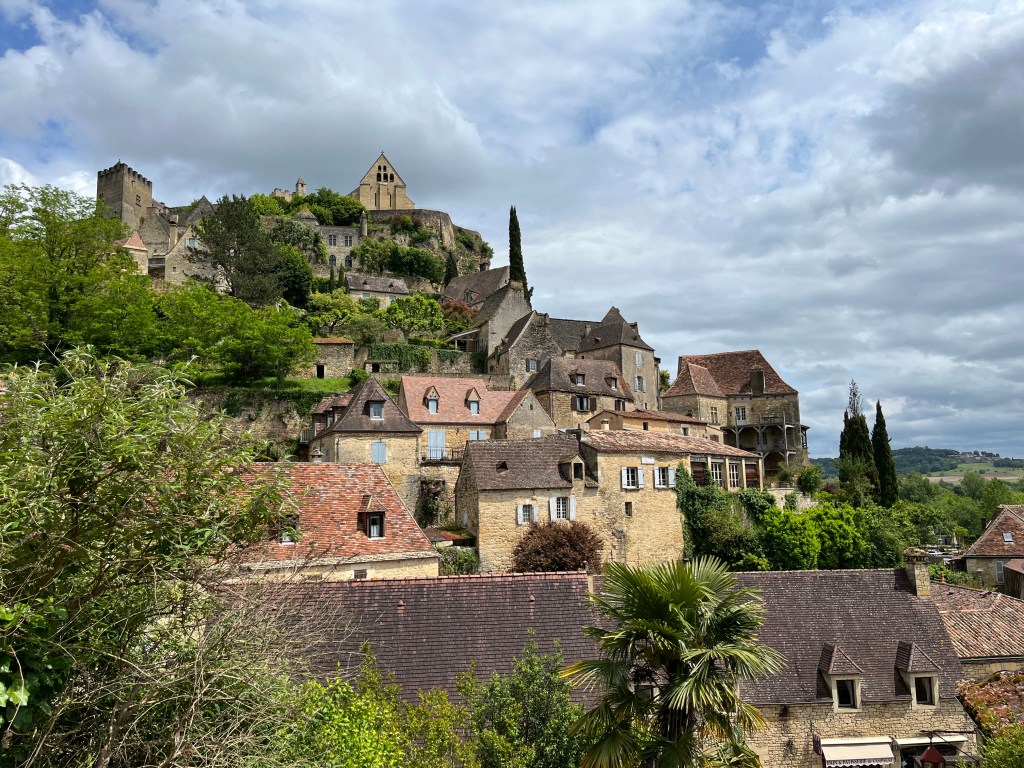
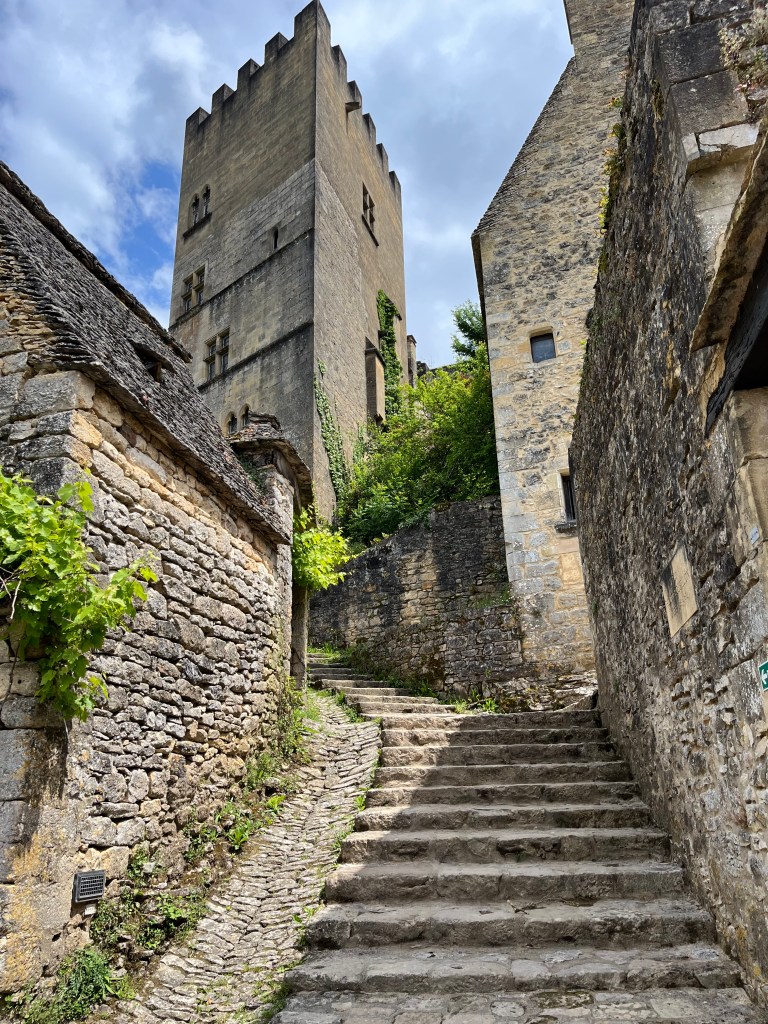
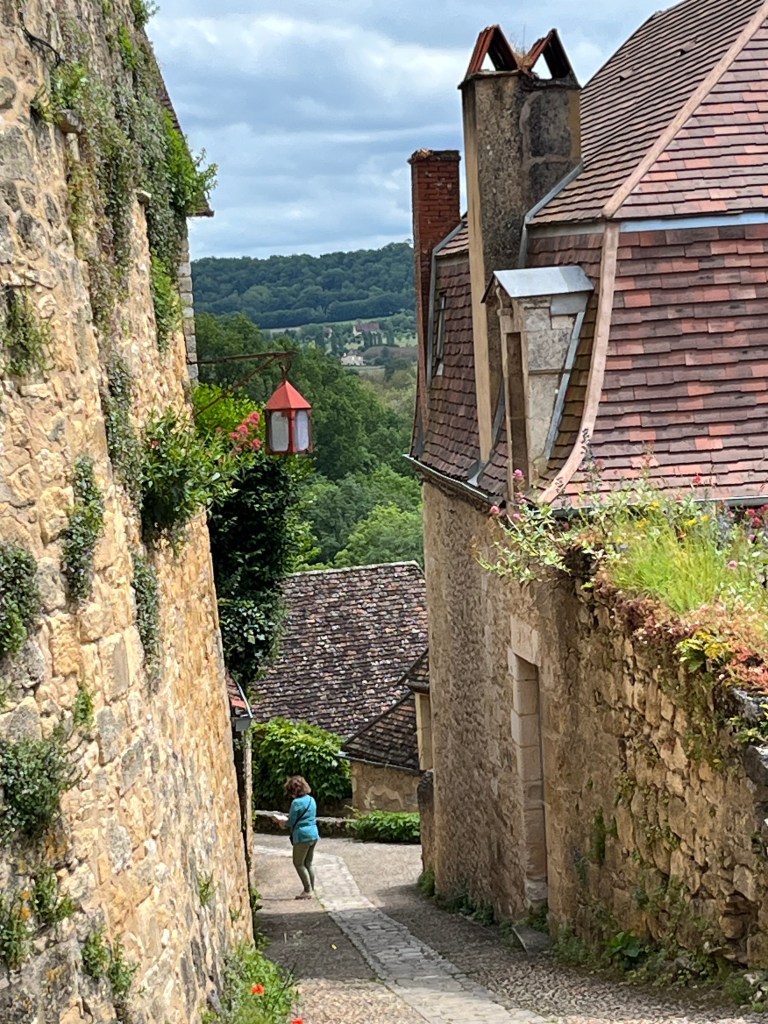
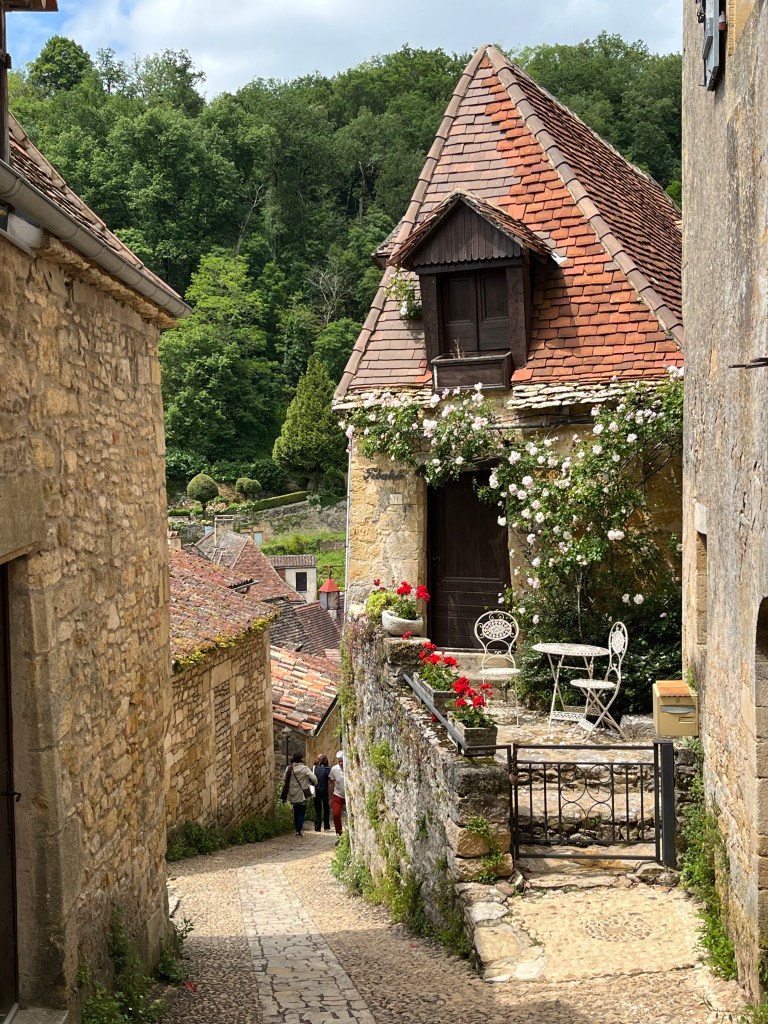
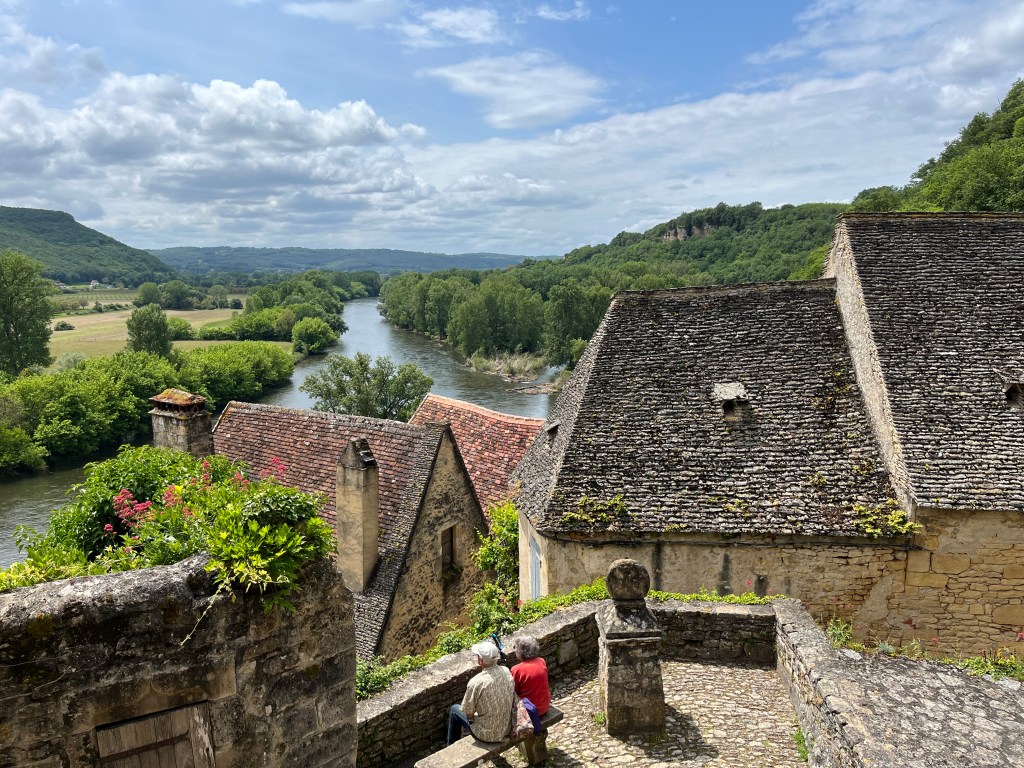
Le Château de Beynac:
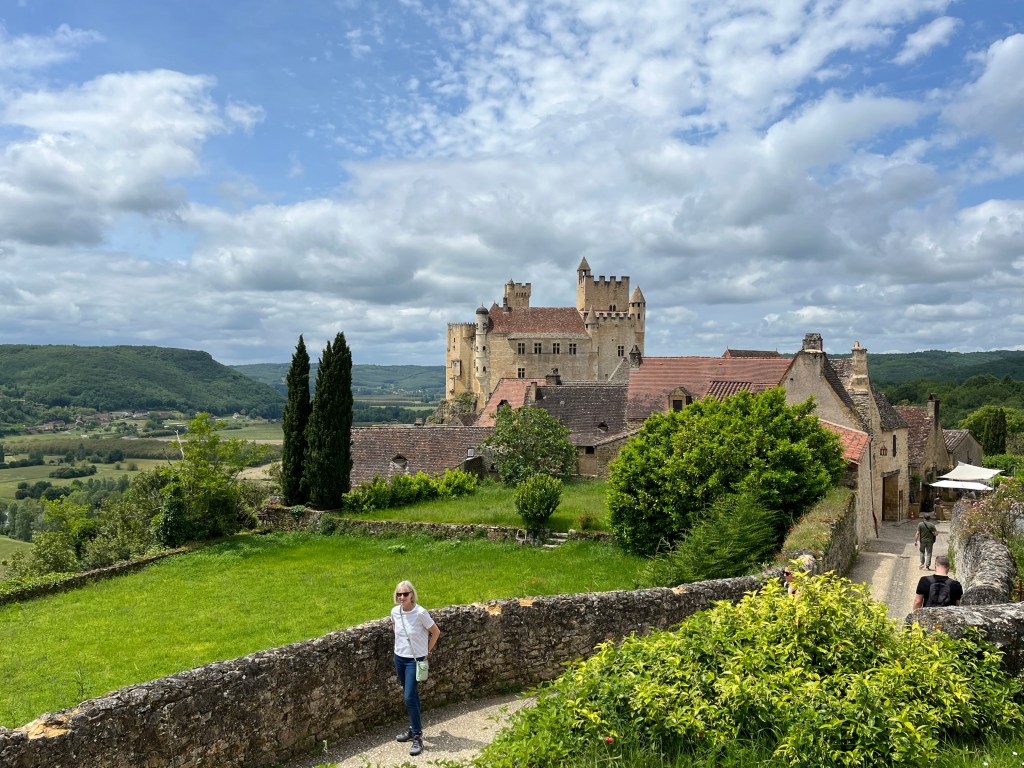
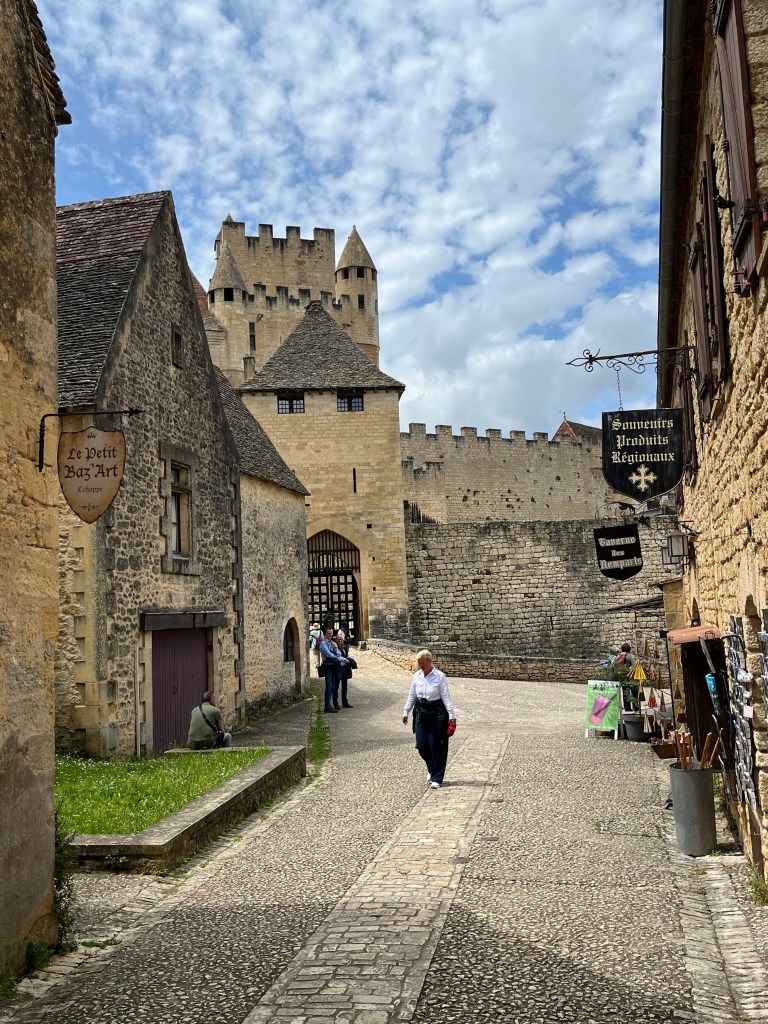
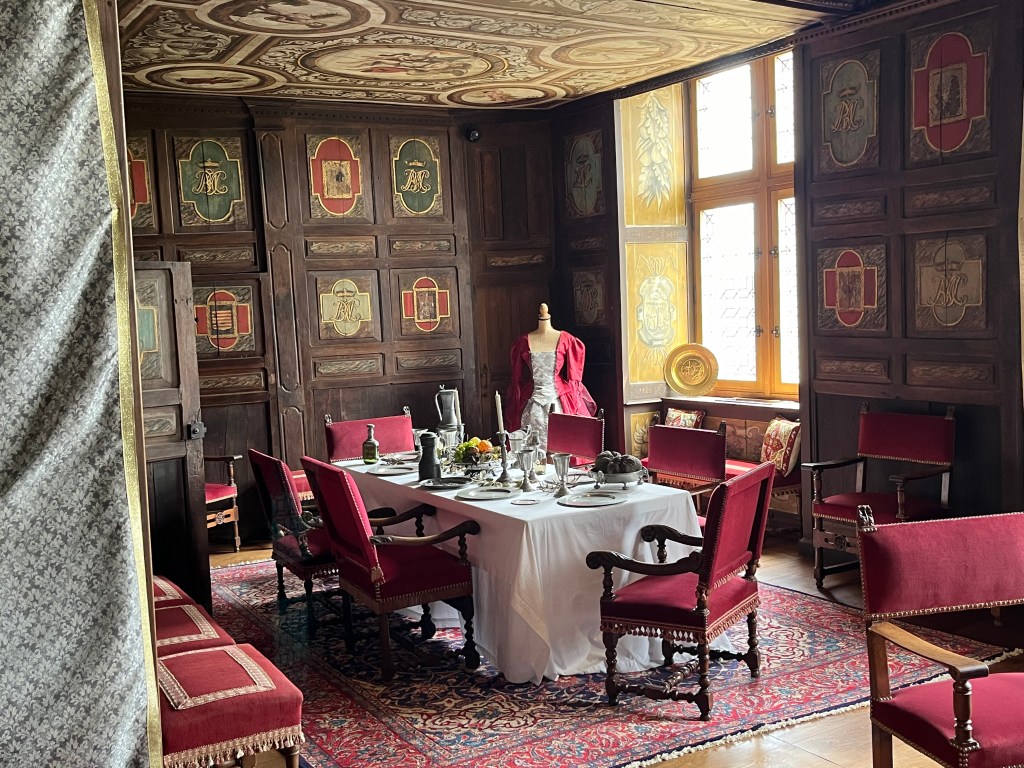
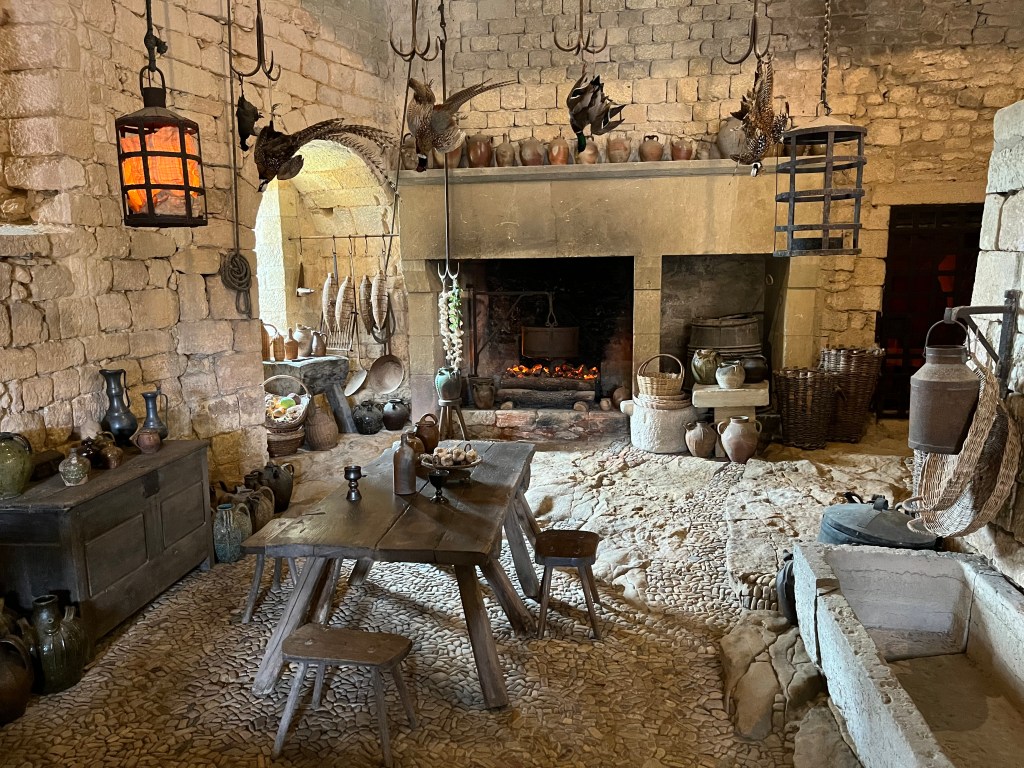
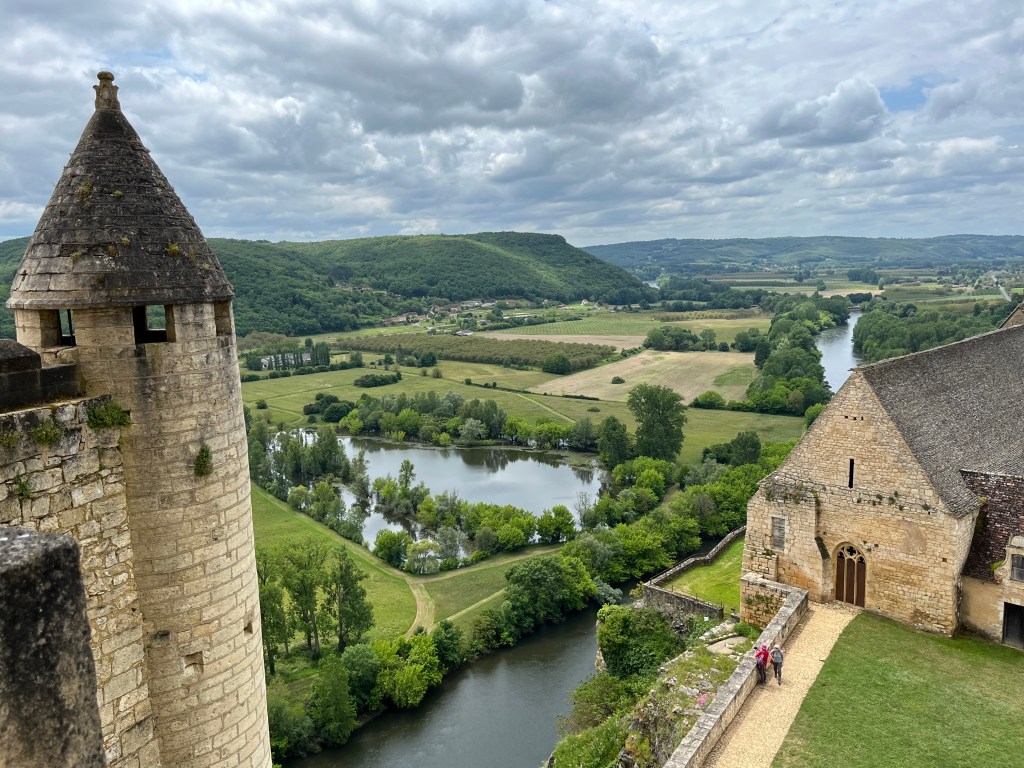
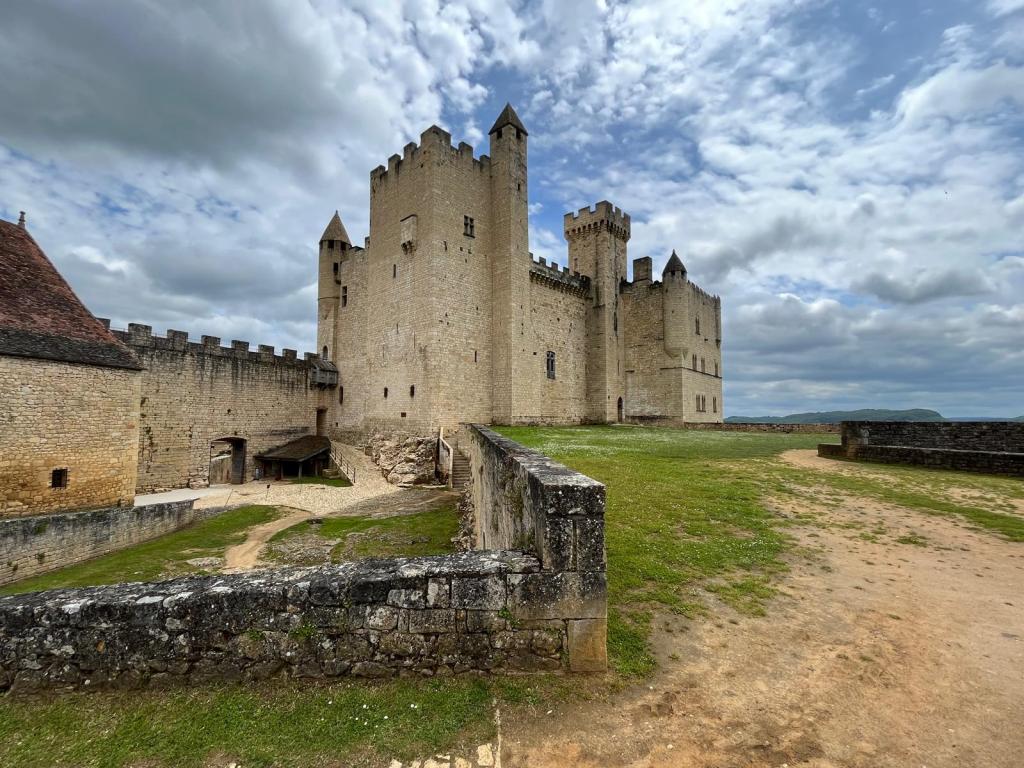

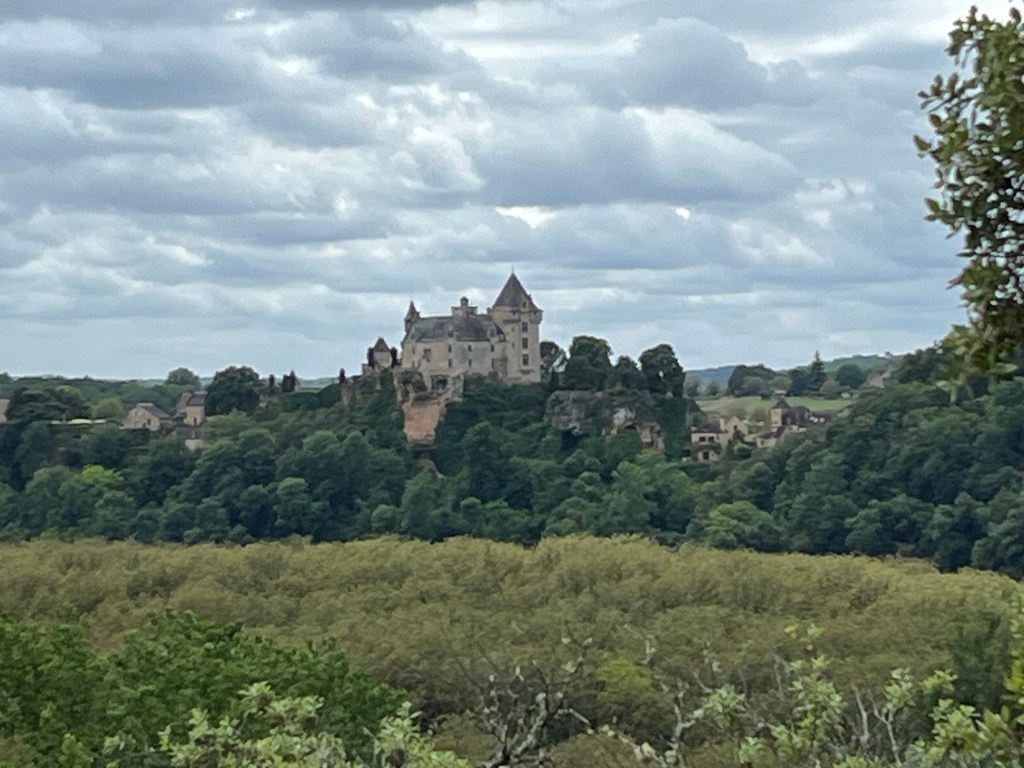
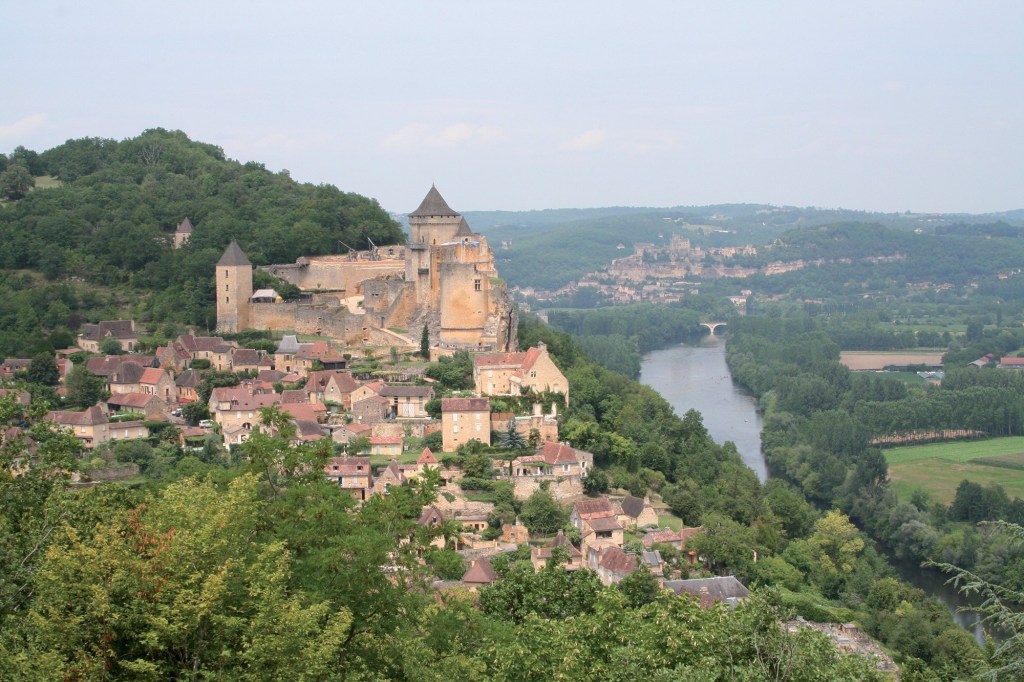
As here at the Château de Beynac, the Dordogne valley is filled with castles, mostly perched on limestone cliffs high above the river. Most of these castles were built in the 12th century. This is the medieval region of Aquitaine, where 12th century Eleanor, Duchess of Aquitaine, who after her divorce from King Louis VII of France, remarried and became Queen of England as wife of Henry II, King of England, and thus became one of the wealthiest and most powerful woman of medieval Western Europe. After the death of Henry II, their third son Richard I, also known as Richard the Lionheart, succeeded Henry II as King of England. Here, at the Château de Beynac, medieval history comes to life. Eleanor and her son Richard the Lionheart stayed here , and for example used to dine in the red furnished room pictured above. Naturally the French were not appreciative of Aquitaine falling under English rule and ownership, and the numerous, defensive castles along the Dordogne are witnesses to this time. Here are a few pictures of castles in the Dordogne valley:
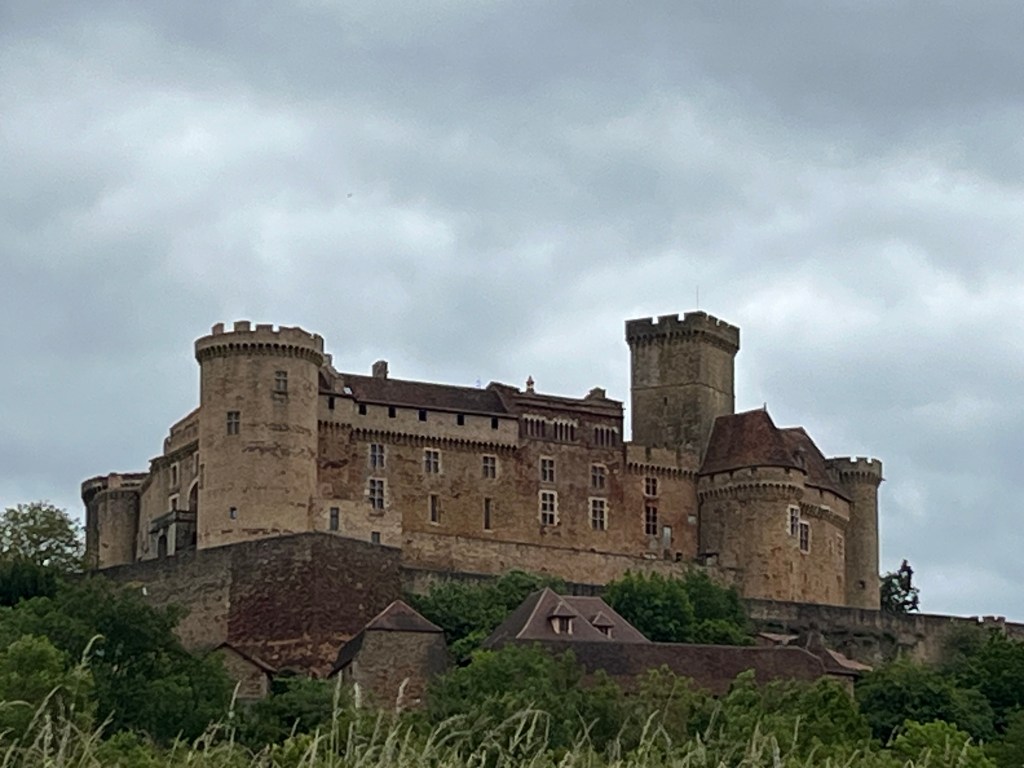
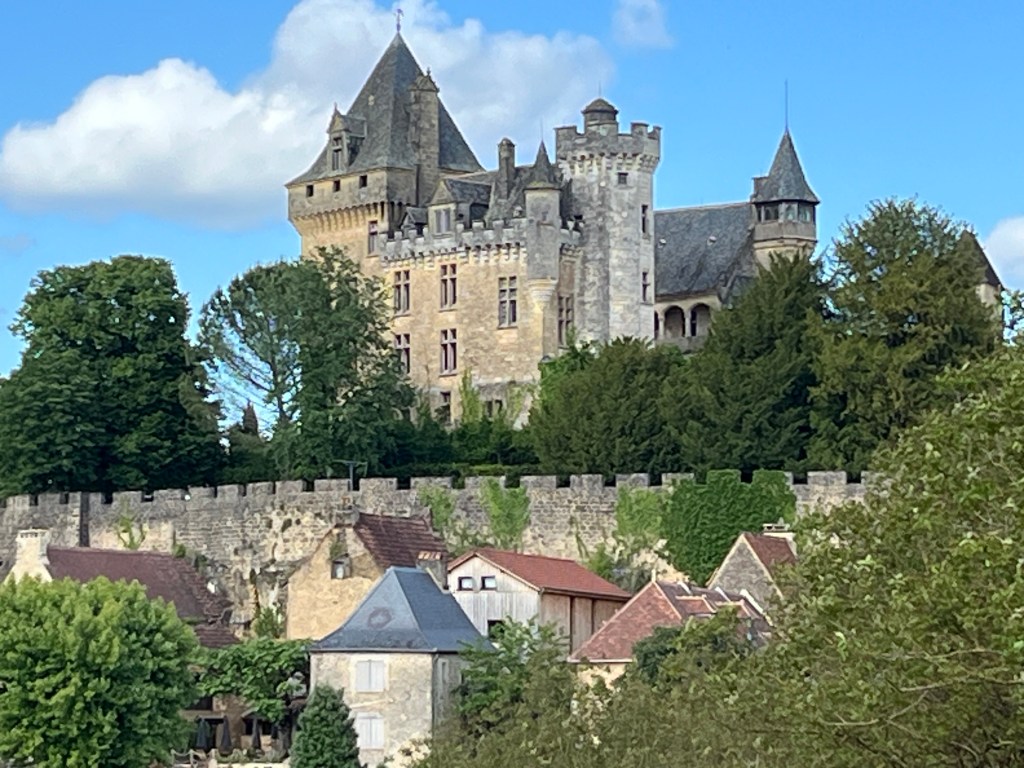
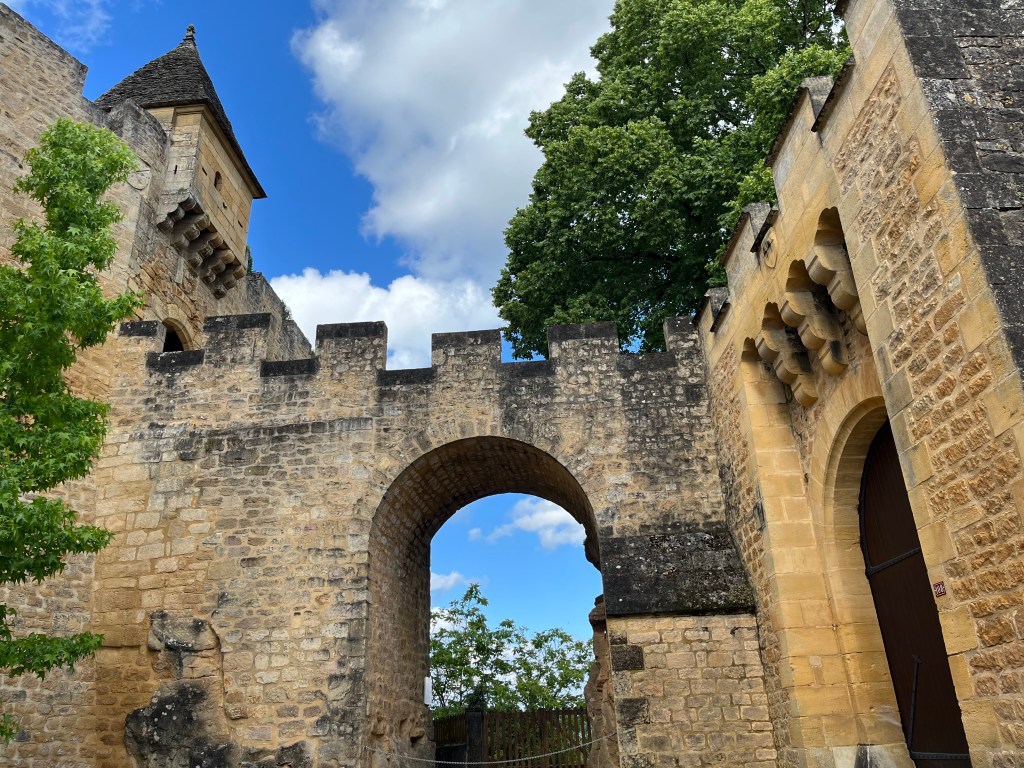
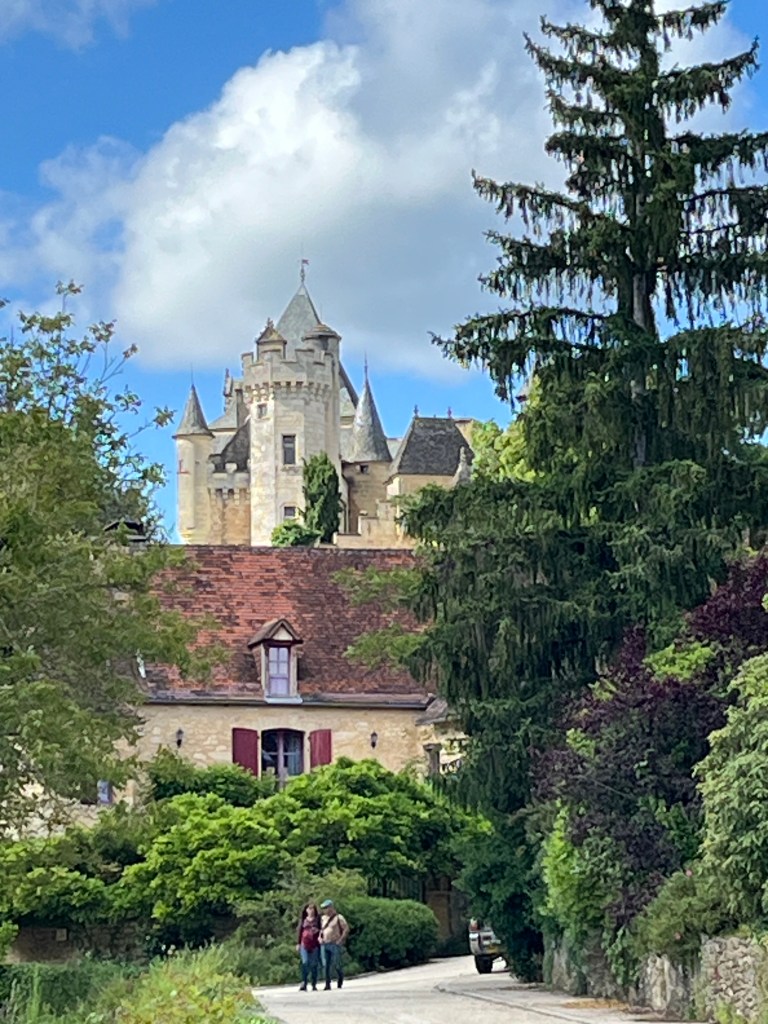

Sarlat la Canéda is a medieval town located just north of the main Dordogne valley, centrally located and renowned for its food and beautiful old town of coherent cuteness where we stayed for 2 nights:

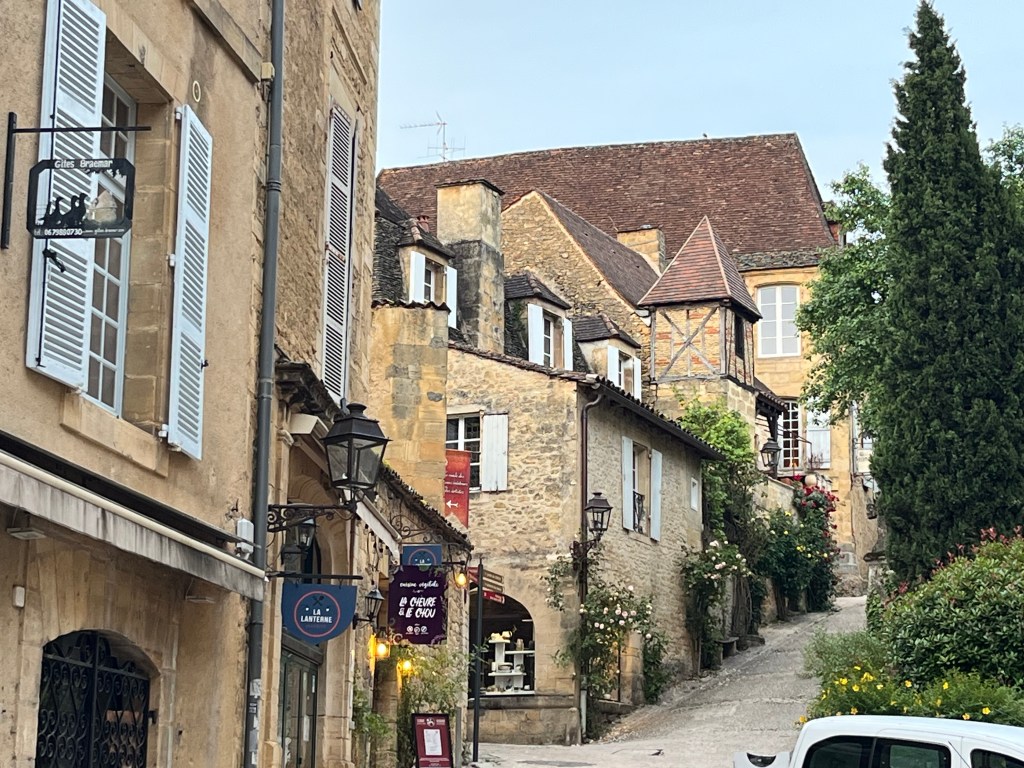

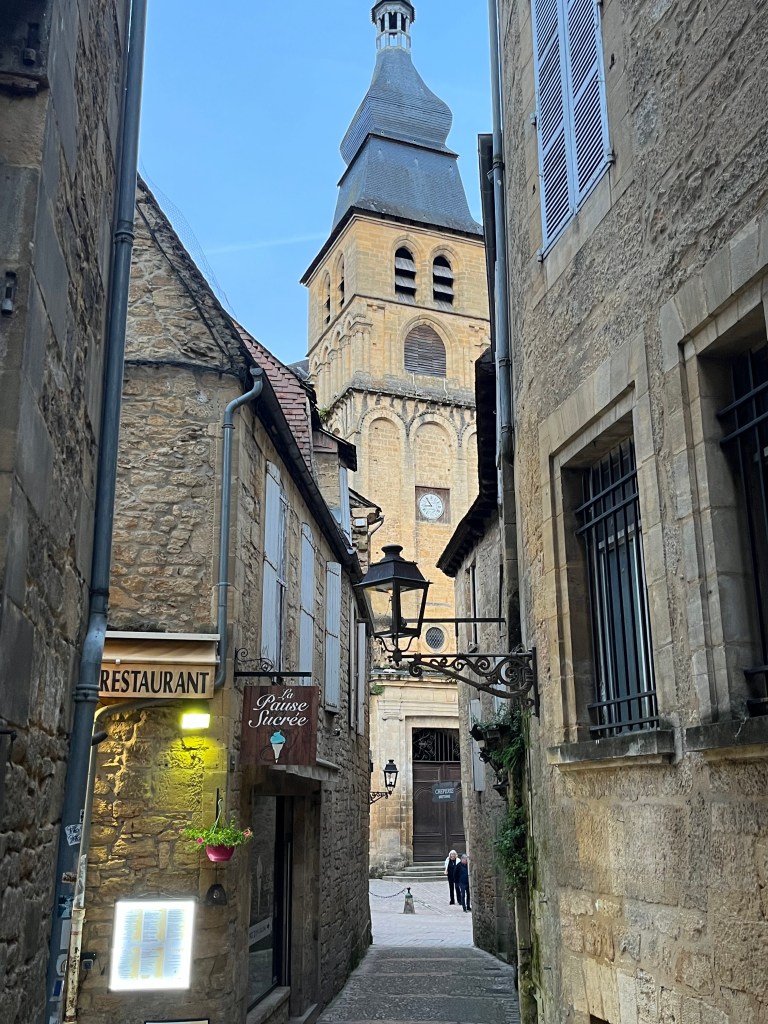
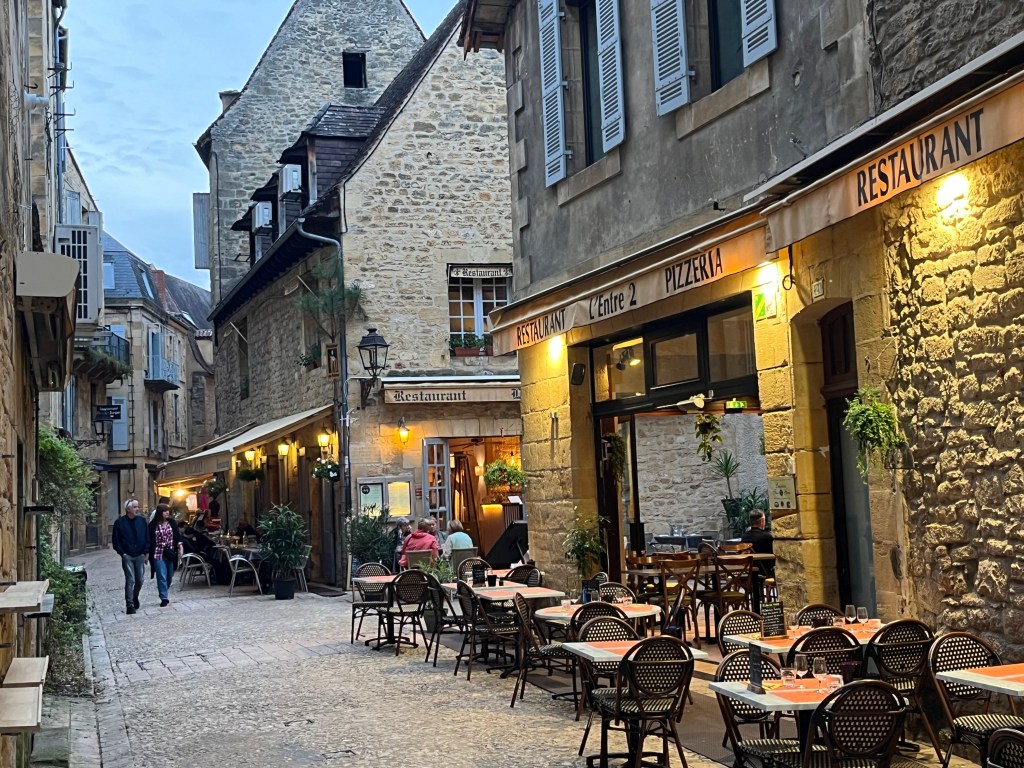
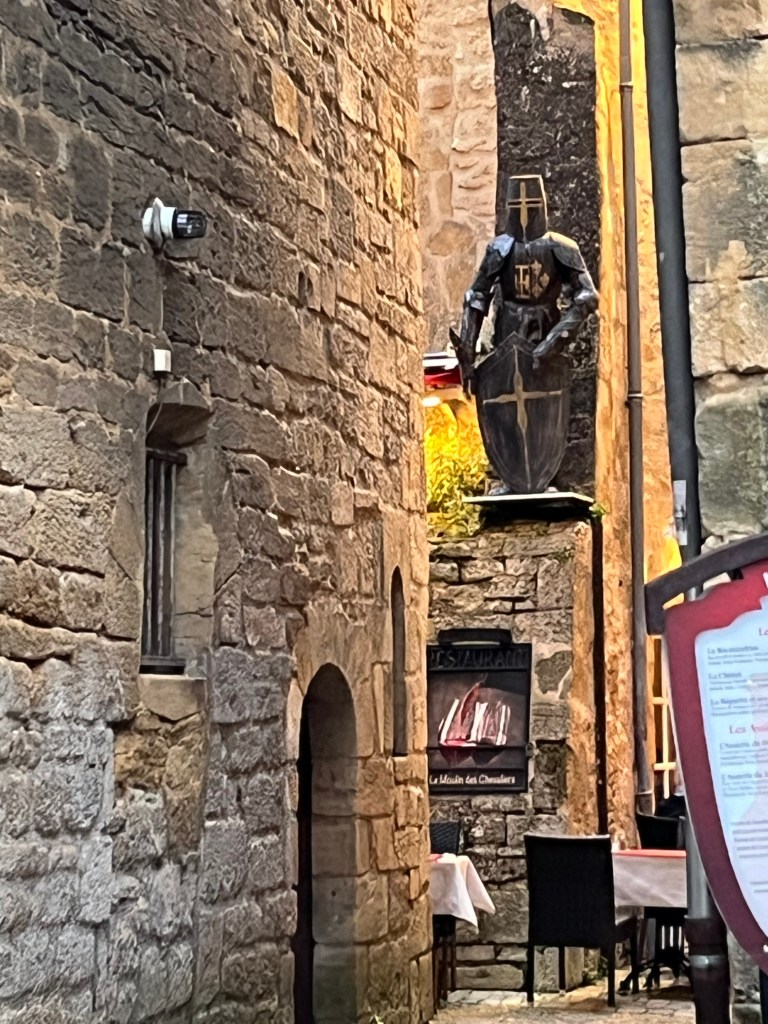
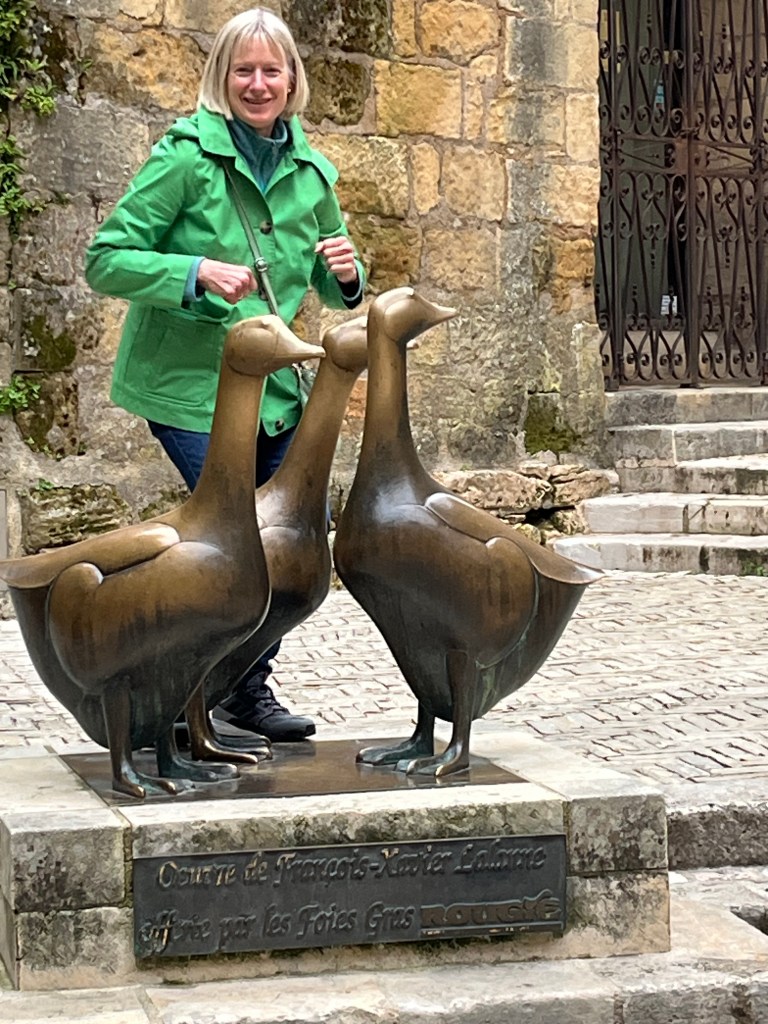

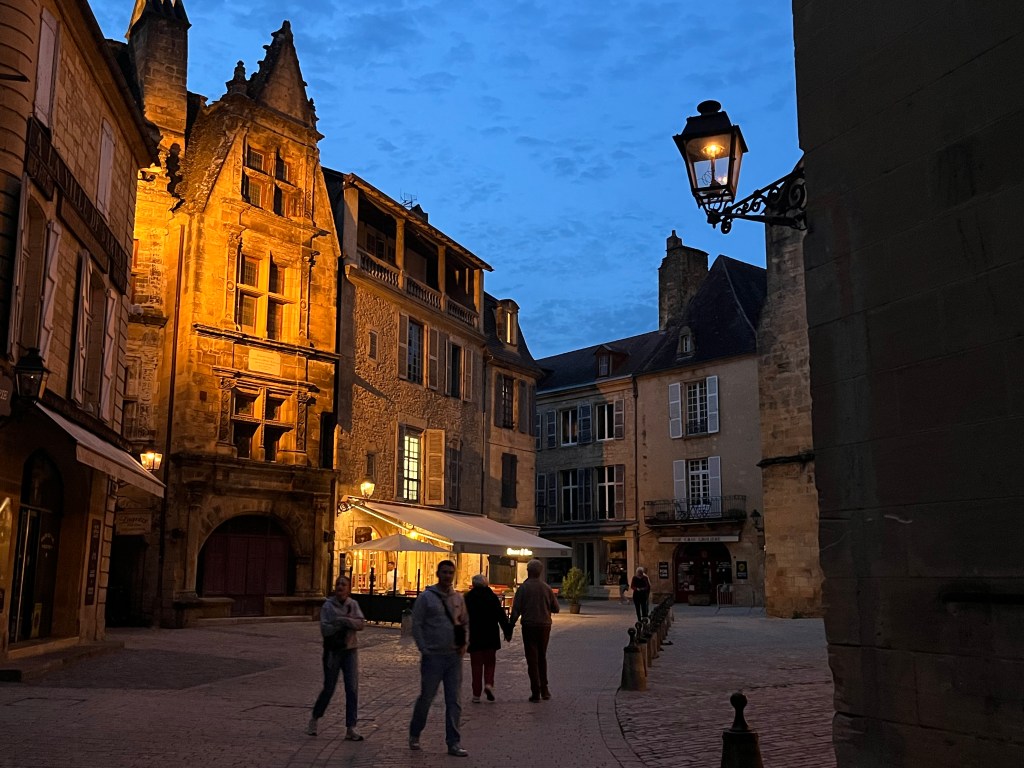
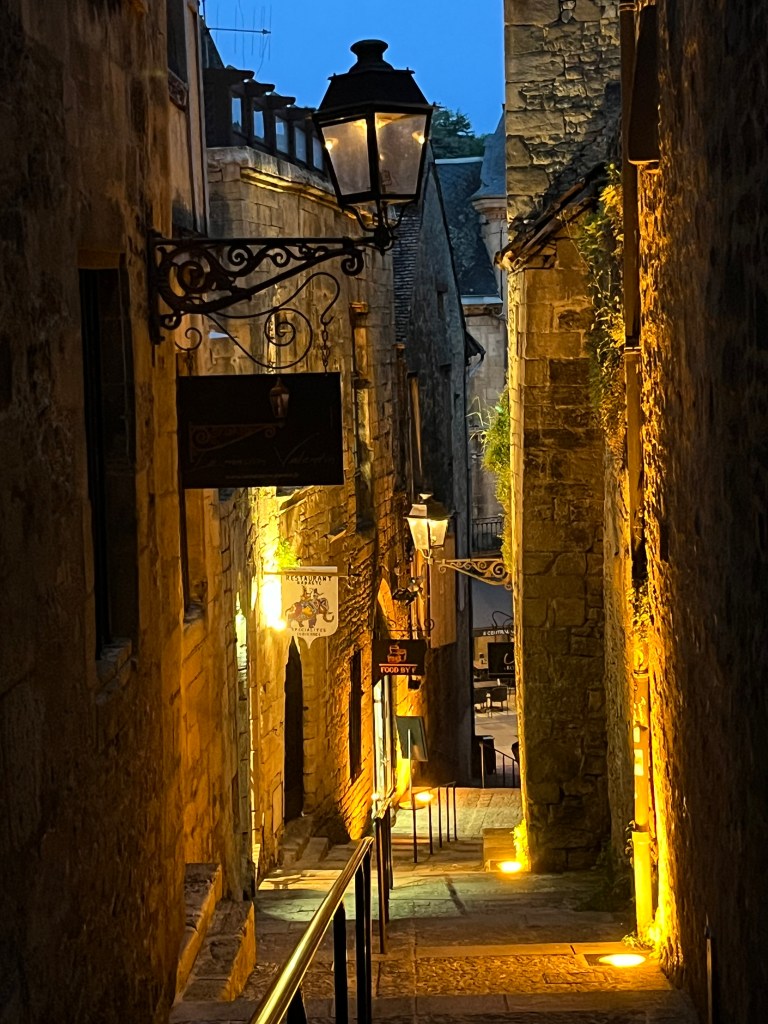
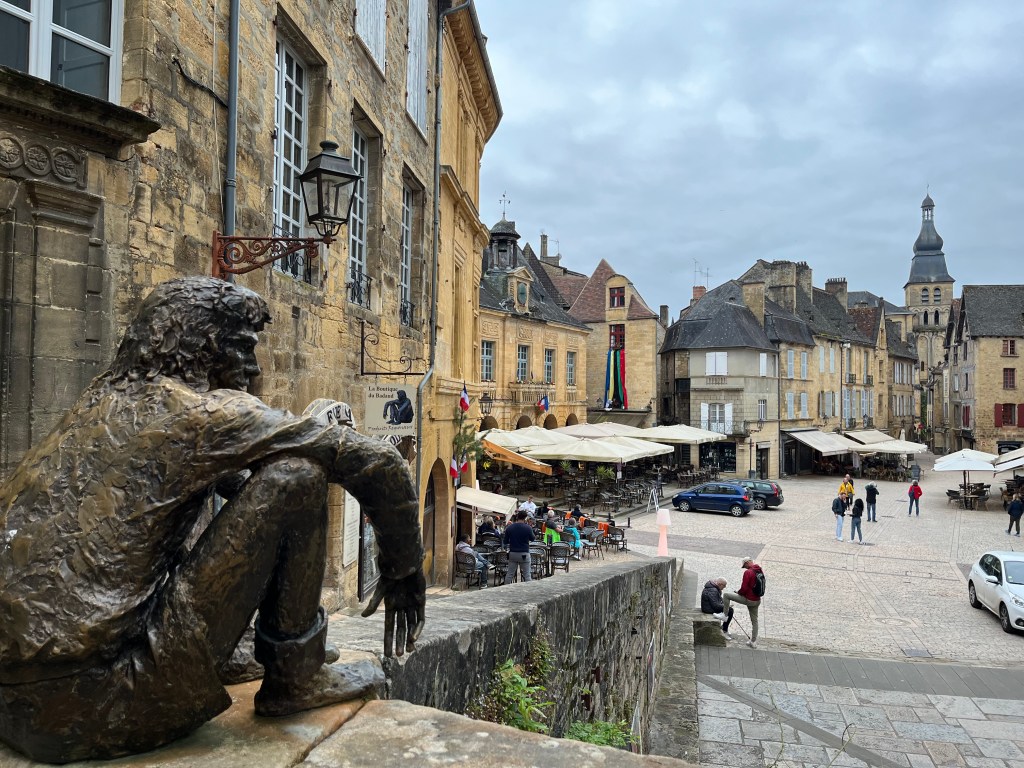
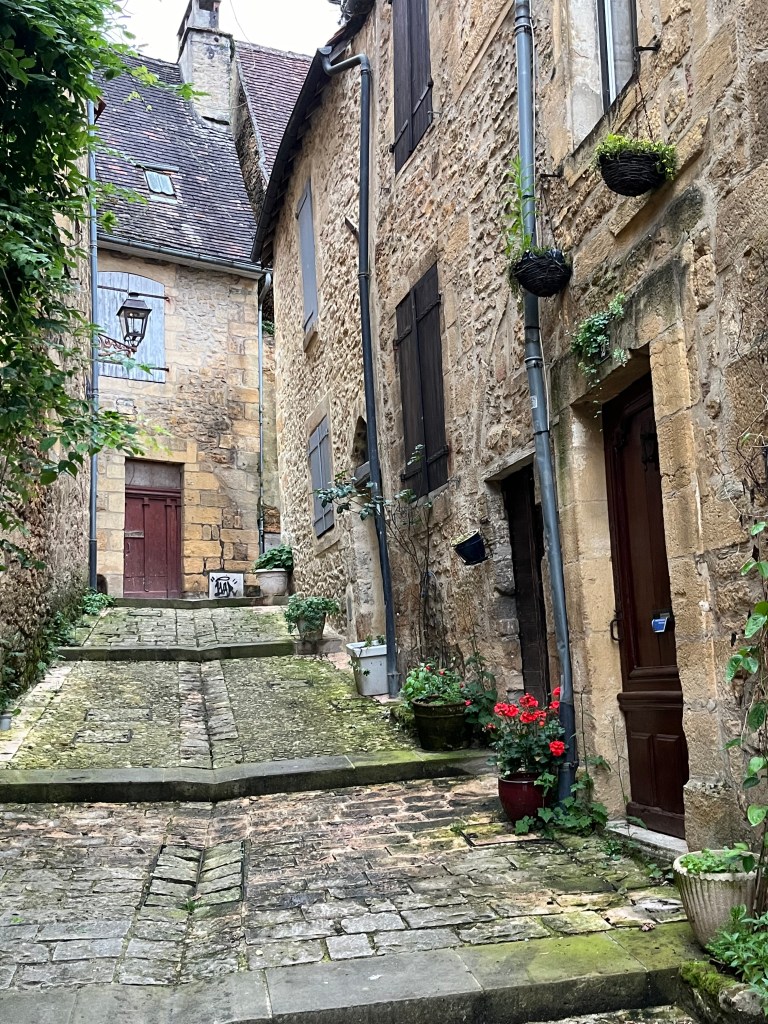


Besides enjoying ourselves exploring the area on bicycle, from here, we visited the famous prehistoric cave paintings of Lascaux II and the Grotte de Font de Gaume. The dominant limestone of the region can erode into large, underground caves. Especially visible along river cliffs, yet also appearing under flat or undulating ground, there appear to be as many caves open to visitation in the area as there are chateaus.

Naturally, our prehistoric forebears sought shelter in these chambers, and in some of these caves, left us spectacular, 15,000 – 20,000 year old polychromatic cave paintings. The most spectacular and famous of them is at Lascaux, about 30 minutes north of Sarlat. The original cave of Lascaux was discovered in 1940 by an 18 year old boy and his dog. Lascaux contains about 6,000 polychromatic figures, painted with a multitude of mineral compounds like iron oxide/ochre and with charcoal, displaying mostly animals, like horses, bison, cattle, ibex and deer and symbols. The paintings are so vivid in size, color and layout over the natural relief of the cave walls, that these animal scenes appear almost three dimensional.
Opened to the public in 1948, Lascaux attracted 1,200 visitors daily by 1955. Heat, humidity, and contamination by fungi and lichen deteriorated the paintings to such an extent, that the caves were closed to the public in 1963. Lascaux II, an exact replica of the main Lascaux cave, was built 200 meters from the original, using the same paint material and techniques believed to have been used on the original. This replica was executed with such detail and deliberation, that it took 20 years for completion. In 1983 Lascaux II opened to the public, and we were glad to have booked a tour well ahead of our visit. The tour is well organized in manageable groups, offered as well in English, and includes a torch lit viewing to experience the paintings as the artists did approximately 20,000 years ago. Unfortunately, picture taking is prohibited, yet there are many images readily available on the internet. Here are just a couple of images from the entrance room where we were still allowed to take photographs and where the guide gave us detailed explanation of the techniques used to create the original paintings:
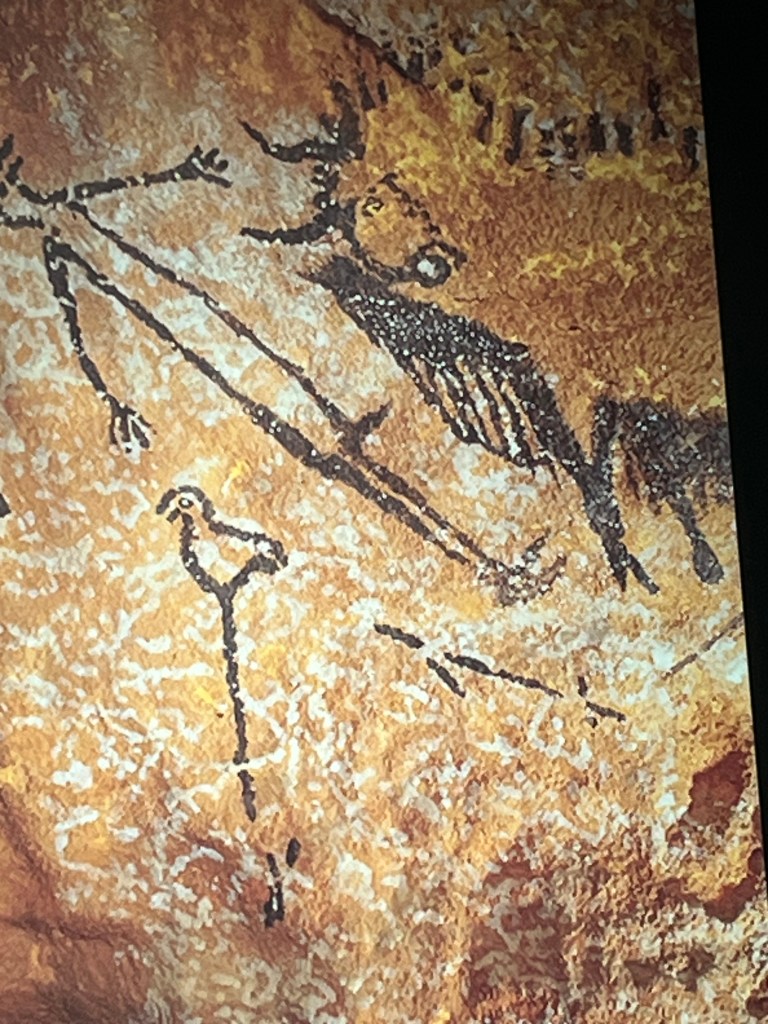
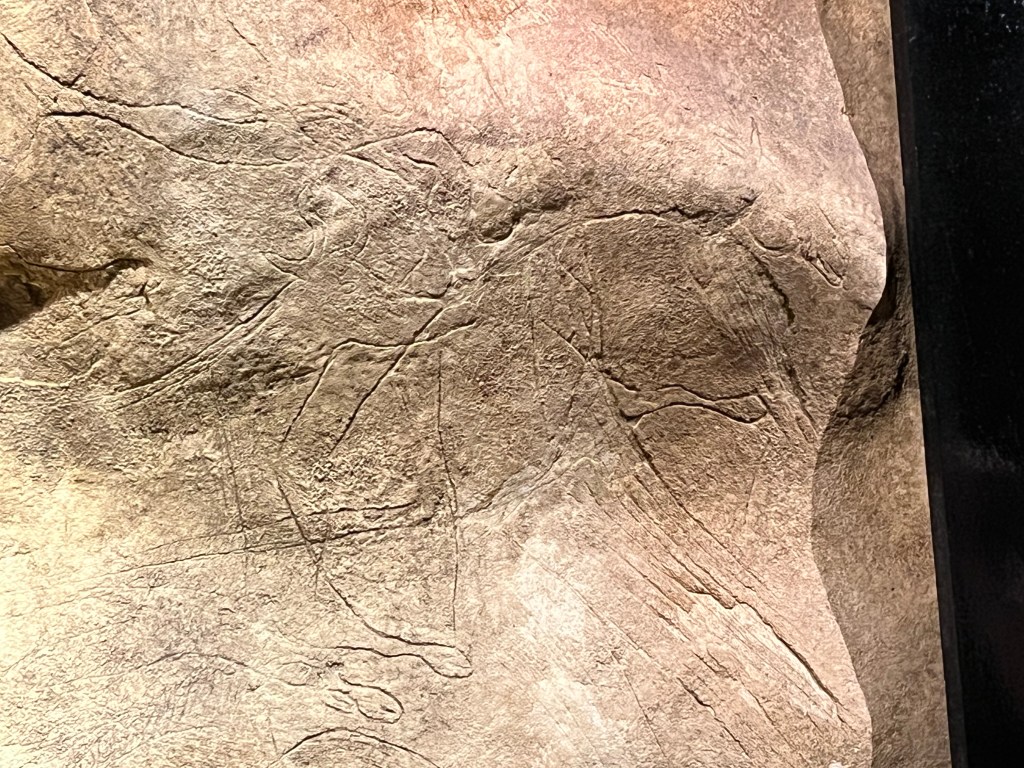

Besides enjoying the beauty of the paintings, my main take away is that these forebears of ours, some 20,000 years ago, were not just some primitive creatures looking for their next kill, or immediate survival, yet they had an appreciation for art, a creative way of manufacturing colors and techniques to paint, a vision for layout, and a longevity for a continuous, detailed completion, that likely stretched over the life span of a single generation. That is truly impressive and humbling!
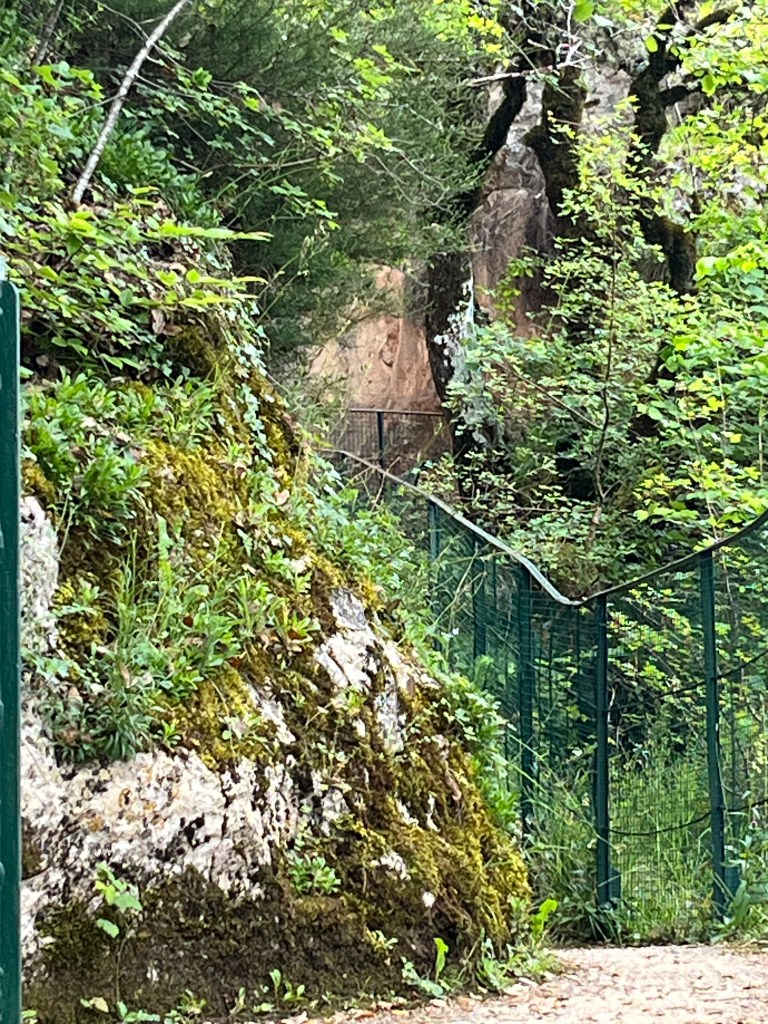
We also visited the Grotte de Font-de-Gaume, which is the last, larger, prehistoric, Magdalenian era painted cave in the area still open to the public. Again, this was a great tour that needed to be booked in advance, presented by an enthusiastic interpreter who brought the prehistoric paintings to life for us. Here are a couple pictures from the entrance of the cave, as taking pictures inside the cave was prohibited here as well:

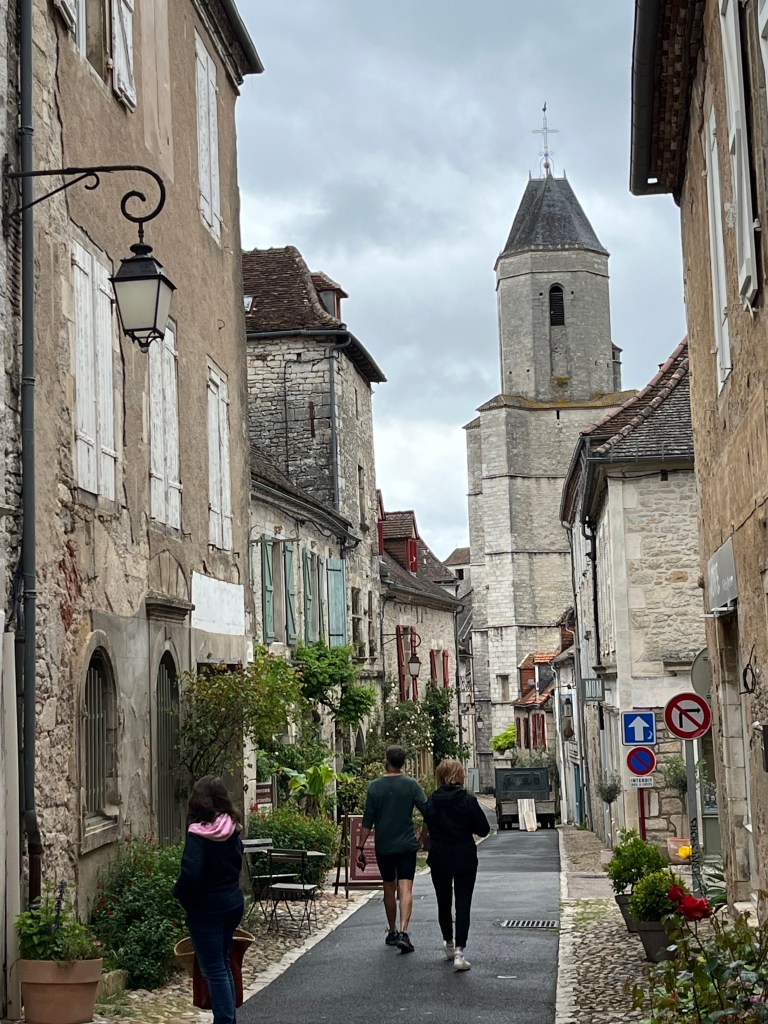
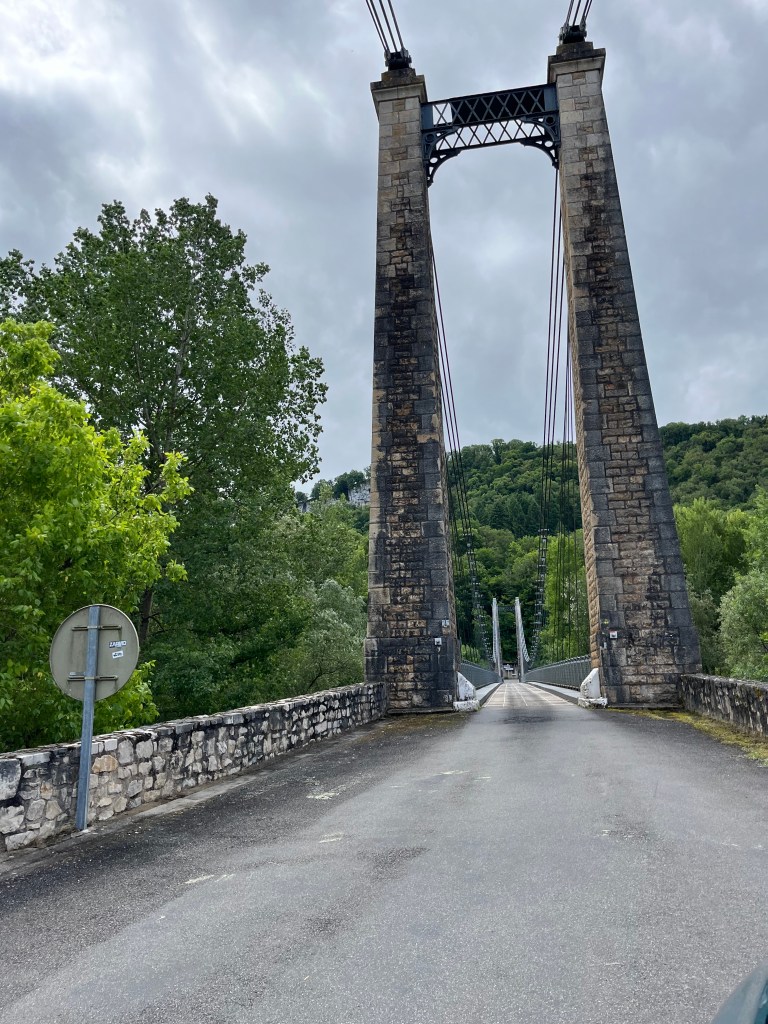
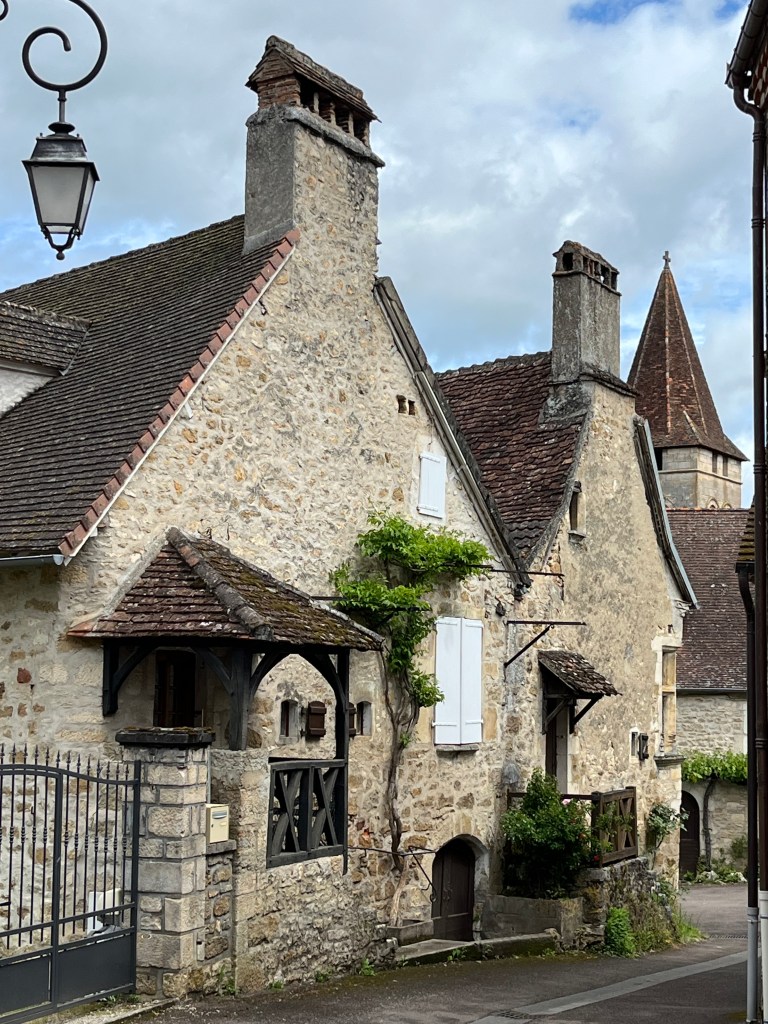
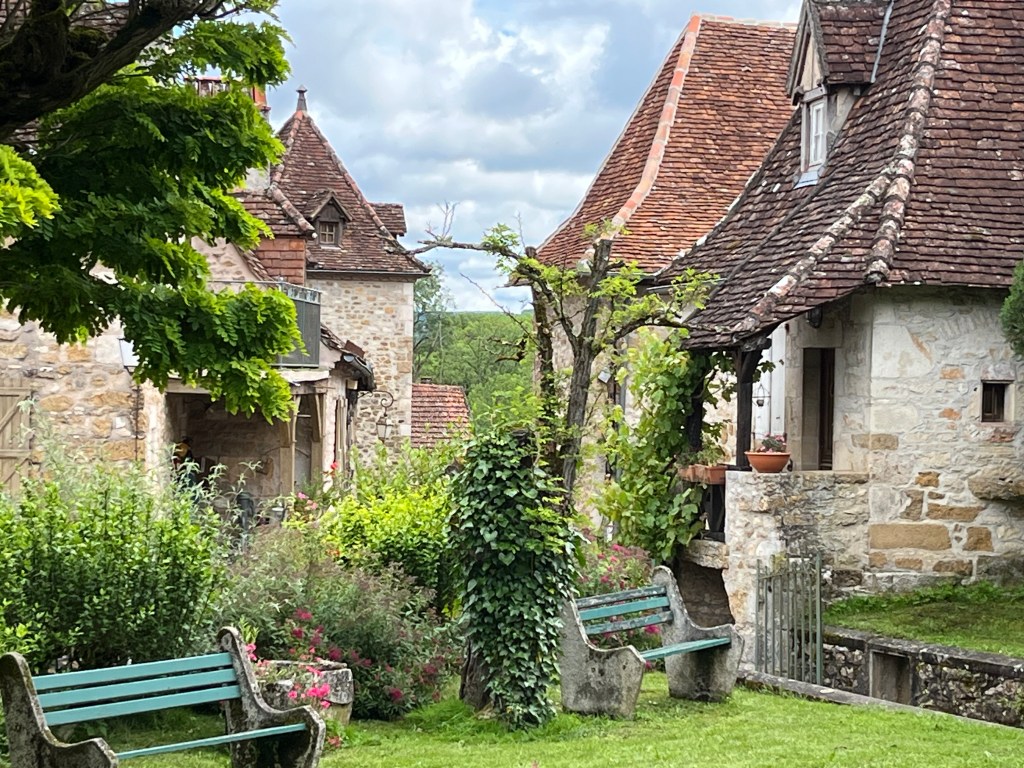
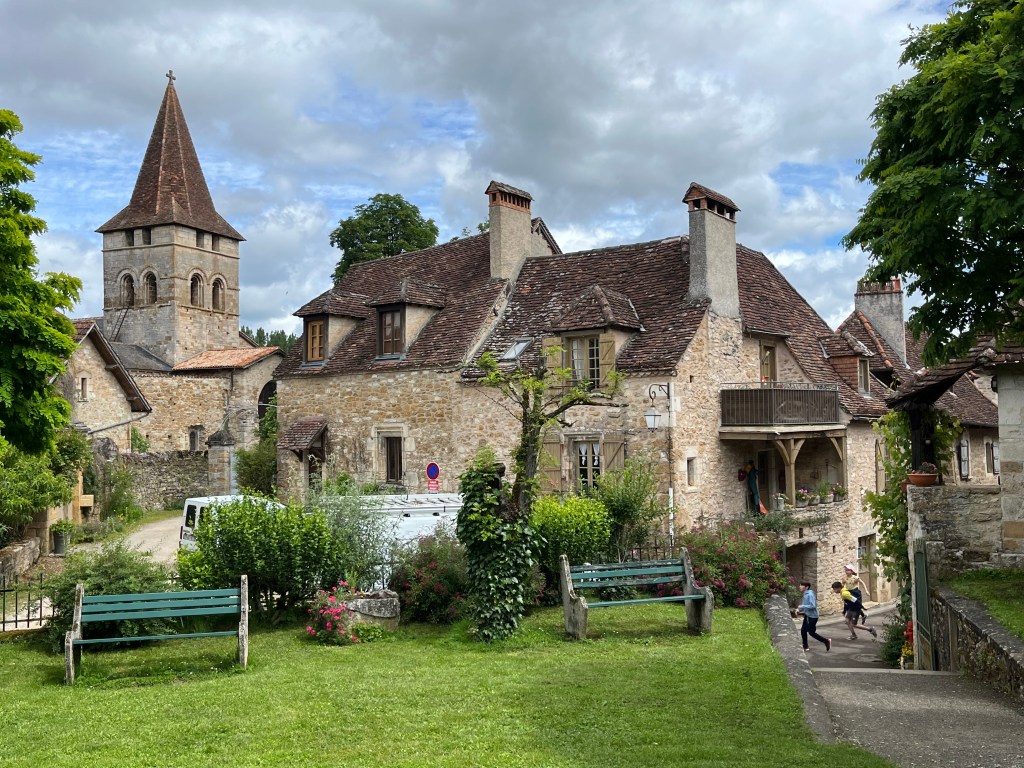
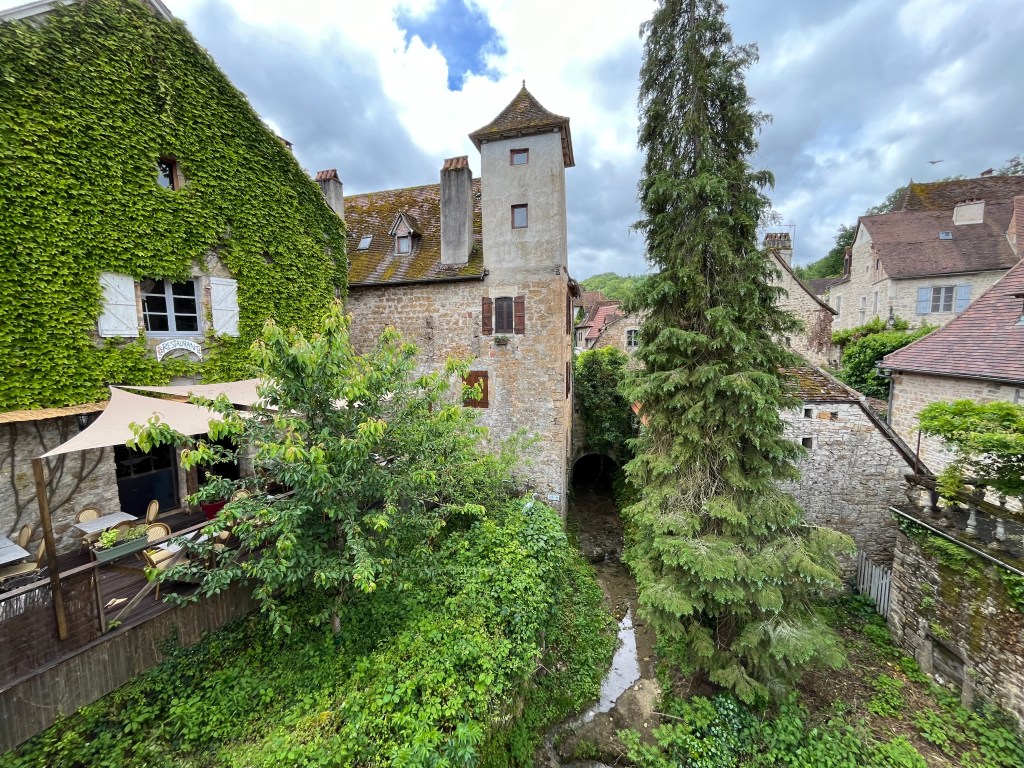
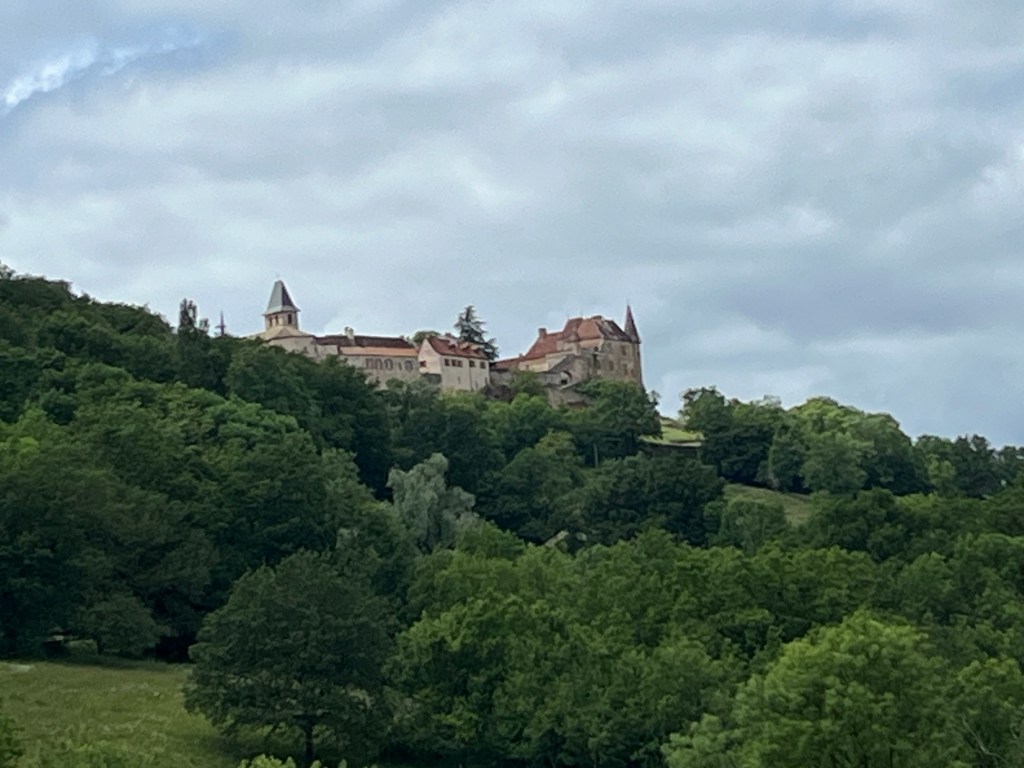
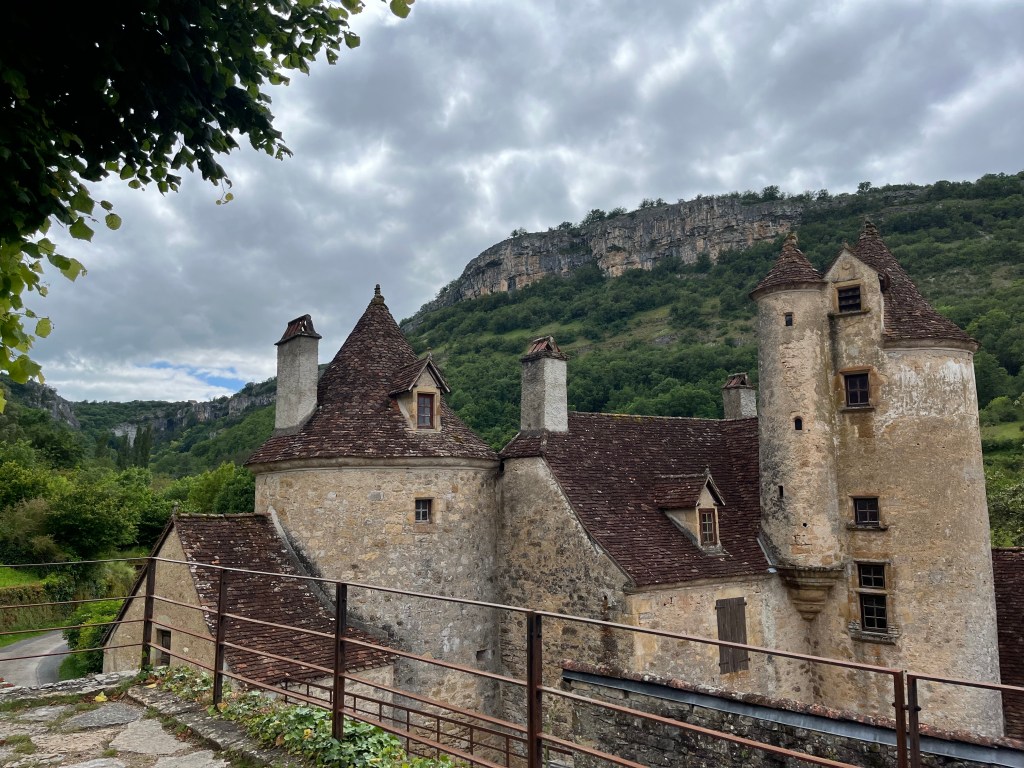
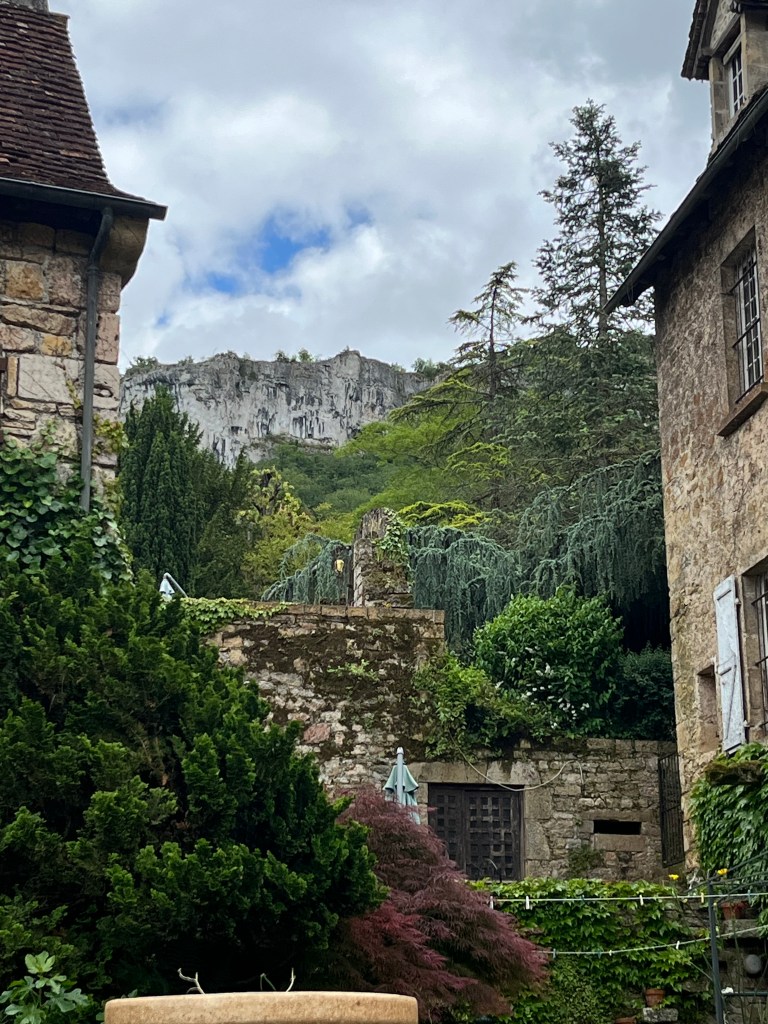
Leaving cave paintings and Sarlat behind, we headed further up the Dordogne valley towards Rocamadour. On the way we came through a couple of cute villages so typical for the area. Here are some pictures:



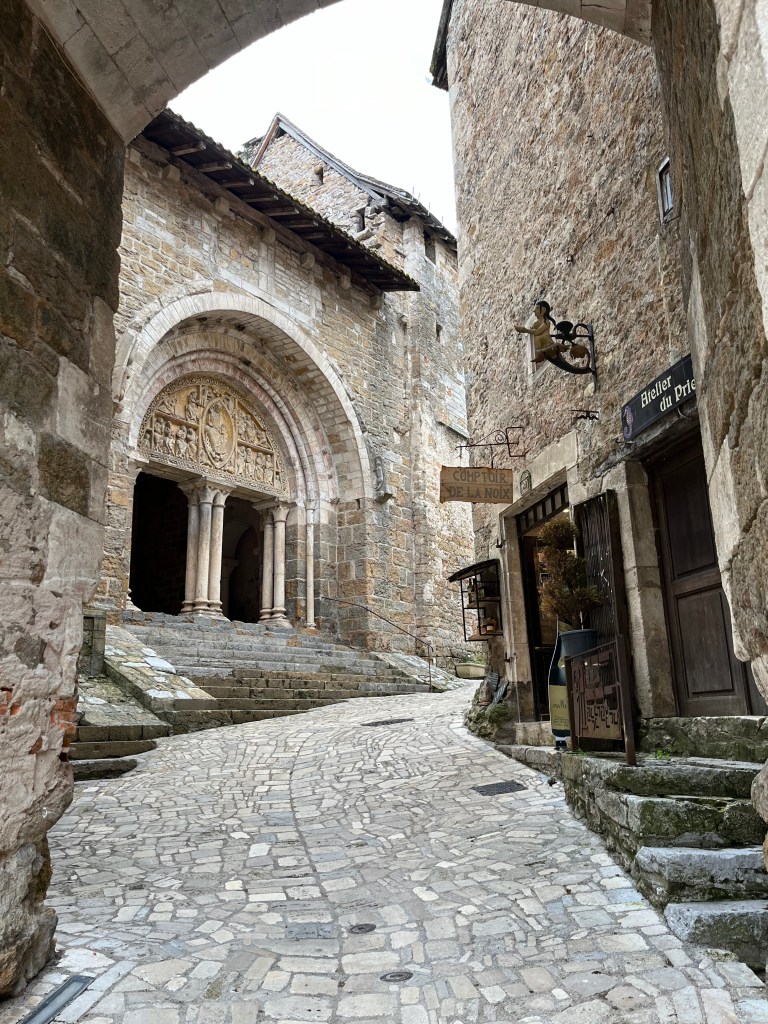
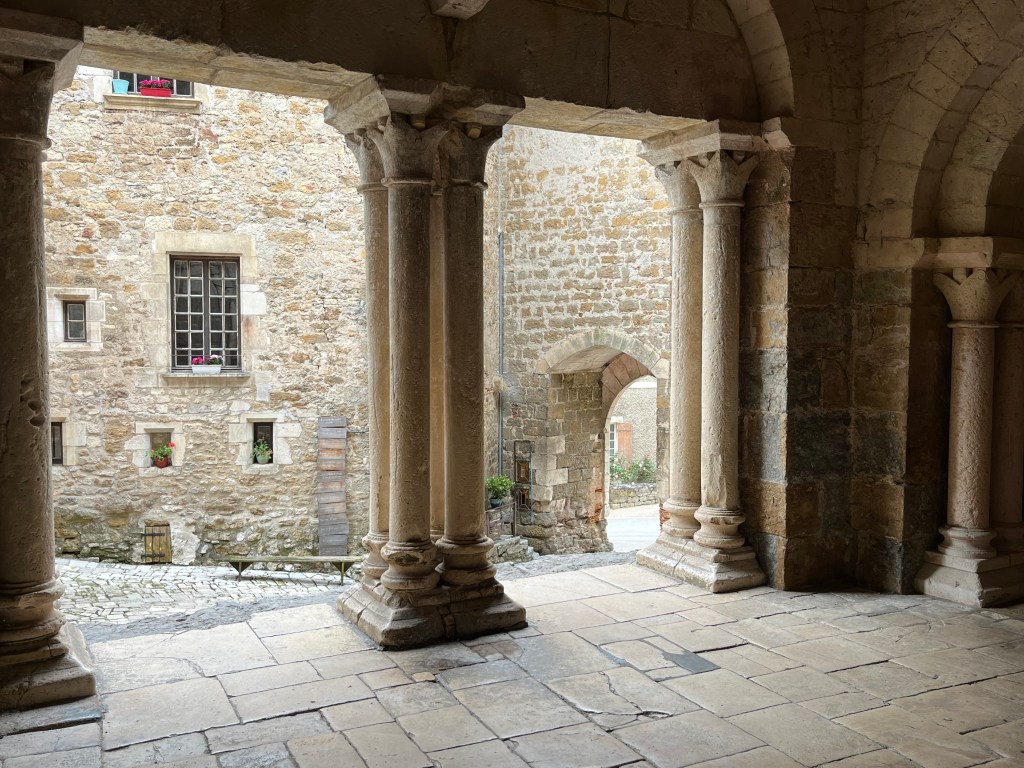
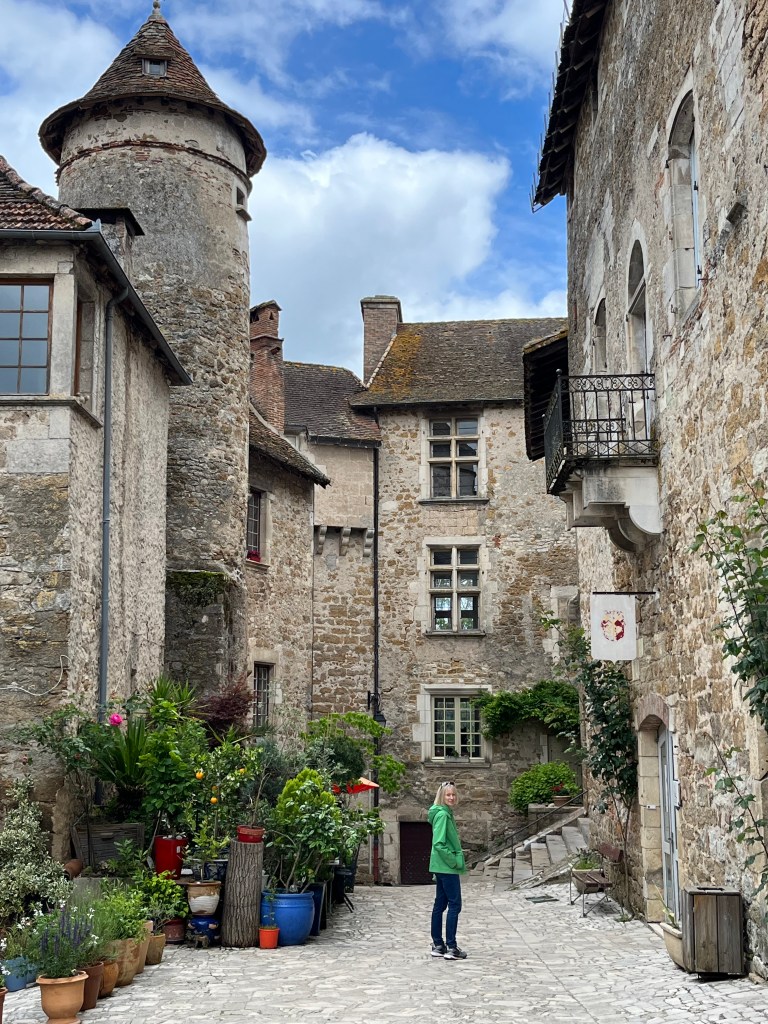
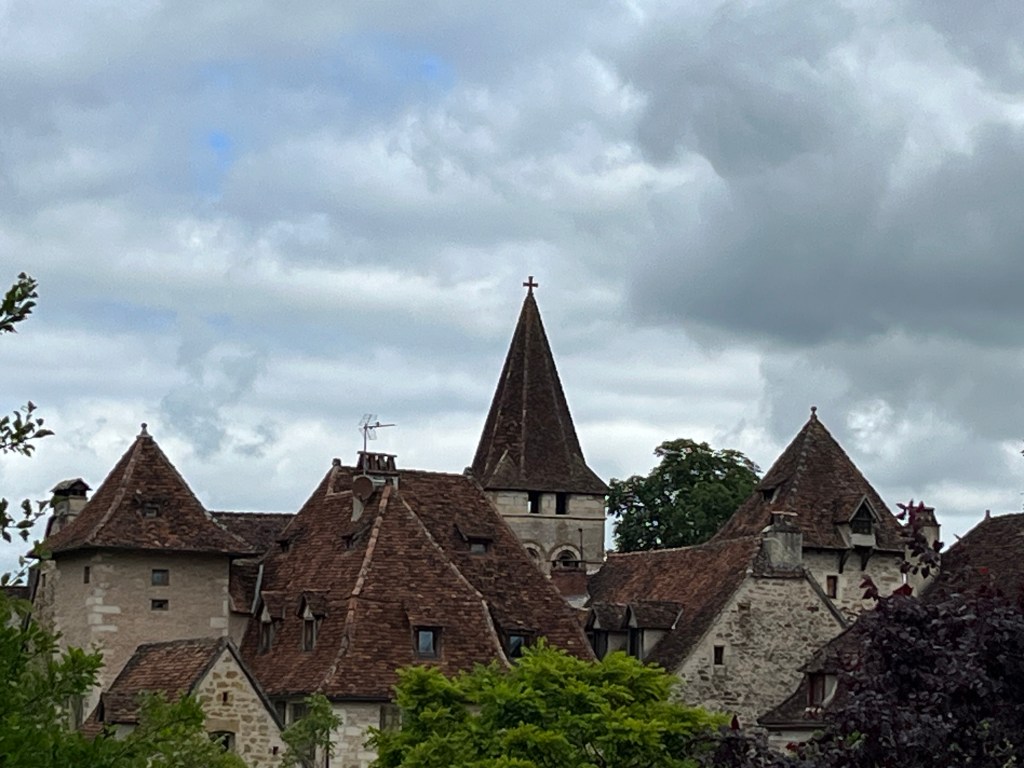

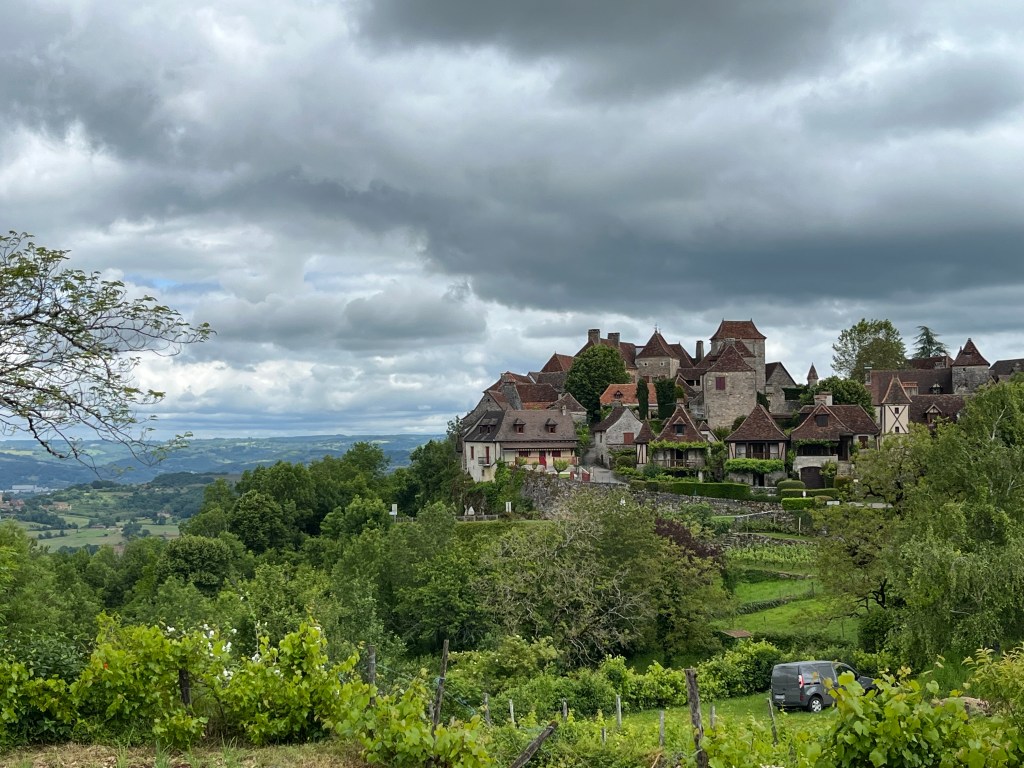

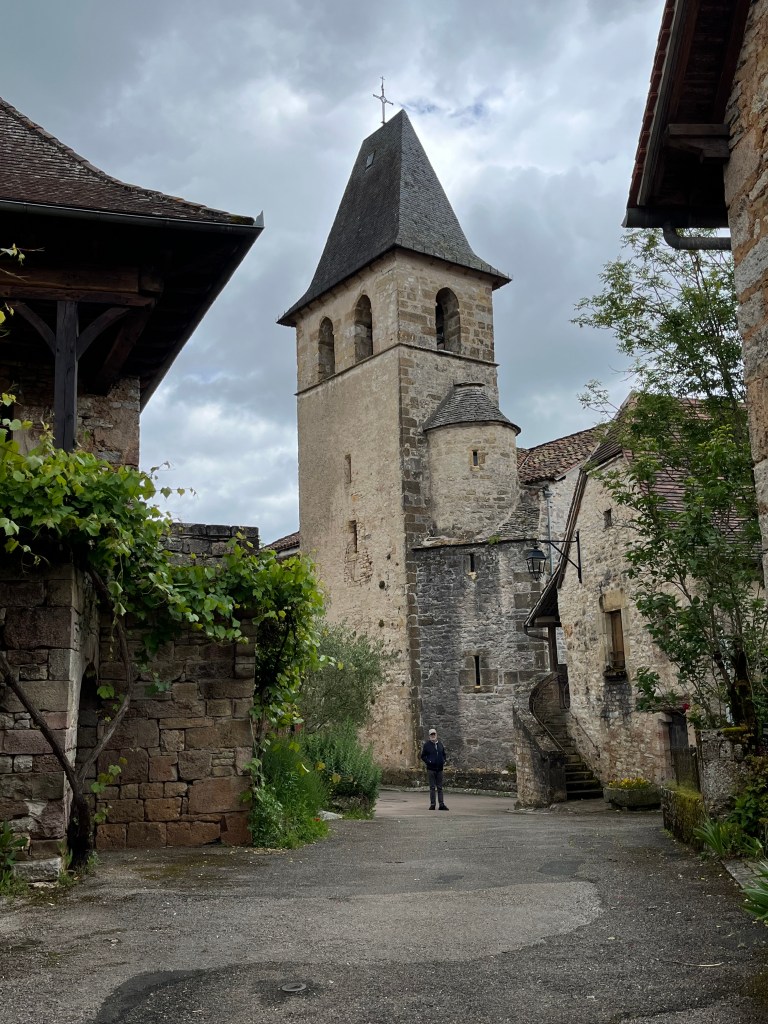
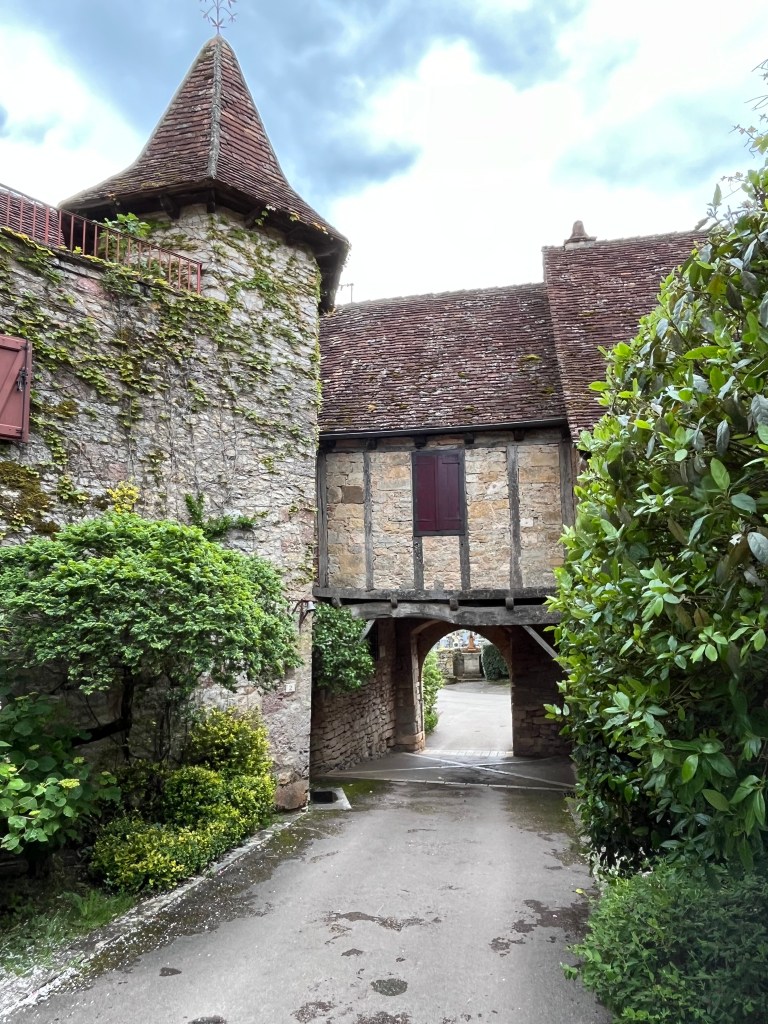

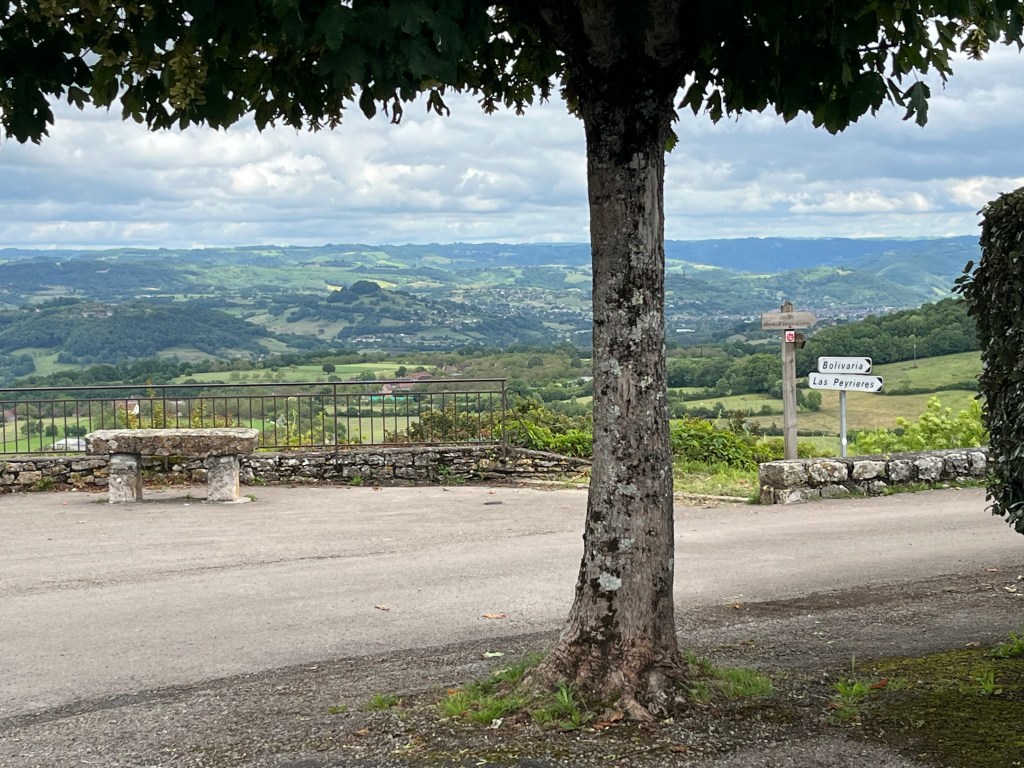
Rocamadour is a medieval pilgrimage town, whose church, chapel, monastery buildings, and castle were dramatically built during the 12th and 13th century onto a large cliff overlooking a tributary to the Dordogne. The main pilgrimage attraction was the statue of the venerated Black Virgin, to which several miracles were attributed. Humans already lived in the caves of the site during the Paleolithic age. Since the 20th century the site is mostly a tourist attraction, with its typical souvenir shops, restaurants and cafes at the bottom. From this tourist area, a stairway leads to the church and chapel half way up the slope, and from there a trail of the Stations of the Cross, connects all the way up to the castle on top of the cliff. Walking up the worn stone stairs, one can only imagine the thousands of faithful pilgrims who went up before us.

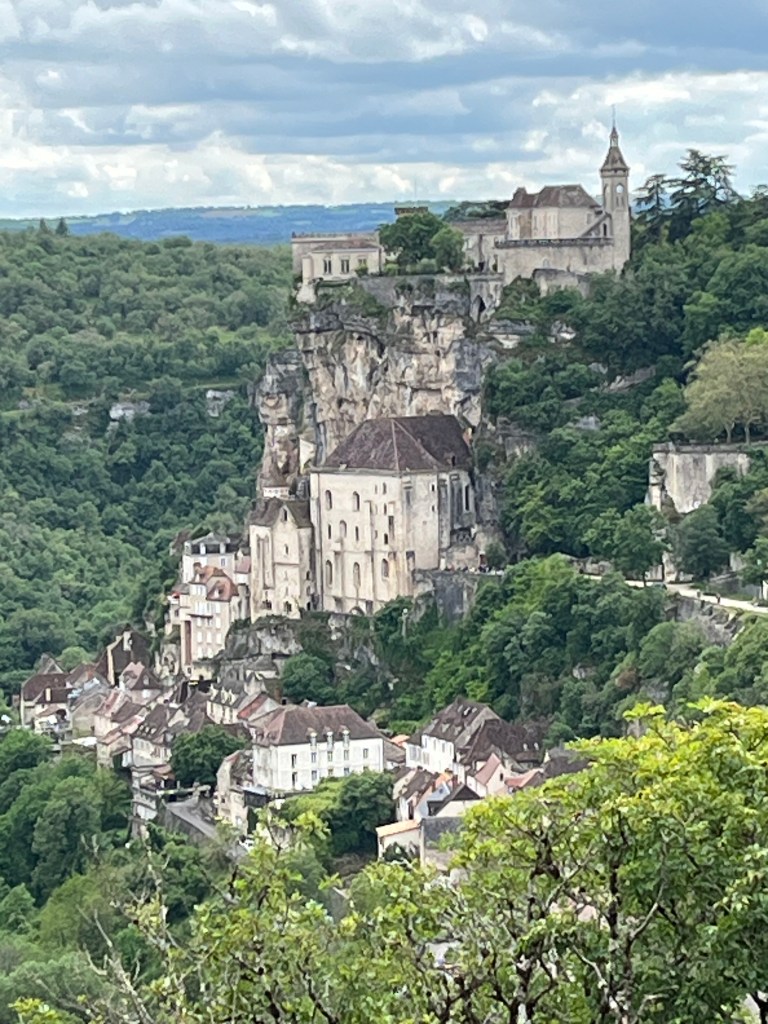
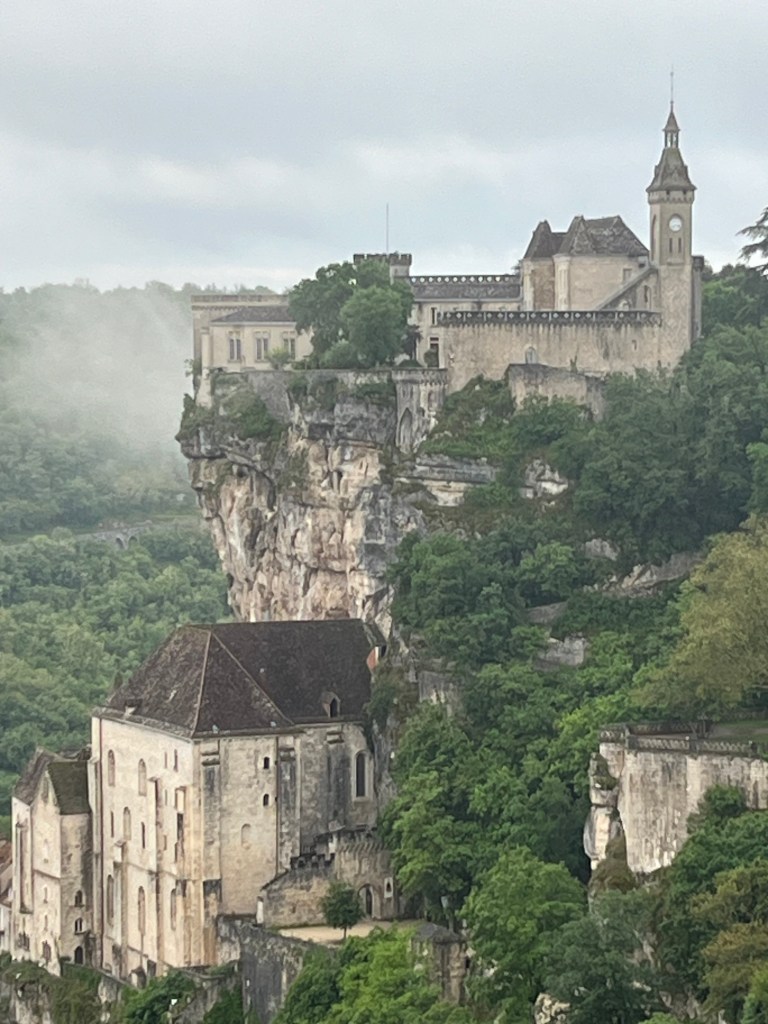
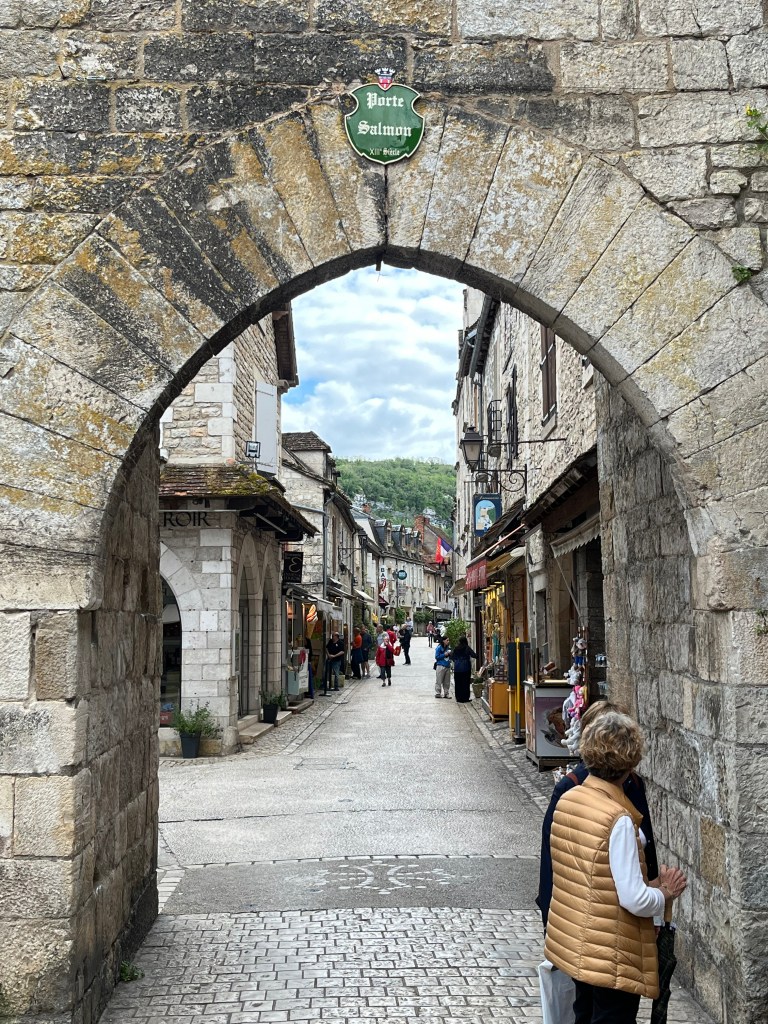
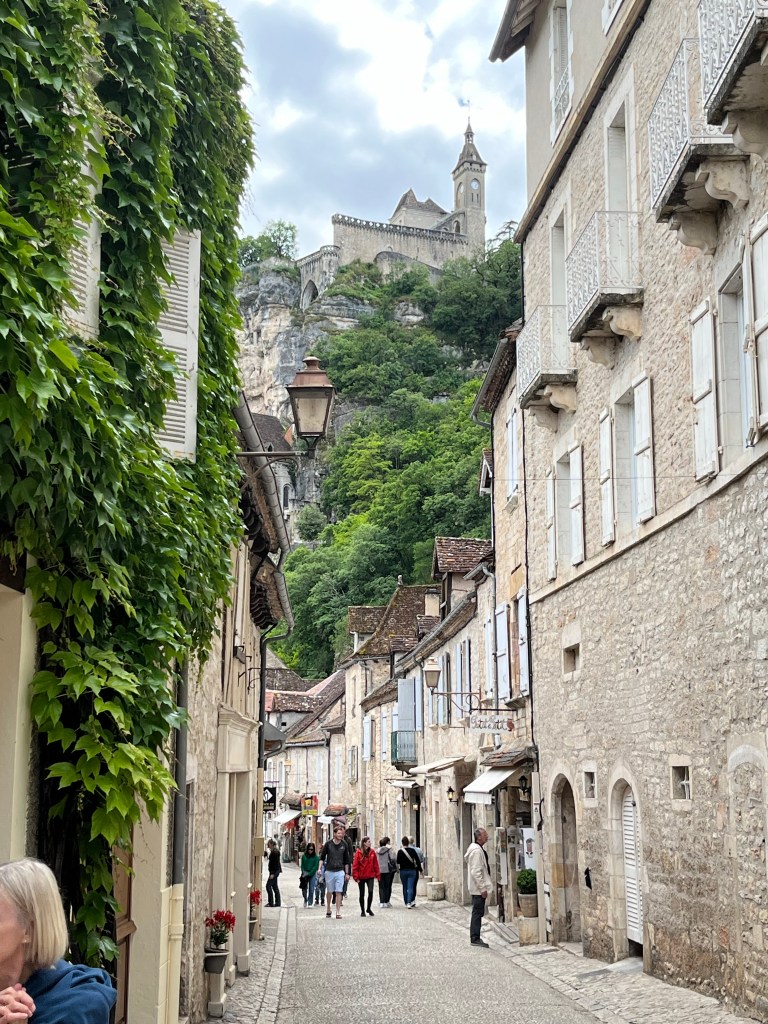
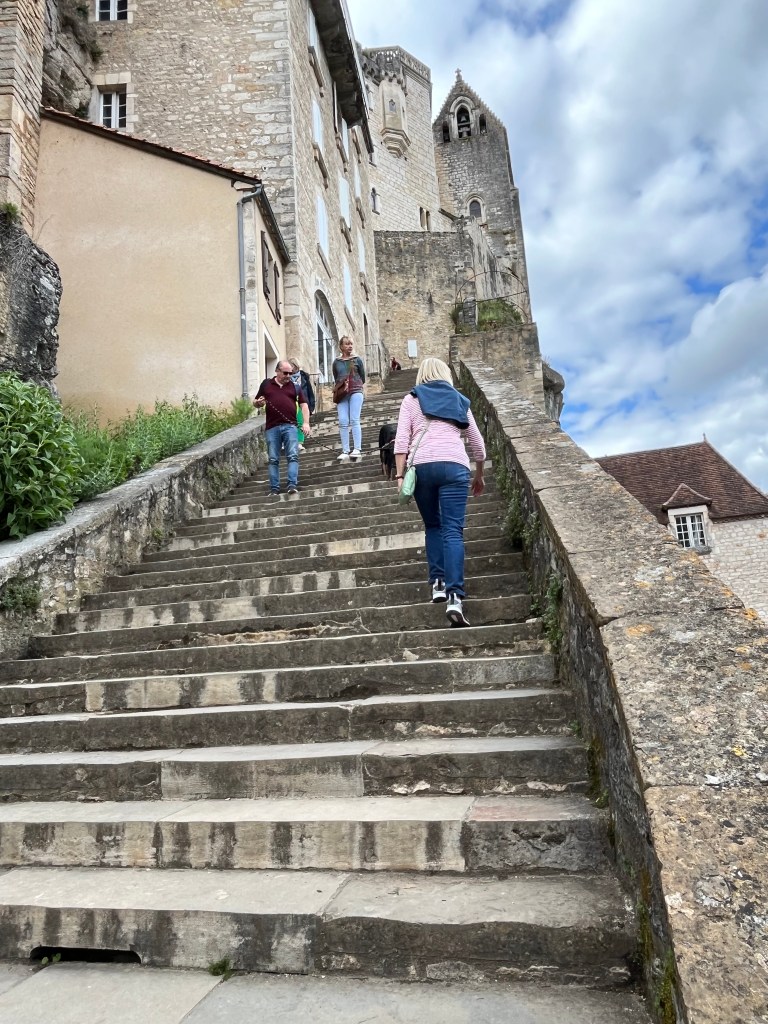
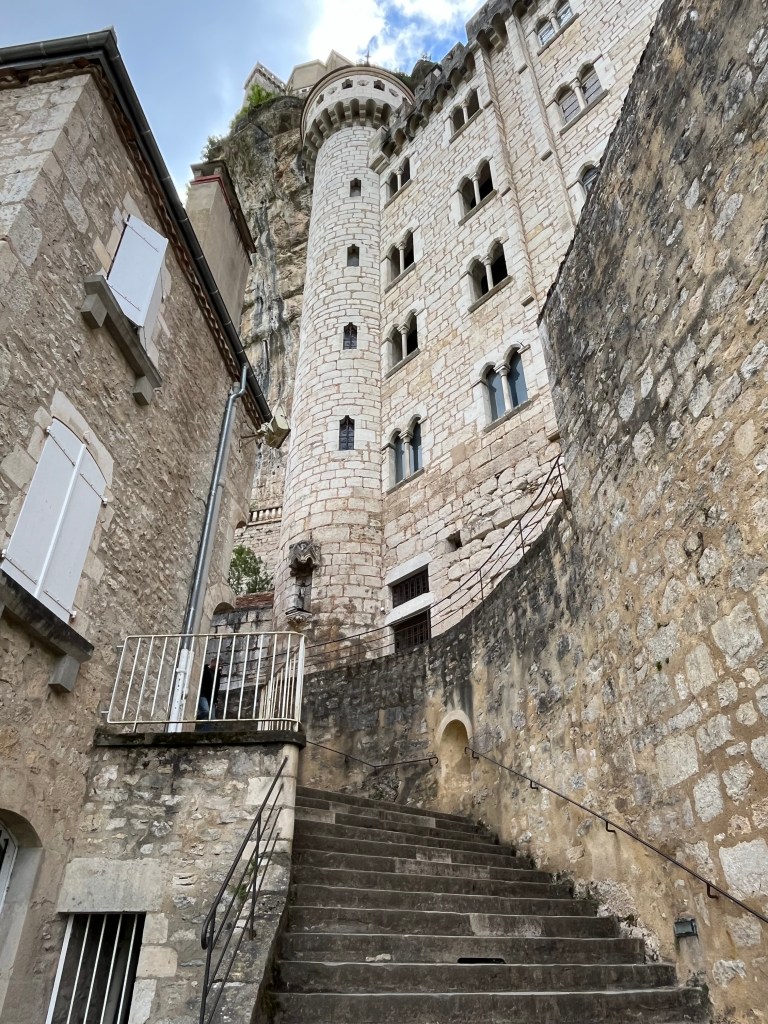
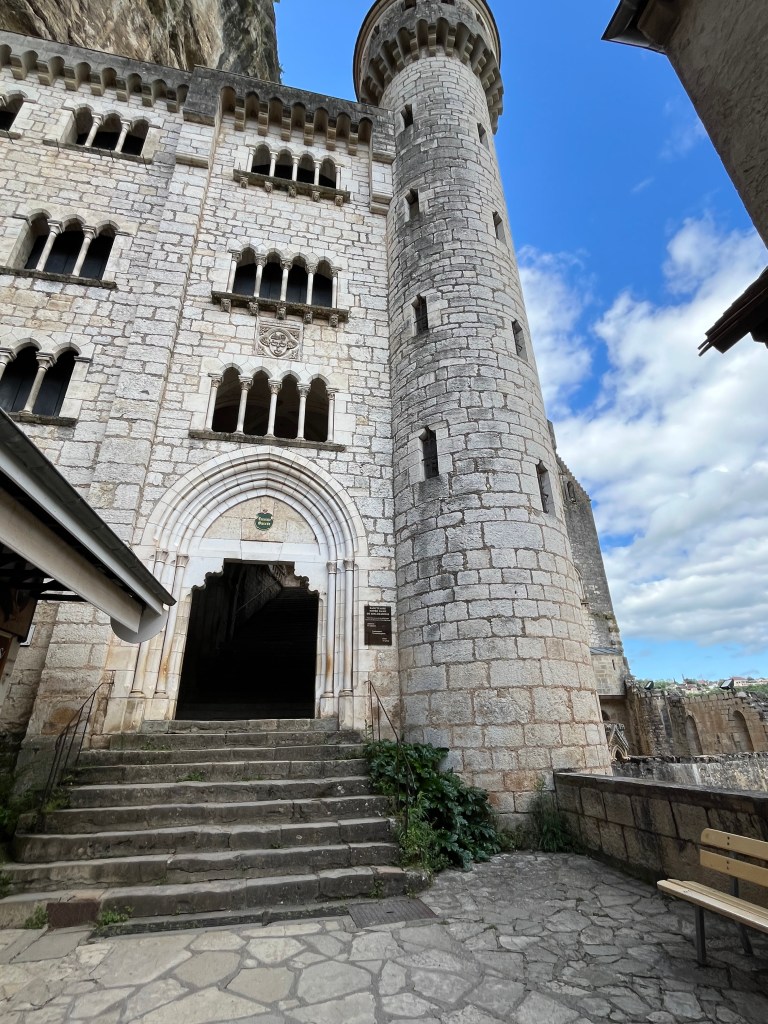

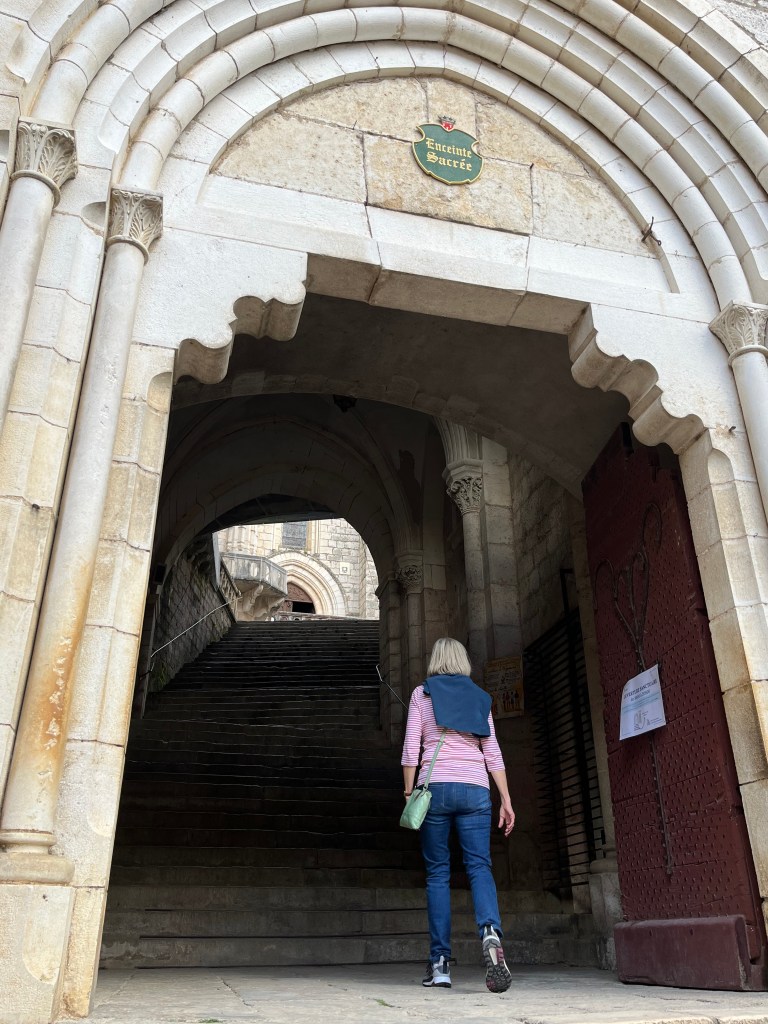
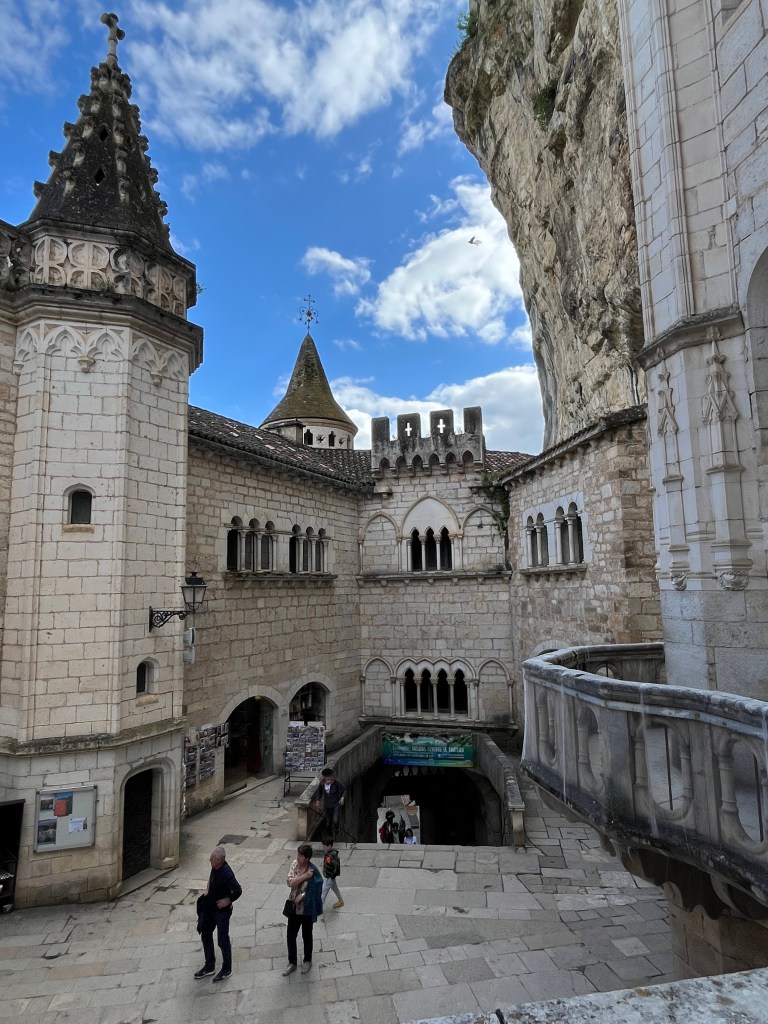
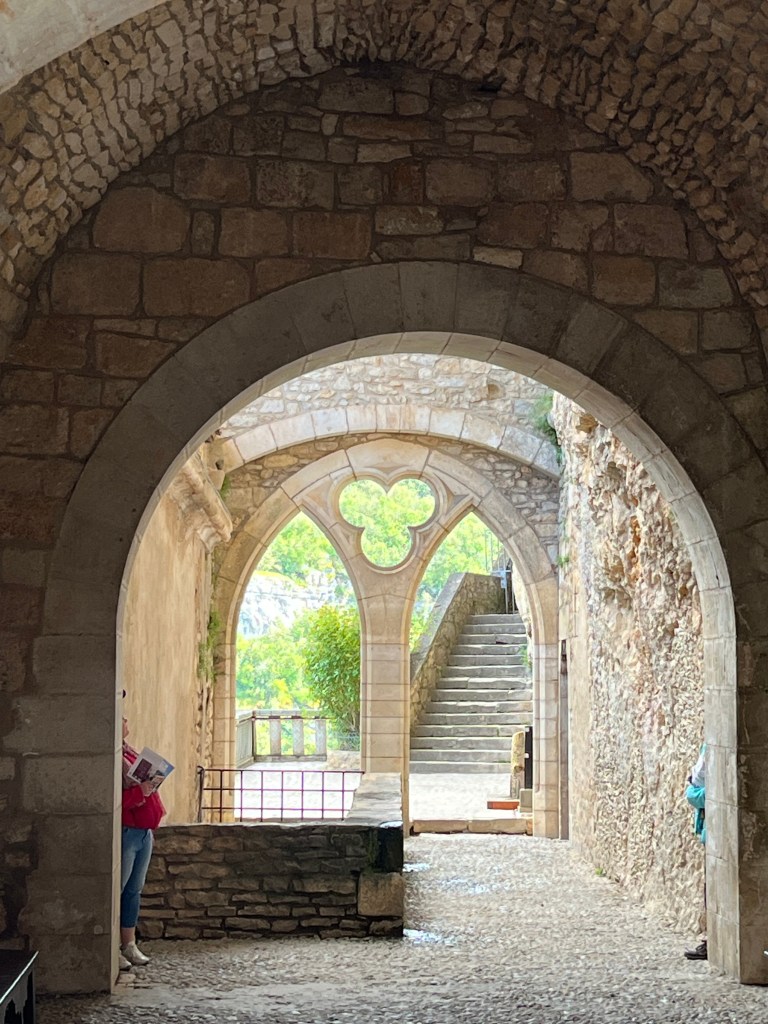
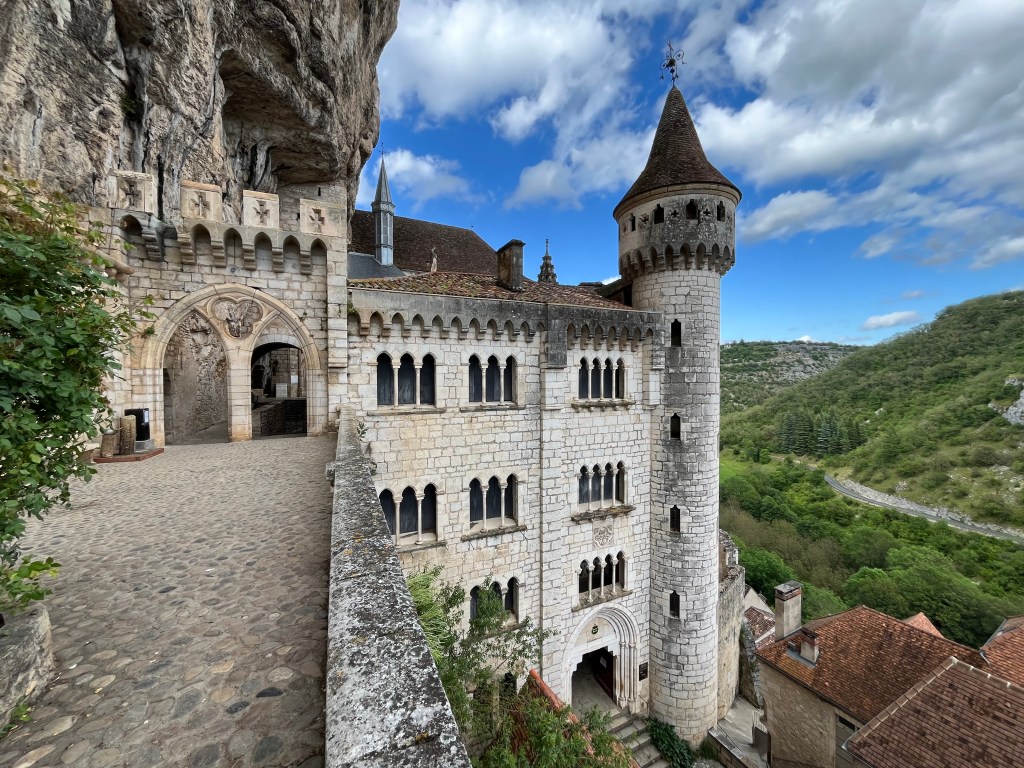
We spent the night here, right underneath the main pilgrim stairway, and again, once the day tourists had left and restaurants had closed, the village was totally quiet.
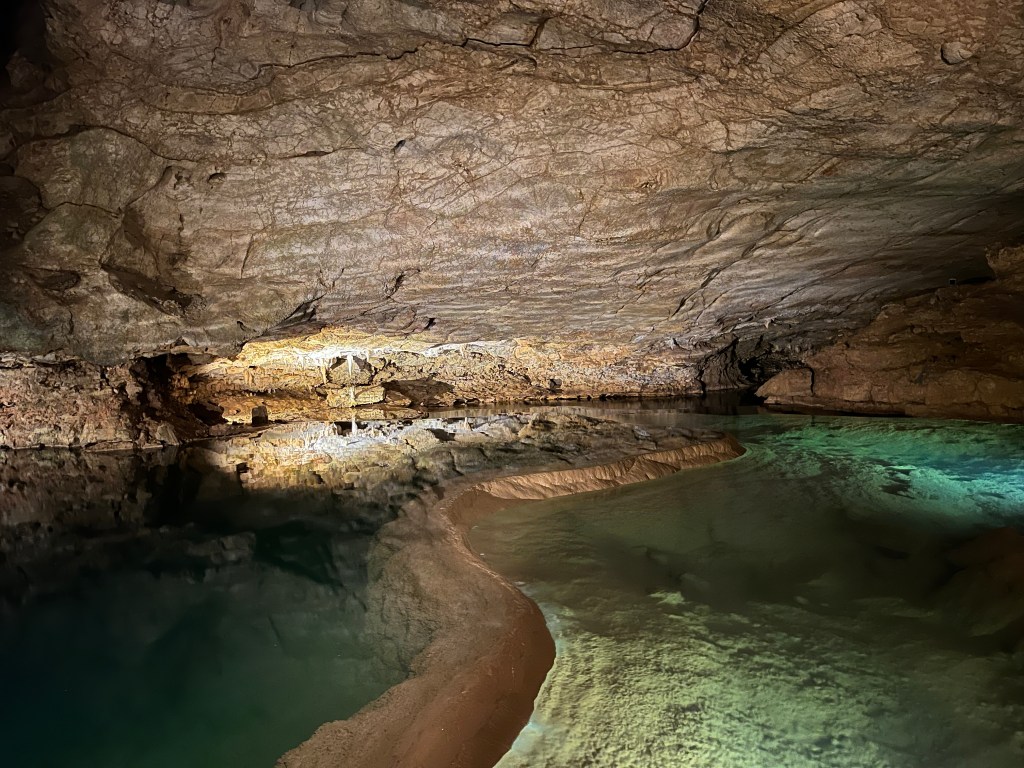
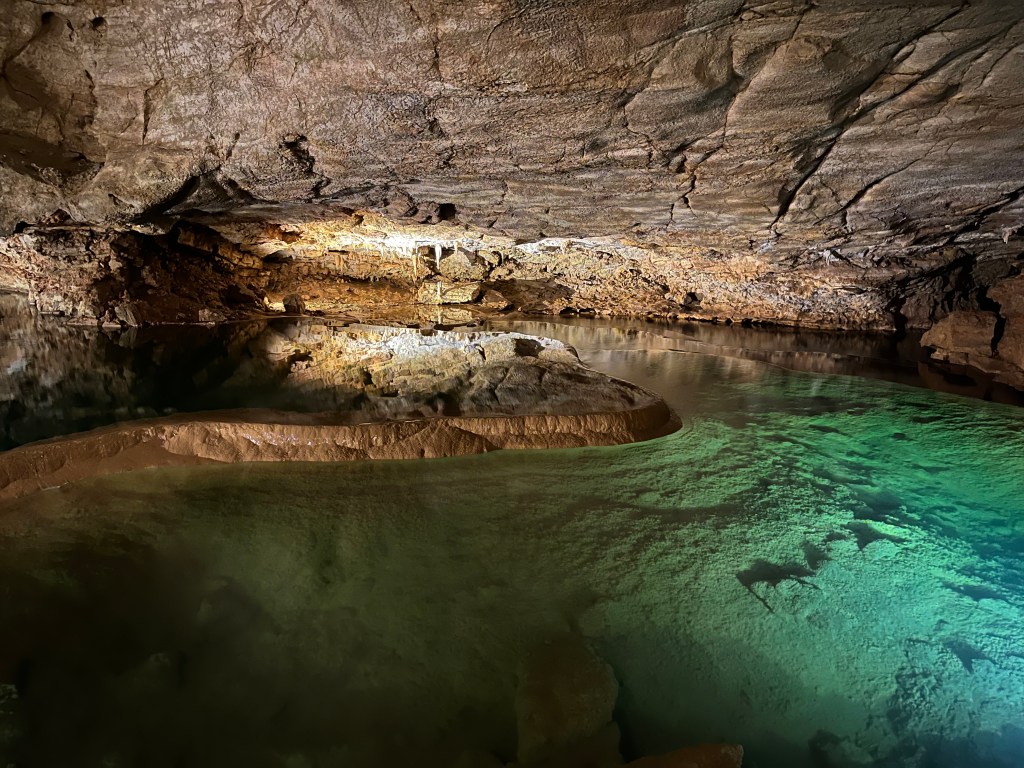
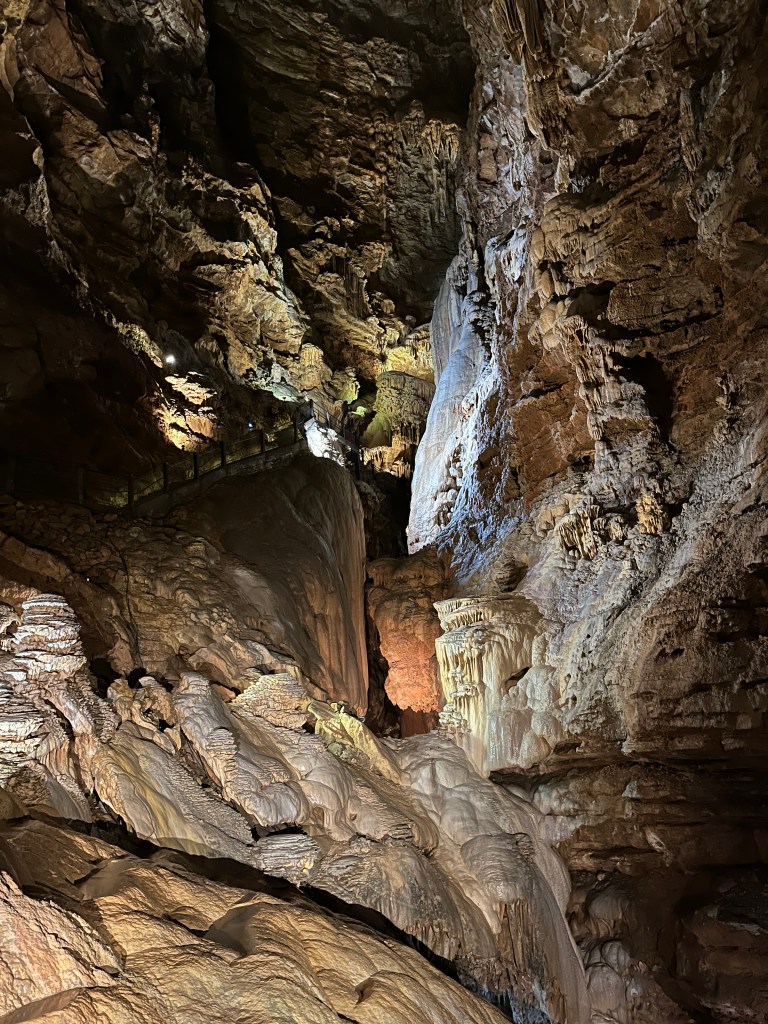
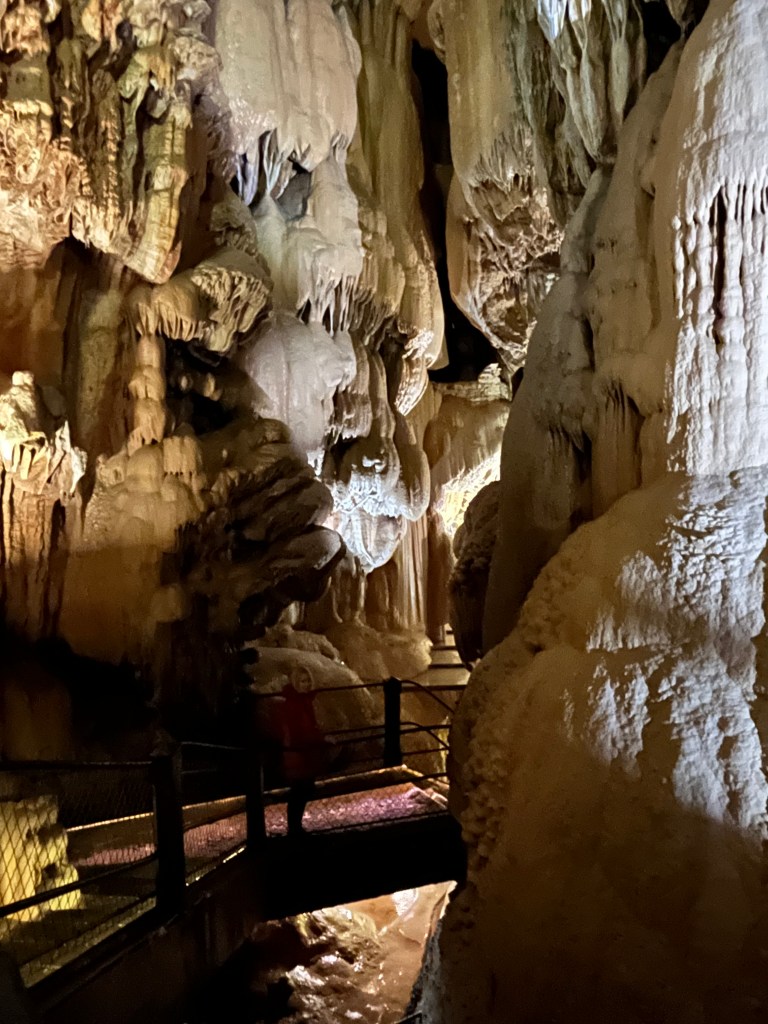
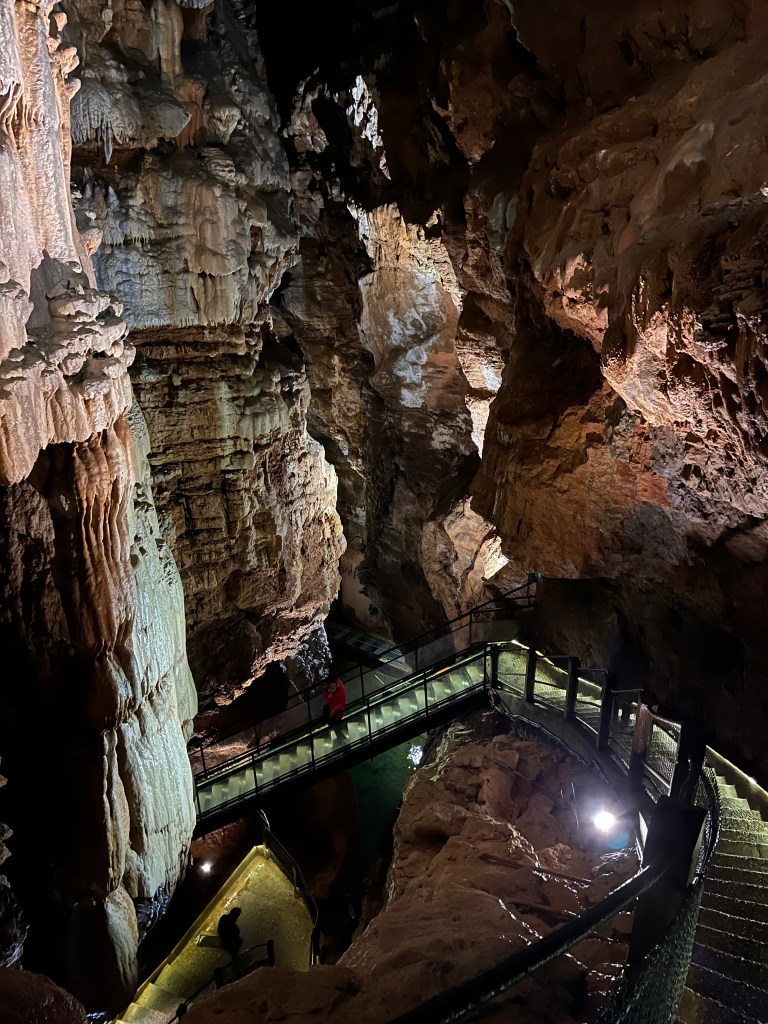
The last stop of our tour was a visit to the most visited cave in France, the Groffre de Padirac. The colorful cave galleries are a spectacular site, with ceiling heights reaching 300′ in places. An underground river with numerous ponds and terraces are part of the attraction and tour. One can wander freely over trails and staircases of 1.5 mile in length, while the total cave’s chasm system runs for 25 miles. Truly an impressive site! Again, the tour, which needed to be booked well ahead, was organized and run extremely well.
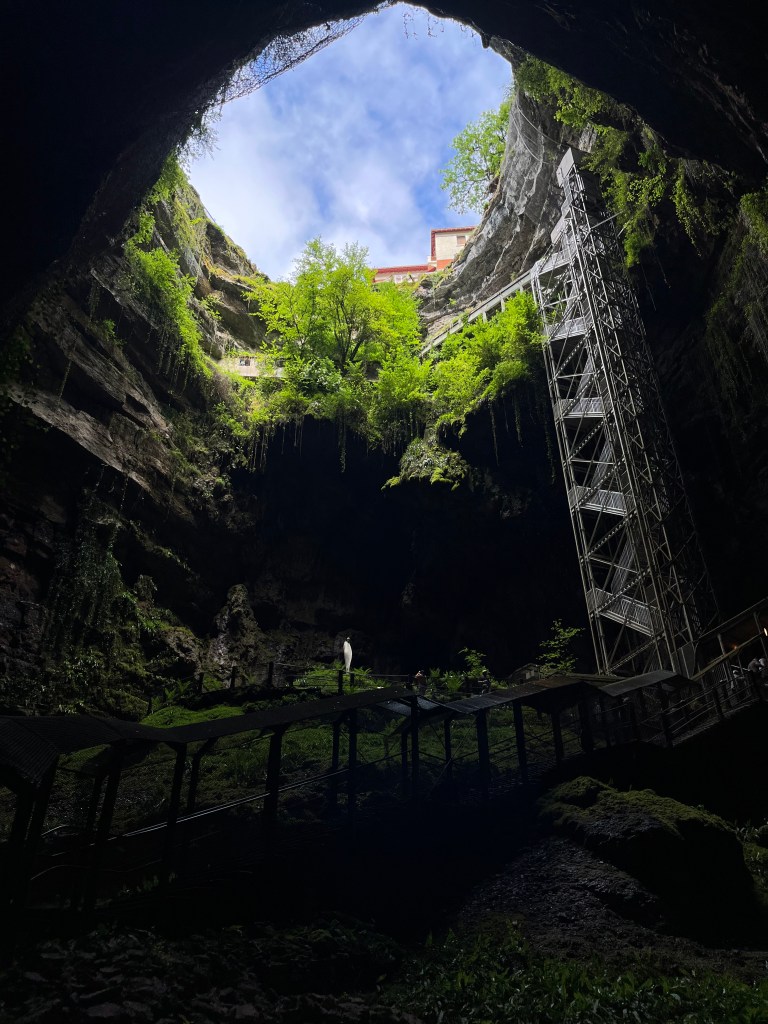

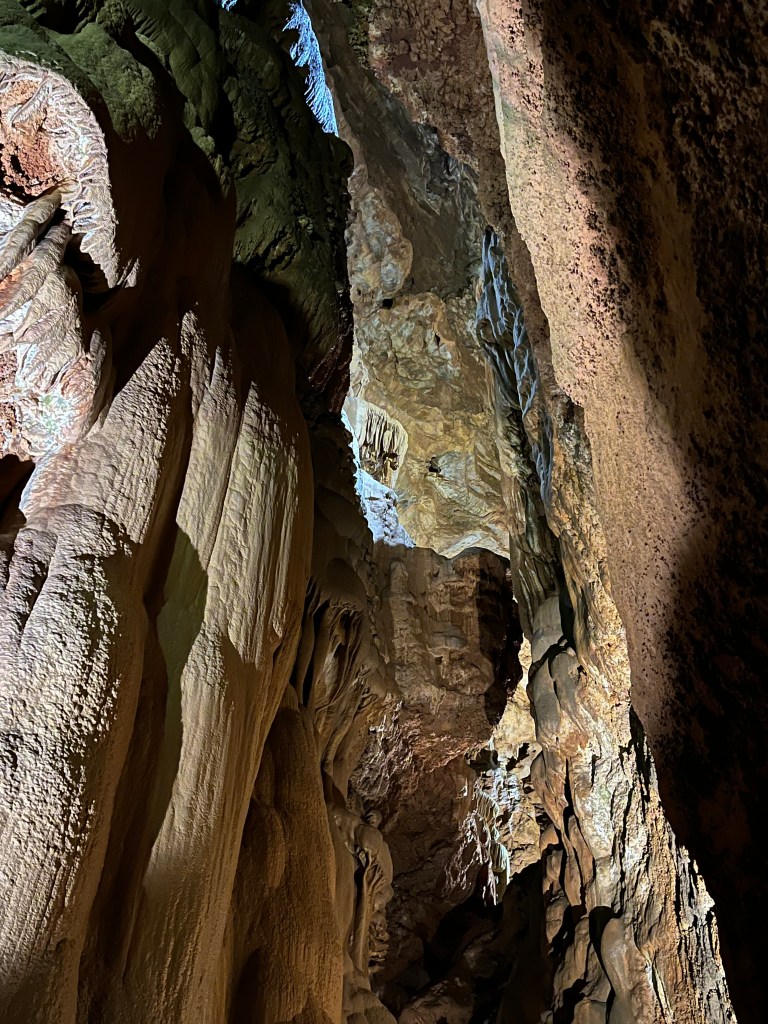



One last thought: Based on the numerous large and mostly empty parking lots we noticed during our trip, one can imagine how busy this area gets during July and August, when all of France is on vacation and most tourists from around the world arrive. We came at a good time!


 Barney & Lauri's Burgundy & Beyond Adventure
Leave a comment