
Lauri & I have enjoyed traveling to France since the 80s. Ten years ago, after our 2013 trip to Provence, Lyon, and Burgundy, the idea to live in France for retirement germinated. We knew we loved France, yet we didn’t want to be too far away from family and friends in Germany, nor did we want to be where the summers where too hot for Lauri. We also didn’t want to live in a BIG city, like Paris or Lyon, yet in a city that would offer all the amenities wanted, including good transportation access, a swimming pool and biking options, as well as shopping and a vibrant cultural scene, yet still with the feel of a warm, manageable city that was typical French and didn’t feel too touristy. – Yes, a long wishlist.
Studying from abroad, Dijon made that cut, and Besancon looked like a contender. After our 2015 trip to both cities, we knew that Dijon was the clear choice for us. The beautiful, historical inner city, the oozing of French charm and overall manageability of the city felt immediately right and familiar to us. Besancon, while closer to more outdoor activities, felt too cramped and plainly not French enough in it’s ambiance, likely due to its proximity to Switzerland and Germany.
In 2017 we stayed for another full week in Dijon and scouted the area and real estate options, AND, basically did the same in 2019 again. Our planned 2021 trip was postponed due to COVID, and during our 2022 trip to France, I caught COVID on the flight over, which shortened our Dijon stay from 7 to 4 days, before heading to the Loire Valley and to Normandie.
When we were first dreaming about spending retirement years in France, we didn’t really define whether that would be for a few years or longer. We weren’t sure whether we wanted to buy, or rent a place, nor whether that place would be a house in the vicinity of the city center, or an apartment within the city. All that became more clear to us over time, resulting in our current apartment we live in.
Dijon dates back to the Neolithic period (10,000 – 2,000 BC) and was named Divio when it was a Roman settlement on the road between Lyon and Paris. The Burgundians were an early Germanic tribe/group of tribes, along with the Alamanni tribe, and first appeared in the middle Rhine Region, adjacent to, east of the Roman Empire (250 – 300 AD). After defeat by the Romans in 436 AD, they were resettled into eastern Gaul, into a Region we now call Burgundy.
Between 843 AD until it’s annexation by France in 1477 AD, Burgundy, was reigned by the wealthy Dukes of Burgundy (Duc de Bourgogne). Through annexation and smart marriages the Burgundian State, Burgundy, became one of the largest ducal territories in Europe, covering rich territories like Flanders, Holland, Luxemburg, Middle Franc and Lotharingia, down south into the heartland of today’s Burgundy Region, defined by the Cote d’Or (Golden Coast), who’s name Cote d’Or likely arrived from the golden color of it’s fertile wheat fields stretching across the horizon, and the eastern slope of the renowned Pinot Noir vineyards along the Rue de Grand Cru.

Today, Dijon is the seat of the Region “Bourgogne – Franche Comte” and is seat of the Department of “Cote d’Or”. The old city center of Dijon is still defined by the Duke of Burgundy Palace (Palais des Ducs de Bourgogne), and the former and current richness of the Region is still evident today. You see it in the beautiful, public and private buildings, the public parks and swimming pools, and the sprawling public transportation network of buses and trams, all of which the City of Dijon is constantly maintaining and upgrading.


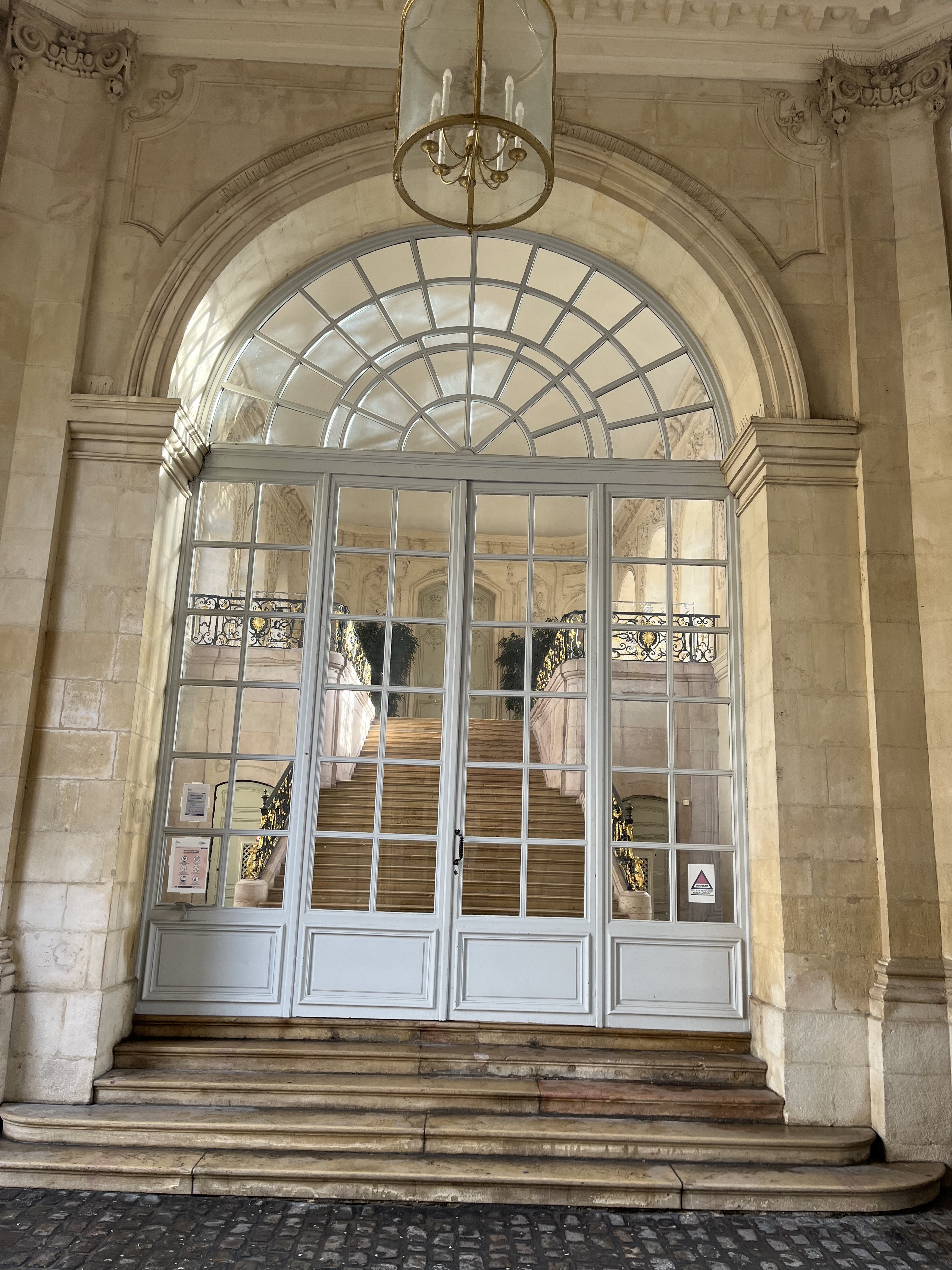

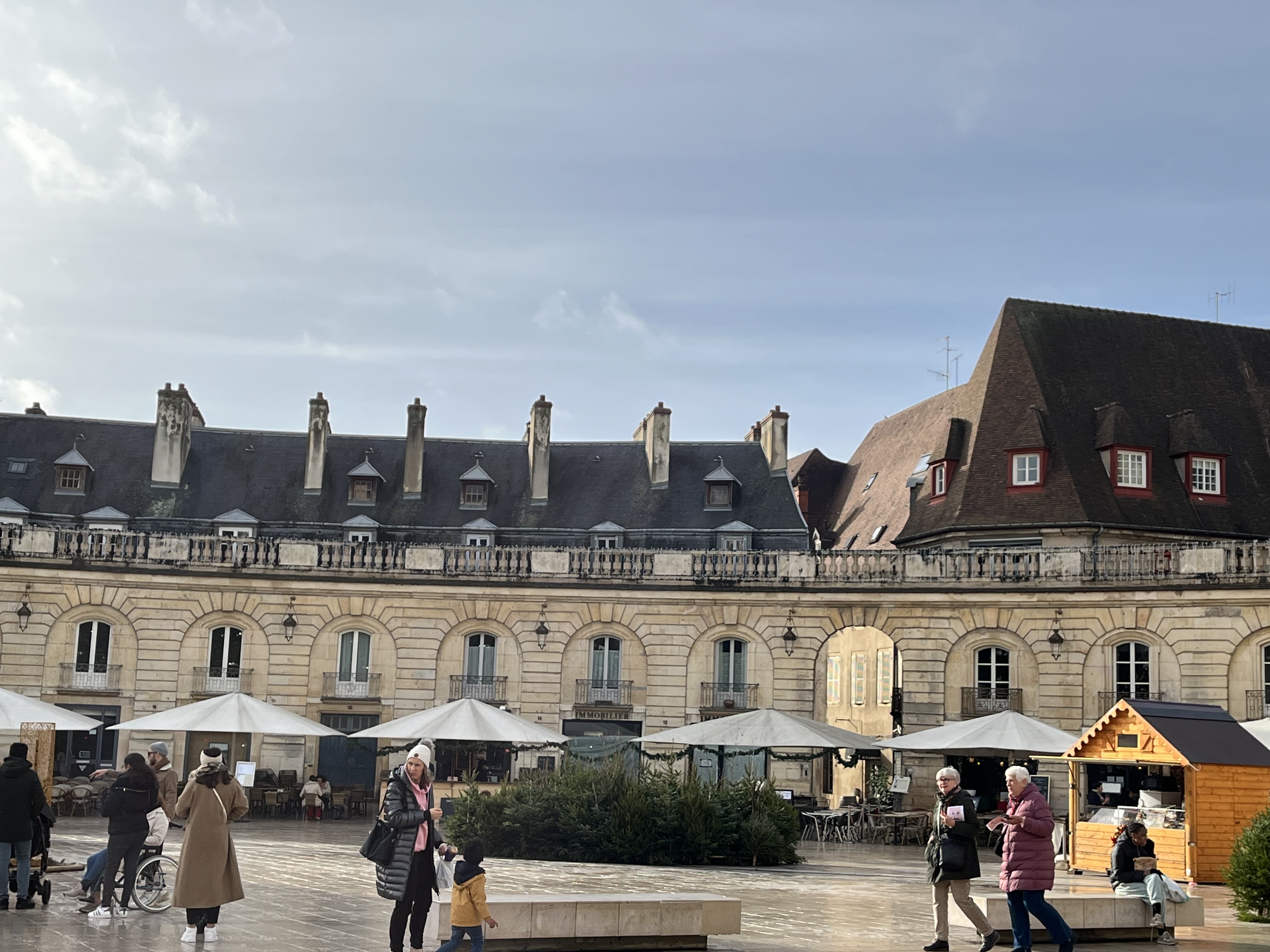
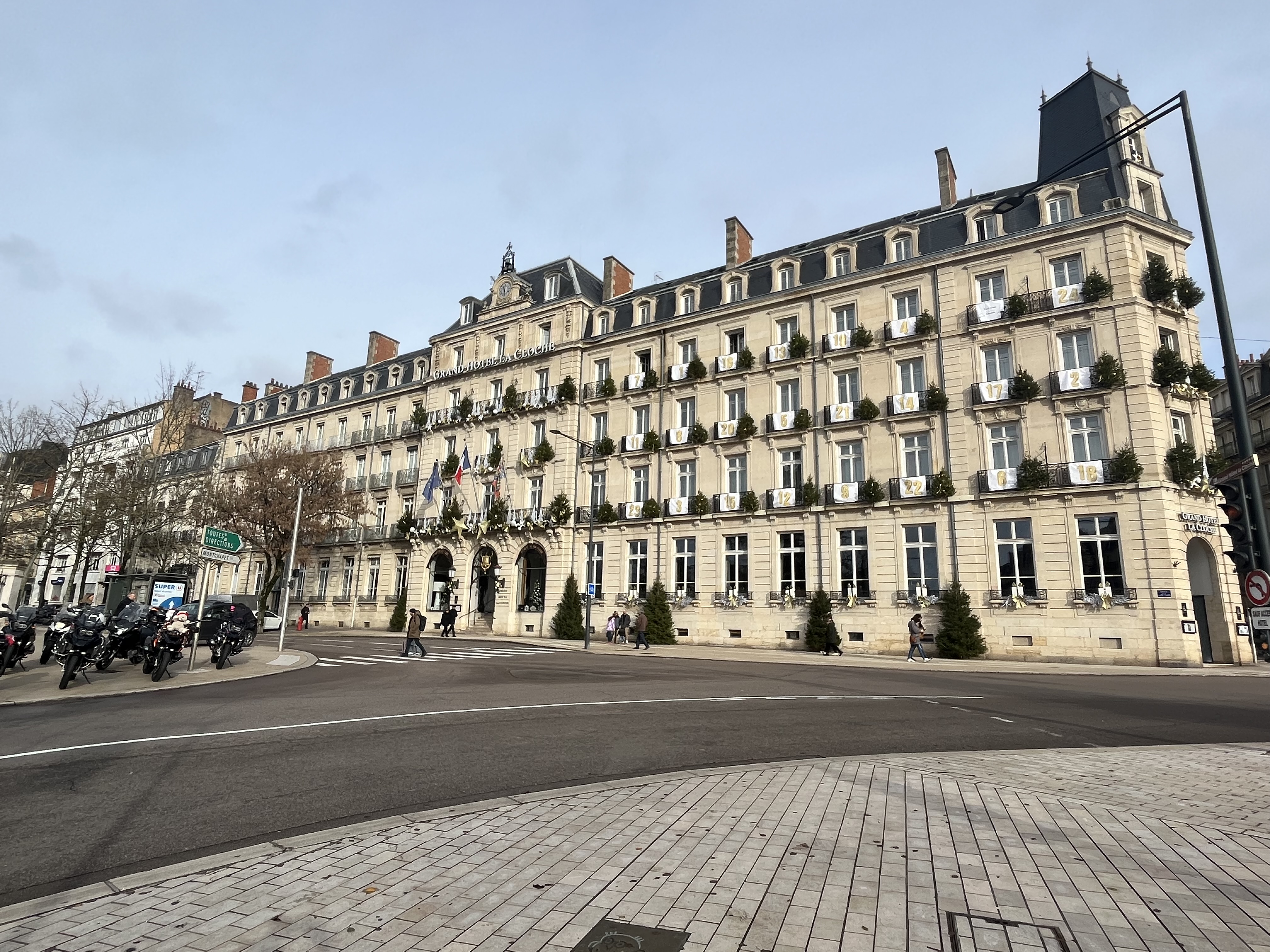
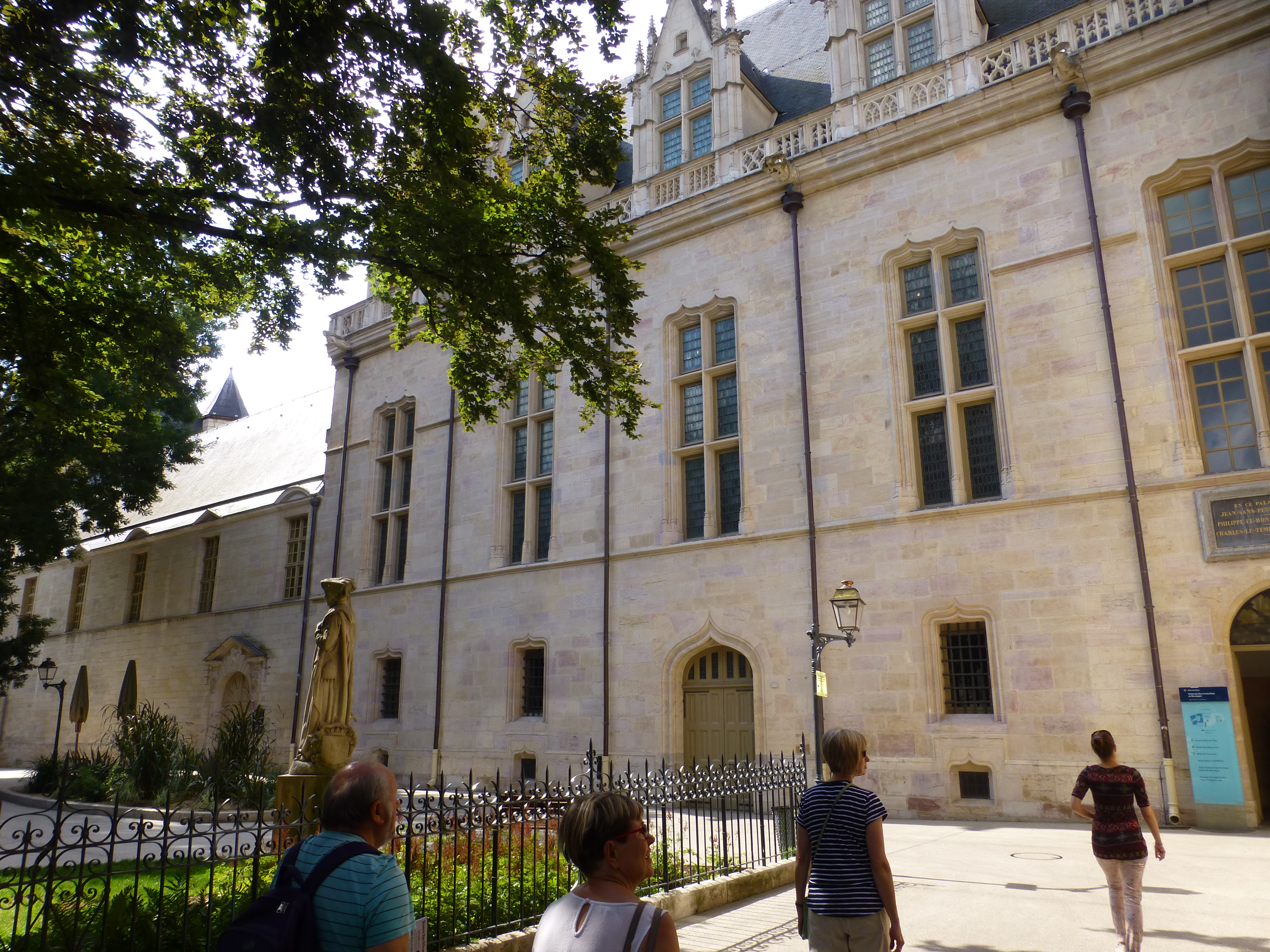

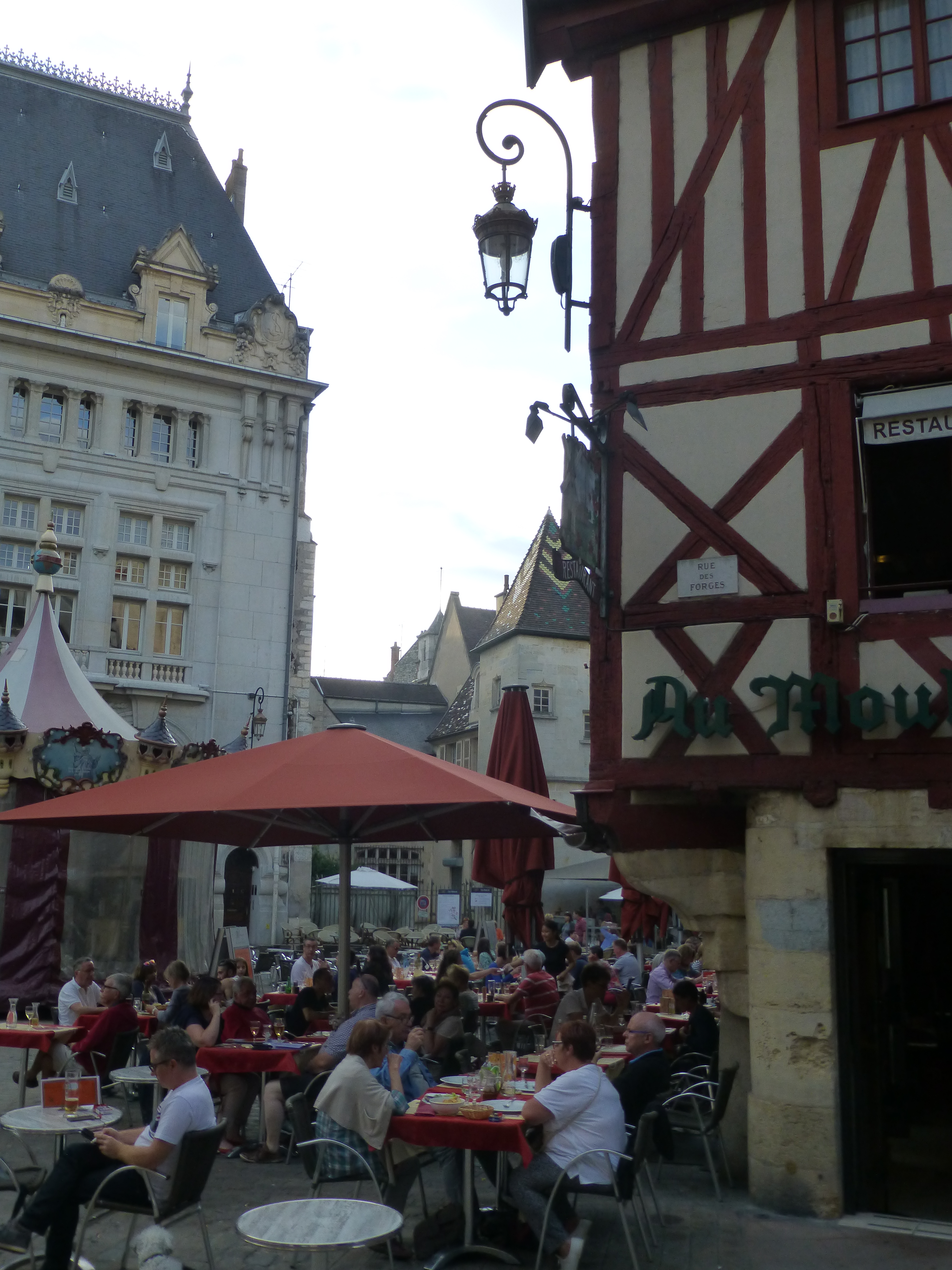
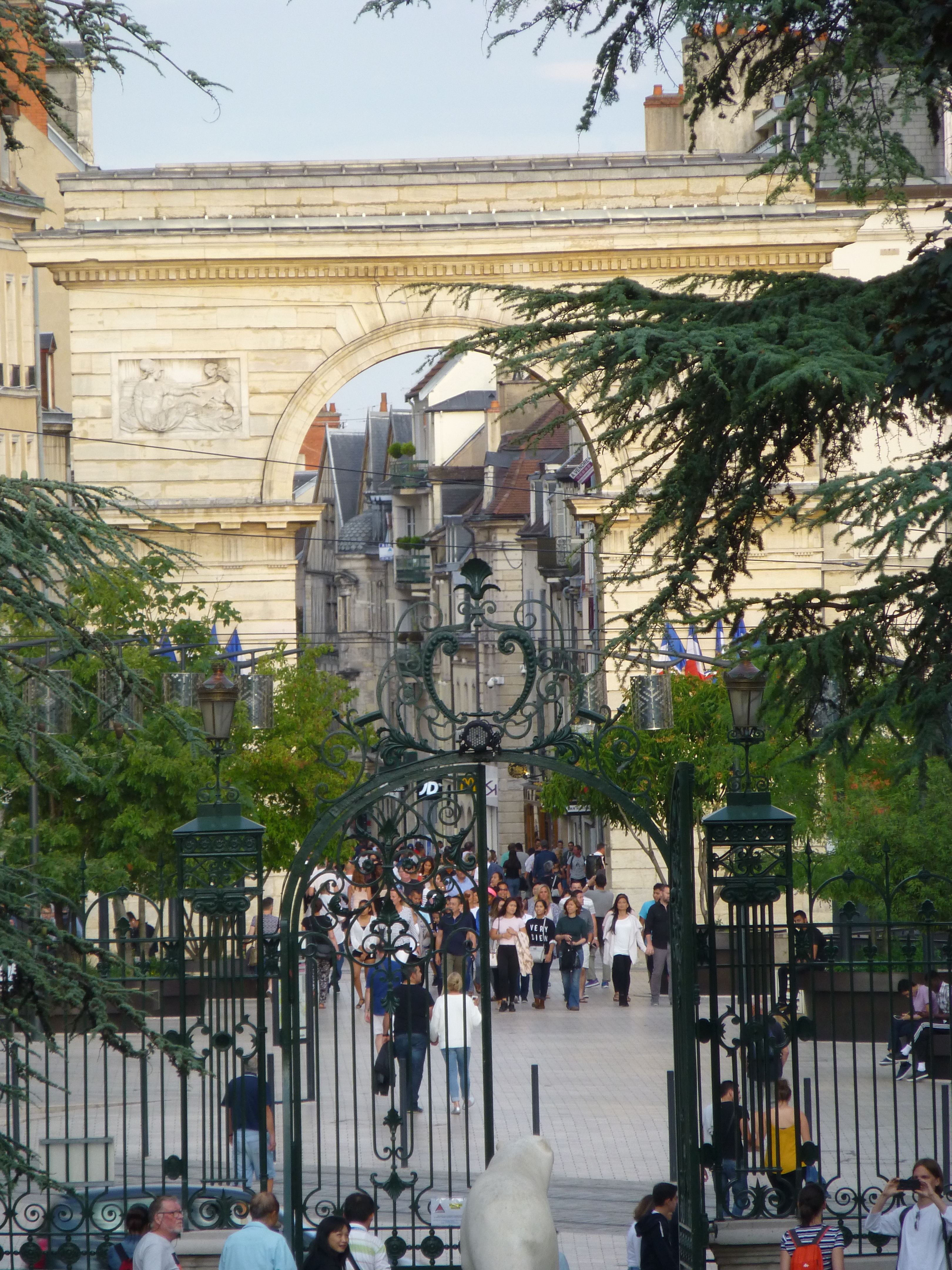
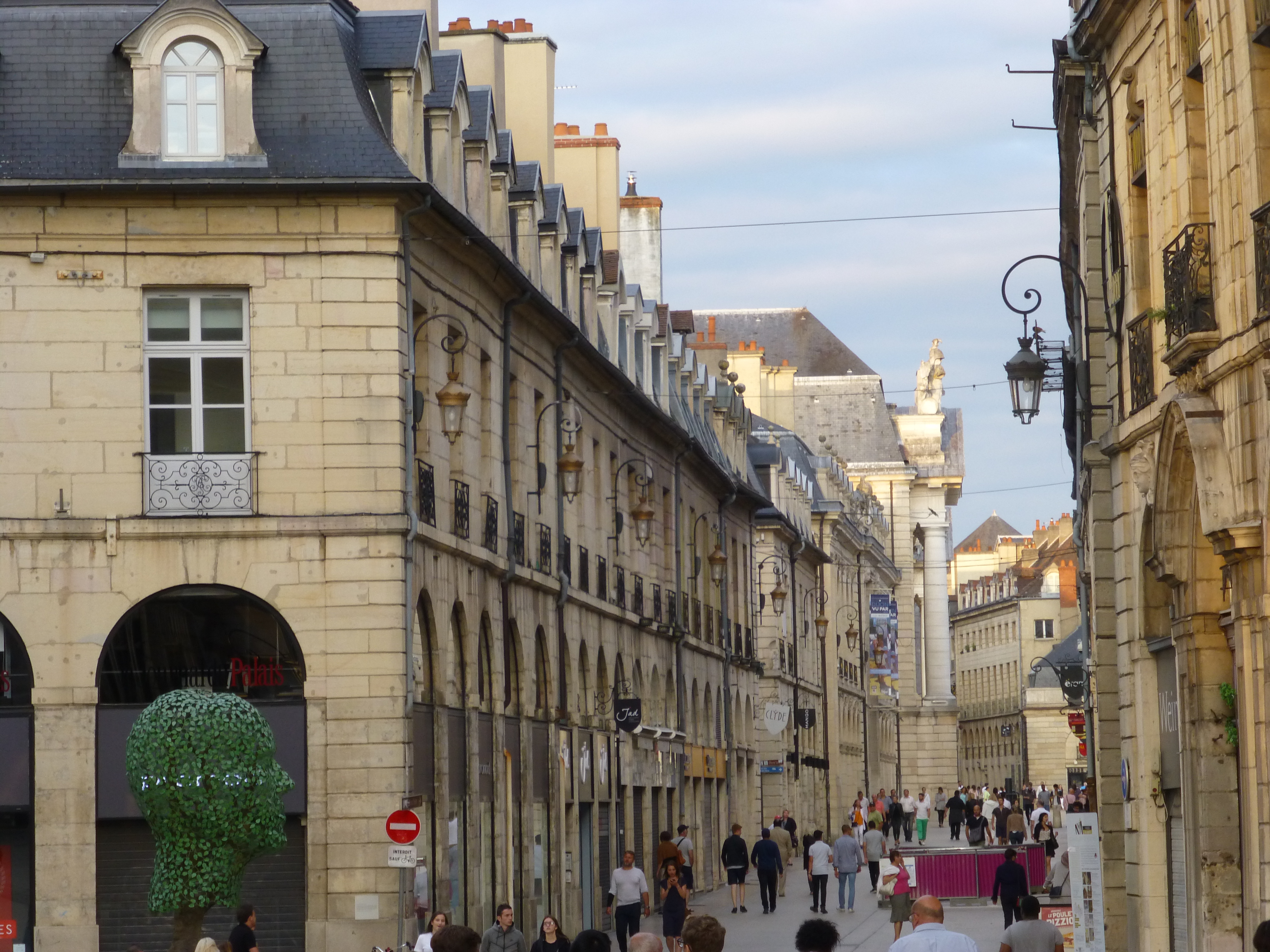
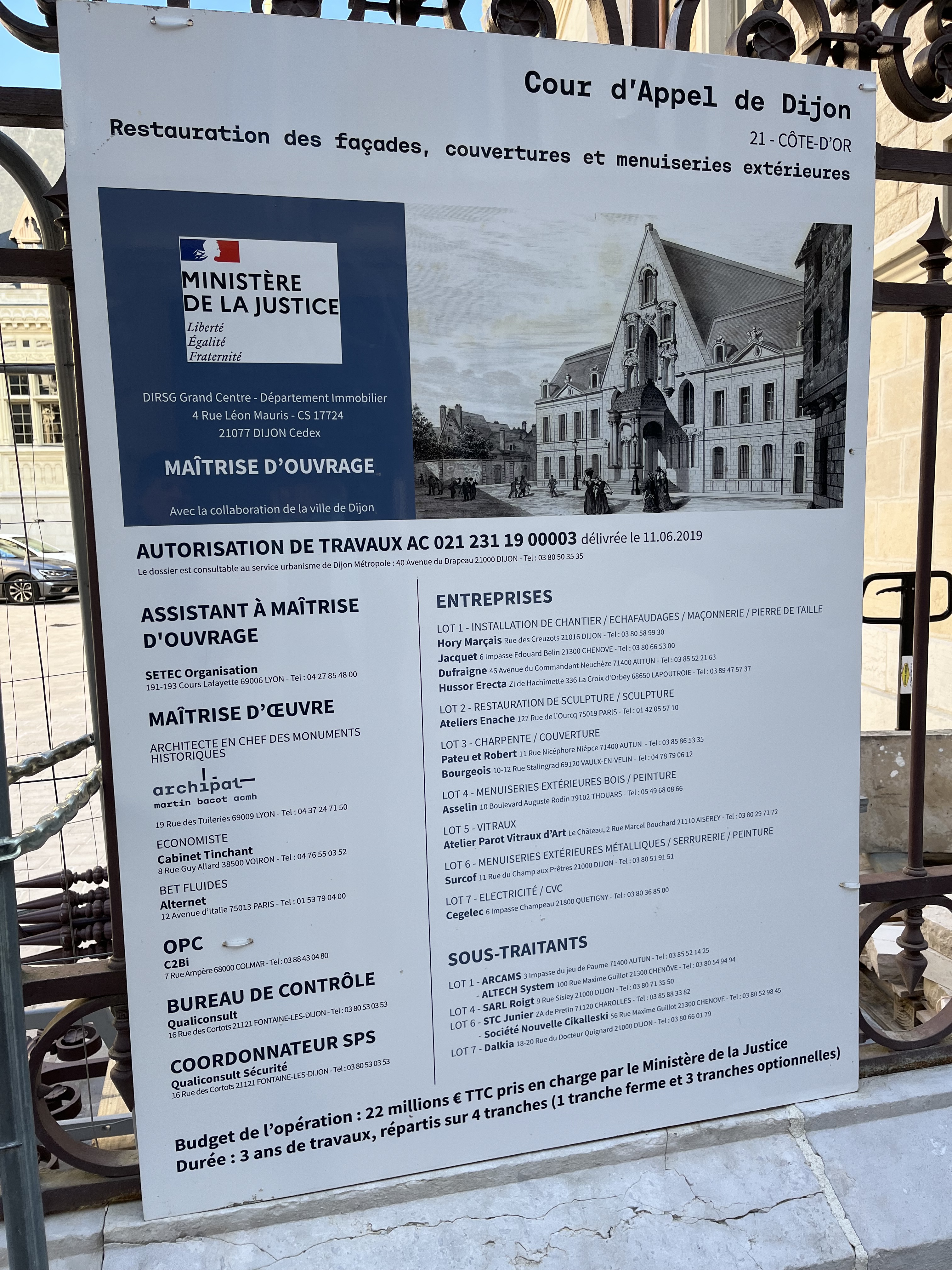
During our stay here we’ve seen several historic public buildings being upgraded. For example, the Musee des Beaux-Arts, which was completely renovated in the last five years, similarly, the regional and county courthouse complex, or the new boat house under construction at Lac Kir, or the Piscine Carrousel where we enjoy swimming. You can also see it in the abundance of pubic employees who daily wet clean the entire pedestrian zone in the inner city, or clean public signs and benches in the parks, or the frequent sightings of city police patrolling the inner city on food or bicycle. Instead of the often observed decline in public investments in other places, Dijon appears to be constantly maintaining and upgrading.
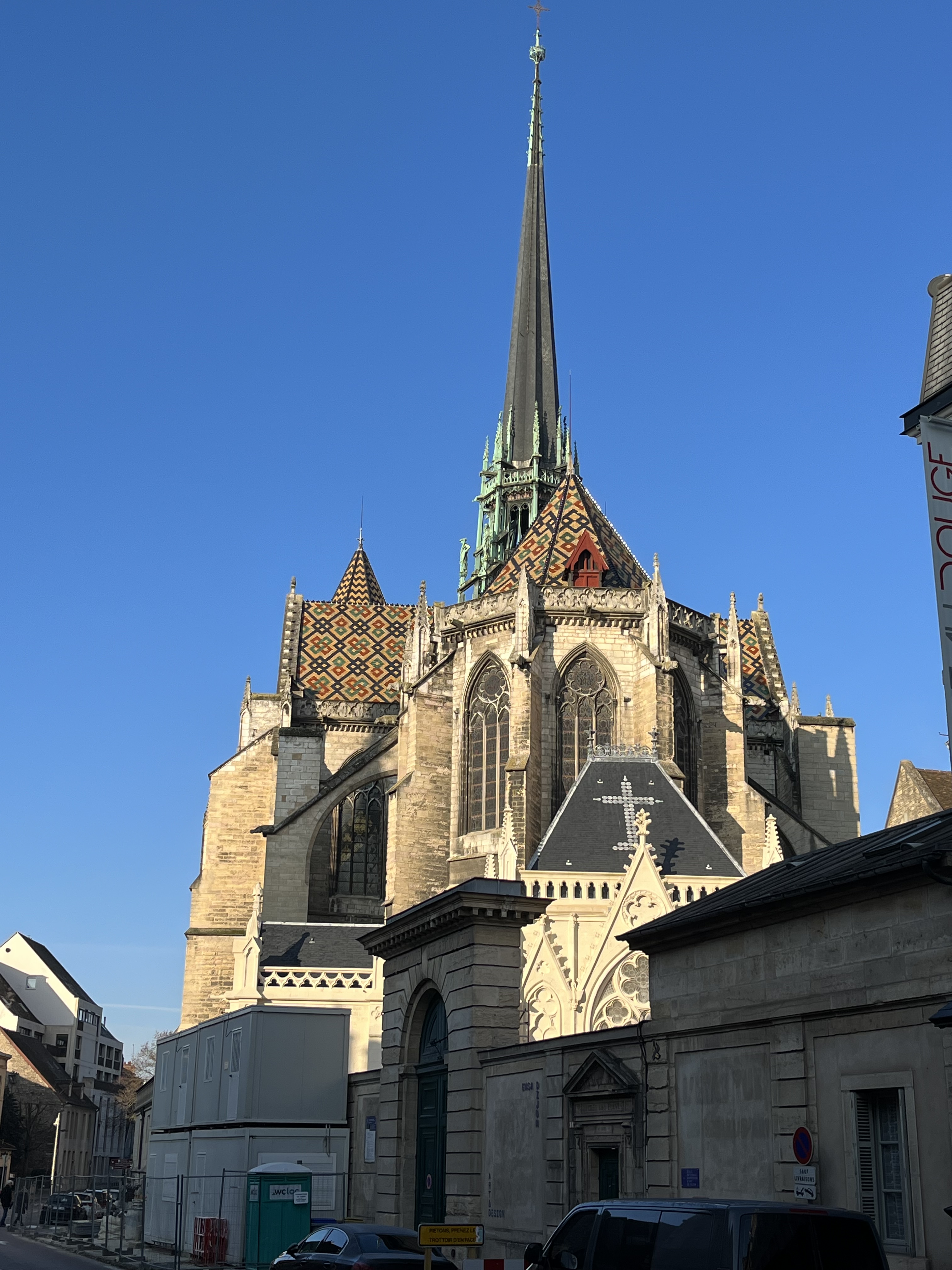




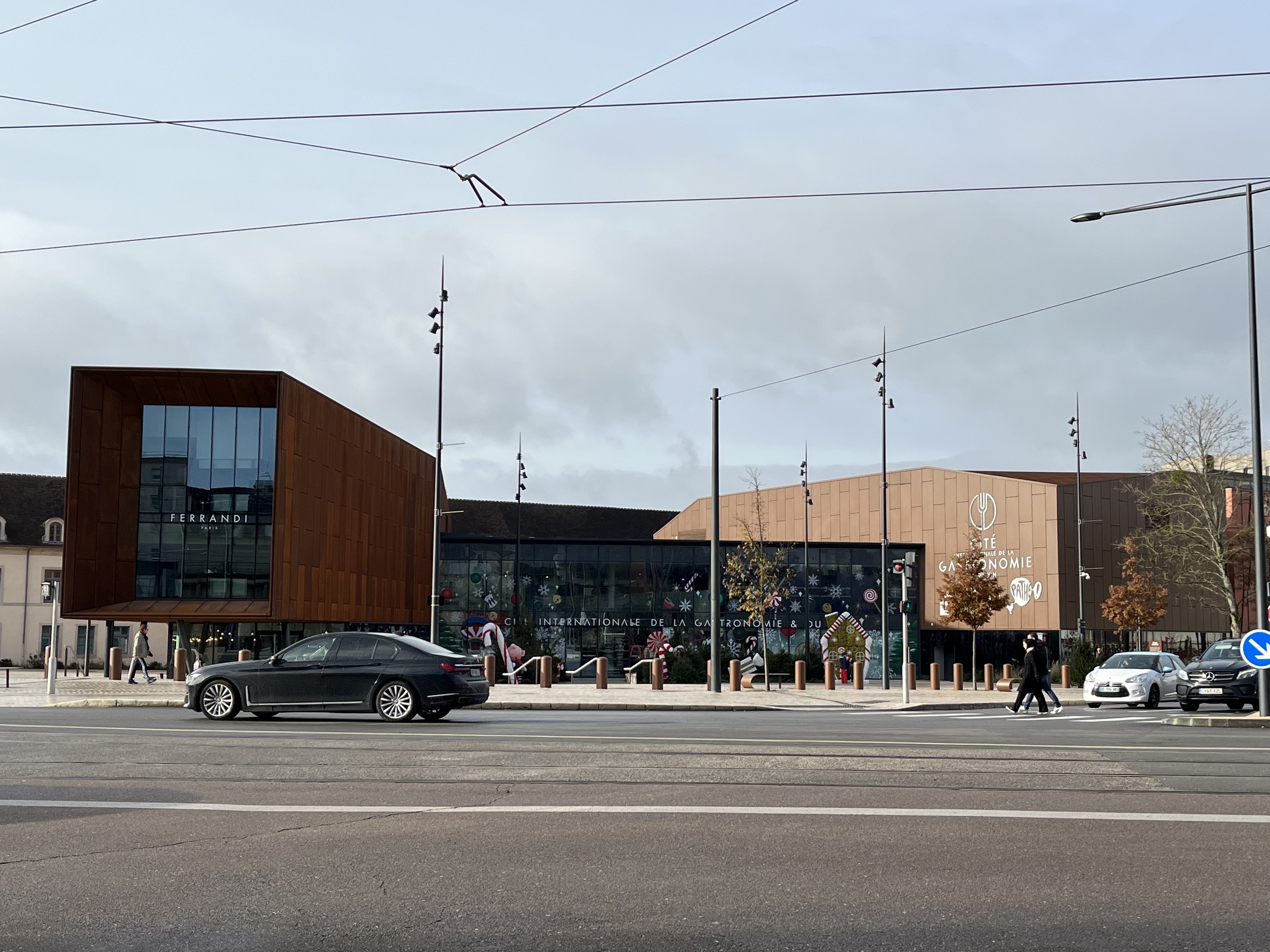
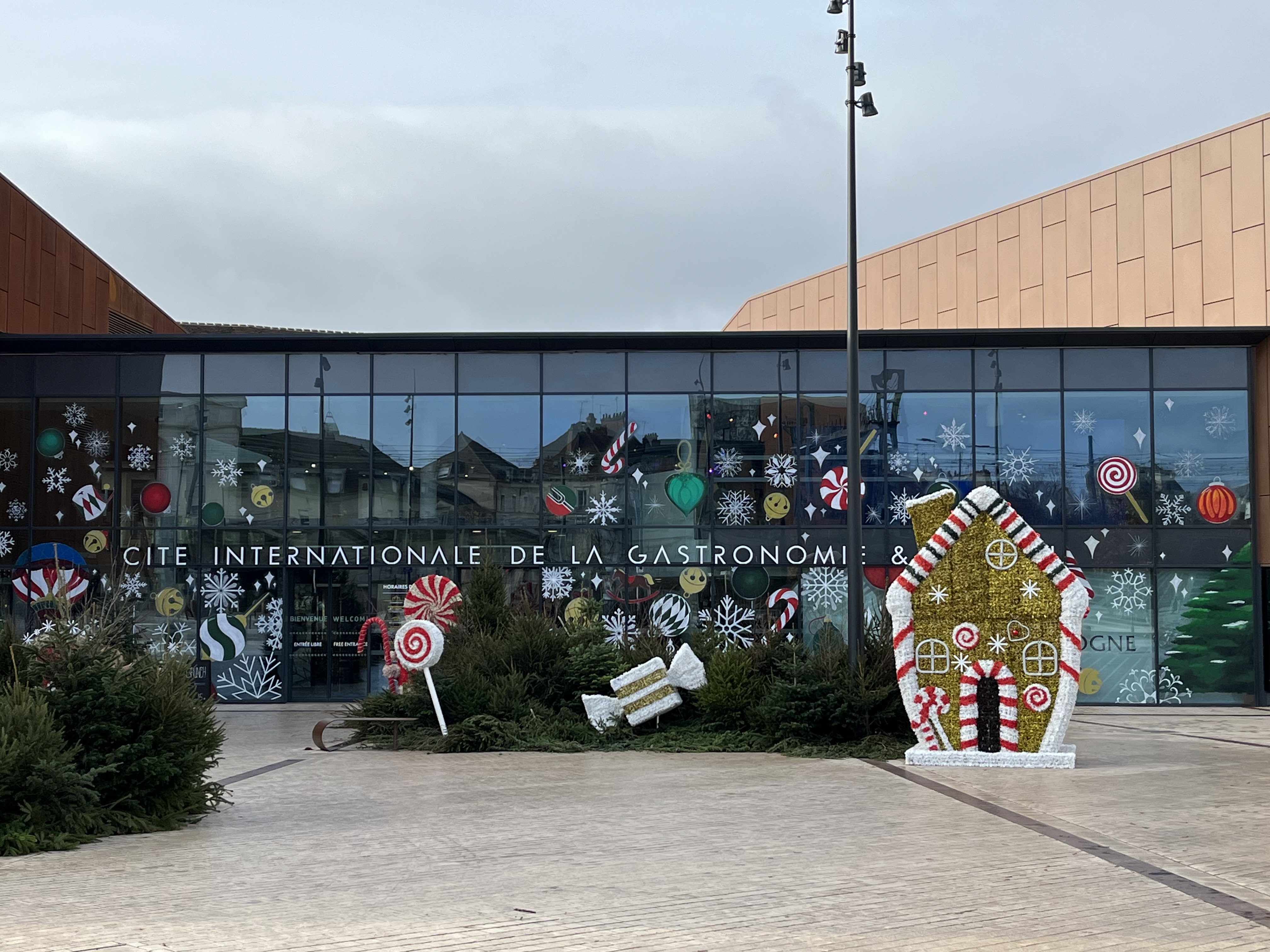
Dijon is also a major center for food and wine. It hosts an annual international Gastronomic Fair, and last year opened the “Cite Internationale de la Gastronomie & Du Vin”, which, with the footprint of a city block, provides educational exhibits, training and conference space, as well as numerous artisanal food speciality shops like Boulangeries, Patisseries, Charcuteries, Fromageries, wine shops etc. To my surprise, all of these stores seem to be thriving, while the entire inner city of Dijon is filled with numerous high end food and wine specialty stores.
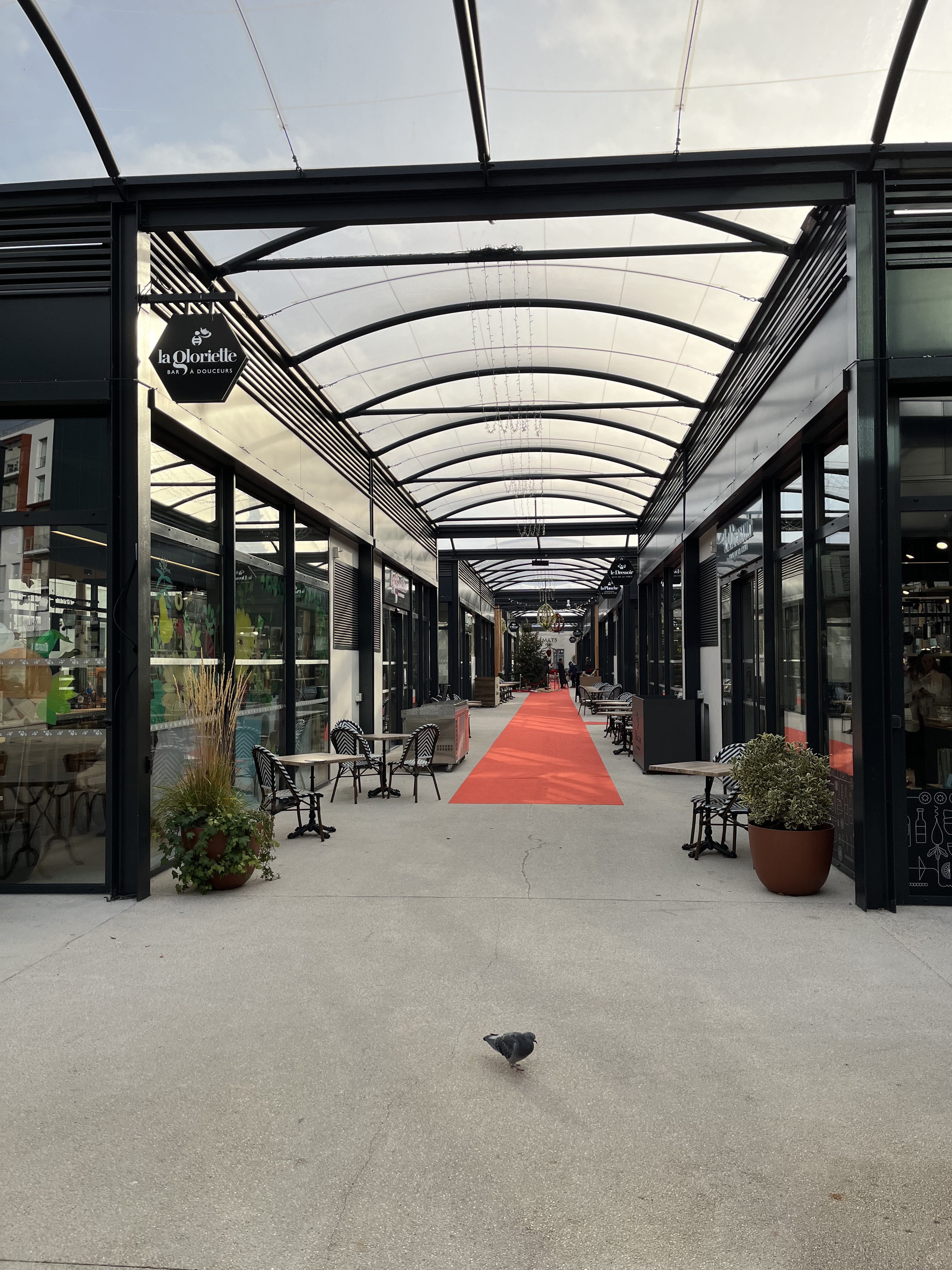


Talking about Dijon, gastronomy and food, one can’t get around passing the mustard…
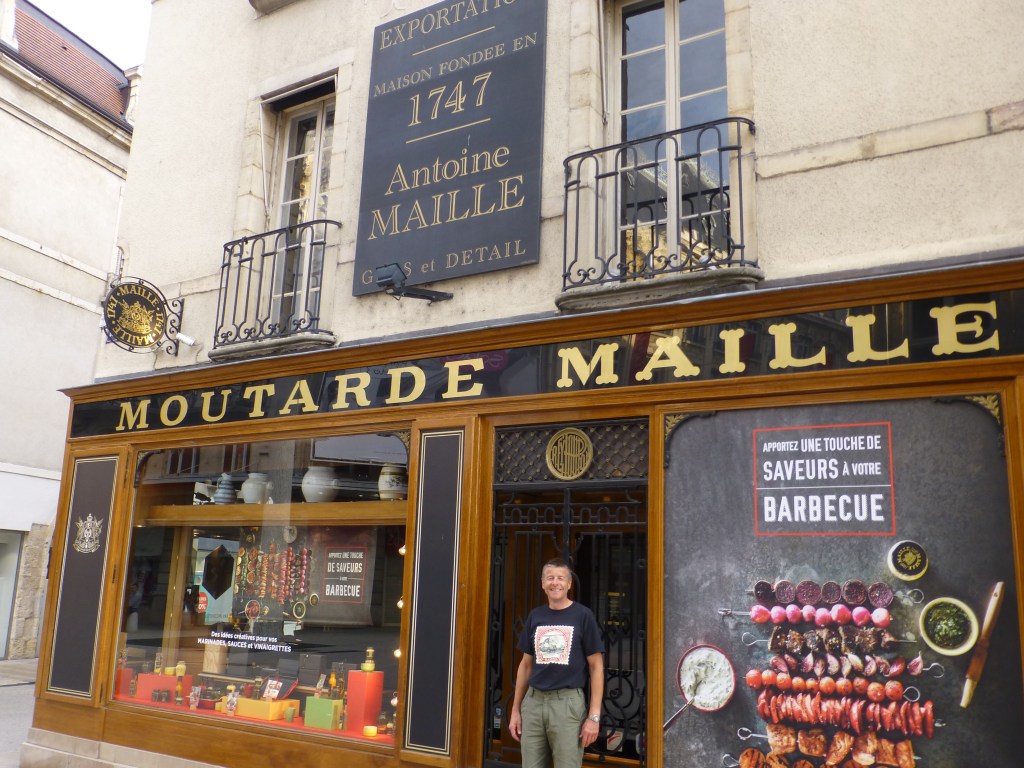
Yes, mustard is what most people associate with Dijon since Dijon was the center of mustard production since the middle ages. Nowadays there is no more large scale, commercial mustard manufacturing in Dijon.
Besides this, Dijon is the seat of the public University of Burgundy (University de Bourgogne) with its 30,000 students. This coming February, Lauri will be one of them, as she is going back to school to take a three week long French language class. – I’ll let her teach me what she’s learned in class …
A couple days ago we drove one hour north to the old fortified city of Langres. This over 2,000 year old city sits on top of a rocky limestone ridge above a big plain, a natural location for a defendable settlement, which the walkable 3.5 km ramparts/city wall demonstrates to this day. While this fortified historic city is worth a visit, my main interest was in learning more about the city’s most famous citizen: Denis Diderot, the French philosopher and prominent character of the age of Enlightenment and comrade of Voltaire and Rousseau.


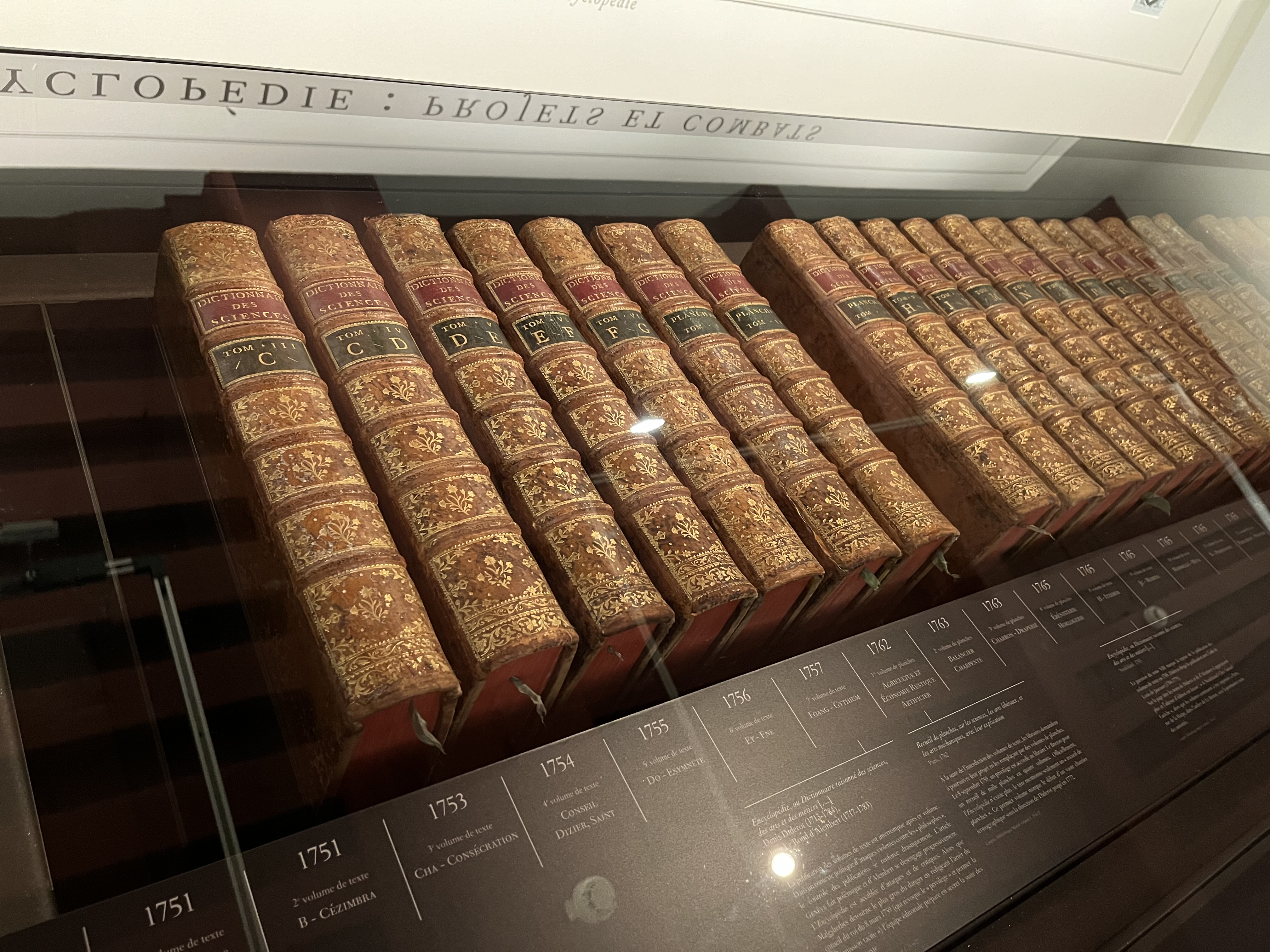
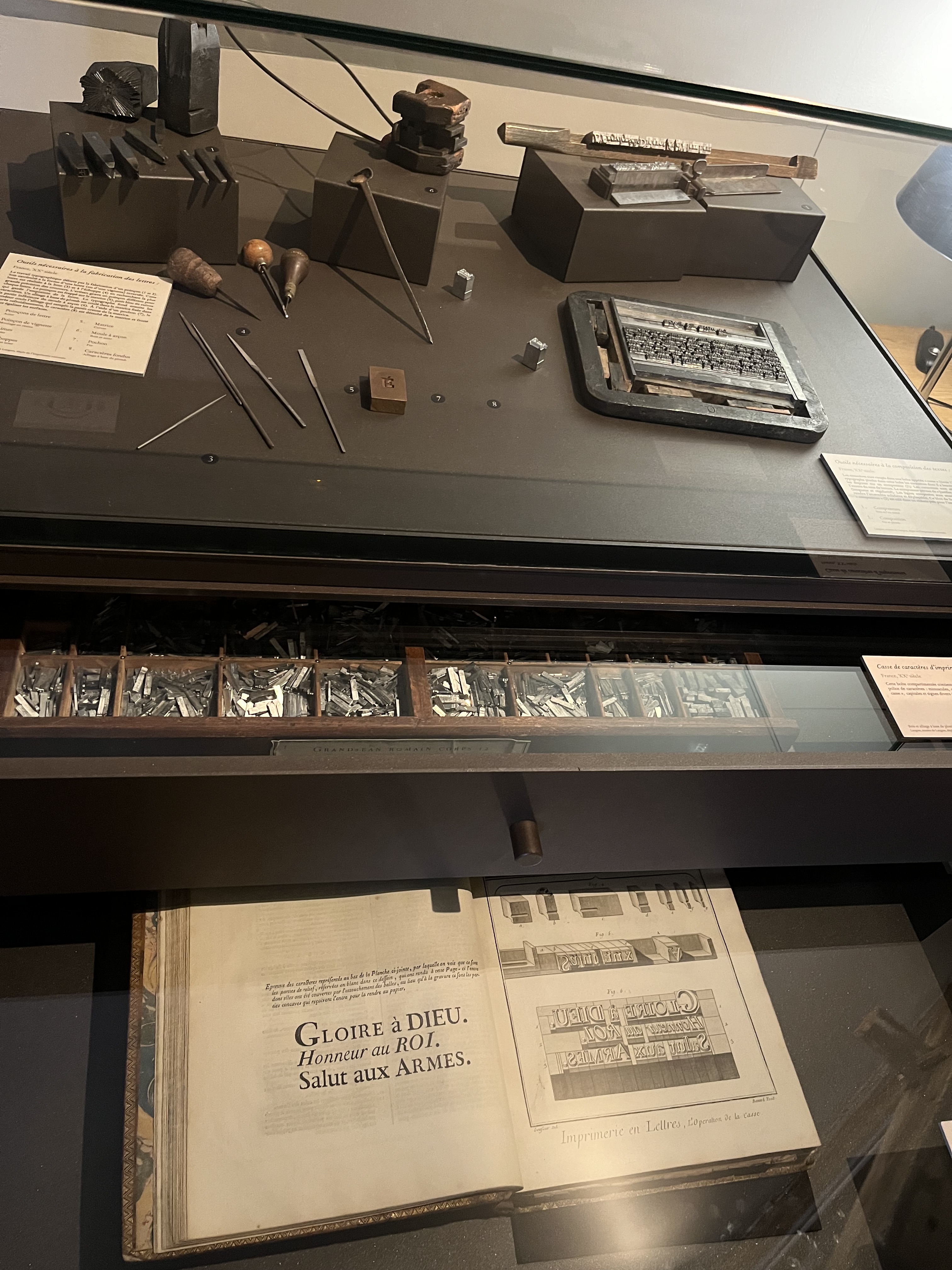
Diderot, was the main author, editor and publisher of the first, all science and arts encompassing Encyclopedia back in 1751. This enormous project, encompassing 18,000 pages, 72,998 articles with 20,736,912 words, 2,885 engraved printing boards for illustrations and 61,700 references, was a milestone merely by it’s technical achievement. Yet it’s main achievement and controversy, was it’s humanistic achievement, enabling every literal person to learn, to study and to reason all of the known natural world sciences and the arts. That this achievement was not welcomed by all, especially not by the church, who naturally preferred to shepherd sheep that wouldn’t reason, is all too understandable. The political establishment and religious opposition to the Encyclopedia was so strong that it even landed Diderot in prison, and the controversy of his project followed him most of his life.
While there seems to be a “Rue Diderot” or a Hotel “Diderot” in most French cities, Diderot is little known beyond France, and it was surprising to learn, that until 2013, when the City of Langres opened the “La Maison des Lumieres Denis Diderot” museum, that there was no permanent exhibit in France to honor this important philosopher.
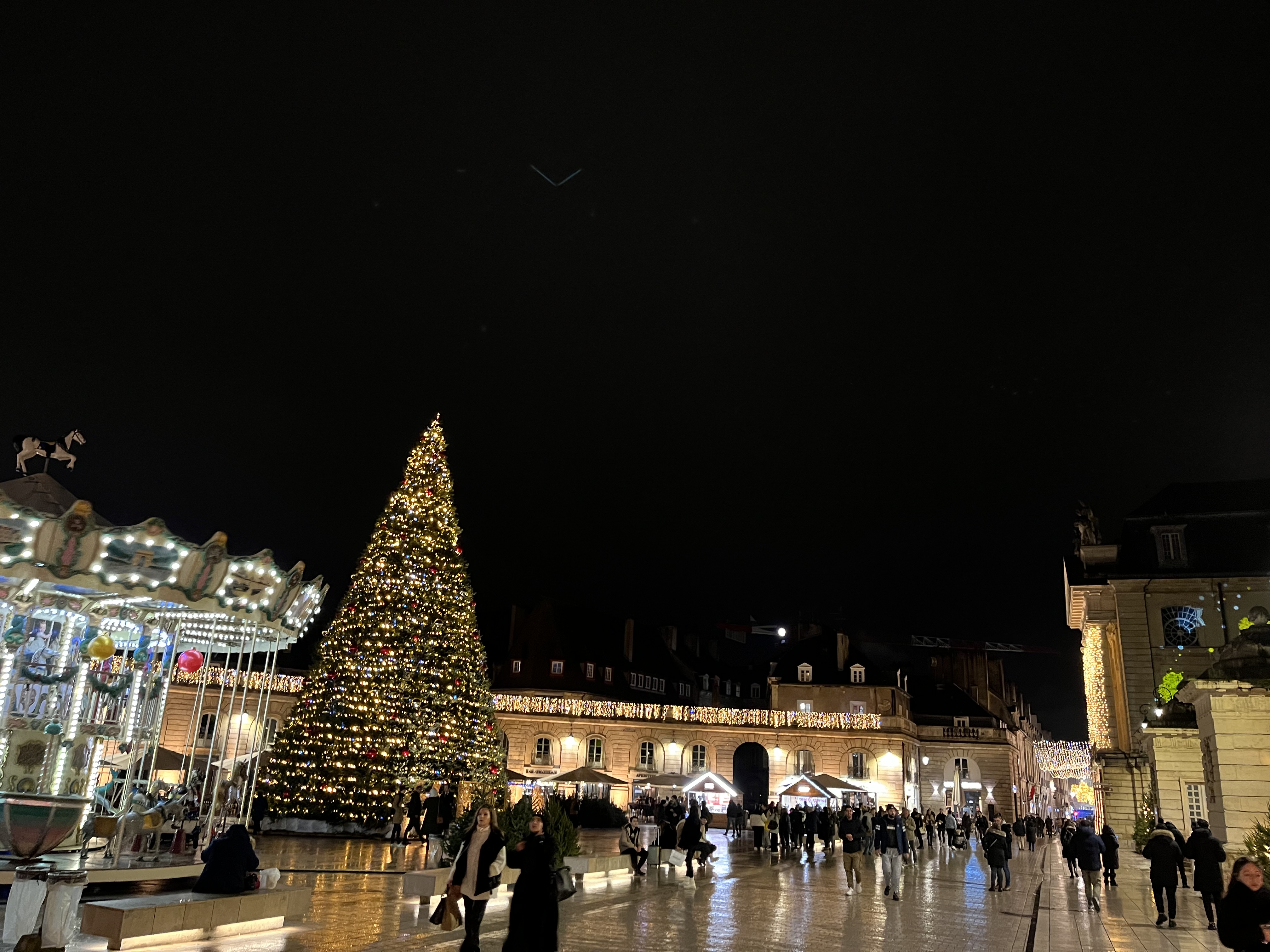
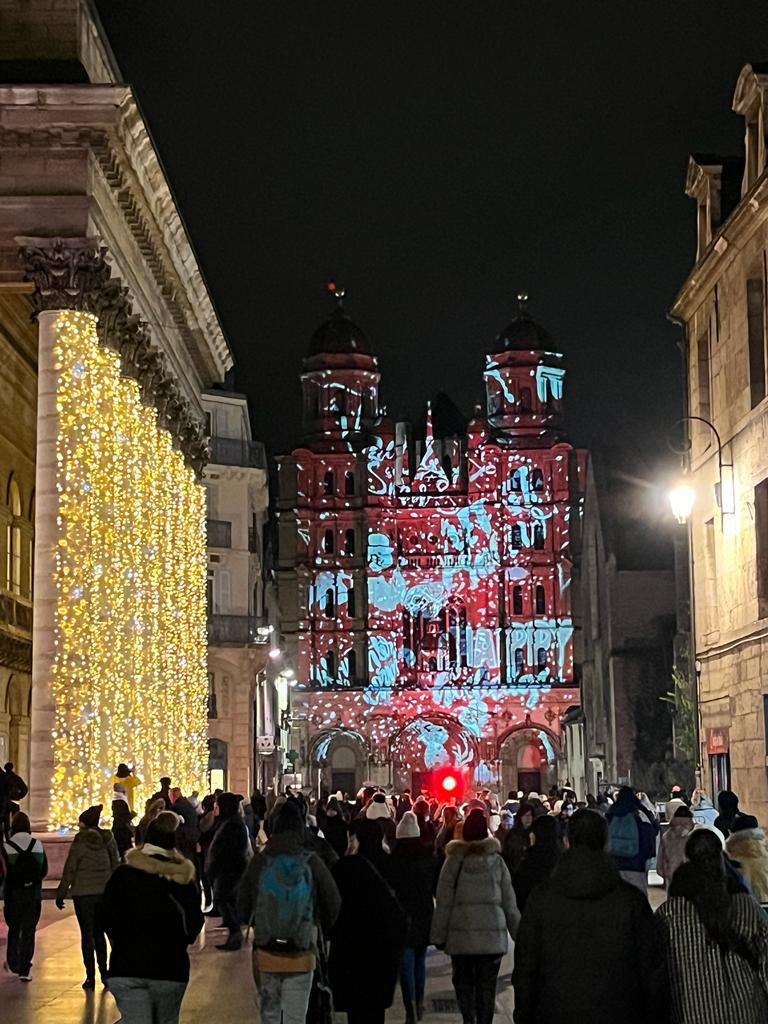
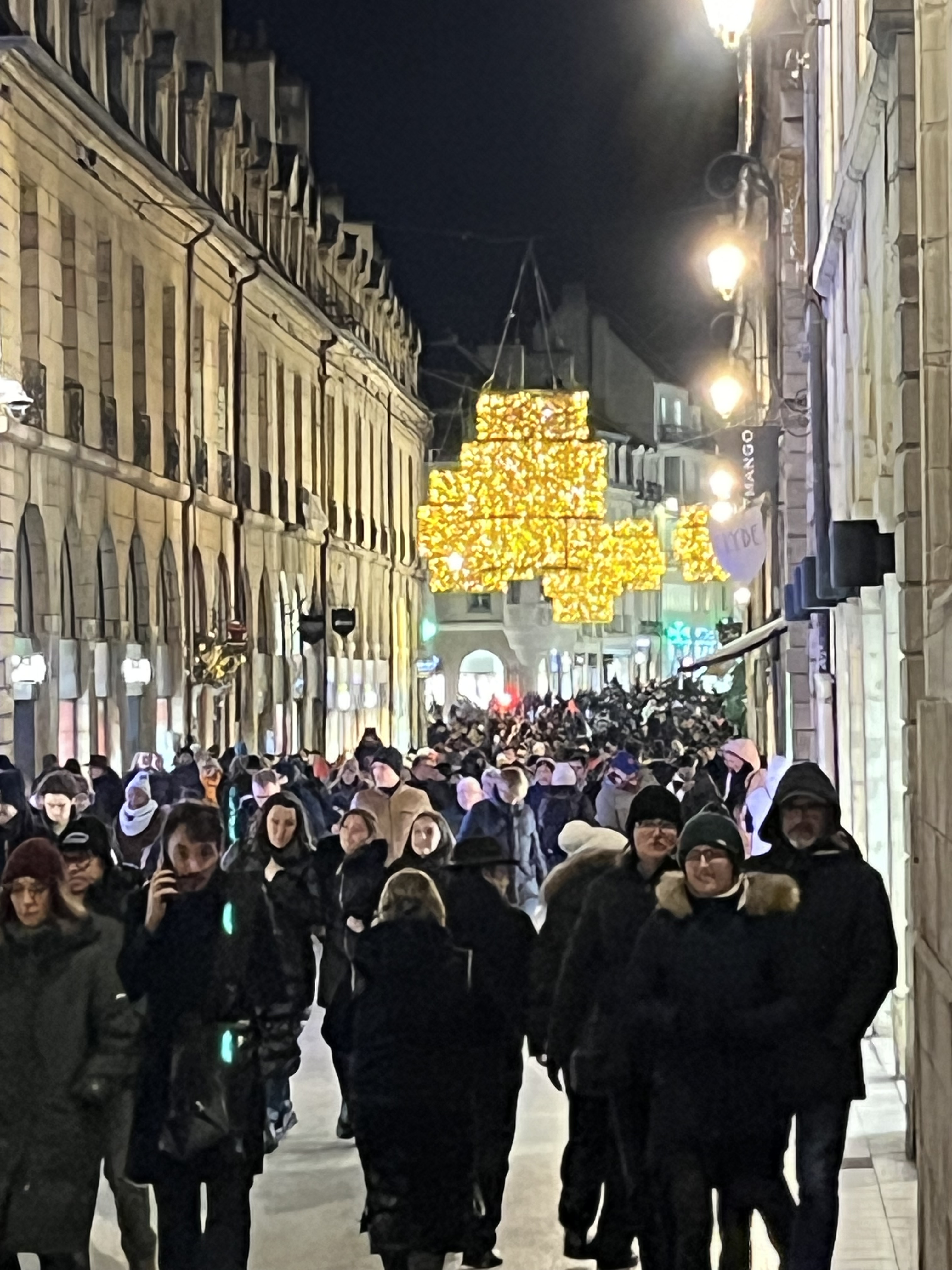
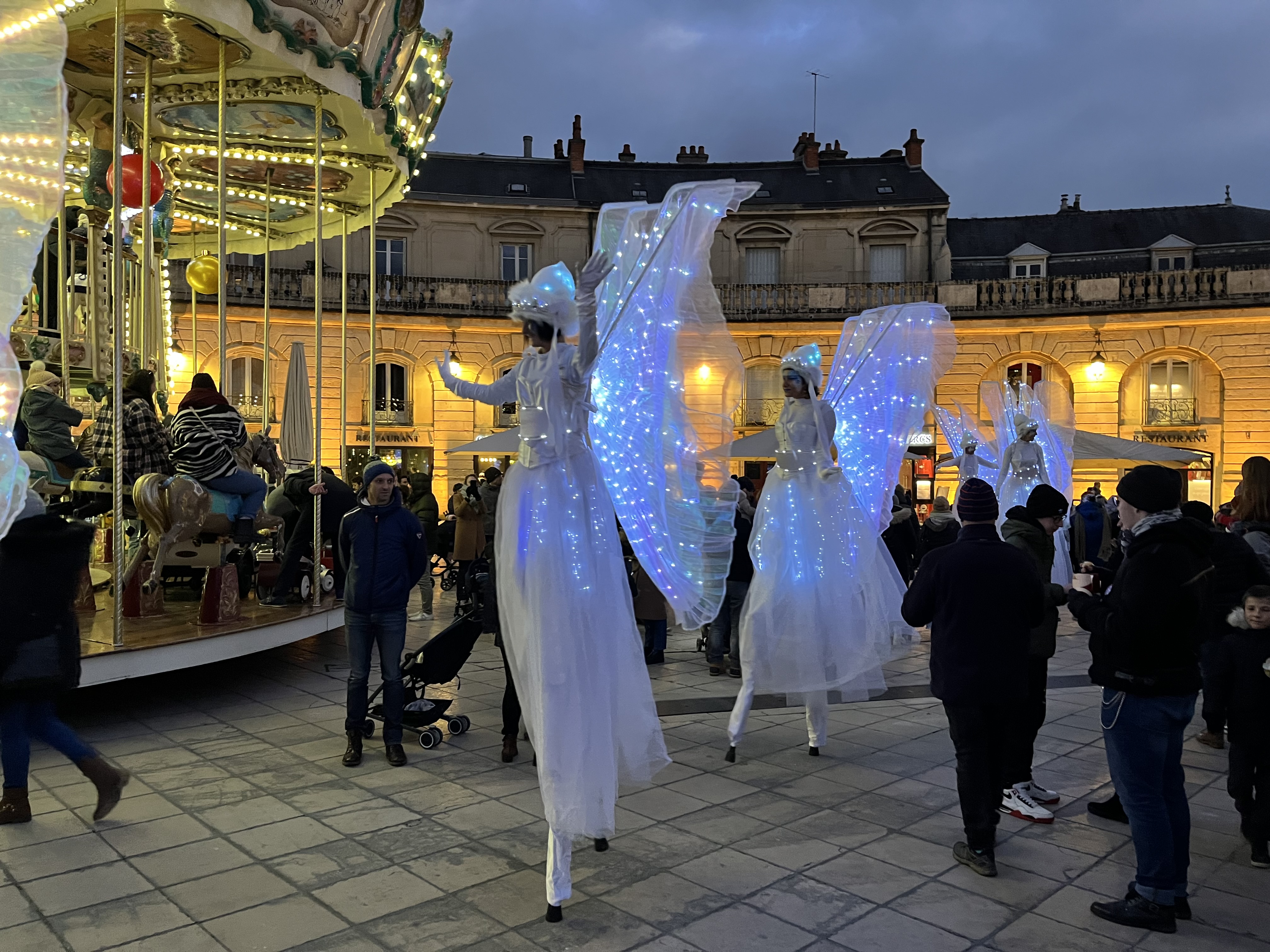
Lastly, here are some Christmas impressions from Dijon. Seems that Dijon’s abundance, chic and sparkle even extends to the festive Christmas lightings and decorations all over the city center. We’re going to celebrate the holiday with my family in Emmerich Germany.
Joyeux Noël et Bonne Année à Tous !




 Barney & Lauri's Burgundy & Beyond Adventure
Leave a comment